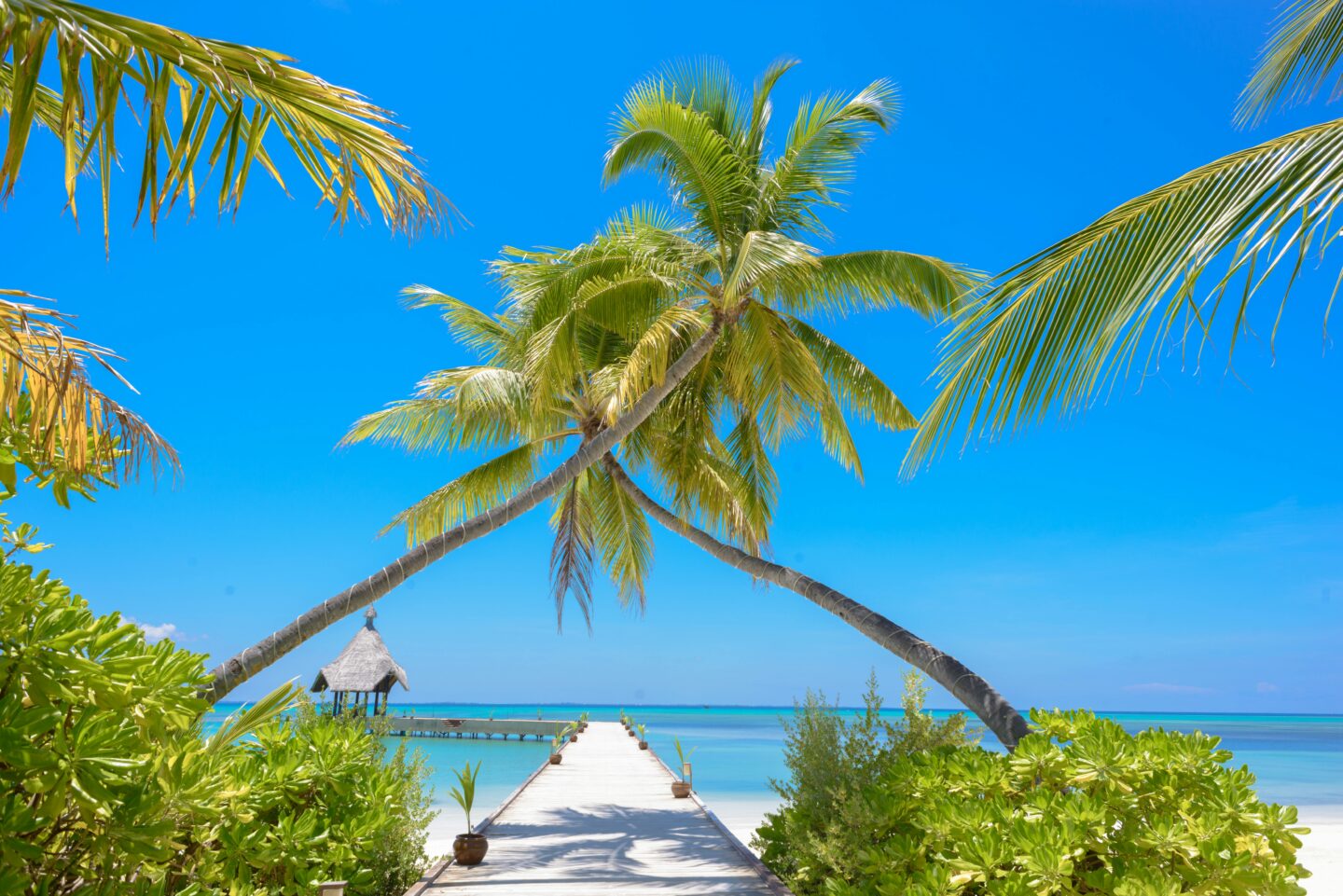
There is a version of Jamaica that is sold to the world. It’s a postcard of turquoise water lapping against a white-sand beach, a frosty Red Stripe beer sweating in the sun, and the faint, distant rhythm of a reggae song. It’s a world of all-inclusive bracelets, swim-up bars, and perfectly manicured gardens. And that world, in its own way, is beautiful. It offers rest, it offers ease, and it offers a much-needed escape.
But it is a very, very small version of Jamaica.
I have watched from the quiet corners of rum bars, from the bustling chaos of local markets, and from the winding roads of the Blue Mountains as travelers experience this curated slice of the island. They come, they relax, they enjoy the sun, and they leave, believing they have seen Jamaica. And in a way, they have. But they have not met her. They have attended a beautifully staged party in the foyer of a grand house, without ever being invited into the living room, the library, or the kitchen where the real life of the home unfolds.
This guide is your invitation into the rest of the house.
The mistakes listed here are not sins. They are the well-worn grooves of conventional tourism, easy to fall into because they are comfortable and heavily marketed. But awareness changes everything. This is not a list of fear-based warnings or dramatic prohibitions. Think of it as protective advice from a friend who loves this island fiercely and wants you to love it too not for its postcard perfection, but for its vibrant, complicated, and profoundly beautiful soul.
Let’s move beyond the vacation and begin the journey of understanding.
Contents
- 0.1 Mistake #1: Staying Exclusively Inside Your Resort
- 0.2 Mistake #2: Thinking Jamaica Is Only Montego Bay & Negril
- 0.3 Mistake #3: Underestimating the Culture (Reducing It to “Vibes”)
- 0.4 Mistake #4: Disrespecting Local Communities (Often Unintentionally)
- 0.5 Mistake #5: Not Understanding the Realities of Safety
- 0.6 Mistake #6: Assuming Everything Is “Chill” and Moving at Your Pace
- 0.7 Mistake #7: Not Trying Real Jamaican Food
- 0.8 Mistake #8: Overlooking or Fearing Kingston
- 0.9 Mistake #9: Not Preparing for the Climate and Environment
- 0.10 Mistake #10: Treating Jamaica Like a “Cheap” Destination
- 0.11 Bonus: The Biggest Mistake of All… Rushing
- 0.12 Practical Jamaica Travel Advice for 2026
- 0.13 Conclusion: Visit With Respect, Leave With Understanding
- 1 Check Out Other Guides
- 2 Are You Planning Your Next Trip? Here’s What I Use
Mistake #1: Staying Exclusively Inside Your Resort
The Explanation: Let’s be clear: there is nothing wrong with enjoying your resort. They are designed to be havens of comfort, safety, and relaxation. The food is plentiful, the drinks are flowing, and the beach is just steps from your door. But it is crucial to understand that a resort is a curated environment. It is a bubble, meticulously designed to provide a frictionless version of a Jamaican vacation. It is not, however, Jamaica itself.
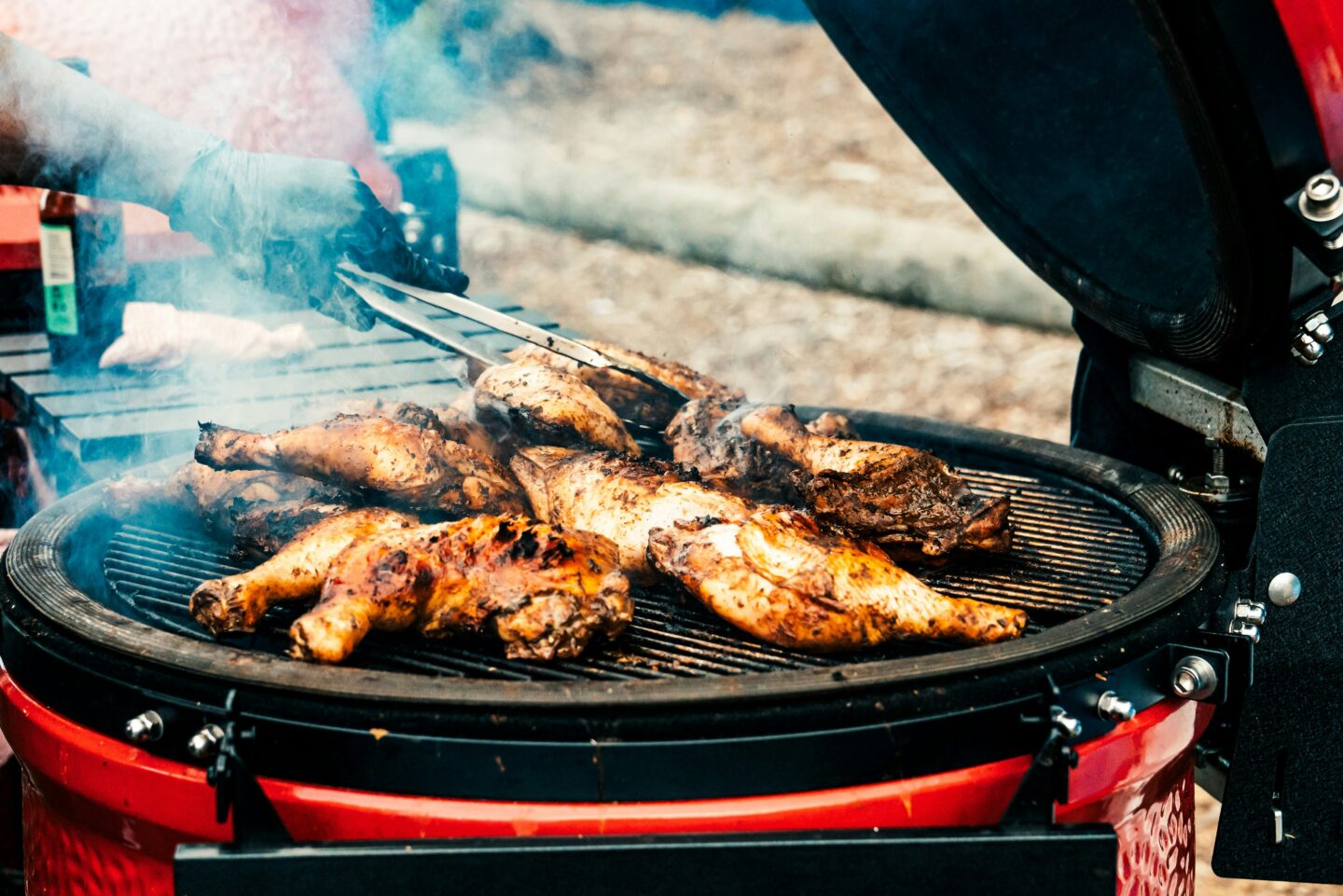
By staying only within those walls, you are missing the very heartbeat of the island. You are missing the sizzle and scent of a roadside jerk pit, where the pimento wood smoke tells a story centuries old. You are missing the chaotic, colorful symphony of a local market, the friendly haggling, the sheer abundance of the land. You are missing the quiet dignity of a rural village, the easy laughter of a corner cookshop, and the taste of a beef patty so hot and flaky it burns your fingertips in the most satisfying way. The resort gives you comfort; the island gives you life.
What to Do Instead:
- Eat Off-Resort (At Least Once): Ask a trusted local, a hotel staff member you’ve built a rapport with, a licensed taxi driver for their favourite place to eat. Not the place they send all the tourists, but the place they go for lunch. This single act will be the most delicious and authentic decision you make.
- Take a Guided Cultural Tour: Hire a licensed and reputable guide for a day. A good guide is a storyteller, a historian, and a cultural translator. They can take you to places like the Trench Town Culture Yard in Kingston or a Maroon community in the mountains, providing the context and safety needed to experience these places respectfully.
- Explore a Nearby Town (With Awareness): Venture into the nearest main town, like Falmouth with its historic Georgian architecture, or the bustling center of Montego Bay away from the “Hip Strip.” Go during the day, be mindful of your surroundings, and be open to simple interactions.
Mistake #2: Thinking Jamaica Is Only Montego Bay & Negril
The Explanation: The global tourism machine has, for decades, focused its immense power on two specific zones: Montego Bay and Negril. They are home to the largest airports, the most famous beaches, and the highest concentration of all-inclusive resorts. The marketing is so effective that for many, these places are Jamaica.
But Jamaica is an island of 14 parishes, each with a fiercely distinct personality, geography, and story. To see only the resort corridors of St. James and Westmoreland is like visiting the United States and only seeing Times Square and the Las Vegas Strip. You’ve seen the spectacle, but you’ve missed the nation.
- Kingston & St. Andrew: This is the island’s cultural, political, and artistic heartbeat. It’s a sprawling, energetic metropolis cradled by the magnificent Blue Mountains. It’s the home of Bob Marley, world-class art galleries, and a vibrant nightlife that pulses with the latest dancehall rhythms.
- Portland: On the northeast coast, this is Jamaica’s lush, natural paradise. It’s a world of hidden waterfalls (Reach Falls, Somerset Falls), emerald rivers perfect for rafting (the Rio Grande), and secluded, stunning beaches (Frenchman’s Cove, Winnifred Beach). It’s the capital of eco-travel and quiet, boutique luxury.
- St. Elizabeth: Known as the “breadbasket” of Jamaica, this is the island’s slow, agricultural soul. It’s a landscape of rolling hills, fertile plains, and the unique Black River. It’s home to the iconic Pelican Bar, the beautiful Treasure Beach, and a community-based tourism model that is deeply authentic.
- St. Catherine: This parish holds a deep well of history. It’s home to Spanish Town, the former Spanish and British capital, with its historic iron bridge and colonial square.

What to Do Instead:
- Plan a Split Stay: If you have a week, consider spending 4 nights at a beach resort and 3 nights in a different parish, like Portland or the Blue Mountains. This will give you two completely different and equally valuable Jamaican experiences.
- Take a Multi-Day Excursion: Dedicate at least two days to exploring another region. A trip from Montego Bay to Kingston and the Blue Mountains is an incredible journey that shows you the full spectrum of Jamaican life, from urban energy to serene mountain majesty.
Mistake #3: Underestimating the Culture (Reducing It to “Vibes”)
The Explanation: The word “vibes” has become a lazy shorthand for Jamaican culture, often used to gloss over its profound depth and complexity. The tourist-facing version of the culture often revolves around three things: reggae music, marijuana (ganja), and a caricature of Patois (“Ya mon,” “no problem”).
To reduce Jamaica to these clichés is to do a profound disservice to a nation with a history of rebellion, intellectual rigor, and global influence. This is the birthplace of Marcus Garvey, one of the most important black nationalist leaders of the 20th century. It is a hotbed of political thought, a global musical superpower that has birthed not just reggae but ska, rocksteady, dancehall, and dub. It is a place of deep and diverse spirituality, from the Rastafari faith to the syncretic traditions of Revivalism. The “chill vibe” you feel is often the surface of a deep, resilient, and incredibly complex cultural ocean.
What to Do Instead:
- Visit the Museums: Spend a half-day at the Bob Marley Museum in Kingston to understand the man behind the myth. More importantly, visit the National Gallery of Jamaica, a world-class institution that tells the story of the island through its art, from the Taino people to contemporary masters.
- Learn About the Maroons: The Maroons were enslaved Africans who escaped the plantations and formed their own independent communities in the island’s most rugged interior. Their story is one of resistance, sovereignty, and incredible resilience. A visit to a community like Accompong Town (with a guide) is a powerful history lesson.
- Read a Book: Before you go, read a book by a Jamaican author. Marlon James’ A Brief History of Seven Killings offers a complex, literary look at the political turmoil of the 1970s, while Colin Grant’s I&I: The Natural Mystics provides a brilliant biography of The Wailers.
Mistake #4: Disrespecting Local Communities (Often Unintentionally)
The Explanation: The vast majority of travelers are well-intentioned. Disrespect often comes not from malice, but from a lack of awareness. When we are in “vacation mode,” it can be easy to forget that we are guests in someone else’s home.
This can manifest in several ways: pointing a camera in someone’s face without asking permission, treating a walk through a village like a safari experience where people are part of the scenery, or being loud and boisterous in a quiet residential area. Another common issue is how children are treated; while well-meaning, handing out candy or small amounts of money can create unhealthy dynamics. It’s better to support the community through established channels like local schools or community centers if you wish to give back.
What to Do Instead:
- Always Ask Before Photographing: A simple smile and a gesture towards your camera is a universal sign. “May I take your picture?” is a sign of respect. If someone says no, respect their wishes without question.
- Support Community-Based Tourism: Seek out tour operators and guesthouses that are owned and operated by the local community (Treasure Beach is a fantastic example of this). This ensures your money directly benefits the people whose home you are visiting.
- Dress Respectfully: While beachwear is perfectly acceptable at the beach or within your resort, it’s not appropriate for walking through a town or visiting a local market. When you leave the tourist zones, dress modestly as a sign of respect.
Mistake #5: Not Understanding the Realities of Safety
The Explanation: This is the most important and often misunderstood topic. It requires a balanced, honest perspective. Yes, Jamaica has a high crime rate, and this is a serious issue for the country. You will see travel advisories that can seem alarming.
However, it is crucial to understand that the vast majority of violent crime is concentrated in specific, non-tourist areas and is often related to gang activity. It very rarely involves tourists. The biggest risks to travelers are typically petty theft and scams. To ignore the reality of crime is naive, but to be paralyzed by fear is to miss out on the incredible warmth and hospitality of the Jamaican people. The key is not fear; it is awareness.
What to Do Instead:
- Use Licensed and Registered Taxis: Your hotel can arrange one, or use reputable companies like JUTA (Jamaica Union of Travellers Association). Avoid getting into unmarked “route taxis” unless you are an experienced traveler comfortable with the system.
- Research Your Destination: Before you wander off, understand the neighborhood. Ask your hotel staff if an area is considered safe to walk around.
- Don’t Flash Valuables: Leave the expensive jewelry and watches at home. Be discreet with your cash and expensive electronics. This is standard travel advice for anywhere in the world.
- Be Smart at Night: Avoid walking in isolated areas, on deserted beaches, or in poorly lit streets after dark.
Mistake #6: Assuming Everything Is “Chill” and Moving at Your Pace
The Explanation: There is a rhythm to life in Jamaica, often summed up by the phrase “likkle more” (little more). Things move at a different pace. This is not a sign of laziness or a lack of professionalism; it is a different cultural approach to time.
Tourists, often coming from fast-paced, efficiency-driven cultures, can misread this. They might become impatient waiting for a meal, frustrated by a perceived lack of urgency, or misinterpret a reserved demeanor as poor service. Trying to force your own pace onto the island will only lead to your own frustration. The island will not speed up for you.
What to Do Instead:
- Adjust Your Internal Clock: From the moment you land, take a deep breath and consciously decide to slow down. Build extra time into your plans.
- Embrace the Pause: That time spent waiting for your food is an opportunity to have a conversation, to people-watch, to simply sit and absorb the atmosphere. It’s not wasted time; it’s part of the experience.
- Politeness is a Superpower: A smile, a “good morning,” and a patient attitude will get you much further than a demanding or impatient tone.
Mistake #7: Not Trying Real Jamaican Food
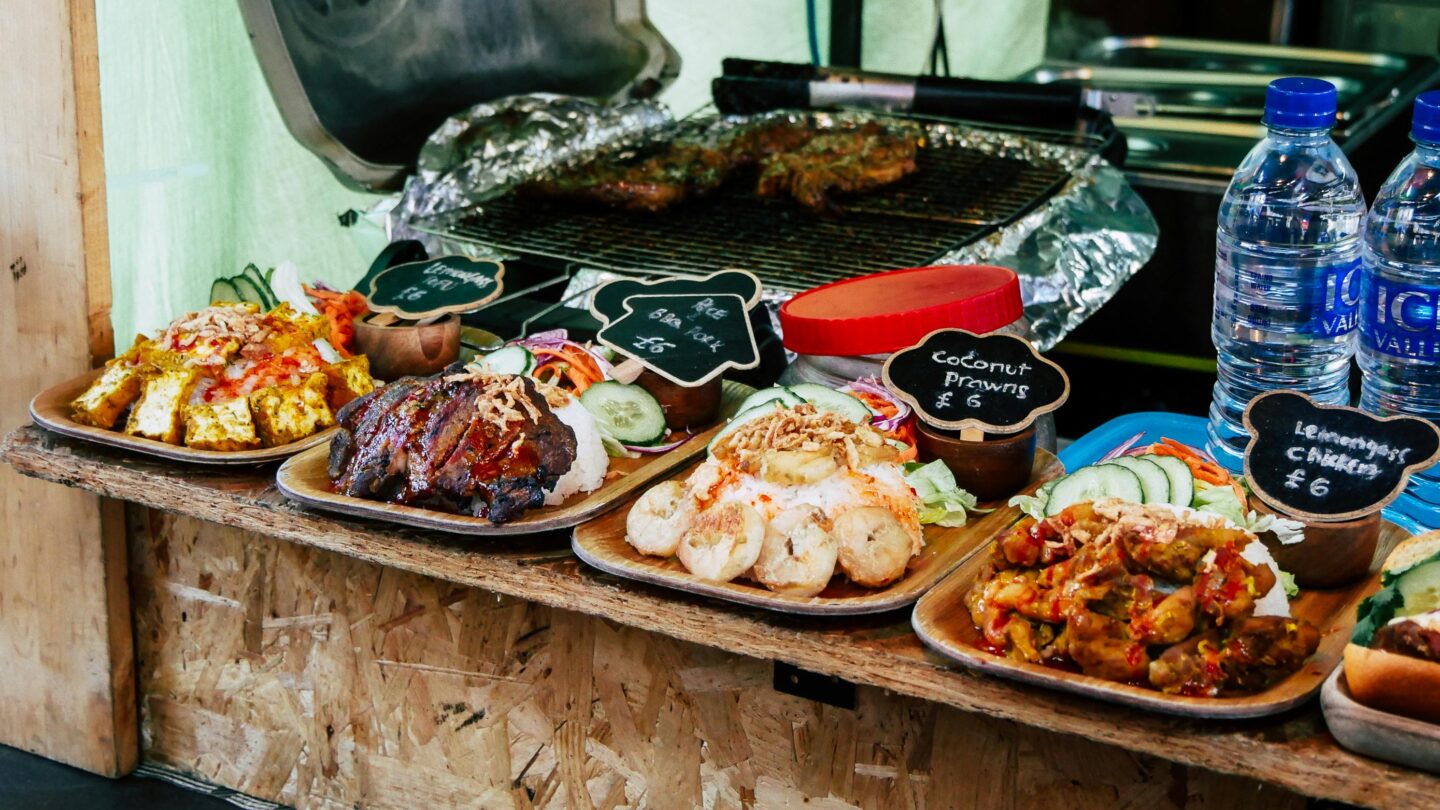
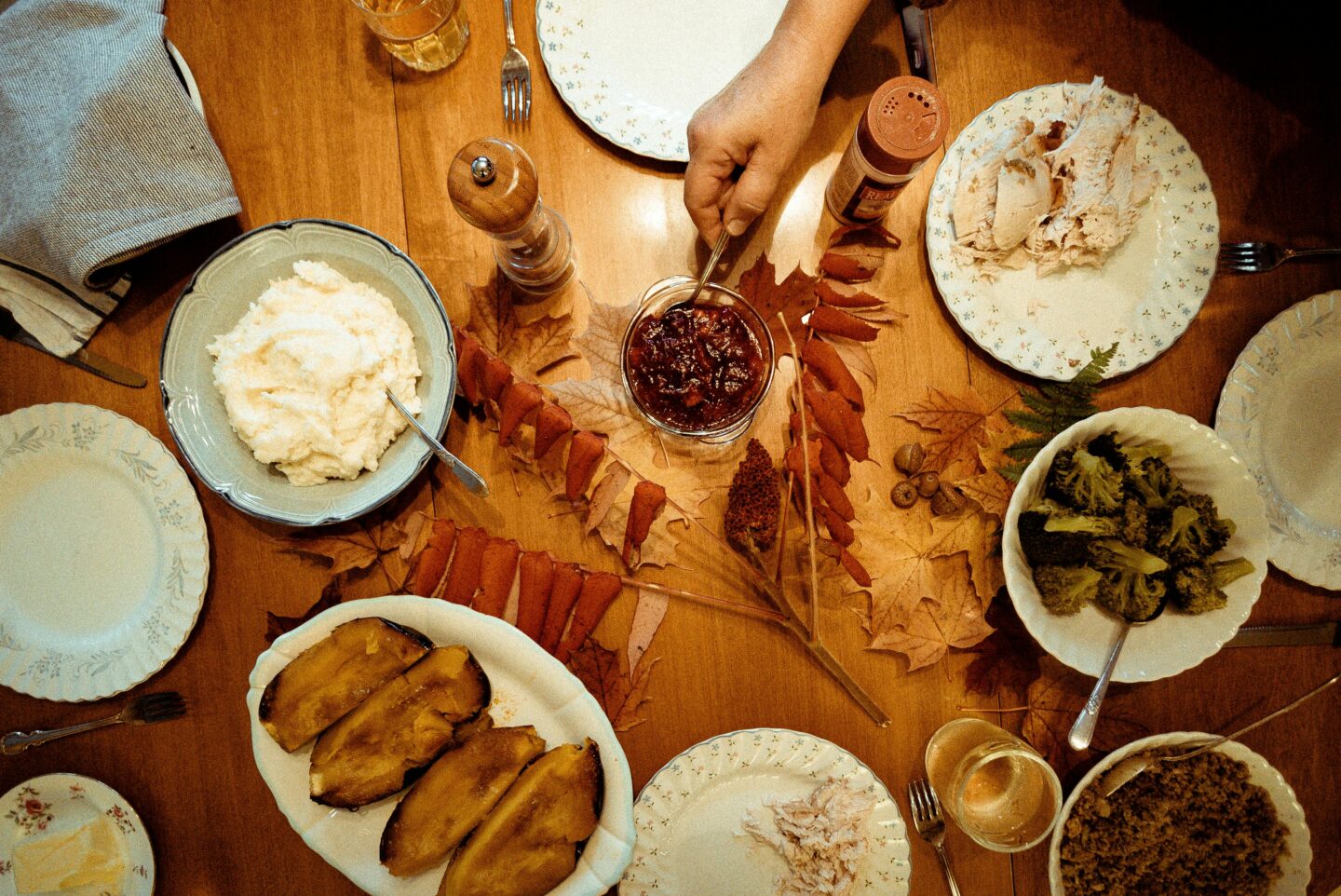
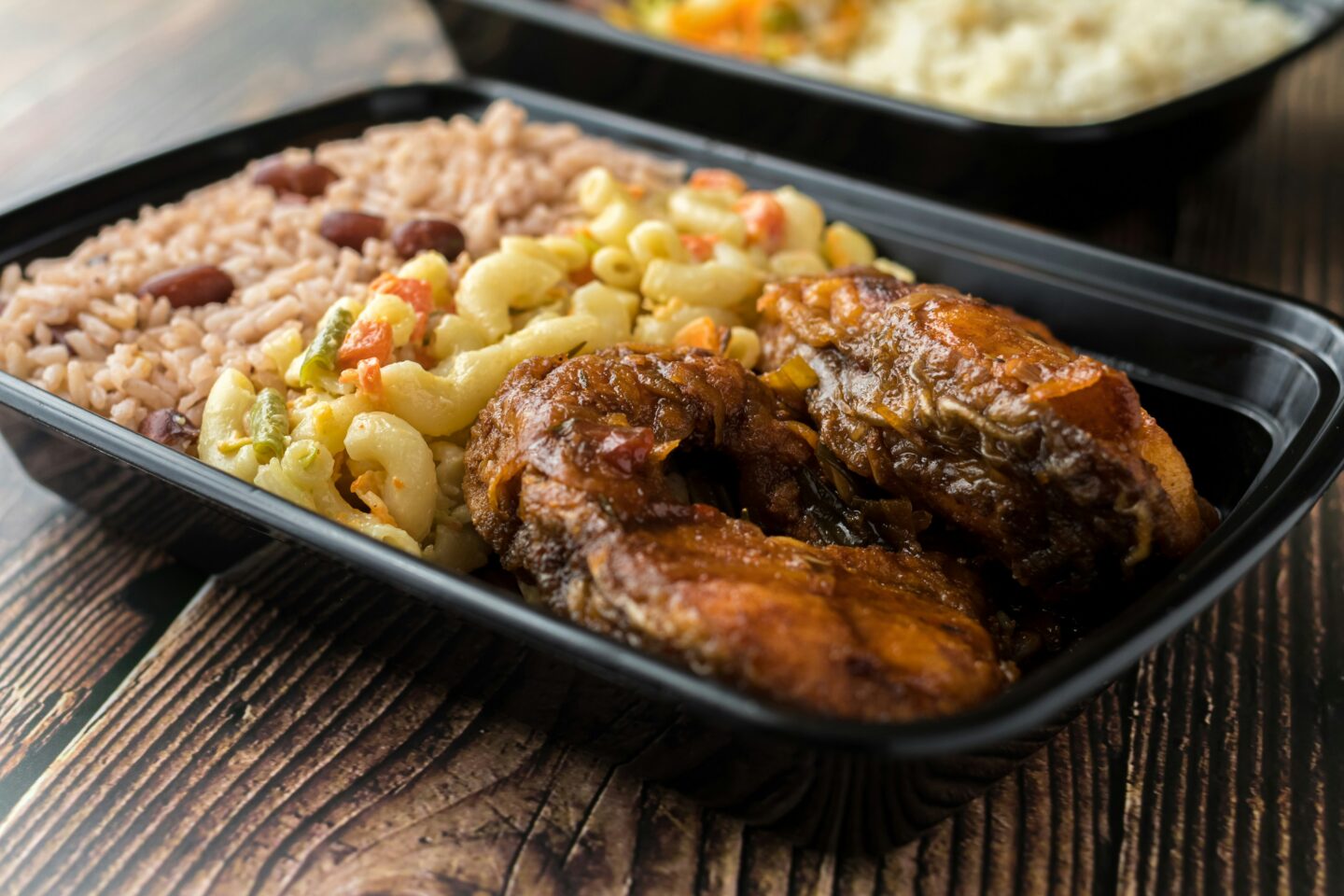
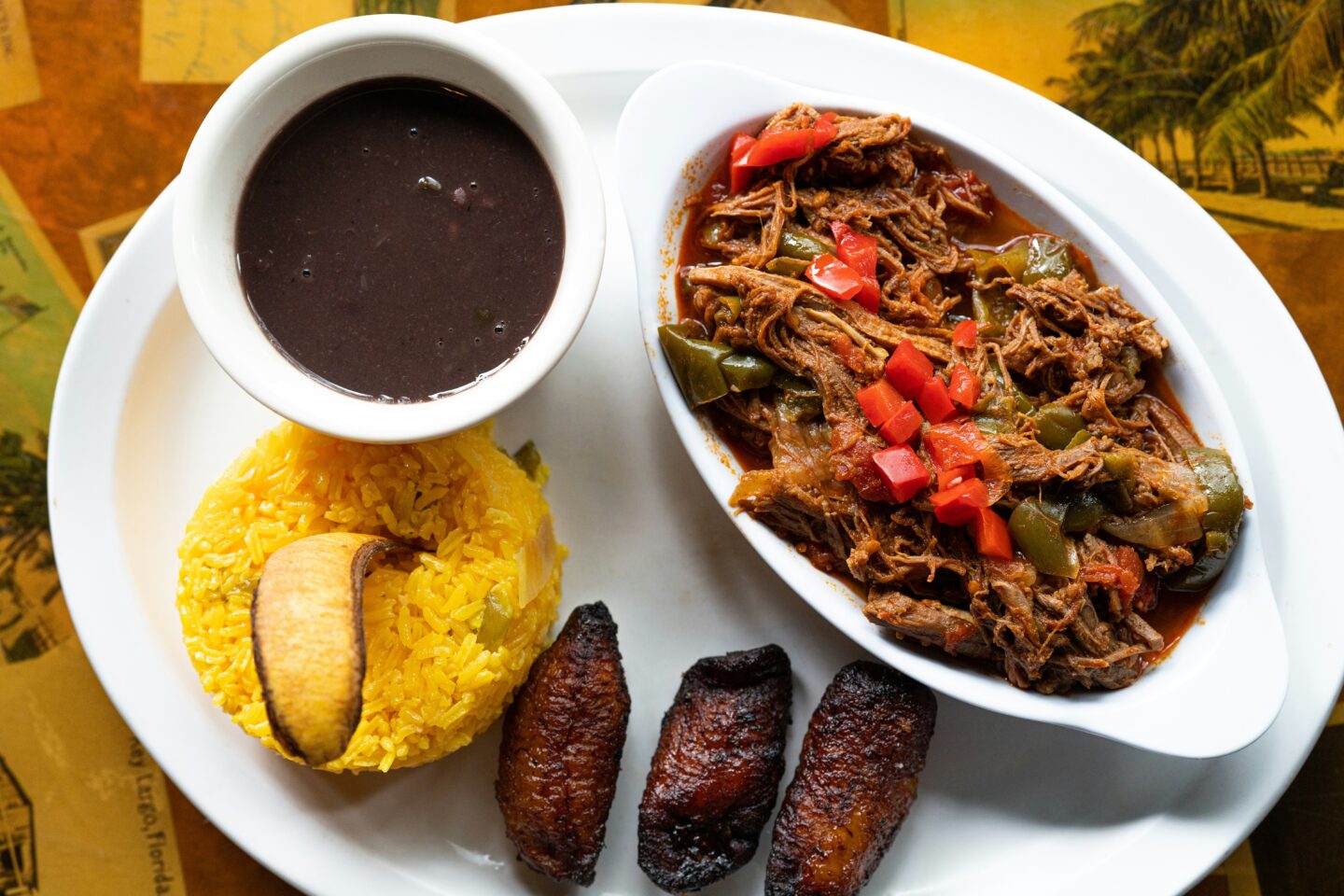
The Explanation: Jamaican food is a world-class cuisine, a complex tapestry woven from African, Spanish, British, Indian, and Chinese influences. Yet, many tourists never experience it beyond the resort buffet and the ubiquitous jerk chicken.
To miss out on the real food of Jamaica is to miss out on one of its greatest cultural treasures. It’s a story told through spice and fire. It’s the comfort of a Sunday morning plate of ackee and saltfish, the island’s national dish. It’s the bold, rich flavor of oxtail stew, the surprising heat of mannish water (goat soup), and the simple, perfect pleasure of an escovitch fish, fresh from the sea.
What to Do Instead:
- Seek Out a Cookshop: These are small, often family-run eateries that serve traditional, home-style Jamaican food for breakfast and lunch. This is where you’ll find the best oxtail, curry goat, and stew peas.
- Visit a Patty Shop: Patties are to Jamaica what pizza is to Italy. Go to one of the famous chains like Juici Patties or Tastee, or a local neighborhood spot, and get a hot beef patty with coco bread. It’s the quintessential Jamaican fast food.
- Try Ital Food: Ital is the natural, plant-based diet associated with the Rastafari faith. It’s creative, healthy, and delicious. Look for small Ital food stalls or restaurants.
- Ask for Recommendations: Jamaicans are incredibly proud of their food. Ask a local, “Where can I get the best oxtail in town?” and watch their face light up as they direct you to their favorite spot.
Mistake #8: Overlooking or Fearing Kingston
The Explanation: For decades, Kingston has been saddled with a reputation as a dangerous, chaotic city that tourists should avoid. This is perhaps the single most tragic misconception about travel to Jamaica.
Kingston is not just another city; it is the cultural capital of the entire English-speaking Caribbean. It is the engine room of the island’s creativity. It is the home of the Bob Marley Museum, the National Gallery, the historic Devon House, and the infamous pirate city of Port Royal. It is the epicenter of the global dancehall scene, with a nightlife that is second to none. To skip Kingston is to skip the heart of modern Jamaica.
What to Do Instead:
- Dedicate at Least Two Days to Kingston: Treat it as a primary destination, not an afterthought. Stay in a hotel or guesthouse in a safe area like New Kingston or the Jack’s Hill neighborhood.
- Explore the Blue Mountains: Kingston’s backyard is the majestic Blue Mountain range, home to world-famous coffee plantations and stunning hiking trails. A day trip from the city into the cool, misty mountains is an unforgettable experience.
- Hire a Local Guide: To navigate the city confidently and get the most out of your visit, hire a Kingston-based guide for a day to show you the sights, from Trench Town to the latest art galleries.
Mistake #9: Not Preparing for the Climate and Environment
The Explanation: The Caribbean sun is not the same sun you might be used to at home. It is intense and direct. Dehydration and severe sunburn can ruin a trip. The humidity can also be draining if you’re not accustomed to it.
Beyond the daily climate, it’s important to be aware of the seasonal patterns. Hurricane season officially runs from June to November. While the chances of a major storm directly impacting your specific travel dates are statistically low, it’s a possibility that requires preparation.
What to Do Instead:
- Hydrate Relentlessly: Drink water constantly throughout the day, even when you don’t feel thirsty.
- Use High-SPF, Reef-Safe Sunscreen: Apply it generously and reapply it often, especially after swimming.
- Purchase Travel Insurance: This is non-negotiable, especially during hurricane season. Ensure your policy covers trip cancellations or interruptions due to weather.
Mistake #10: Treating Jamaica Like a “Cheap” Destination
The Explanation: Because of favorable exchange rates, some travelers arrive with the expectation that Jamaica will be incredibly cheap. While it is more affordable than many destinations, it is not a bargain-basement country.
Remember that Jamaica is an island nation; almost all vehicles, electronics, and many food products are imported, which adds to the cost. Furthermore, the tourism industry is the lifeblood of the economy for many families. Trying to haggle aggressively over a few dollars for a handmade craft or undertipping for excellent service can have a real impact.

What to Do Instead:
- Tip Fairly: For good service at a restaurant, 10-15% is a standard and appreciated tip. Tip your hotel staff, drivers, and tour guides who do a good job.
- Support Local Artisans Directly: When you buy crafts, try to buy directly from the person who made them at a local craft market. Pay the price they ask if it feels fair; it’s their livelihood.
- Understand Both Currencies: The official currency is the Jamaican Dollar (JMD), but US Dollars (USD) are widely accepted in tourist areas. Know the approximate exchange rate (it fluctuates) to understand the real cost of things.
Bonus: The Biggest Mistake of All… Rushing
If there is one mistake that encompasses all others, it is the mistake of rushing. Jamaica is an island that operates on its own rhythm, and that rhythm is not rushed. Trying to conquer a checklist of sights in three days is to fight against the very nature of the place. You will see things, but you will feel nothing.
Slow travel is not just a buzzword here; it is the only way to truly connect. The best moments of your trip will not be on your itinerary. They will happen in the pauses the unexpected conversation with a shopkeeper, the hour spent watching fishermen mend their nets, the extra rum punch you have because the music at the bar is just too good to leave.
Practical Jamaica Travel Advice for 2026
- Entry Requirements: Citizens of the US, UK, Canada, and many other countries do not need a visa for tourist stays of up to 90 days. Your passport must be valid for the duration of your stay. Always check the latest official requirements before you travel.
- Currency: The official currency is the Jamaican Dollar (JMD). US Dollars are widely accepted in tourist areas, but you will often get a better price (and it’s more respectful) if you pay for smaller, local purchases in JMD. It’s best to carry a mix of both.
- SIM Cards & Connectivity: Getting a local SIM card from providers like Digicel or Flow upon arrival is easy and affordable. It will give you reliable data and local calls, which is invaluable for navigation and communication.
- Transportation: For airport transfers and longer journeys, use licensed tour operators or JUTA taxis. For exploring a local area, your hotel can arrange a trusted driver. Renting a car is an option for experienced and confident drivers, but be prepared for aggressive driving, winding roads, and potholes. Driving is on the left.
Conclusion: Visit With Respect, Leave With Understanding
Jamaica does not need to be romanticized. It does not need to be reduced to a caricature. It needs, simply, to be seen for what it is: a country of breathtaking natural beauty, yes, but also of immense cultural depth, historical weight, and human complexity.
The best version of your trip will happen when you arrive not as a consumer, but as a curious and respectful guest. It will happen when you are brave enough to step outside the gates, when you are patient enough to listen, and when you are open enough to have your expectations challenged.
Come for the sun and the sea. They are glorious. But stay for the stories, the music, the food, and the people. If you do, you will leave not just with a tan, but with a genuine understanding of one of the most captivating places on Earth. You will leave having truly met Jamaica.
Check Out Other Guides
Essential Guide to Passports and Visas for Jamaicans: Where You Can Go and What You Need
Passport, Immigration and Citizenship Agency
Requirements For Entry Into Jamaica
The Ultimate Jamaica Travel Guide: A Local’s Deep Dive
Kingston Jamaica Travel Guide: How to Experience the “Heartbeat of Jamaica”
What to See in Kingston & St Andrew, Jamaica: A Local’s Guide
Where to Stay in Kingston, Jamaica: A Local’s Guide
Are You Planning Your Next Trip? Here’s What I Use
These are the tools I rely on to make every trip smoother, safer, and more meaningful. If you use the links below, I may earn a small commission at no extra cost to you. Thank you for supporting this blog and my journey as a full-time traveller 💜
1. Learn the Local Language
I use Babbel to practice Spanish, French, and Portuguese while travelling. The app makes it so easy to learn useful phrases on the go.
2. Travel Insurance is a Must
I never leave home without SafetyWing. They’re affordable and ideal for frequent travellers or digital nomads.
3. Book Your Tours & Experiences
For unique local tours and must-see experiences, I use:
→ Viator
→ Get Your Guide
4. Always Stay Connected
No matter where I go, Keepgo helps me stay connected with international data SIMs and eSIMs that actually work. A lifesaver when Wi-Fi fails!
5. Organise Your Itinerary
I use Tripsy to plan and store my itineraries, documents, and bookings in one clean app. It’s perfect for keeping track of everything in one place.
Until next time, travel softly,
Destiny 💜

