My first proper look at Bucaramanga wasn’t from a postcard or a blog post; it was a gift from a taxi driver. I’d just landed, a little weary from the flight, my mind a quiet hum of anticipation. I knew very little about the city, only that a project and a dear friend were waiting for me there. As we descended from the airport, winding down the hillside roads, the driver, without a word of prompting from me, pulled the car over. He simply pointed. “Mire,” he said. Look.
And there it was. A sprawling constellation of lights, impossibly bright, nestled in a deep, dark valley. It was breathtaking. A city held in the cupped hands of the mountains. I remember the feeling more than the sight itself, a sense of quiet awe, of being shown a secret. That moment has become a ritual. Every time I return, as the car crests that same hill, I ask the driver to pause, just for a moment, so that I can take it in. It’s a welcome, a homecoming.
I arrived in Bucaramanga in October of 2022. It was a season of my life dedicated to slowing down. I had decided to take a step back from the relentless pace of my work, to travel with more intention. My journey began in Ecuador and then led me here, to the heart of Santander. And honestly, it was exactly what my soul required. Having moved through the beautiful, kinetic energy of Medellín and the historic grandeur of Bogotá and Cartagena, I found something different in Bucaramanga. It wasn’t the immediate, vibrant performance of a city accustomed to tourists. It was something quieter, more self-assured. A city simply being.
There was no pressure to do anything. No famous landmarks clamouring for my attention. Instead, the city met me where I was, offering space instead of stimulation. I had planned a short visit, but the city’s gentle rhythm prompted me to stay. And stay I did.
So, this is not an itinerary in the traditional sense. You won’t find a checklist of things to tick off. Think of it instead as a rhythm, a five-day guide to sinking into the pace of Colombia’s most underrated city. It’s a framework designed for the solo traveller, the digital nomad, the person who wants to experience the real, lived-in soul of Colombia, far from the hype. If you’re looking for nightlife chaos, this isn’t the place for you. But if you’re seeking peace, affordability, and a chance to truly integrate, then please, keep reading.
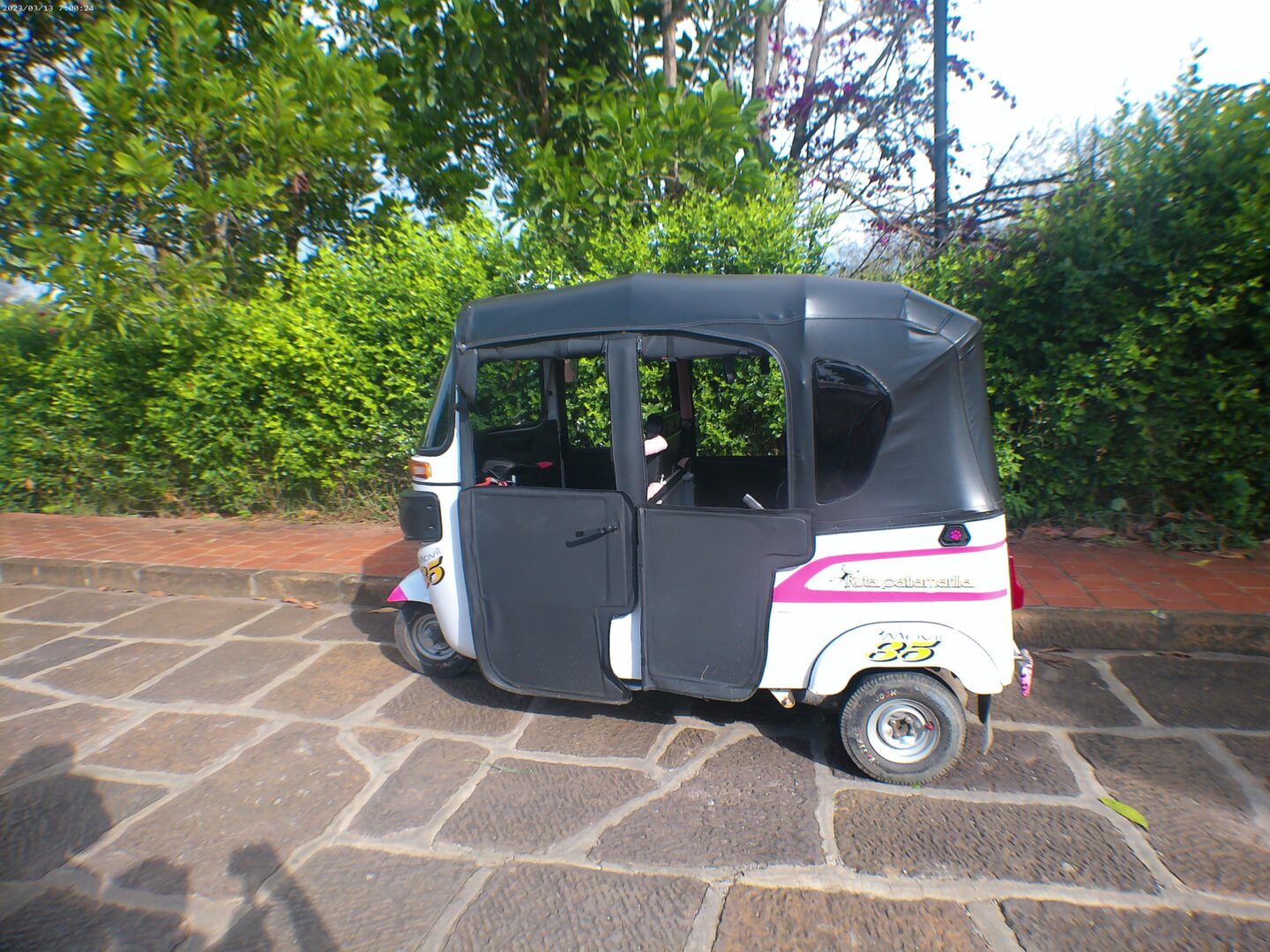
Contents
Why Bucaramanga Works for Nomads & Slow Travellers
Many cities are excellent for visiting, but only some are truly built for living. Bucaramanga belongs to the latter category. It’s a city that quietly and confidently supports a life of intention, making it a haven for digital nomads who prioritise wellbeing over a frantic social scene.
1. A City Built for Living, Not Performing
Bucaramanga is a mid-sized city with a palpable routine. People are going to work, taking their children to school, and meeting friends for a coffee. Life here is not a performance for tourists; it’s the genuine, uncurated existence of hundreds of thousands of Colombians. This authenticity is a gift. You’ll find that English is not widely spoken, which, rather than being a barrier, is an invitation. It’s an opportunity to immerse yourself, to practise your Spanish in low-stakes, daily interactions, and to connect with people on a more genuine level. The city doesn’t change itself for you; it invites you to adapt to its rhythm.
2. The Gentle Ease of Affordability
One of the most practical blessings of Bucaramanga is its affordability. Your money simply stretches further here than in the more popular nomad hubs of Medellín or Cartagena. This isn’t about being cheap; it’s about reducing financial pressure, which in turn allows for a slower, more deliberate pace of life.
- Accommodation: Rent is significantly lower, often determined by the estrato (a socio-economic stratification system). You can find a beautiful, modern flat in a safe, comfortable neighbourhood for a fraction of the price you’d pay elsewhere.
- Food: The city thrives on local markets overflowing with fresh produce and affordable menús del día (set daily lunches) that offer a hearty, nourishing meal for just a few pounds.
- Transport: Taxis and ride-sharing apps are inexpensive, and the city is compact enough that many journeys can be made on foot. This financial ease creates mental space, allowing you to focus on your work and wellbeing.
3. Quietly Brilliant Infrastructure
For a city that isn’t a major tech hub, Bucaramanga is remarkably well-equipped for a digital nomad’s needs.
- Internet: Wi-Fi in residential buildings and modern cafés is generally stable and fast enough for video calls, streaming, and all the demands of remote work.
- Practical Life: Getting a local SIM card with a generous data plan from providers like Claro or Movistar is simple and affordable. The city has modern shopping malls, excellent supermarkets, and a host of delivery apps (like Rappi) that make daily life incredibly convenient. It has all the practicalities of a large city without the overwhelming scale.
4. Community Without the Clamour
Bucaramanga is not an “expat hub.” You won’t find a constant churn of networking events or nomad-centric social circles. For some, this might be a drawback. For me, it is a profound advantage. The lack of a transient scene encourages you to build more organic, meaningful relationships. You get to know your neighbours, the woman who runs the local bakery, and the man at the corner shop. These small, daily interactions create a sense of belonging that is often missing in more fast-paced nomad destinations. It’s a community built on shared routine and quiet recognition, which is deeply nourishing for long-term wellbeing.
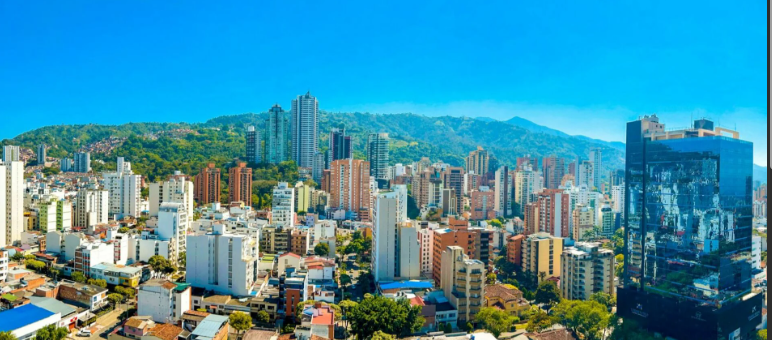
Day 1: Arriving, Orienting & Settling In
The first day in a new place is not about seeing the sights. It is a sacred day, reserved for the gentle act of arrival. It’s about allowing your nervous system to settle and your senses to adjust to a new rhythm.
Morning: The Landing. Whether you arrive by plane at Palonegro Airport (BGA) or by bus, the journey into the city is your first immersion. The climate is one of the first things you’ll notice—a perfect, gentle warmth that locals call “the best in Colombia.” It’s not the heavy, humid heat of the coast or the unpredictable chill of Bogotá. It’s a city that greets you with a soft, warm embrace. The first sounds are not of tourist chatter, but of city life: the murmur of traffic, the calls of street vendors, the rhythm of a place at work.
Midday: Getting Grounded. The first order of business is to settle into your accommodation. Drop your bags, take a deep breath, and then embark on the most important ritual of arrival: the first walk. The goal is not to explore, but to orient. Find your nearest supermercado, your local panadería (bakery), and a pharmacy. These are your anchors, the practical touchstones that begin to transform a foreign place into a temporary home. Buying a bottle of water, a piece of fruit, and some fresh bread is a simple act that says, “I am here now. I will be nourished here.”
Afternoon: The Rhythm of the Park. In the late afternoon, make your way to one of the city’s central parks, like Parque Santander. Find a bench and simply observe. This is not idle time; it is cultural education. Watch how families interact, how friends greet each other, and how business is conducted on the street corners. Notice the pace. There is a purposefulness to the movement, but not a rush. People-watching is one of the most profound ways to understand the soul of a city before you’ve even tried to navigate it.
Evening: The First Local Meal For your first evening meal, seek out a simple, local restaurant offering a menú del día. This is the heart of Colombian daily cuisine, a set meal, usually consisting of a soup, a main plate with a choice of protein, rice, salad, and a drink. It’s nourishing, affordable, and exactly what the locals are eating. There is a quiet comfort in eating alongside people winding down their day. Allow the evening to be slow. This is a city that values early nights and calm evenings.
Reflection Prompt: What does it feel like to land in a place with no expectations? What are the first sensory details: a smell, a sound, a quality of light that you notice?
Day 2: Nature, Movement & Mental Space
After a day of settling, the second day is about gently expanding your radius, connecting with the city’s natural spaces, and finding your own rhythm within its daily life.
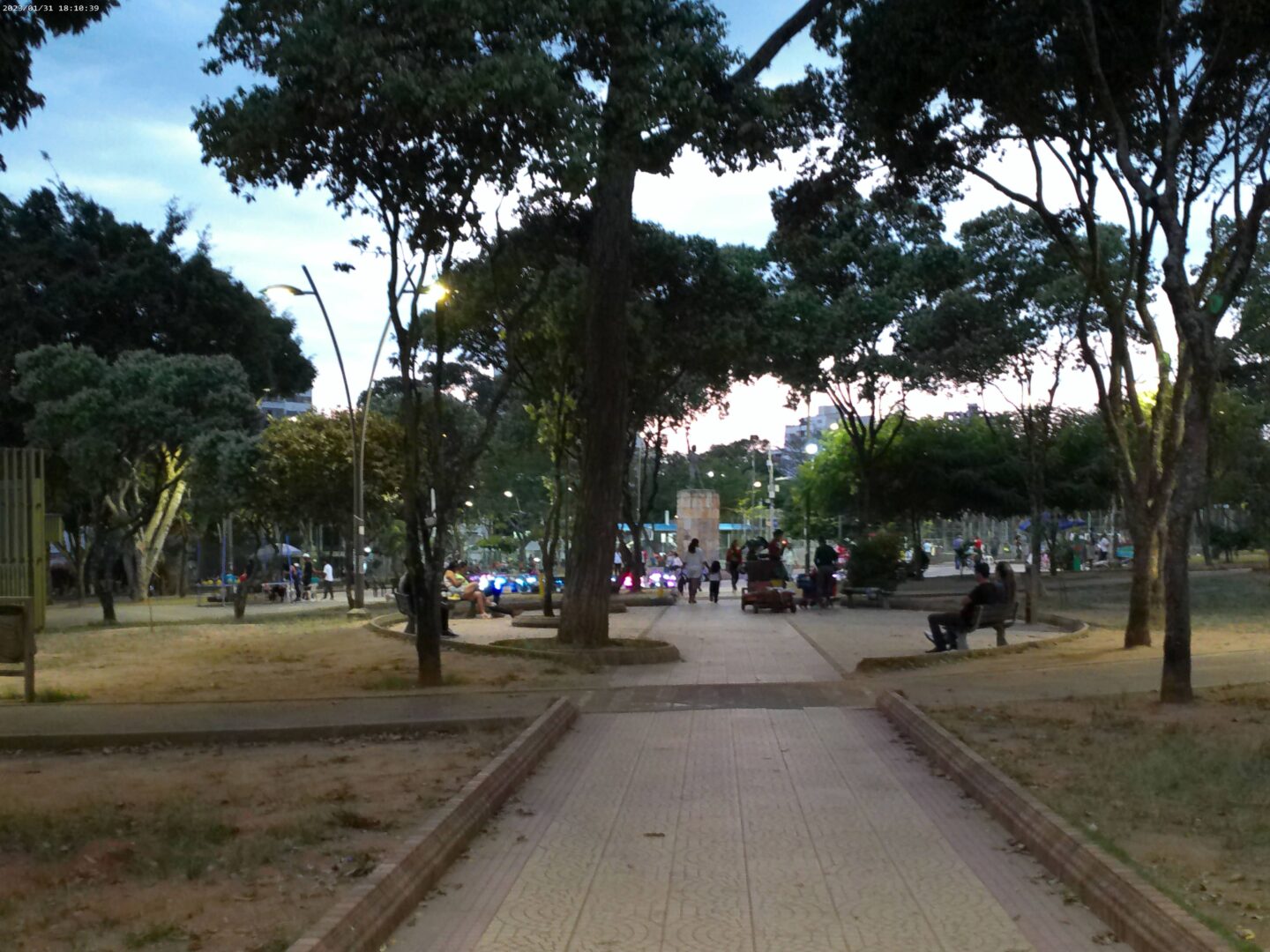
Morning: The City of Parks, Bucaramanga, is affectionately known as La Ciudad de los Parques (The City of Parks), and this is its greatest gift to the slow traveller. These are not just patches of green; they are the city’s lungs and its communal living rooms. You could visit the beautifully designed Parque del Agua, with its water features and lush foliage, or the historic Parque García Rovira, framed by government buildings and a beautiful church. The point is not to see them all, but to experience the city’s walking culture. Notice how accessible these spaces are, how they are integrated into the urban fabric, offering moments of peace and connection with nature at every turn.
Midday: The Café as a Sanctuary The café culture in Bucaramanga is more about connection and quiet contemplation than frantic productivity. Find a local spot, order a tinto (a small, black coffee) or a fresh juice, and allow yourself to work slowly. This is the perfect time for the kind of work that requires deep focus or creative space—writing, reading, journaling. In Bucaramanga, I learned not to force productivity. The city’s calm energy encourages a more mindful approach to work, where the quality of focus is more important than hours logged.
Afternoon: A Neighbourhood Wander Choose a direction and walk. The goal is not to find the “best” neighbourhood, but to understand the texture of residential life. As you walk, you will begin to gently and respectfully observe the differences between the estratos. You’ll notice the shift in architecture, the types of shops, the way public space is used. This is not an exercise in judgment, but in understanding the socio-economic fabric of a complex and diverse city. It’s in these quiet residential streets that you move beyond the abstract idea of “Bucaramanga” and begin to see the individual lives that make it whole.
Evening: The Art of Quiet Social Life. Evenings in Bucaramanga are largely family-oriented. The social life is not found in loud bars, but in simpler pleasures. Join the locals for an evening stroll. You’ll see families sharing an ice cream, couples enjoying street snacks like obleas (thin wafers with caramel spread), and friends engaged in casual conversation on park benches. There is a gentle, communal hum to the evenings. Allow yourself to embrace the quiet. In our overstimulated world, learning to be with a bit of boredom can be profoundly healing.
Day 3: Culture, Context & Connection
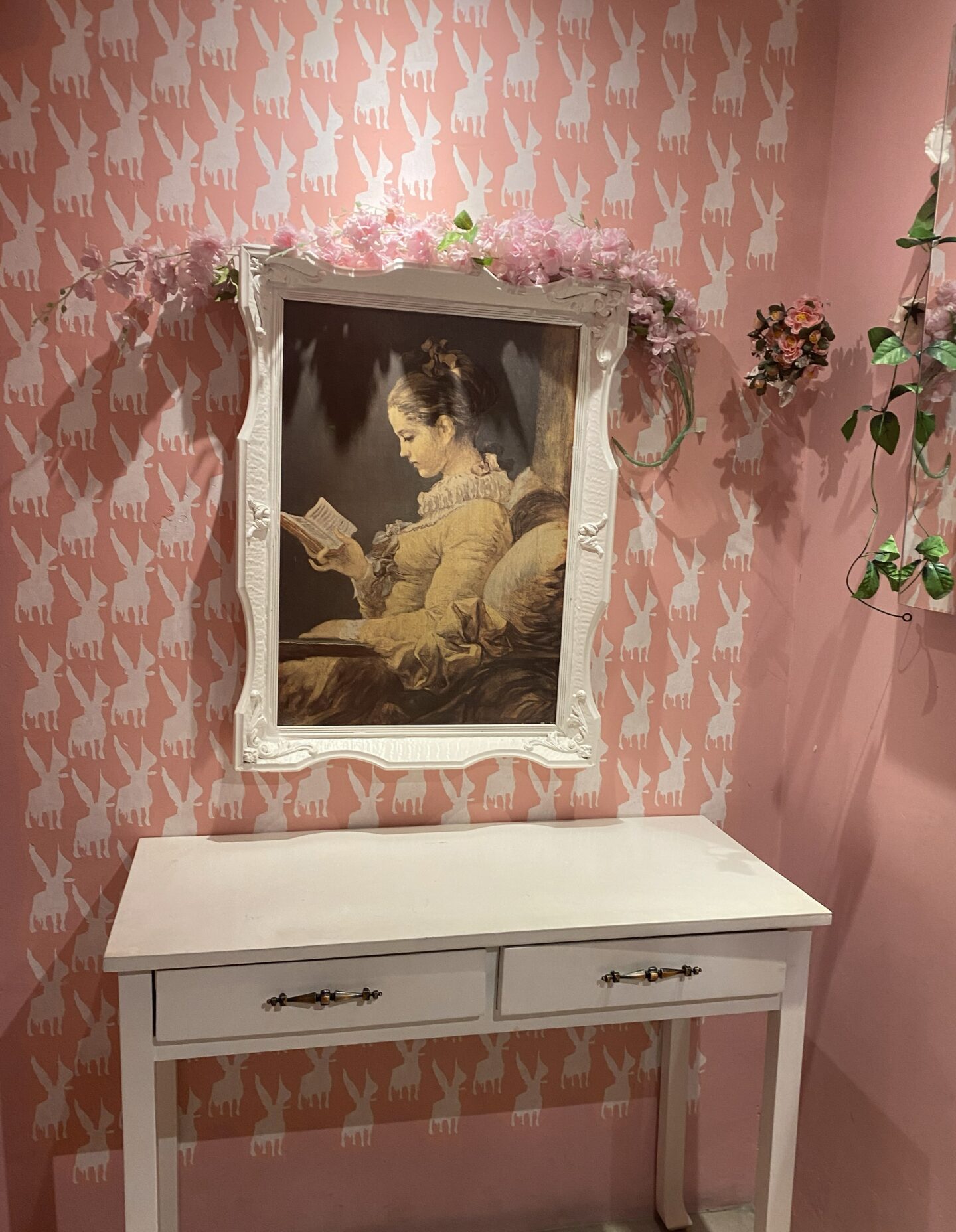
By the third day, a sense of familiarity begins to set in. This is the day to deepen your understanding of the city’s identity and to foster small moments of genuine connection.
Morning: The Santandereano Spirit Bucaramanga is the capital of Santander, a region known for its history of resilience and fierce independence. The people, Santandereanos, have a reputation for being direct, hardworking, and incredibly proud. You won’t find the effusive warmth of the coast here, but you will find a deep-seated integrity and a straightforward kindness. Take some time to read a little about the region’s history. Understanding this context helps you appreciate the character of the people you meet. It’s a pride that isn’t arrogant, but born from a history of strength.
Midday: The Abundance of the Market Visit one of the local markets, like the Mercado Central. This is a vibrant, sensory immersion into the heart of the region’s agricultural abundance. The sheer variety of fruits is astonishing. Allow your curiosity to lead you. Buy something you’ve never seen before. Try the fresh juices—lulo, maracuyá, guanábana. This is where you connect with the land and the nourishment it provides. Eating in Bucaramanga is about simple, fresh, and wholesome food. It’s a reminder of how delicious simplicity can be.
Afternoon: The Practice of Slow Integration Use the afternoon to practise your Spanish in small, meaningful ways. Have a longer conversation with the person who sells you your juice. Ask the owner of a small shop about their day. These are the moments where you begin to feel less like a foreign observer and more like a temporary participant in the life of the city. Each successful interaction, no matter how small, builds a bridge and deepens your sense of belonging.
Evening: Closing the Loop By the evening of the third day, notice the shift in your own being. The initial feeling of being in a new, unknown place has likely been replaced by a sense of grounding. You know your way around your neighbourhood. You have a favourite spot for coffee. You recognise a few faces. This is the quiet magic of slow travel. It’s the moment you realise a place suits you not because of what it offers you to do, but because of how it allows you to be.
Where to Stay in Bucaramanga: Choosing Your Sanctuary
Finding the right place to live is about curating your daily experience. In Bucaramanga, I recommend choosing an area based on the rhythm of life you want to create for yourself.
How to Choose the Right Area For You. Instead of focusing on the “best” neighbourhood, consider these factors:
- Proximity to Parks: Do you want to start each morning with a walk in nature?
- Access to Groceries: Do you prefer to be near a large supermarket or a local market?
- Walkability: Is it important for you to be able to run daily errands on foot?
- Noise Levels: Do you prefer the quiet of a residential street or the gentle hum of a more central area?
Neighbourhoods like Cabecera del Llano are popular for their walkability, cafés, and modern apartment buildings, while other areas offer a quieter, more traditional residential feel.
Airbnb vs. Long-Term Rentals: My advice is to always start with a short-term rental, like an Airbnb, for the first month. This gives you the flexibility to explore different neighbourhoods and find the one that feels right for you before committing to a longer-term lease. When looking for flats, pay attention to building security. Most modern buildings have 24/7 security guards, which provides great peace of mind. As a personal rule, I always avoid ground-floor units for an added layer of security and privacy.
Food & Daily Life in Bucaramanga
To understand a culture, look at what people eat every day. The food in Bucaramanga is not “Instagram food.” It is honest, nourishing, and deeply rooted in tradition.
What People Actually Eat. The menú del día is the cornerstone of daily life. But beyond that, you’ll find a love for hearty soups, rice-based dishes, and of course, the Santandereano arepa—a flatter, denser version made with yellow corn. The food is designed to fuel a day’s work, not to be photographed. It’s real nourishment.
The Ritual of the Afternoon Treat in Bucaramanga has a wonderful sweet culture. In the late afternoon, you’ll see people taking a break for a small dessert. This could be obleas, arroz con leche (rice pudding), or a pastry from a local bakery. It’s a small, daily ritual that punctuates the day with a moment of simple pleasure.
Coffee as Connection Coffee here is less about artisanal brewing methods and more about the social ritual. A tinto is an invitation to pause, to sit with a friend, to close a business deal. It’s about the connection that happens over the coffee, not just the coffee itself. You can sit in a café for an hour with a single small coffee and never feel rushed.
Practical Essentials for Nomads
Money & Currency The currency is the Colombian Peso (COP). While cards are accepted in larger establishments, Colombia is still very much a cash-based society for daily life. It’s wise to always have small bills on hand for taxis, local shops, and markets. A gentle but crucial piece of local wisdom is “no dar papaya“—literally, “don’t give papaya.” It means don’t make yourself an easy target. Don’t flash expensive electronics or large amounts of cash. It’s about moving with awareness and common sense.
Visas & Length of Stay Most nationalities receive a 90-day tourist visa upon arrival, which can typically be extended online for another 90 days, allowing for a stay of up to 180 days per calendar year. Colombia has also introduced a digital nomad visa for those wishing to stay longer, which is a wonderful development.
SIM Cards & Connectivity Getting a local SIM card is easy and highly recommended. Claro and Movistar are the main providers and offer excellent coverage and affordable data plans. This makes it easy to stay connected and use ride-sharing and delivery apps, which are essential for a smooth daily routine.
Get My Data Sim works everywhere I have traveled so far

Healthcare & Safety Bucaramanga has excellent, modern clinics and pharmacies. In terms of safety, the city generally feels much safer than the larger metropolitan centres. However, it’s important not to be naive. My personal rules are simple: I avoid walking alone late at night, I am mindful of my belongings in crowded places, and I trust my intuition.
Culture, Values & How to Move Respectfully
The Santandereano Work Ethic. There is a palpable hustle culture in Bucaramanga, but it’s one born of pride and a desire to provide, not of frantic ambition. People take immense pride in their work, whether they are running a large company or a small street food stall. This is balanced by a deep commitment to family, which remains the central pillar of society.
The Sound of Life. This is not a silent city. Life is lived outdoors and with the windows open. You will hear music, the calls of vendors, and the sounds of families talking and laughing. It’s not noise; it’s the rhythm of a community living its life. Dancing is a natural form of expression, and you’ll find music and movement woven into the fabric of daily life.
Community-First Celebrations Santander has many local festivals and celebrations throughout the year. These are not spectacles designed for tourists; they are deeply rooted community events. If you have the chance to witness one, you’ll be seeing a genuine expression of local culture and pride.
Is Bucaramanga Right for You?
Bucaramanga Is Ideal If You:
- Value affordability and want your money to go further.
- Crave calm and routine over a chaotic social scene.
- Are genuinely interested in learning Spanish and immersing yourself in local culture.
- Prefer the rhythm of daily life to a packed nightlife schedule.
Bucaramanga May Not Be For You If:
- You need a large, ready-made community of expats or nomads.
- You require constant social events and networking opportunities.
- You dislike routine and need constant new stimulation.
Final Reflection: Why I Keep Coming Back
I have a deep and abiding love for many places in Colombia, but Bucaramanga holds a unique space in my heart. It is, quite simply, my favourite city in the country. It came into my life during a season when I needed stability more than I needed adventure, space more than I needed spectacle. It offered me a place to land, to breathe, and to reconnect with myself.
It’s a city that supports a life of intention. Its affordability reduces stress, its parks encourage movement and reflection, and its authentic, lived-in culture fosters a sense of genuine connection. It is a city that doesn’t demand anything from you. It simply provides a safe, comfortable, and beautiful container in which to live, work, and grow.
Travel is not always about escaping; sometimes, it’s about finding a place where you can more fully become yourself. And for me, Bucaramanga will always be that place. Sometimes, the most meaningful places don’t ask you to look at them—they ask you to live inside them.
Other Santander Guides:
San Gil, Colombia: The Roaring Heart of Adventure
Bucaramanga Travel Guide: My Favourite City In Colombia
Barichara, Colombia: Is This Really the Most Beautiful Town in Colombia?
Are You Planning Your Next Trip? Here’s What I Use
These are the tools I rely on to make every trip smoother, safer, and more meaningful. If you use the links below, I may earn a small commission at no extra cost to you. Thank you for supporting this blog and my journey as a full-time traveller 💜
1. Learn the Local Language
I use Babbel to practice Spanish, French, and Portuguese while travelling. The app makes it so easy to learn useful phrases on the go.
2. Travel Insurance is a Must
I never leave home without SafetyWing. They’re affordable and ideal for frequent travellers or digital nomads.
3. Book Your Tours & Experiences
For unique local tours and must-see experiences, I use:
→ Viator
→ Get Your Guide
4. Always Stay Connected
No matter where I go, Keepgo helps me stay connected with international data SIMs and eSIMs that actually work. A lifesaver when Wi-Fi fails!
5. Organise Your Itinerary
I use Tripsy to plan and store my itineraries, documents, and bookings in one clean app. It’s perfect for keeping track of everything in one place.
Until next time, travel softly,
Destiny

