The Caribbean Community, or CARICOM, is more than a political alliance or an economic bloc. It is a shared and ongoing experiment in unity, a quiet promise whispered across a turquoise sea, connecting fifteen distinct nations in a tapestry of shared history and collective hope. For many of us who call this region home, the name CARICOM is familiar, a word heard in passing or seen on official documents, yet its true meaning, the vibrant constellation of countries it represents, often remains just beyond our grasp.
This is not a guide about policy. It is a guide about people and places. It is a gentle introduction for the intentional traveller who seeks to understand the soul of the Caribbean beyond its sun-drenched shores. It is also a re-introduction for us, the people of the Caribbean, a chance to meet our neighbours anew and to appreciate the incredible diversity that flourishes within our shared community.
The fifteen member states of CARICOM are not a monolith. They are a family of nations connected by the currents of history, but each with its own unique rhythm, its own distinct dialect, its own story to tell. From the continental plains of South America to the scattered jewels of the Lesser Antilles, this community is a testament to the idea that unity does not require sameness.
By the end of this journey, you will have a clearer, more human understanding of the countries that form our Caribbean Community. You will have a cultural context that goes deeper than a postcard, and hopefully, you will feel a renewed confidence to explore this beautiful, complex, and deeply interconnected region with the intention and respect it deserves.
Contents
- 0.1 The CARICOM Map: A Visual Journey
- 0.2 The 15 CARICOM Member States: A Traveller’s Introduction
- 0.2.1 1. Antigua and Barbuda
- 0.2.2 2. The Bahamas
- 0.2.3 3. Barbados
- 0.2.4 4. Belize
- 0.2.5 5. Dominica
- 0.2.6 6. Grenada
- 0.2.7 7. Guyana
- 0.2.8 8. Haiti
- 0.2.9 9. Jamaica
- 0.2.10 10. Montserrat
- 0.2.11 11. Saint Kitts and Nevis
- 0.2.12 12. Saint Lucia
- 0.2.13 13. Saint Vincent and the Grenadines
- 0.2.14 14. Suriname
- 0.2.15 15. Trinidad and Tobago
- 0.3 Why Knowing the CARICOM Countries Matters
- 1 Are You Planning Your Next Trip? Here’s What I Use
- 2 Check Out Other Guides
The CARICOM Map: A Visual Journey
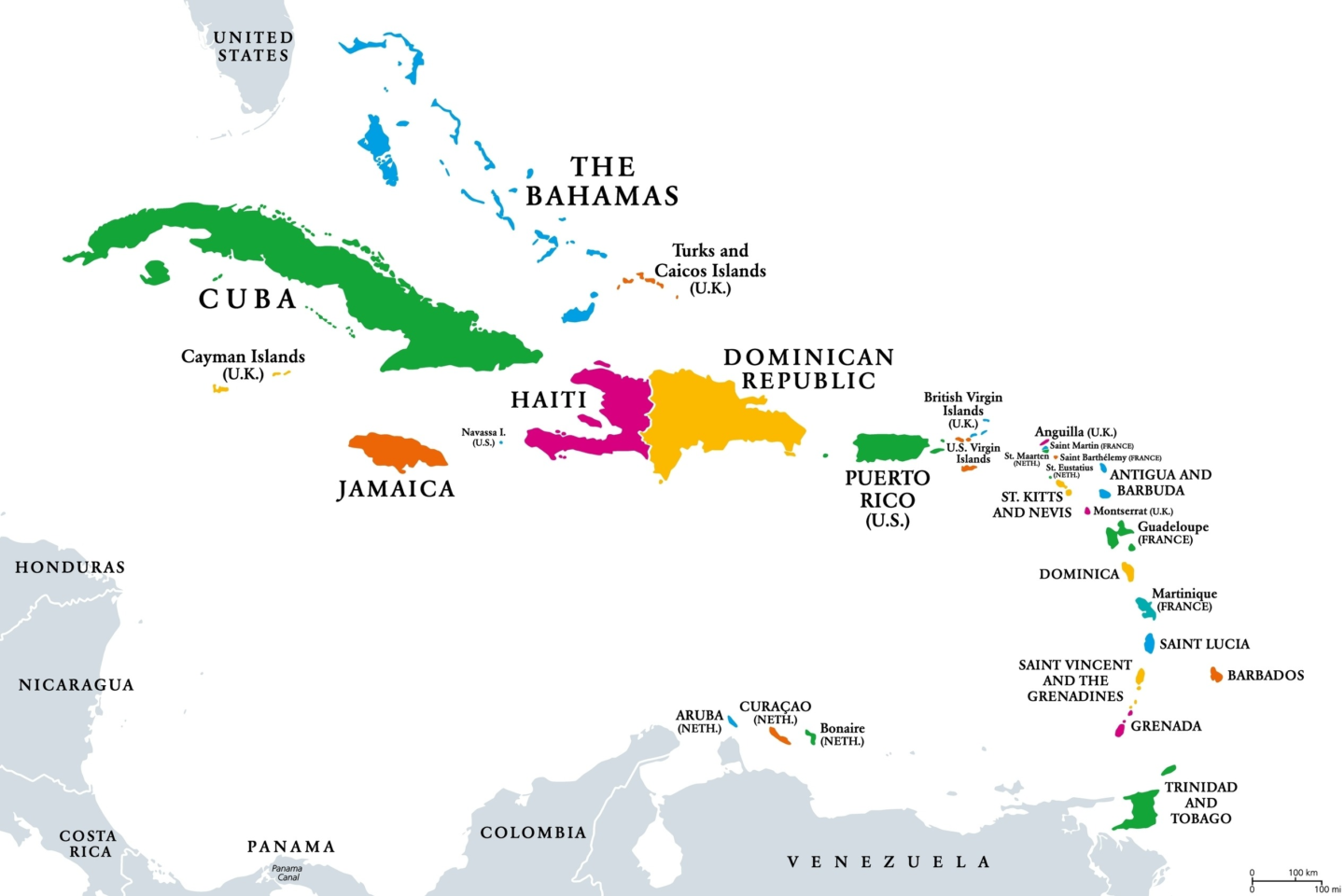
CARICOM spans from the archipelago of The Bahamas in the north to the continental nations of Guyana and Suriname in the south a powerful reminder that the Caribbean is more expansive, diverse, and interconnected than many realize.
The 15 CARICOM Member States: A Traveller’s Introduction
To travel through the CARICOM nations is to witness a beautiful paradox: a profound sense of shared identity existing alongside a fierce and proud individuality. Each member state is a world unto itself, a unique expression of Caribbean life.
1. Antigua and Barbuda
- Capital: St. John’s
- Language: English
- Currency: Eastern Caribbean Dollar (XCD)
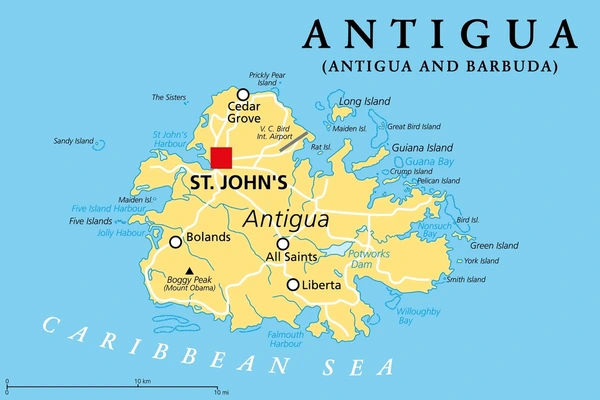
Antigua and Barbuda is a nation whose soul is tied to the sea. Its identity is shaped by the rhythm of the tides, the art of sailing, and a history of resilience rooted in its emancipation story. The culture here is one of open-air living, where the famous 365 beaches are not just for tourists, but are the backdrop of daily life. The energy of its vibrant Carnival and the quiet pride in its Afro-Caribbean heritage create a place that feels both deeply relaxed and culturally rich.
2. The Bahamas
- Capital: Nassau
- Language: English
- Currency: Bahamian Dollar (BSD)
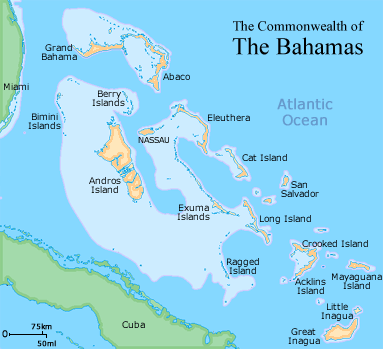
An archipelago of over 700 islands and cays, The Bahamas is a nation defined by its proximity to the United States, yet fiercely protective of its unique Caribbean identity. This is a place where storytelling comes alive in the explosive, joyful chaos of its Junkanoo festivals, a powerful celebration of freedom and cultural memory. The Bahamian spirit is a blend of sophisticated island living and a deep, spiritual connection to the traditions of its West African ancestors.
3. Barbados
- Capital: Bridgetown
- Language: English (and the lyrical Bajan dialect)
- Currency: Barbadian Dollar (BBD)
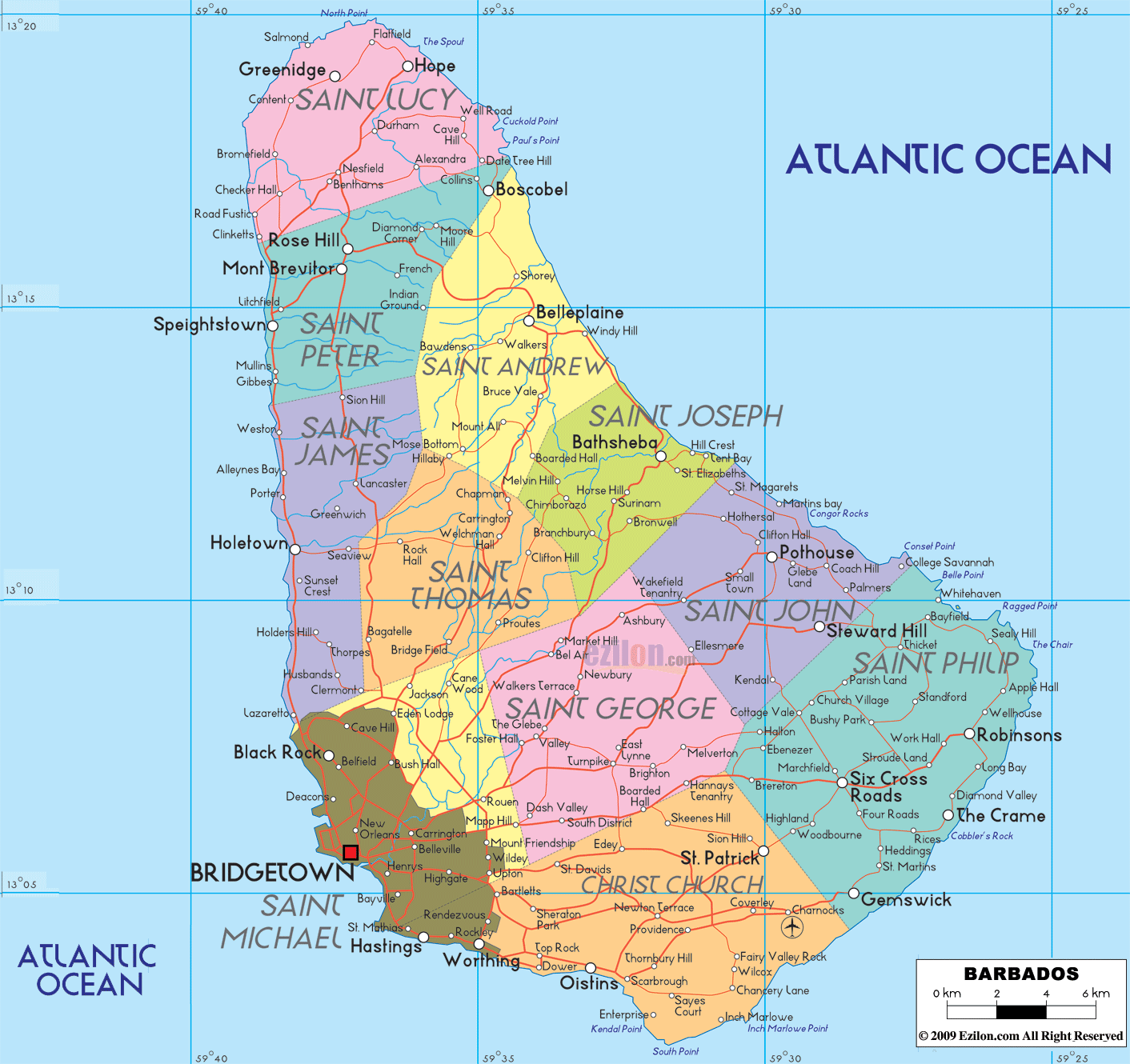
Barbados carries itself with a quiet confidence, an island of rolling hills and coral stone that has long been an intellectual and political heavyweight in the region. It is home to one of the oldest parliamentary democracies in the hemisphere and a strong literary tradition that has shaped Caribbean thought. The culture is a sophisticated blend of order and celebration, where the discipline of cricket meets the joyful abandon of the Crop Over Festival, the sweet culmination of the sugar cane harvest.
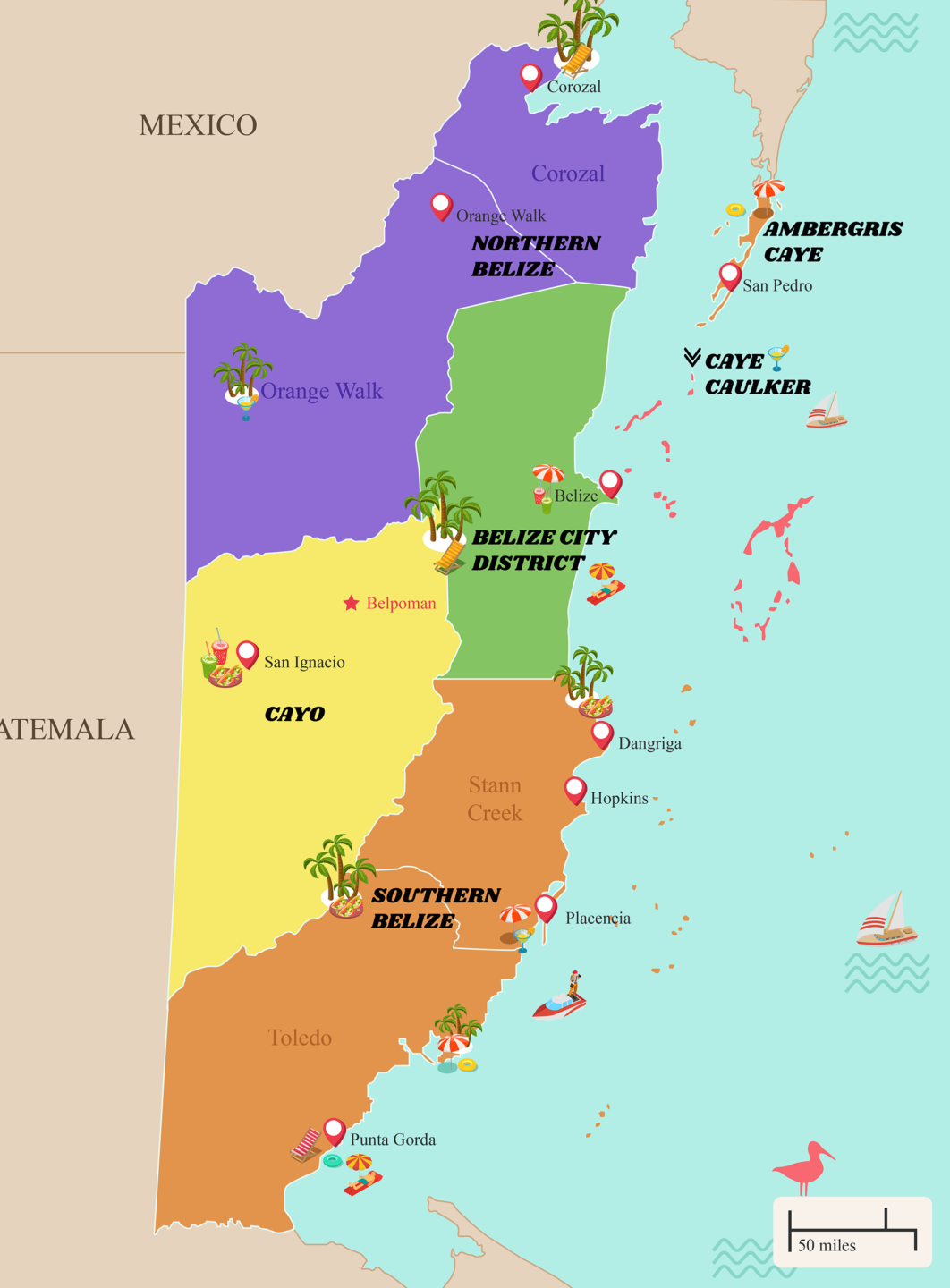
4. Belize
- Capital: Belmopan
- Language: English, Kriol, Spanish, Mayan languages
- Currency: Belize Dollar (BZD)
Belize is the bridge between two worlds, a nation where the Caribbean Sea meets the jungles of Central America. Its identity is a rare and beautiful tapestry woven from many threads: the ancient wisdom of its Mayan heritage, the soulful resilience of its Garifuna culture, and the laid-back rhythm of its Creole communities. To be in Belize is to feel the pulse of multiple histories at once, a place where the beat of the drum is as important as the whispers of the ancient stones.
5. Dominica
- Capital: Roseau
- Language: English, Dominican Creole French
- Currency: Eastern Caribbean Dollar (XCD)
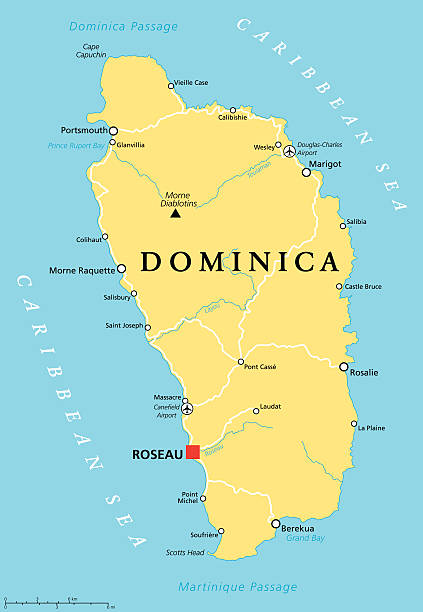
Known as the “Nature Isle,” Dominica is a land of raw, untamed beauty, a place where life is lived in deep conversation with the natural world. Its culture is shaped by its volcanic peaks, its 365 rivers, and its dense, emerald rainforests. It is one of the few places in the Caribbean with a remaining pre-Columbian Indigenous population, the Kalinago people, whose heritage is a vital part of the island’s soul. The rhythm of life here is slower, more intentional, and deeply connected to the Creole music and storytelling traditions that echo through its valleys.
6. Grenada
- Capital: St. George’s
- Language: English
- Currency: Eastern Caribbean Dollar (XCD)
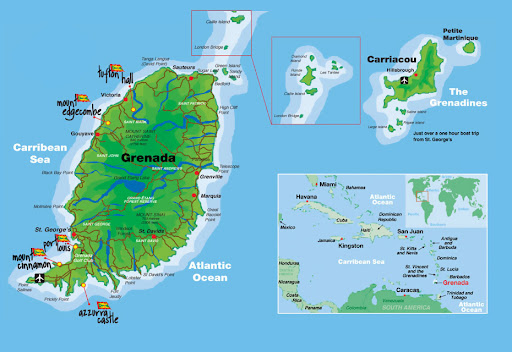
The “Isle of Spice,” Grenada, is a nation where the very air is fragrant with nutmeg, cinnamon, and cloves. Its culture is grounded in a strong sense of community-focused village life, where traditions are passed down from generation to generation. But beneath the gentle, aromatic surface lies a history of profound revolutionary struggle and resilience. The Grenadian spirit is a powerful blend of warmth, pride, and a deep understanding of the importance of social justice and self-determination.
7. Guyana
- Capital: Georgetown
- Language: English, Guyanese Creole
- Currency: Guyanese Dollar (GYD)
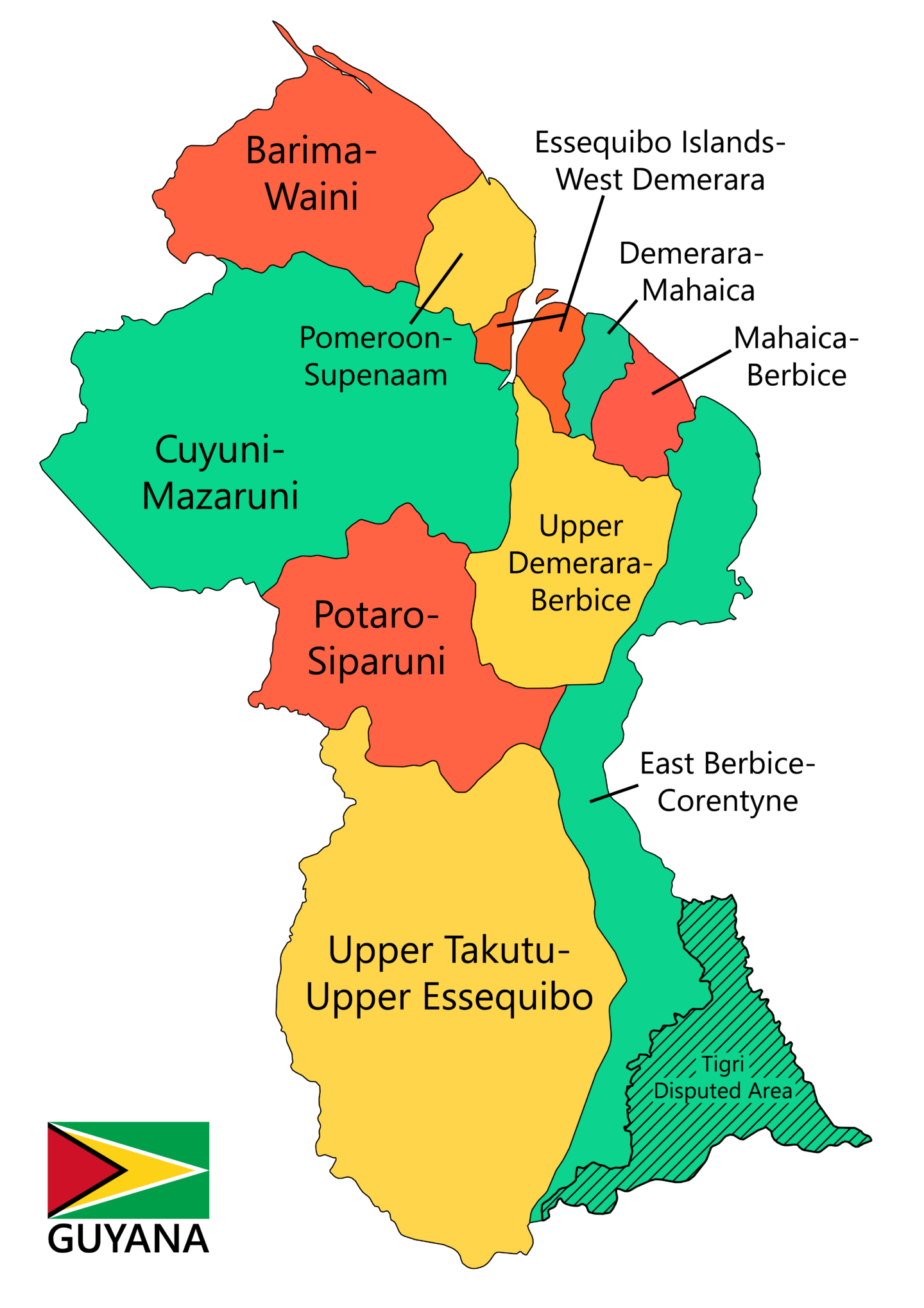
A continental nation on the shoulder of South America, Guyana is a land of immense scale and staggering natural beauty. Its identity is shaped by its vast interior rainforests, the majestic Kaieteur Falls, and a rich, complex cultural tapestry. The strong influence of Indo-Caribbean culture, a legacy of indenture, is woven deeply into the nation’s food, music, and religious life, creating a society that is one of the most multicultural in the region. Its traditions are tied to the land, to the agricultural rhythms of sugar and rice, and to the stories of its many peoples.
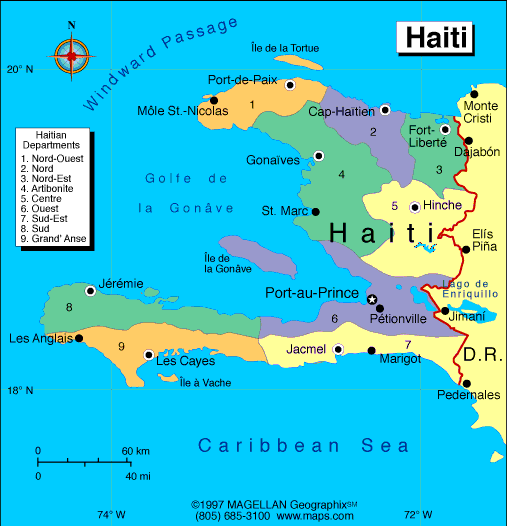
8. Haiti
- Capital: Port-au-Prince
- Language: Haitian Creole, French
- Currency: Haitian Gourde (HTG)
Haiti is the revolutionary heart of the Caribbean, the world’s first Black republic, and a nation of unbreakable spirit and profound artistic soul. To understand Haiti is to look beyond the headlines and see a culture of immense depth, creativity, and resilience. Its identity is forged in the fires of its revolutionary history, expressed through its vibrant painting, its powerful Vodou spirituality, and its deep literary and philosophical traditions. Haiti is a testament to the enduring power of the human spirit to create beauty in the face of adversity.
9. Jamaica
- Capital: Kingston
- Language: English, Jamaican Patois
- Currency: Jamaican Dollar (JMD)
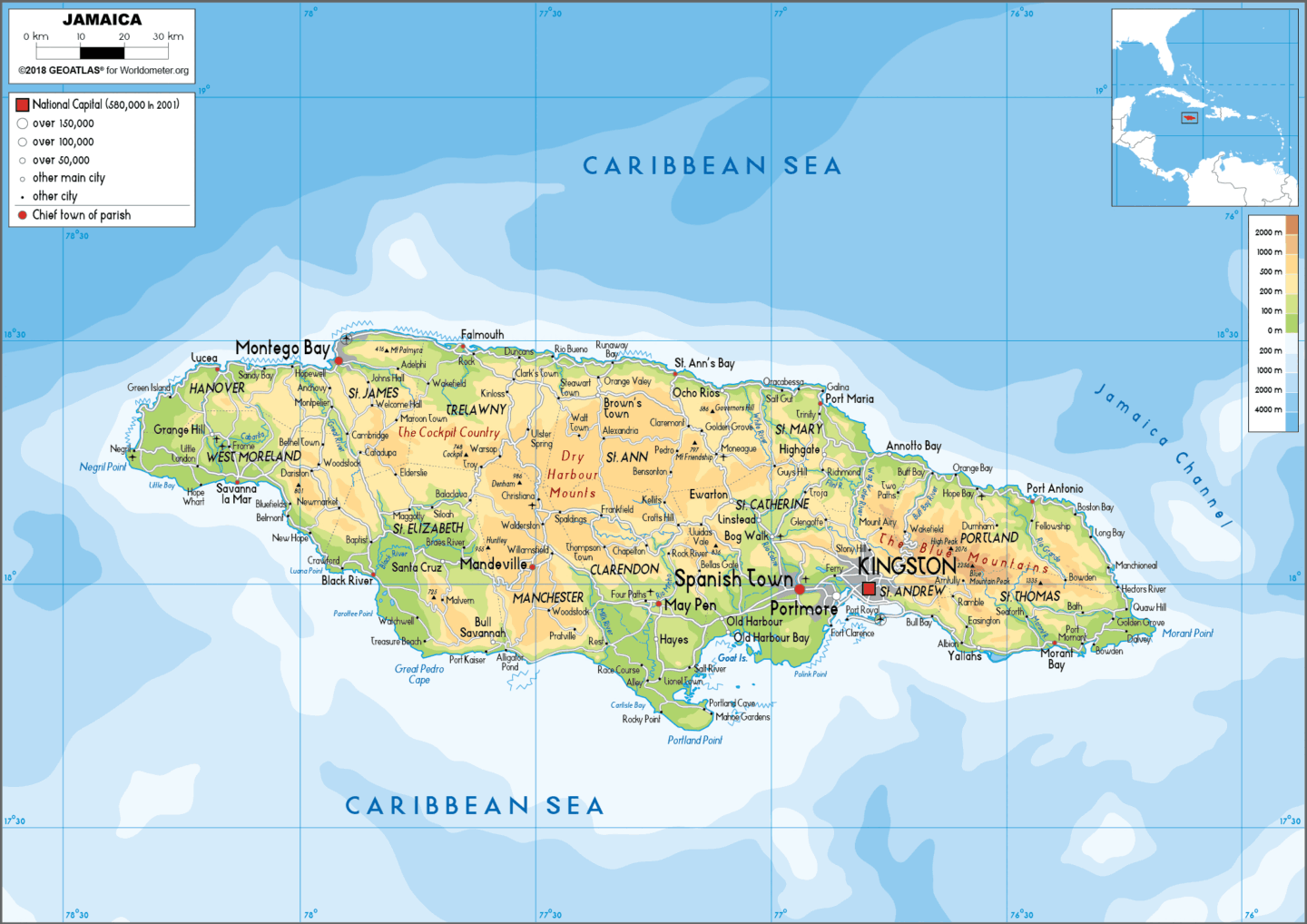
Jamaica is a cultural superpower, an island whose influence in music, sport, and thought is felt in every corner of the globe. The home of reggae, dancehall, and Rastafari, its identity is one of intellectual rebellion, spiritual seeking, and unapologetic confidence. The culture is rooted in a deep history of resistance and a powerful oral storytelling tradition that finds expression in its music and its rich, poetic Patois. The strong connections to its global diaspora mean that the pulse of Jamaica is felt far beyond its shores.
10. Montserrat
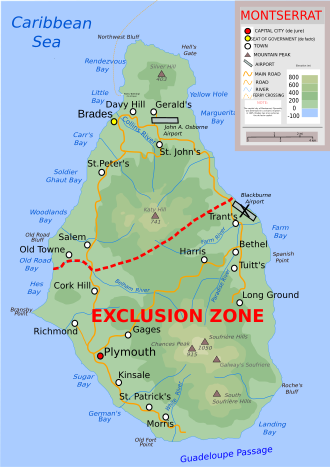
- Capital: Brades (de facto)
- Language: English
- Currency: Eastern Caribbean Dollar (XCD)
The “Emerald Isle of the Caribbean,” Montserrat, is a nation whose modern story is one of profound resilience in the face of natural disaster. The eruptions of the Soufrière Hills volcano in the 1990s reshaped the island’s geography and its destiny. Today, the culture is intimate and community-led, a testament to the strength of a people who have rebuilt their lives in the shadow of a volcano. Its unique Irish-Caribbean heritage, a legacy of early settlers, adds another fascinating layer to its identity.
11. Saint Kitts and Nevis
- Capital: Basseterre
- Language: English
- Currency: Eastern Caribbean Dollar (XCD)
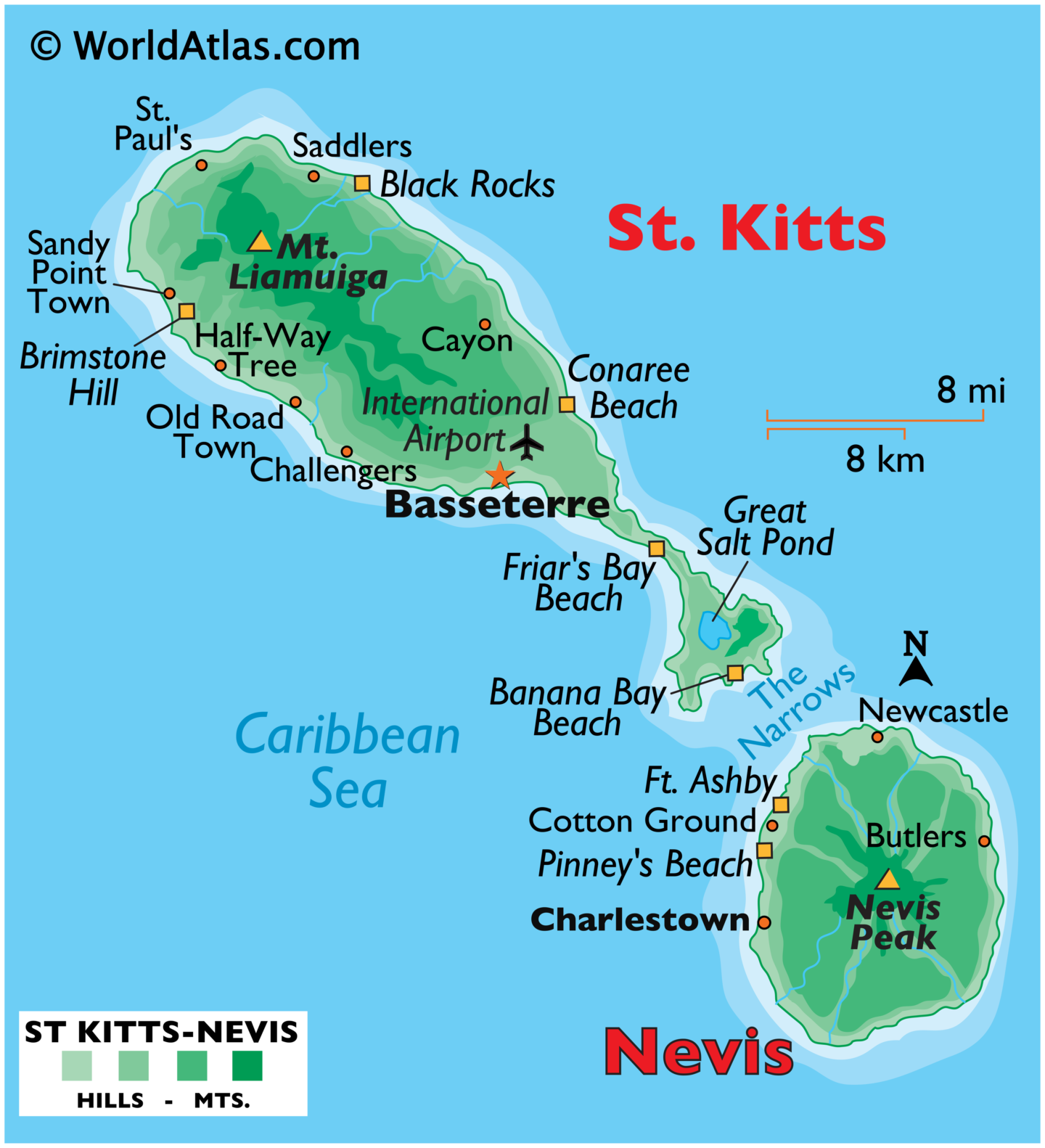
A twin-island federation, Saint Kitts and Nevis, is a nation where the legacy of the sugar plantation economy is deeply etched into the landscape and the culture. The history of this once-dominant industry is a constant presence, from the restored plantation inns to the scenic railway that once transported cane. The culture is a vibrant mix of history and celebration, with unique masquerade traditions and a strong sense of a shared federal identity that binds the two islands together.
12. Saint Lucia
- Capital: Castries
- Language: English, Saint Lucian Creole French (Kwéyòl)
- Currency: Eastern Caribbean Dollar (XCD)
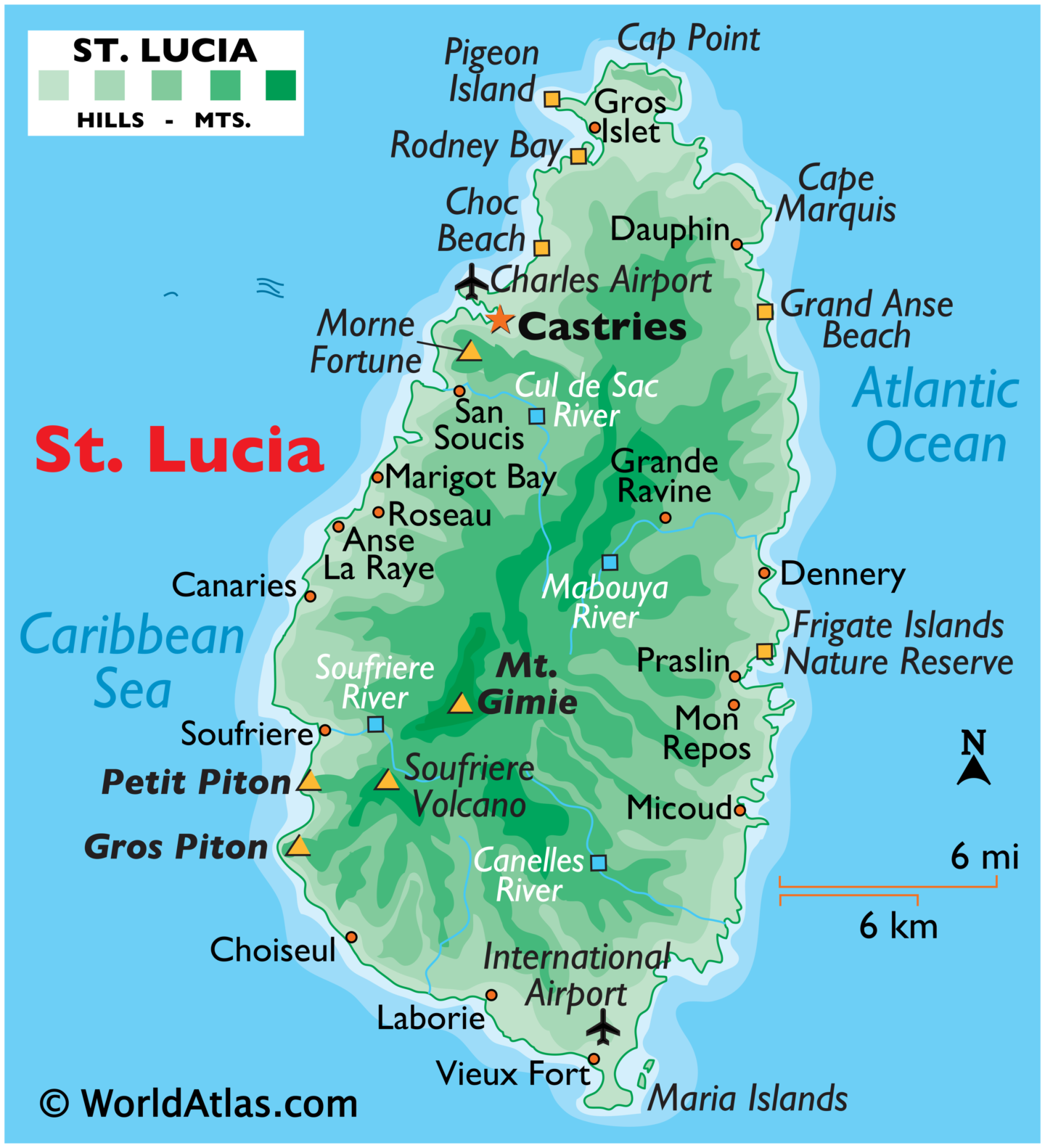
An island of breathtaking, dramatic beauty, Saint Lucia’s identity is visually defined by the twin volcanic peaks of the Pitons. Its culture is a rich and fascinating blend of its French and British colonial past, a duality that is most alive in its vibrant Kwéyòl language and its community-based festivals. It is also an island with a profound literary legacy, being the birthplace of two Nobel laureates, Sir Arthur Lewis and Derek Walcott, a testament to the intellectual depth that flourishes alongside its natural splendour.
13. Saint Vincent and the Grenadines
- Capital: Kingstown
- Language: English, Vincentian Creole
- Currency: Eastern Caribbean Dollar (XCD)
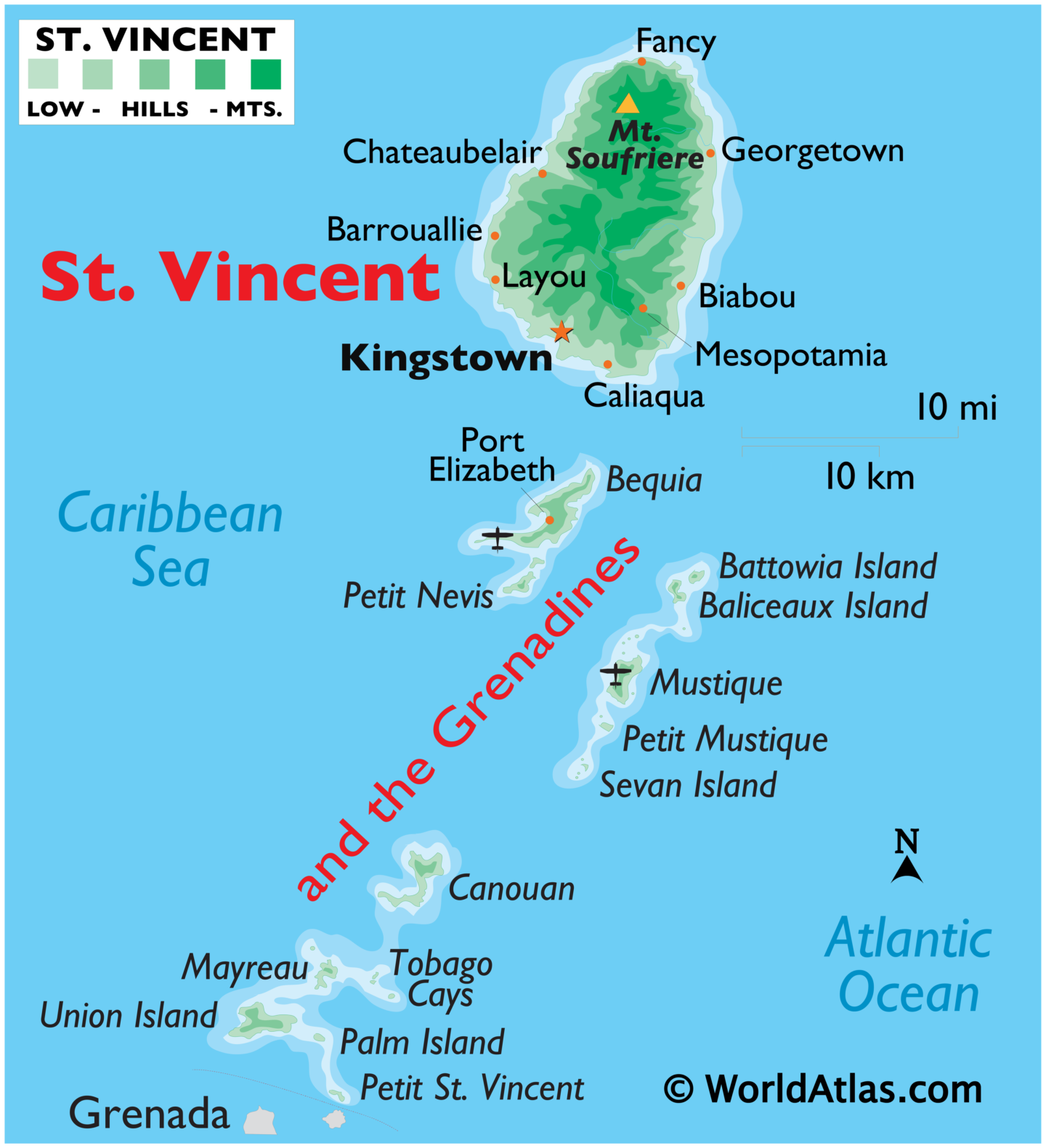
A stunning chain of 32 islands and cays, Saint Vincent and the Grenadines is a nation whose culture is inextricably linked to the sea. It is a sailor’s paradise, and this maritime tradition shapes the rhythm of daily life. The nation’s identity is also deeply connected to its Garifuna heritage, the story of a resilient people who resisted colonisation. The culture is grounded in strong village networks and a sense of community that feels as intimate and interconnected as the islands themselves.
14. Suriname
- Capital: Paramaribo
- Language: Dutch, Sranan Tongo, and many others
- Currency: Surinamese Dollar (SRD)
Suriname is one of the most ethnically and culturally diverse countries in the world, a place where the cultures of Africa, Asia, Europe, and the Americas meet and mingle on the coast of South America. Its identity is a beautiful mosaic of traditions, where Hindu temples, Muslim mosques, and Christian churches coexist peacefully. The official language is Dutch, but the lingua franca is Sranan Tongo, a Creole language that embodies the nation’s unique history. The Afro-Surinamese traditions of the Maroon communities, who escaped slavery and formed their own societies in the interior, are a powerful testament to the spirit of resistance and cultural preservation.
15. Trinidad and Tobago
- Capital: Port of Spain
- Language: English
- Currency: Trinidad and Tobago Dollar (TTD)
The high-energy, cosmopolitan heart of the southern Caribbean, Trinidad and Tobago, is a nation that has given the world the steelpan, the only acoustic instrument invented in the 20th century, as well as the vibrant musical traditions of calypso and soca. Its identity is defined by the explosive, creative, and cathartic energy of its world-famous Carnival. A strong Indo-Caribbean influence shapes its food, festivals, and politics, creating a dynamic and often wonderfully chaotic cultural landscape. It has long been a political and cultural leader in the region, a place of constant innovation and conversation.
Why Knowing the CARICOM Countries Matters
To know the names, capitals, and currencies of these fifteen nations is one thing. To begin to understand the stories, the rhythms, and the identities behind those names is another entirely. This knowledge is not trivial; it is transformative. It deepens our understanding of what it means to be Caribbean and enriches the way we travel through our own region.
CARICOM is not about sameness; it is about connection without erasure. It is the radical idea that fifteen unique stories can come together to form a single, powerful narrative. By taking the time to learn about our neighbours, we move beyond the surface. We begin to see the threads that connect a festival in Nassau to a revolutionary story in Grenada, a literary tradition in Saint Lucia to a musical innovation in Trinidad.
This is an invitation to explore. It is an invitation to travel to our neighbouring islands not as a stranger, but as a member of the family, coming to learn and to listen. It is an invitation to understand how your own passport, your own citizenship, fits into this wider, more beautiful Caribbean story. This is just the beginning.
Are You Planning Your Next Trip? Here’s What I Use
These are the tools I rely on to make every trip smoother, safer, and more meaningful. If you use the links below, I may earn a small commission at no extra cost to you. Thank you for supporting this blog and my journey as a full-time traveller 💜
1. Learn the Local Language
I use Babbel to practice Spanish, French, and Portuguese while travelling. The app makes it so easy to learn useful phrases on the go.
2. Travel Insurance is a Must
I never leave home without SafetyWing they’re affordable and ideal for frequent travellers or digital nomads.
3. Book Your Tours & Experiences
For unique local tours and must-see experiences, I use:
→ Viator
→ Get Your Guide
4. Always Stay Connected
No matter where I go, Keepgo helps me stay connected with international data SIMs and eSIMs that actually work. A lifesaver when Wi-Fi fails!
5. Organise Your Itinerary
I use Tripsy to plan and store my itineraries, documents, and bookings in one clean app. It’s perfect for keeping track of everything in one place.
Until next time, travel softly,
Destiny 💜
Check Out Other Guides
Essential Guide to Passports and Visas for Jamaicans: Where You Can Go and What You Need
Discovering Barbados: A Journey of Adventure and Relaxation
We Shall Rise Again: A Story of Jamaica After Hurricane Melissa
The Ultimate Guide to the CARICOM Community for Travellers
