The Complete Guide to Miraflores, Lima: Where to Stay, Eat, Walk, and Watch the World Go By
I want to tell you about a neighbourhood that I was not expecting to love.
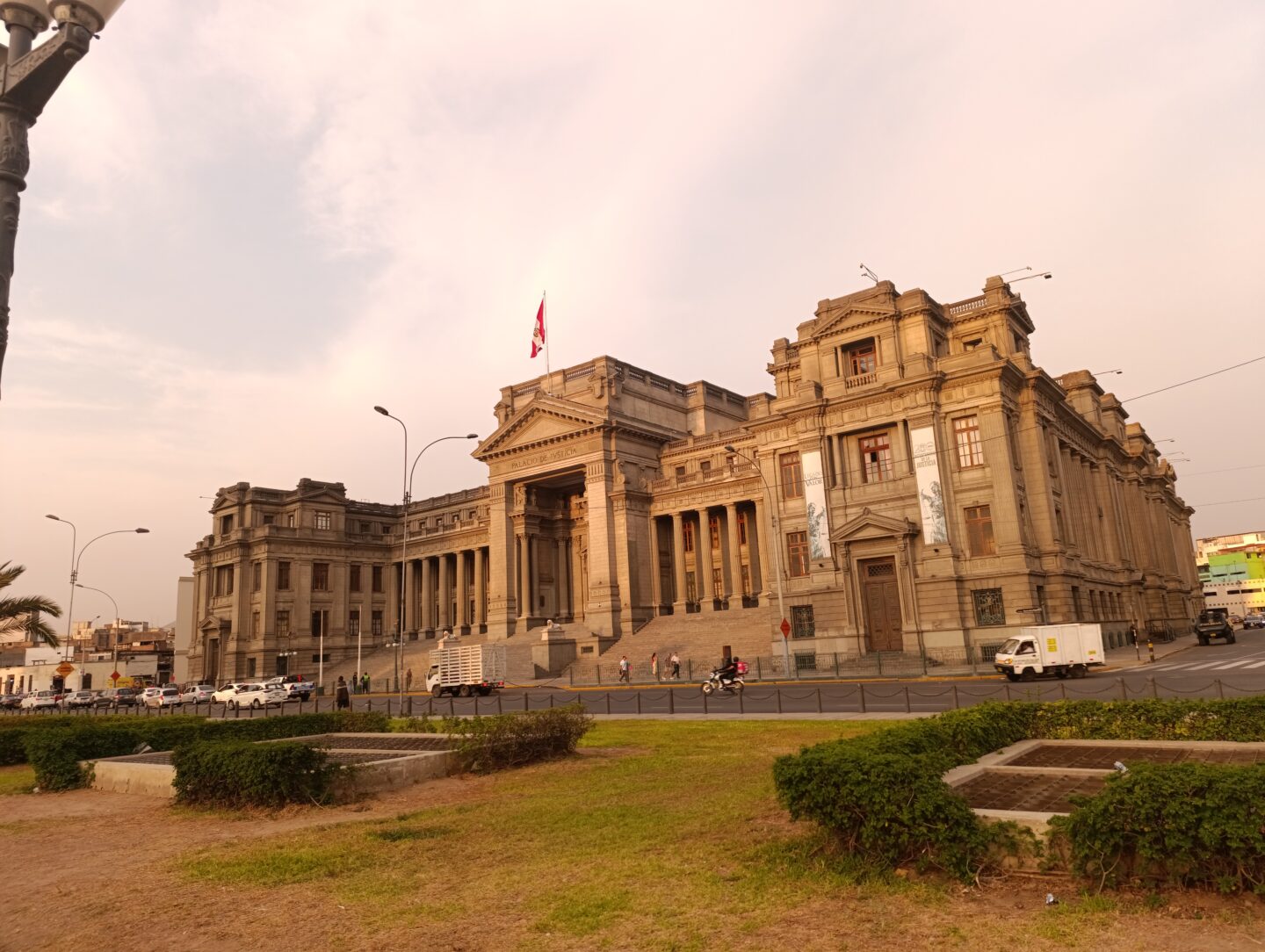
I had been warned about Lima in the way that some cities get warned about the traffic, the grey coastal sky that sits over the city for months at a time during what passes for winter, the particular chaos of a capital that never fully slows down. I arrived prepared to tolerate Lima on my way to the places I had actually planned to fall in love with: Cusco, the Sacred Valley, Machu Picchu, and Rainbow Mountain.
What I was not prepared for was Miraflores.
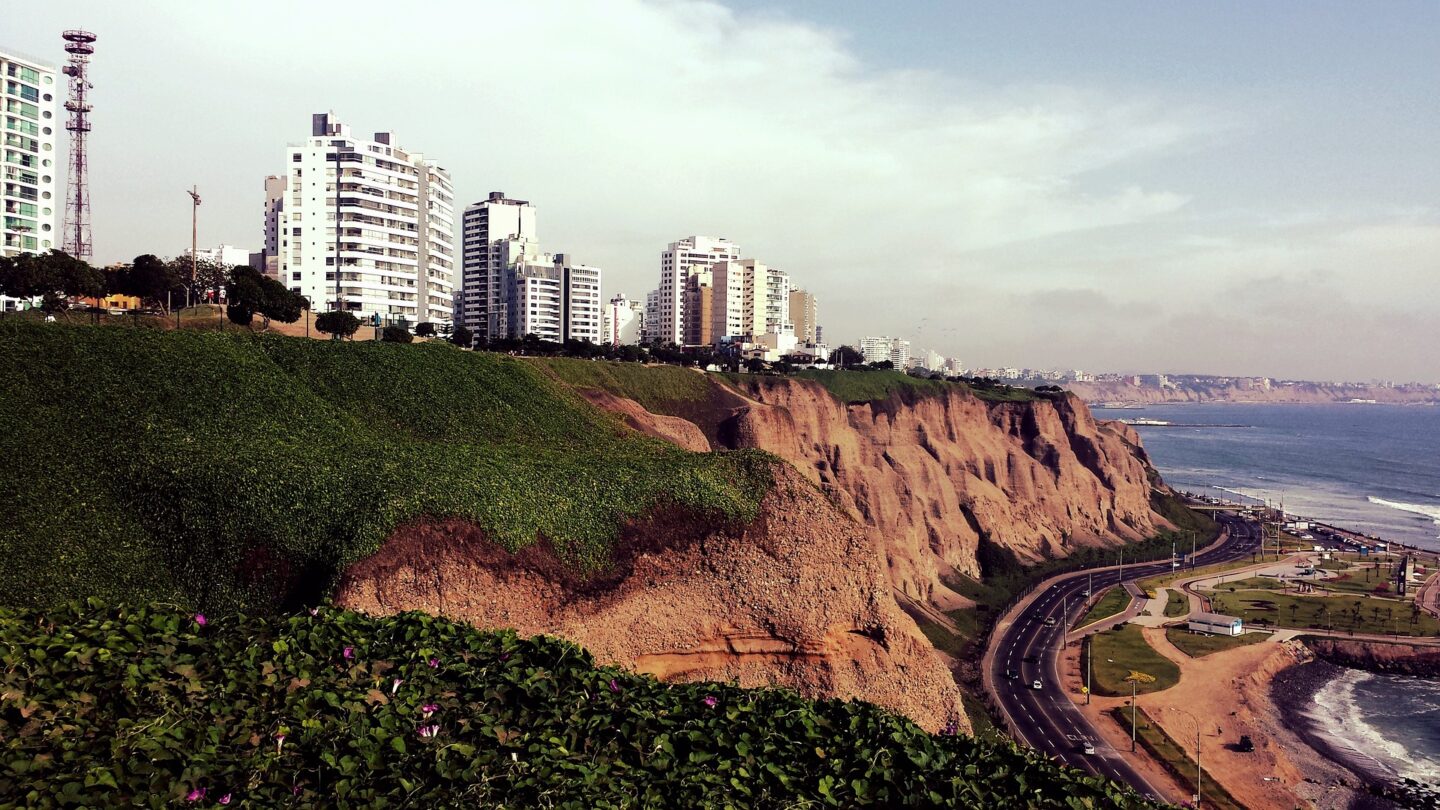
Miraflores sits on the cliffs above the Pacific Ocean on Lima’s western edge, and it is the kind of neighbourhood that surprises you slowly. The first morning I walked out of my Airbnb and turned toward the sea, I understood immediately why people come here for a long weekend and extend their stay by a week. The clifftop walkways stretch for kilometres in both directions. The parks are genuinely beautiful, not just pleasant, but beautiful in the way that stops you mid-step. The food is extraordinary. The people are warm in that effortless way of people who are comfortable in their city and largely unbothered by the fact that the tourists have arrived.
I am a Jamaican woman who has spent years living in and moving between countries. I have opinions about coastlines. The Pacific at Miraflores is not the Caribbean; the water is colder, the colour is a darker, more serious blue, and there is a weight to the horizon that feels different from the light, playful sea I grew up beside. But it is magnificent in its own way, and the cliffs that frame it give the neighbourhood a drama that I did not expect from a city district.
This guide is everything I wish I had known before I arrived. Where to stay, what to eat, which parks to linger in, when to be at the clifftop to catch the sunset, and what to do in the hours when you simply want to walk without a plan. Miraflores is a neighbourhood that rewards both the person with a full itinerary and the one who is content to see what the day brings. I have been both, and it rewarded me both times.
Contents
- 1 Understanding Miraflores: What Kind of Place Is This?
- 2 Getting to and Around Miraflores
- 3 Where to Stay in Miraflores
- 4 The Malecón: Six Kilometres of the Best Walking in Lima
- 5 The Sites of Miraflores: What to See and Where to Go
- 6 Food and Drink in Miraflores: Eat Everything at Least Once
- 7 Barranco: The Neighbourhood That Earns Its Own Section
- 8 The Local Friend: What Happens When You Slow Down
- 9 Day Trips from Miraflores: Getting Out of the Neighbourhood
- 10 Practical Information: Everything You Need
- 11 A Sample Three-Day Miraflores Itinerary
- 12 Frequently Asked Questions
- 13 Are You Planning Your Next Trip? Here’s What I Use
- 14 Ready to plan your tripwith intention?
Understanding Miraflores: What Kind of Place Is This?
Miraflores is one of Lima’s forty-three districts, but to call it simply a district is to understate what it feels like to be there. It functions more like a city within a city, self-contained, walkable, polished, with its own distinct rhythm that is noticeably different from the chaos of the wider capital.
It is, unambiguously, a tourist neighbourhood. This is not a criticism; it is useful information. The hotels here range from international chains to charming boutique properties. The restaurants have menus in English alongside Spanish. The streets are clean and well-lit, the pavements are maintained, and there is a security presence that makes walking alone, even in the evening, feel comfortable in a way that is not universally true across Lima.
It is also genuinely residential. The apartment buildings that rise above the restaurants and coffee shops are full of Lima’s professional class. The morning markets and the bakeries that open before seven are not performing for visitors; they are serving the people who live here. This dual nature is part of what makes Miraflores feel real rather than manufactured. You are in a tourist hub, yes. You are also in a neighbourhood where people go to work, walk their dogs, argue with their neighbours about parking, and live ordinary lives at the edge of an extraordinary landscape.
The district sits at the top of cliffs that drop between fifty and eighty metres to the Costa Verde below a strip of beaches and surf breaks that runs along the base of the bluffs. The clifftop walkways, collectively known as the Malecón, run along the edge of these cliffs for approximately six kilometres, connecting a series of parks, viewpoints, and gardens. Walking the Malecón is not an optional extra in Miraflores. It is the whole point.
Miraflores taught me something I thought I already knew: that a city can have a neighbourhood so different in character from the whole that it feels like a separate country. Lima is loud and dense and relentless. Miraflores is something else polished, coastal, and inexplicably calm.
Getting to and Around Miraflores
Lima’s Jorge Chávez International Airport is located in the Callao district, approximately fifteen to twenty kilometres from Miraflores. The journey takes between thirty and sixty minutes, depending on traffic, and Lima’s traffic is something you should factor into every plan you make in this city. It is not a joke. It is a genuine logistical consideration.
From the airport
Pre-arrange your transfer. I cannot say this clearly enough. Do not walk out of arrivals and accept a ride from the first person who approaches you with a laminated sign and an enthusiastic smile. Use a reputable transfer service arranged through your accommodation, or use Uber, which operates at the airport and gives you the comfort of a fixed price before you get into the vehicle.
Taxis at Lima’s airport work on a zone system. There are official airport taxi booths inside the terminal where you pay upfront and receive a voucher. The standard fare to Miraflores from this system runs between sixty and eighty Peruvian soles. It is worth paying the airport rate for the first journey simply to avoid the negotiation and the uncertainty of an unlicensed driver.
Getting around within Miraflores
The honest answer is that you will walk most places, because Miraflores is genuinely one of the most walkable urban districts I have experienced in South America. The main attractions the Malecón, Parque Kennedy, the Larcomar mall, and the Huaca Pucllana ruins, are all within comfortable walking distance of the neighbourhood’s central area. If you are staying near Parque Kennedy, you are within twenty minutes of almost everything that matters.
For longer journeys to the historical centre, to Barranco, to San Isidro, Uber is reliable, inexpensive by European and North American standards, and available within minutes at almost any hour. The app works exactly as you would expect. InDriver operates as well and sometimes offers lower fares on the same routes.
The Metropolitan bus and the Metropolitano rapid transit system connect Miraflores to other parts of the city. The Metropolitano is efficient for reaching the historical centre take it northbound from the Ricardo Palma or Benavides stops. For a visitor spending a week in Miraflores, Uber and walking will cover the overwhelming majority of journeys. Public transport is useful to know about, but not essential.
Where to Stay in Miraflores
Miraflores has more accommodation options per square kilometre than almost any other neighbourhood in Lima, which is both a blessing and a source of genuine decision fatigue. Let me simplify it.
The single most important factor is location within the district. Miraflores is not large, but there is a meaningful difference between staying close to the Malecón and the clifftop parks, where you can walk to the sunset in ten minutes, and the best restaurants are within a block and staying in the southern or eastern edges of the district, which are quieter but require a taxi for most things.
I stayed in an Airbnb in what felt like the heart of the neighbourhood, within walking distance of Parque Kennedy and the Malecón, and this was the right decision. Being able to step outside at six in the morning and walk to the cliff edge to watch the light change over the Pacific, before the city had fully woken up, was one of the small pleasures that accumulated into a very good stay.
Luxury Miraflores Park, A Belmond Hotel
If you are celebrating something, or if you simply want the finest version of a Lima hotel experience, the Miraflores Park Belmond is the answer. It occupies a prime clifftop position with panoramic views of the Pacific from its upper floors, and the service is the kind that removes every logistical concern from your mind and lets you be entirely present in the experience.
The rooms are elegant without being austere, the restaurant is exceptional, and the bar, with its ocean views, is one of the better places in Lima to have a pisco sour at sunset. If you book through a Fora travel advisor, the rate includes a $100 food and beverage credit, daily breakfast, and a room upgrade and extended check-in and check-out whenever available.
AC Hotel by Marriott Lima Miraflores
Mid-range boutique hotels near Parque Kennedy
The streets immediately surrounding Parque Kennedy, particularly Calle Schell, Calle Diez Canseco, and the surrounding blocks, are dense with boutique hotels that offer comfortable, well-located accommodation at considerably lower prices than the clifftop luxury properties. Look for properties with strong recent reviews from solo female travellers specifically, as this will tell you more about the day-to-day experience than the photographs will.
Rates in this category typically run between $80 and $180 USD per night, depending on season and how far in advance you book.
Budget and Airbnb
Airbnb works well in Miraflores and offers a more residential experience than a hotel, which is, frankly, one of the better ways to understand a neighbourhood. A well-located Airbnb apartment will give you a kitchen, more space, and the particular pleasure of going to the local market in the morning to buy produce for breakfast.
I can recommend looking for properties in the area between Parque Kennedy and the Malecón, specifically the blocks between Avenida Larco and the cliff top. This puts you within walking distance of everything without being in the most expensive tier of accommodation.
The Malecón: Six Kilometres of the Best Walking in Lima
The Malecón de Miraflores is not one path but a connected series of clifftop walkways and parks that stretches along the edge of the district from north to south. It is the single most important thing in Miraflores. If you do nothing else here, walk the Malecón from end to end at least once. Do it in the late afternoon. Bring nothing in particular.
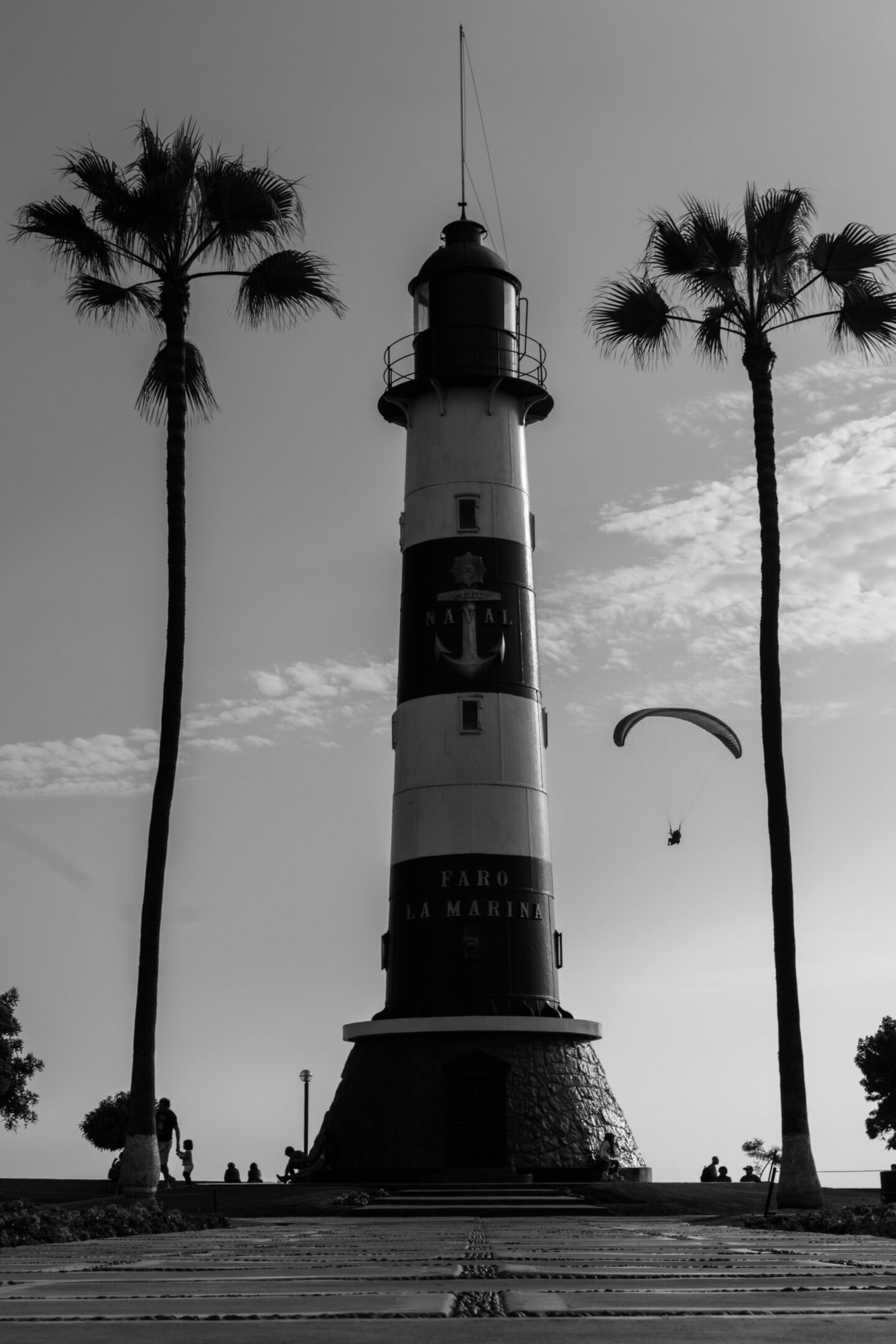
The cliffs drop sharply to the left as you walk, with the Pacific spreading out to the horizon. Below, if the waves are cooperating, you will see surfers in the water at Costa Verde. Paragliders launch from specific points along the clifftop and drift above the ocean in lazy arcs if you want to be one of them rather than simply watching, there are operators along the Malecón who will take you up on a tandem flight and give you a view of Lima from an altitude that reframes the entire city.
The Malecón is also where Lima exercises. Joggers, cyclists, couples walking slowly, groups of older women doing their evening constitutional the path has a pleasant human quality at almost any hour. Early morning, when the coastal mist is still burning off, and the light is soft, and the city is quiet, it is genuinely extraordinary.
Parque del Amor, the Park of Love
The Park of Love sits along the Malecón and is built around one of the most photographed sculptures in all of Peru El Beso, The Kiss, a large ceramic figure of two people embracing that was created by the Peruvian sculptor Víctor Delfín. The park surrounds the sculpture with mosaic benches and walls covered in poetic verses about love, all overlooking the Pacific.
It is, I will admit, extremely romantic, and visiting it alone gives you a slightly specific feeling of watching something that was designed for other people. But it is also genuinely beautiful. The ceramic work is intricate, the garden is well maintained, and the views from the benches are some of the best on the Malecón. Go at sunset, and the light does extraordinary things to the whole scene.
The park is small enough to explore fully in twenty minutes, but the surrounding section of the Malecón invites you to linger. Sit on one of the mosaic benches and watch the ocean. It asks very little of you and gives you something genuinely peaceful in return.
Parque Raimondi and the northern Malecón
Walking north from the Park of Love, the Malecón continues through a series of smaller parks and viewpoints, each with its own character. Parque Raimondi has an open lawn with ocean views that is popular with families in the late afternoon. The rose garden section of the Malecón, sometimes called the Jardín de las Rosas, is particularly beautiful in the morning when the flowers are fresh.
The northern end of the Malecón brings you toward the border with San Isidro, Lima’s financial district. The landscape here becomes more formal and the parks more manicured, but the views remain constant. This section of the walk is less busy than the central Malecón and has a quieter, more contemplative quality.
The sunset when and where
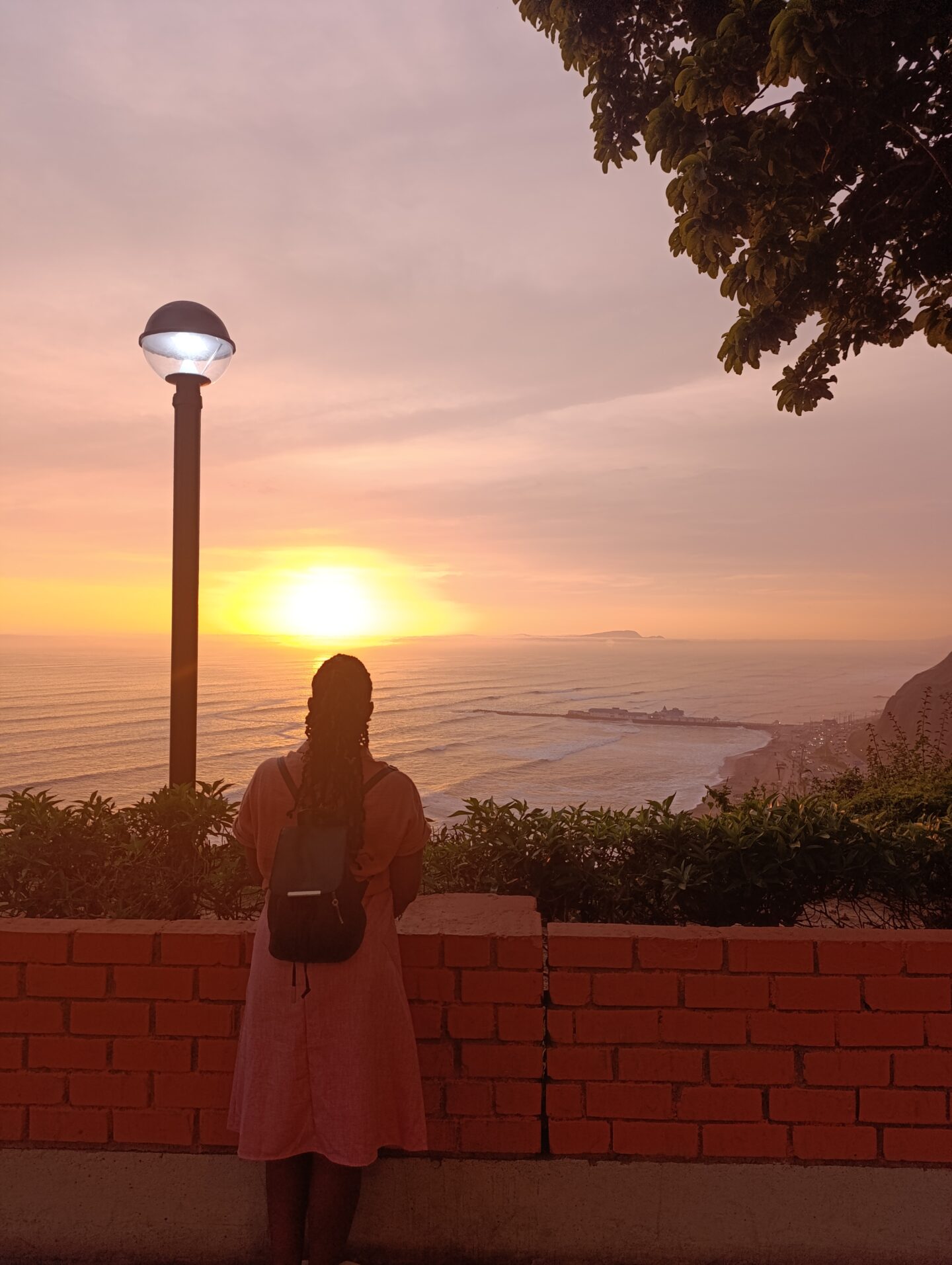
The sunset in Miraflores is, without qualification, one of the better sunsets I have watched anywhere. The Pacific stretches to the west, which means the sun sets directly over the water with no obstacles. On a clear day, Lima’s afternoons are often clearer than its mornings, the sky turns through a sequence of colours that feels almost theatrical in its excess.
The best positions for sunset watching, in my experience, are the Park of Love and the Larcomar mall. At the Park of Love, you are at cliff level with an unobstructed view of the horizon. At Larcomar, you are looking down from the terrace as well as out toward the sea, and the combination of the illuminated mall below and the sunset above is spectacular in a way that is entirely different from the park experience.
Arrive twenty minutes before the sun is due to go down. Do not arrive late. The best light is in the five minutes before the sun meets the horizon, and you will want to be settled somewhere before it begins.
The Sites of Miraflores: What to See and Where to Go
Huaca Pucllana the pyramid in the middle of the city
One of the most disorienting and wonderful things about Miraflores is that there is an ancient pre-Inca pyramid in the middle of it. Not near it. In it surrounded by apartment buildings and restaurants, occupying an entire city block as though the city simply grew up around it and made its peace with the arrangement.
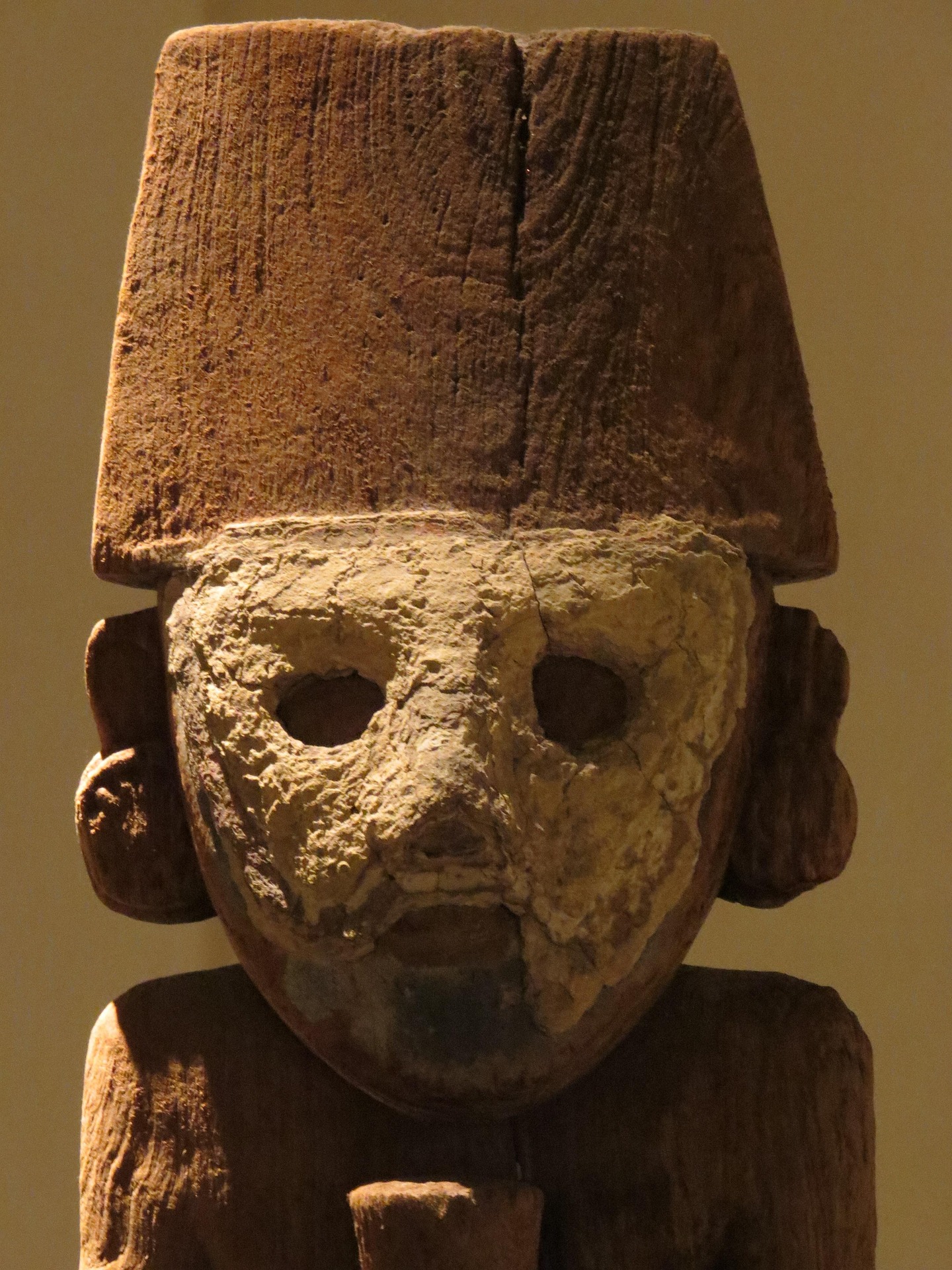
Huaca Pucllana is an adobe pyramid built by the Lima culture between approximately 200 and 700 CE, predating the Inca civilisation by centuries. It was a ceremonial and administrative centre, and archaeological excavations have uncovered a significant number of offerings, ceramics, and human remains that have helped reconstruct what life looked like in this part of the coast more than a thousand years ago.
The site offers guided tours that take you through the excavations and the small on-site museum, explaining the history of the Lima culture and the significance of the pyramid within it. The tour is genuinely interesting and takes approximately ninety minutes. Go in the late afternoon if you can. The guides are often more available, the light is better for photographs, and you can move directly from the tour to dinner at the restaurant on the site, which uses the illuminated pyramid as its backdrop and is one of the more atmospheric places to eat in the whole of Lima.
Entry fees are modest by international standards.
Parque Kennedy, the heart of the neighbourhood
Parque Kennedy is the social centre of Miraflores. It is a large, tree-lined park that sits at the intersection of Avenida Larco and Avenida Diagonal, and at almost any hour of the day it is full of a particular mix of people that I found quietly fascinating to observe: tourists on their way somewhere, local families eating ice cream, street performers, craft vendors, and most famously, the cats.
Parque Kennedy is known internationally for its cats. There are dozens of them, resident and semi-feral, well-fed and largely unbothered by the humans around them. They sleep on the benches, occupy the lawns with a proprietary confidence, and accept attention from visitors with the exact degree of condescension you would expect from animals who know they are beloved. The park has a network of volunteers who look after the cats, and there are small feeding stations dotted around the grounds. It is, objectively, a very good park to be in if you like cats.
The surrounding streets, particularly Calle de las Pizzas, which runs along the eastern edge of the park, are lined with restaurants and bars that are lively in the evenings and represent the more commercial, tourist-facing side of Miraflores. This is where you will find menus in multiple languages and cocktail lists designed for visitors. It is not where you will find the most interesting food in the neighbourhood for that, you need to go slightly off the main drag, but it is where you will find a reliably pleasant evening with something for everyone.
The Iglesia Virgen Milagrosa, a handsome church, anchors one end of the park. It is not one of Lima’s most historic churches; that distinction belongs to the colonial buildings of the historical centre but it is a beautiful building in a beautiful setting, and worth a few minutes.
The artisanal craft market that sets up in and around the park, particularly at weekends, offers textiles, jewellery, ceramics, and the kind of handmade goods that you will pay significantly more for if you try to buy them at the airport. Browse early, before the midday crowds arrive, and buy anything you like the look of. The prices are fair, and the quality is generally good.
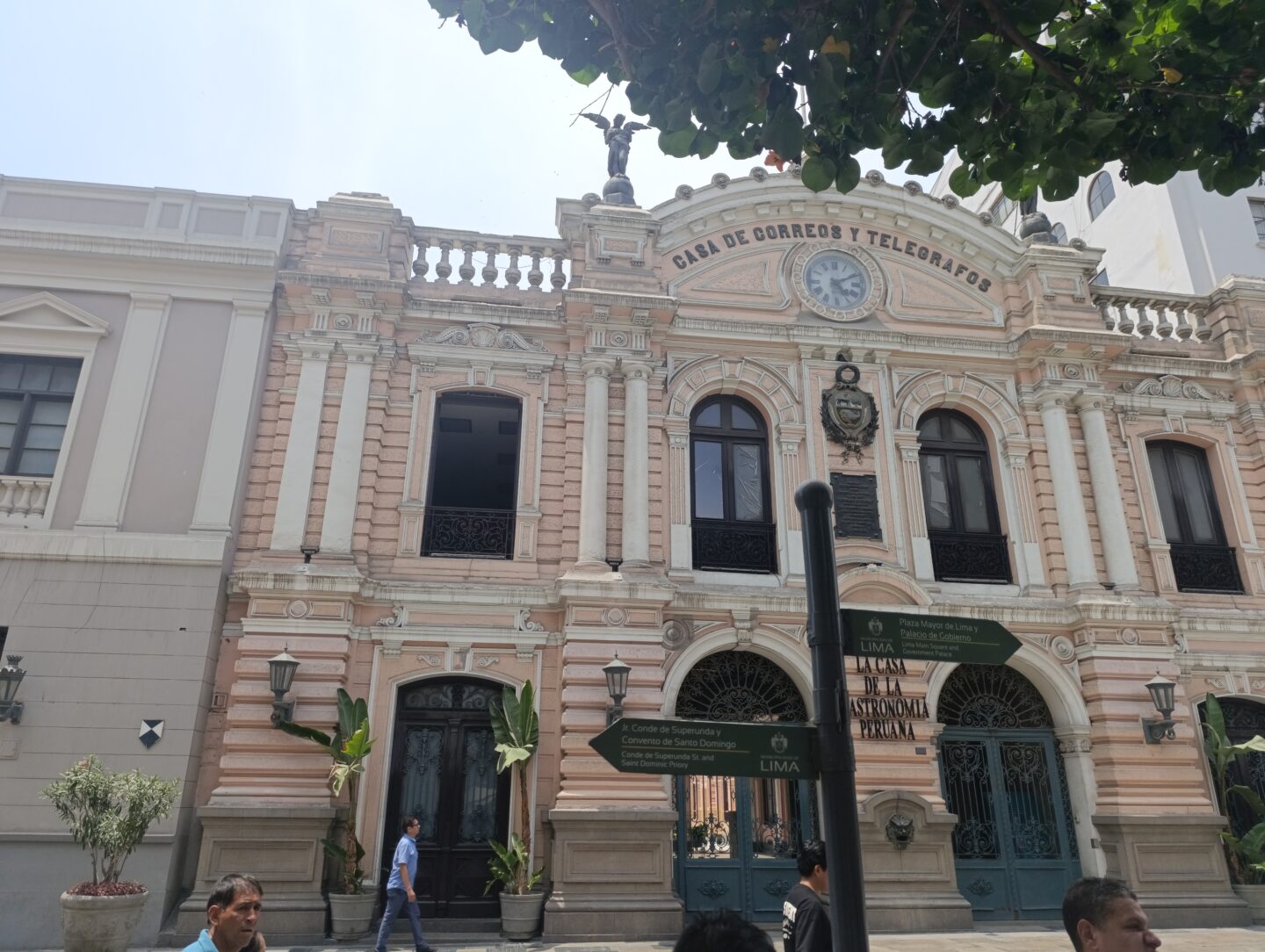
Larcomar Shopping Centre a mall worth visiting
I am aware that recommending a shopping mall in a travel guide requires some justification. Larcomar is worth it.
The mall is built directly into the cliffs at the southern end of the Malecón, which means that instead of the usual enclosed, artificially lit shopping experience, you have an open-air complex of terraces, restaurants, and shops with the Pacific Ocean as the backdrop to every level. It is genuinely stunning in its physical setting, and the engineering achievement of embedding a functioning commercial centre into a cliff face is impressive on its own terms.
The ground-floor level has a cinema, a bowling alley, and the kind of fast food options that are reassuring to have available when you are travelling with people of varying dietary preferences. The upper levels, which open onto terraces overlooking the water, have a collection of restaurants and bars that range from Peruvian fine dining to casual cocktail spots.
The sunset from Larcomar’s upper terrace is spectacular, different from the Malecón experience because you are looking both down at the coast and out at the sea simultaneously. I caught the final light of the day here on my last evening in Miraflores, and it was, without exaggeration, one of the most beautiful sunsets I have seen from a commercial building anywhere in the world. The Pisco Sour I was holding at the time contributed to the experience, but only slightly.
ChocoMuseo for the serious chocolate enthusiast
Peruvian cacao is among the finest in the world, and the ChocoMuseo in Miraflores offers both an introduction to its history and culture and the opportunity to make your own chocolate from bean to bar in a hands-on workshop.
The workshops take approximately two hours and are available in English and Spanish. You leave with chocolate you made yourself, a significantly better understanding of the cacao process, and a completely revised opinion of what Peruvian chocolate is capable of. It is a genuinely enjoyable few hours and works well as a morning or early afternoon activity before the parks and sunset viewing of the later day.
The Artisan Market Centro Artesanal
Near Parque Kennedy, the artisan market is the best place in Miraflores to buy textiles, ceramics, silver jewellery, and traditional crafts. The quality varies, as it does at any market, but the best stalls carry genuinely beautiful work, hand-woven textiles, carved gourds, silver earrings with pre-Columbian motifs at prices that are reasonable by any measure.
Shop in the morning for the best selection. Bargaining is acceptable but should be done with warmth rather than aggression. The vendors are running small businesses, and the prices are already fair a modest negotiation is part of the culture; attempting to halve the asking price is not.
Surfing and the Costa Verde beaches
Below the cliffs, accessible via a series of roads that wind down from the clifftop, the Costa Verde beaches stretch along the base of the Miraflores and Barranco cliffs. These are not the white sand, turquoise water beaches of the Caribbean the sand is grey, the water is cold, and the Pacific swell makes swimming a more serious undertaking than it is in warmer seas. But for surfing, the Costa Verde is excellent, with consistent waves that attract both local surfers and visiting ones throughout the year.
Several surf schools operate on the Costa Verde beaches and offer lessons for beginners. If you have never surfed and want to try, the beach below Miraflores is a reasonable place to start. The instructors are experienced, the rental equipment is available, and the cold water, I am told by people who have done this, becomes entirely manageable once you are moving.
Even if you have no intention of surfing, the walk or drive down to the Costa Verde is worth doing for the change of perspective. Looking up at the cliffs from below with the city visible at the top and the Pacific on one side, gives you a completely different understanding of the geography of the place.
Food and Drink in Miraflores: Eat Everything at Least Once
I could write an entire article about eating in Miraflores. In fact, I might. For now, let me tell you the essentials.
Lima is widely considered one of the great food cities in the world. Not one of the great cities that also has good food, one of the places where food is a genuine cultural achievement, a source of national pride, and the primary reason that many people visit Peru in the first place. Miraflores sits at the centre of this culinary culture, and the range and quality of food available within walking distance of any accommodation in the neighbourhood is, frankly, extraordinary.
The cuisine of Lima is built on layers. The Indigenous Peruvian tradition provides the foundation the extraordinary variety of potatoes, corn, peppers and seafood that the land and sea produce. Spanish colonialism brought new ingredients and techniques. Chinese immigration in the nineteenth and twentieth centuries gave birth to chifa a Peruvian-Chinese fusion cuisine that is entirely its own thing and one of the most interesting culinary traditions in South America. Japanese immigration added another layer, producing Nikkei cuisine. African heritage contributed techniques and flavours that run through the whole. What you eat in Lima is the product of all of this, and it tastes like nothing you have had anywhere else.
What to eat and why it matters where you eat it
Ceviche is the national dish of Peru, and Miraflores is one of the best places in the world to eat it. Real Lima ceviche, fresh raw fish marinated in lime juice with ají amarillo, red onion, and coriander, is sharp and clean and bright in a way that has nothing in common with the versions you may have encountered in restaurants abroad. The ají amarillo is the key Peruvian yellow chilli that is fruity and warm rather than simply hot, and which gives the ceviche a flavour that is genuinely untranslatable.
Eat ceviche at lunchtime. This is not a preference; it is a cultural instruction. Ceviche is a lunch dish in Peru, eaten fresh, and the best cevicherías serve it at midday when the fish is at its freshest. Do not eat ceviche for dinner at a restaurant that serves it all day. The experience will be different, and the fish will not be as good.
Lomo saltado is the other dish you must try a wok-fried combination of beef, tomatoes, onions, soy sauce, and chips that is the purest expression of the Chinese influence on Peruvian cooking. It arrives at the table still sizzling and smelling of the wok, and it is the kind of food that you think about for weeks after.
Chifa, the Peruvian-Chinese fusion cuisine, deserves its own attention. Lima’s Chinatown district is one of the oldest Chinese communities in South America, and the cooking that emerged from it is a genuine culinary tradition rather than a novelty. Arroz chaufa, Peruvian fried rice, and tallarin saltado wok-fried noodles are the dishes to order. They look like Chinese food and taste like Peru, and the combination is remarkable.
Pisco sour is the national cocktail, and you should drink at least one in Miraflores. The real thing made with pisco, lime juice, egg white, simple syrup, and a dash of Angostura bitters on top is a different drink from whatever version you may have previously encountered. Drink it cold, drink it slowly, and appreciate what it represents: a cocktail tradition built entirely from Peruvian ingredients over three hundred years.
Where to eat the full list
I am going to give you a genuine list here, not a curated selection of places that have paid to be recommended. These are restaurants and cafés I either visited myself, had recommended by locals I trust, or have researched thoroughly enough to recommend with confidence.
Breakfast and morning coffee
- Las Bolena Tea Room a calm, unhurried breakfast spot serving traditional pastries, a broad selection of teas, and the kind of morning atmosphere that makes you want to linger over your notebook. Not a tourist trap. A genuinely good place to start the day.
- San Antonio Pastry a Lima institution for good reason. Freshly baked pastries, traditional Peruvian breakfast dishes, and the sort of neighbourhood bakery energy that reminds you that good food has nothing to do with decor. Multiple locations in Miraflores; the one near Parque Kennedy is most convenient.
- Che Cha Miraflores for the tea drinkers. A cosy, well-curated café with a selection of teas that takes the concept more seriously than most places in South America. Good for a quiet morning hour before the day begins in earnest.
Lunch and the ceviche question
- La Mar Cebichería is arguably the most famous ceviche restaurant in Lima, and one of the most celebrated in Peru. Chef Gastón Acurio’s tribute to Peruvian seafood cooking. It is busy, it requires a reservation, and it is absolutely worth the effort. Go for lunch. Order the classic ceviche and work outward from there.
- El Mercado, another Gastón Acurio restaurant, is slightly more relaxed in atmosphere, with an outstanding selection of ceviches, tiraditos, and causa. The cause a layered dish of potato purée with various fillings is something I had not expected to become obsessed with, and did.
- Punta del Cielo for a more casual ceviche experience with excellent quality and somewhat lower prices than the celebrated chef-driven restaurants. Good for when you want the food rather than the experience.
Dinner
- Huaca Pucllana Restaurant dinner with the illuminated pre-Inca pyramid as your backdrop. The food is genuinely excellent Peruvian cuisine and the setting is extraordinary. Book in advance. Dress appropriately for a special occasion not formally, but thoughtfully.
- Astrid y Gastón Lima’s most celebrated restaurant and one of the most acclaimed in South America. Innovative, contemporary Peruvian tasting menus that reference the country’s culinary history in sophisticated and surprising ways. This is a special occasion restaurant. It is expensive, it requires advance booking, and it is, by any measure, one of the finest dining experiences in Latin America.
- Merito, Barranco, technically in Barranco rather than Miraflores, but close enough and excellent enough to include here. Chef Juan Luis Martínez’s tasting menus are among the most inventive I have encountered. Reserve well in advance.
- Indio, Barranco wood-fired pizzas in the bohemian neighbourhood next door. Casual, excellent, and entirely unpretentious. For when you want something delicious without ceremony.
Cocktails and evenings
- Mangos, Larcomar, bars multiple options along the clifftop terrace of the mall, with the Pacific as the backdrop. The Pisco Sour here, watched with the sunset, is a specific pleasure worth seeking out.
- Ayahuasca Bar, Barranco, a restored colonial mansion in the neighbouring district with eclectic decor and cocktails that are genuinely interesting. One of Lima’s most atmospheric bars.
- Hotel B Rooftop, Barranco panoramic city and ocean views from the rooftop of one of Barranco’s best boutique hotels. Craft cocktails, good music, and the kind of view that makes any evening feel significant.
- I-baigo Wine Bar, Miraflores a curated wine selection from Peru and beyond, paired with tapas that are better than you expect. Quiet, thoughtful, and the right place to end a long day of walking.
Barranco: The Neighbourhood That Earns Its Own Section
Barranco is not Miraflores. It is the neighbouring district a fifteen-minute walk south along the Malecón or a five-minute taxi ride and it has a completely different character that complements a Miraflores stay beautifully.
If Miraflores is polished and coastal and modern, Barranco is bohemian and artistic and slightly faded in the way of places that have been beautiful for a long time and are comfortable with the fact. It is Lima’s artist neighbourhood, and it has been for long enough that the identity is genuine rather than manufactured.
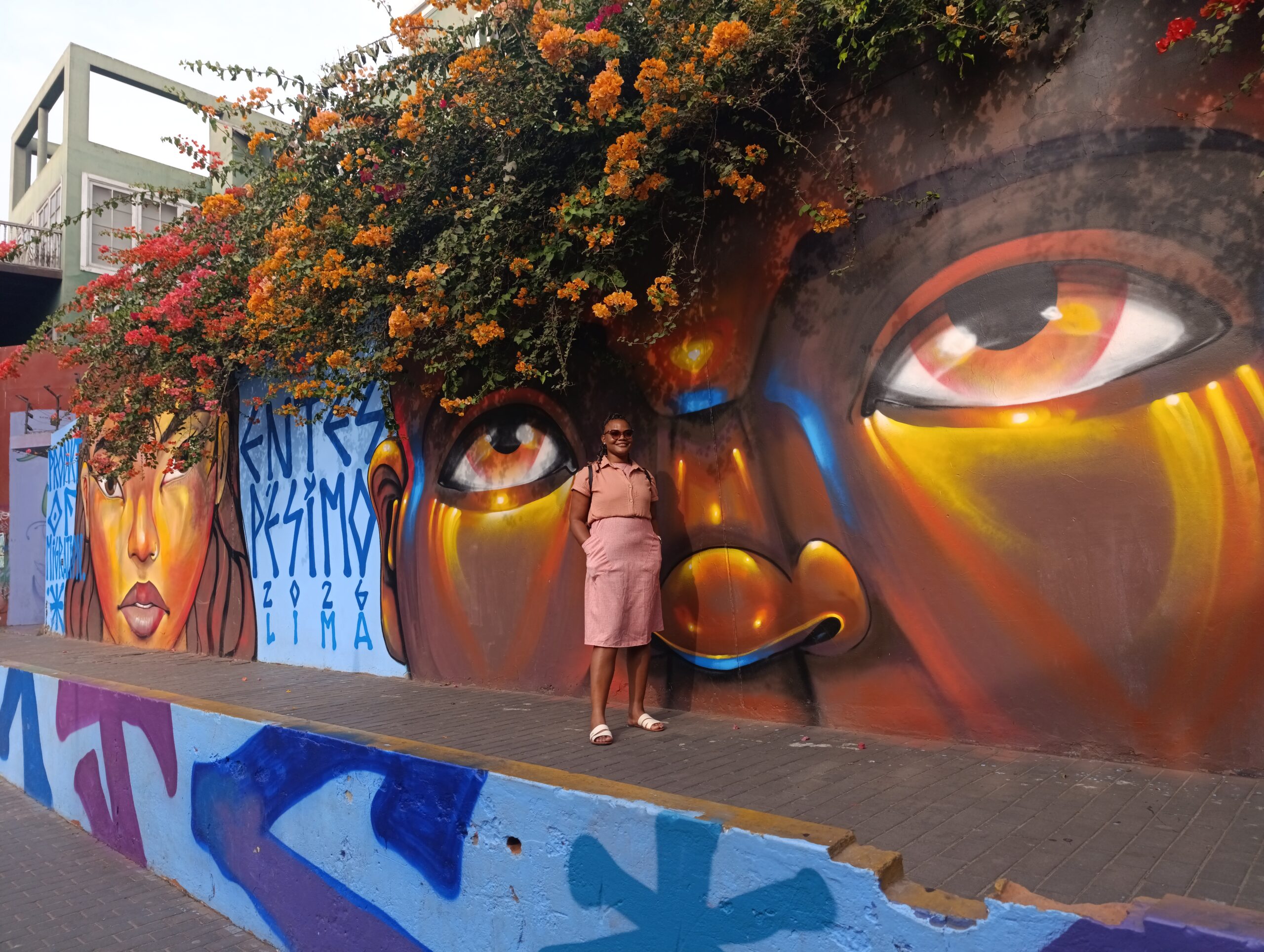
The streets are painted elaborately, skilfully, with murals that cover entire building façades and alleyways. There are art galleries in converted houses, independent cafés that have been there for decades, and restaurants that feel as though they have strong opinions about what good food is and are prepared to act on them.

What to see in Barranco
The Puente de los Suspiros the Bridge of Sighs is Barranco’s most iconic landmark: a wooden pedestrian bridge over a ravine, surrounded by bougainvillaea and colonial architecture. It is beautiful and slightly melancholy in the way of places that have been associated with love and loss for long enough that the association has settled into the stones. Walk across it and follow the Bajada de los Baños steps down to the small beach at the bottom. The walk is short, and the destination is worth it.
The MATE museum, the Mario Testino Art Gallery, named after Peru’s most celebrated photographer, is housed in a beautiful colonial building in Barranco and displays work that ranges from Testino’s fashion photography to contemporary Peruvian artists. It is worth an hour of your time regardless of how interested you usually are in photography.
The Bajada de los Baños, the stepped path that descends from the clifftop to the beach, is lined with small restaurants and viewpoints and is one of the more pleasant walks in the entire Lima area. Do it in the late afternoon when the light is warm, and the restaurants are beginning to fill up.
The graffiti streets of Barranco, without a specific destination is its own activity. Turn into any alleyway and you will find murals. Some of them are genuinely extraordinary works of art executed at scale. The street art here is not decoration, it is the neighbourhood’s gallery.
Getting between Miraflores and Barranco
Walking is the best option if you have time and energy. Follow the Malecón south, and Barranco will announce itself. The walk takes between fifteen and twenty-five minutes, depending on your pace and how often you stop, which in my experience was frequently.
Alternatively, any taxi or Uber from Miraflores to Barranco should cost between five and ten soles, depending on the specific starting and ending points. It is an easy journey.
The Local Friend: What Happens When You Slow Down
I want to tell you a story that will not appear in any other guide to Miraflores, because it did not happen to anyone else.
A friend of mine has a friend who lives in Lima. This is the kind of sentence that does not seem significant until it changes your entire experience of a city.
Through that connection, a text message, a quick exchange of details, the particular generosity of someone sharing their city with a stranger because a mutual friend asked them to we were able to spend time with a local who knew Miraflores the way only someone who lives there can know it. Not the Miraflores of the guidebooks and the TripAdvisor reviews, but the Miraflores of the bakery that opens at half past six and makes the best pan de yema in the district. The miradór that is not on any map but which has the best view of the sunset from an angle that none of the tourist walking routes includes
. The restaurant on a side street that does not have an English menu and has never needed one.
We ate somewhere I would never have found alone. We sat in a park I had walked past twice without understanding what made it special. We watched the sunset from a spot that felt private in the middle of a public city.
This is why I slow travel. Not to accumulate places, but to find the version of each place that only appears when you stop trying to see everything and simply allow the city to introduce itself.
I tell you this not to make you feel that you cannot access the real Miraflores without a local friend, you can, and this guide will help you find your own version of it. I tell you this because slow travel in Miraflores specifically rewards the person who is not in a hurry. Who takes the long way around? Who sits in Parque Kennedy with a coffee and watches the cats and waits to see what the day brings.
Things find you in Miraflores if you give them time.
Day Trips from Miraflores: Getting Out of the Neighbourhood
Miraflores is an excellent base for exploring wider Lima and the surrounding area. The following day trips are all accessible by taxi or Uber and represent some of the most rewarding things to do in the Lima region.
Lima Historical Centre half a day
The centro histórico of Lima is approximately thirty minutes by taxi from Miraflores and is an entirely different city from the coastal district you have been living in. This is the Lima that was built by the Spanish colonisers after Francisco Pizarro founded the city in 1535 grand civic buildings, baroque churches, a Plaza de Armas that was once the administrative centre of the entire Spanish South American empire.
The Cathedral of Lima anchors one side of the plaza and its catacombs an underground network of passages and ossuary chambers that held the remains of approximately seventy thousand people during the colonial period are one of the most singular historical sites in the entire country. The tour is not for the claustrophobic but it is extraordinary for everyone else. The bones are real. The history is vast. The experience of being beneath the city, literally surrounded by its dead, is one that stays with you.
Chinatown Barrio Chino is a short walk from the plaza and is one of the oldest Chinese communities in South America, born from the waves of Chinese immigration in the nineteenth century. It gave rise to chifa cuisine and still retains a distinct character. Walk through, eat something, appreciate the layers of history that have produced this particular neighbourhood in this particular city.
A walking tour of the historical centre is the most efficient and rewarding way to experience it. A good guide will give you context that transforms what would otherwise be a series of old buildings into a coherent narrative about conquest, resistance, independence, and the complex making of a nation.
Lima historical centre walking tour
Huacachina and Paracas a full day
For the full story of this extraordinary day trip the desert oasis, the sandboarding, the sea lions of Paracas, see the dedicated article on the blog. The short version: leave early, go to both, come back tired and full of good stories.
Pachacamac for the archaeology-inclined
Pachacamac is a large pre-Columbian archaeological complex approximately thirty kilometres south of Lima, approximately forty-five minutes by taxi. It was one of the most important religious sites on the Peruvian coast for over a millennium, with successive cultures building temples and ceremonial structures on the site from around 200 CE through to the Spanish conquest.
The site is significantly larger than Huaca Pucllana, and exploring it properly takes half a day. There is an excellent on-site museum that provides context before you walk the ruins. The combination of coastal landscape, layered history, and relative freedom to explore makes it a genuinely rewarding alternative to the more visitor-heavy sites closer to the city centre.

Practical Information: Everything You Need
Safety in Miraflores
Miraflores is one of the safest districts in Lima for visitors. Walking alone, including women travelling solo, including in the evening, is generally comfortable here in a way that is not universally true across the city. The streets are well-lit, there is a security presence in the main tourist areas, and the neighbourhood has a culture of looking after visitors.
The standard precautions apply: do not display expensive electronics or jewellery conspicuously, be aware of your surroundings in crowded market areas, and use your judgement about which streets feel comfortable after dark. Uber is always an option if you would rather not walk somewhere.
The selling at popular sites, people offering tours, photographs, and food, is persistent but not aggressive. A clear and friendly decline handles most situations.
Money
Peruvian soles are the currency of everyday life in Miraflores. US dollars are widely accepted at hotels and larger restaurants, but the exchange rate will not always be in your favour. ATMs are widely available in the neighbourhood. There are several on and around Avenida Larco and near Parque Kennedy. Withdraw soles and pay in local currency wherever possible.
Notify your bank and credit card provider before you travel to waive foreign transaction fees. This takes five minutes and can save you a meaningful amount over a two-week trip.
Communication
A local SIM card from Claro or Entel available at phone shops throughout Miraflores will give you reliable mobile data coverage across Lima and throughout Peru. The cost is modest by international standards, and the convenience of having a working map and Uber app at all times is worth it.
Spanish is the operating language of Lima, but Miraflores’ status as a tourist hub means that English is spoken at most hotels, many restaurants, and most tourist-facing businesses. A few words of Spanish will be appreciated and will occasionally unlock a warmth that the tourist transaction does not.
Travel insurance
Do not visit Peru without it. This is not cautious advice, it is practical advice from someone who has travelled enough to understand that things go wrong in ways that are impossible to predict. SafetyWing offers flexible, affordable coverage that works well for this kind of trip.

A Sample Three-Day Miraflores Itinerary
For the visitor who has three days in Miraflores, which is enough time to understand the neighbourhood without rushing, here is how I would spend them.
Day one arrive, breathe, and walk
Morning: check in, leave your bags, walk to the nearest miradór. Find coffee. Sit for a while and let the city adjust to you as much as you are adjusting to it.
Afternoon: walk the Malecón from Parque del Amor northward. Take your time. Stop at the viewpoints. Sit on the mosaic benches. Watch the paragliders.
Evening: sunset at the Park of Love or from a bar along the Malecón. Dinner at one of the restaurants near Parque Kennedy. Pisco Sour. Cats.
Day two depth
Morning: Huaca Pucllana guided tour, then the artisan market.
Lunch: ceviche at La Mar or El Mercado. Take your time. This is the meal to remember.
Afternoon: ChocoMuseo workshop, or walk to Larcomar and spend time on the clifftop terraces.
Evening: sunset from Larcomar, then dinner somewhere special Huaca Pucllana restaurant for the pyramid view, or make the short trip to Barranco for Merito or Hotel B.
Day three Barranco and the historical centre
Morning: taxi to the historical centre for a walking tour and the catacombs.
Lunch: chifa in Chinatown.
Afternoon: walk back along the Malecón toward Barranco. The Puente de los Suspiros. The MATE museum. The street art.
Evening: Ayahuasca Bar or Hotel B Rooftop for cocktails. Dinner in Barranco. Walk or taxi back to Miraflores.
Frequently Asked Questions
Is Miraflores safe for solo female travellers?
Yes, Miraflores is consistently cited as one of the safest neighbourhoods in Lima for solo visitors of any gender. Walking alone during the day and in the early evening in the main tourist areas is comfortable. The standard precautions apply be aware of your surroundings, use Uber after dark if you prefer not to walk, and trust your instincts. In several days of walking alone in Miraflores at various hours, I felt entirely safe.
How many days should I spend in Miraflores?
Three to five days gives you enough time to understand the neighbourhood without rushing. Two days is a meaningful visit if that is all you have. More than five days and you will find yourself exploring wider Lima and the surrounding region, which is a perfectly good use of time and what Miraflores is well-suited as a base for.
Is Miraflores expensive?
By South American standards, Miraflores sits at the upper end of the price range for Lima. Hotels are more expensive here than in other parts of the city. Restaurants in the main tourist areas charge prices that are approaching European levels at the top end. That said, even in Miraflores, there is a wide range of breakfast at San Antonio Pastry, which costs a few soles, a neighbourhood restaurant will serve a lunch menu for fifteen to twenty soles, and the artisan market offers genuine quality at fair prices. You can spend a great deal here or a modest amount, depending on what you choose.
What is the best time of year to visit Miraflores?
December through April is Lima’s summer warmer, sunnier, and when the grey coastal mist (known locally as garúa) is at its least persistent. This is peak season, and prices reflect it. May through November brings more consistent cloud cover and occasionally rain, but also lower prices and fewer visitors. I visited during the wet season, and the weather in Miraflores specifically was considerably better than I expected. The coastal position seems to moderate the worst of it.
Can I book a travel consultation for my Lima or Peru trip?
Yes, I offer personalised travel consultation calls for women planning Peru trips, including specific advice on Miraflores accommodation, restaurants, and itinerary planning. Having someone who has been there and loves it to help you plan the details is worth the hour. Book at destinytravlr.com/work-with-me.
PLAN YOUR MIRAFLORES TRIP
Miraflores is the kind of neighbourhood that earns a longer stay than you planned. Give it time, eat everything, walk the Malecón more than once, and watch at least one sunset from the cliffs. You will not regret any of it.
For the full Peru itinerary, including the journey from Lima to Cusco, Machu Picchu, and Rainbow Mountain see the complete guide on the blog. For specific questions about planning your trip, consultations are here.
Check Out These Links
Tarjeta Andina de Migración (TAM) Virtual
Llaqta Machupicchu
Inca Rail
What to know before visiting Peru
The 10-Day Peru Itinerary (Lima, Cusco & Machu Picchu)
Are You Planning Your Next Trip? Here’s What I Use
These are the tools I rely on to make every trip smoother, safer, and more meaningful. If you use the links below, I may earn a small commission at no extra cost to you. Thank you for supporting this blog and my journey as a full-time traveller 💜
1. Learn the Local Language
I use Babbel to practice Spanish, French, and Portuguese while travelling. The app makes it so easy to learn useful phrases on the go.
2. Travel Insurance is a Must
I never leave home without SafetyWing. They’re affordable and ideal for frequent travellers or digital nomads.
3. Book Your Tours & Experiences
For unique local tours and must-see experiences, I use:
→ Viator
→ Get Your Guide
4. Always Stay Connected
No matter where I go, Keepgo helps me stay connected with international data SIMs and eSIMs that actually work. A lifesaver when Wi-Fi fails!
5. Organise Your Itinerary
I use Tripsy to plan and store my itineraries, documents, and bookings in one clean app. It’s perfect for keeping track of everything in one place.
Until next time, travel softly,
Destiny 💜
Work with Destiny
Ready to plan your trip
with intention?
You have done the reading. Now let’s build the trip that actually fits the way you travel — your pace, your budget, your version of the perfect itinerary.
Limited spots available each month
