Kingston gets the spotlight. It’s the city of Marley, the seat of government, the thrumming, undeniable centre of Jamaica’s cultural universe. But for those of us who live here, who understand the island’s intricate rhythms, there is always a quiet addendum to the story of the capital. There is always an “…and St. Catherine.”
St. Catherine is the parish that cradles Kingston. It is the bridge between the capital’s intensity and the rolling green hills of the island’s interior. It’s where Kingston’s workers come home to breathe, where the island’s history was forged in stone and fire, and where the city itself exhales on a sun-drenched weekend.
To overlook St. Catherine is to read only half the story. This is not a guide to a secondary destination; it is an invitation to a deeper, more authentic Jamaican experience. It’s for the traveller who wants proximity to the capital’s world-class museums and vibrant nightlife but craves a calmer place to lay their head. It’s for the remote worker seeking space and value, the historian chasing ghosts, and the sun-seeker who knows the best fish is found far from the curated menus of a resort.
In this guide, we will journey through the soul of this essential parish. We will walk the historic streets of Spanish Town, the island’s former capital. We will explore the modern convenience and coastal access of Portmore, the “Sunshine City.” We will join the weekend ritual at Hellshire Beach, and we will escape to the turquoise freedom of the nearby cays. This is St. Catherine, not as a footnote, but as the main event.
Contents
- 0.1 Is St. Catherine close to Kingston?
- 0.2 Is Portmore safe for travellers?
- 0.3 How far is Spanish Town from Kingston?
- 0.4 Can tourists stay in Portmore and still enjoy Kingston easily?
- 0.5 Spanish Town: Where Jamaica’s History Breathes
- 1 Portmore: The Sunshine City, A Modern Jamaican Hub
- 2 The Great Escape: The Cays of Kingston Harbour
- 3 Linstead: The Jamaica Tourists Rarely See
- 4 Check Out Other Guides
- 5 Are You Planning Your Next Trip? Here’s What I Use
Know Before You Go: Understanding the Soul of a Parish
First, you must understand that St. Catherine is not one single place. It is a sprawling, diverse parish with multiple personalities. It is coastal and urban, deeply historic and quietly rural, all at once. It is home to the island’s old capital, a modern commuter city, and sleepy agricultural towns. It is the vital artery that connects Kingston to the rest of Jamaica, a place of constant movement and deep roots.
To travel here is to see a cross-section of real Jamaican life, away from the polished veneer of the tourist strips. It’s a place of immense historical significance, a hub of everyday commerce, and the keeper of some of the most cherished local traditions.

Is St. Catherine close to Kingston?
Yes, it is Kingston’s direct neighbour. The drive from the heart of Portmore to New Kingston can be as short as 20-30 minutes without traffic.
Is Portmore safe for travellers?
Like any urban area, it requires awareness. Portmore is a large residential city with many safe, family-oriented communities. By choosing your accommodation wisely and practicing standard travel safety, it can be a very secure and comfortable base.
How far is Spanish Town from Kingston?
It’s approximately a 30-45 minute drive, making it an easy and essential day trip from either Kingston or Portmore.
Can tourists stay in Portmore and still enjoy Kingston easily?
Absolutely. This is one of the smartest ways to experience the region. You can dive into Kingston’s cultural offerings by day and retreat to the calmer, more spacious environment of Portmore by night.
Why Base Yourself in St. Catherine?
Choosing to stay in St. Catherine is a deliberate, strategic move for the savvy traveller. It’s about getting the best of both worlds. You are near the capital, but not consumed by it. You have access to the international airport, the business districts, and the national galleries, but you also have access to something Kingston lacks: a true coastline and a more relaxed pace of life.
There’s a feeling every local knows. It’s the feeling of leaving the gridlock and noise of Kingston behind, crossing over the causeway, and entering Portmore. The light seems to change. The sky feels wider. The collective tension of the capital melts away. You are still near everything, but you have room to breathe.
Staying here means you can afford more space, enjoy a quieter residential atmosphere, and be minutes away from a morning swim or a weekend boat trip. It’s the perfect setup for a traveller who wants to immerse themselves in the Kingston area’s culture without being overwhelmed by its intensity 24/7.
Spanish Town: Where Jamaica’s History Breathes
Long before Kingston’s rise, there was Spanish Town. Founded as Villa de la Vega by Spanish colonists in the 1500s and later renamed by the British, this was the island’s capital for over 300 years. To walk its streets is to walk through the very heart of Jamaica’s colonial history. This was the seat of power, the centre of administration, and the stage upon which the island’s destiny was debated and decided.
The town today is a bustling, complex, and living city, not a preserved museum. Its historic core still whispers of its past glory. The old street grid remains, and weathered Georgian architecture stands as a testament to a bygone era. To visit Spanish Town is not to romanticize a difficult past, but to honour the legacy and resilience etched into its very foundations.

(Core number: FKAD058R. Clip taken from programme rushes. ABPA941T)

A Walk Through the Old Capital
The best way to experience the historic heart of Spanish Town is to imagine yourself walking through its past. It’s a journey best taken in the daylight, and ideally with a local guide who can bring the stories of these old stones to life.
Your journey begins in Spanish Town Square, the most impressive Georgian square in the country. This was the epicentre of British colonial power. Stand in its centre and you are surrounded by history. You can see the facade of the Old King’s House, once the governor’s residence, and the Old House of Assembly. Though some buildings are now just shells, their grandeur and importance are still palpable.
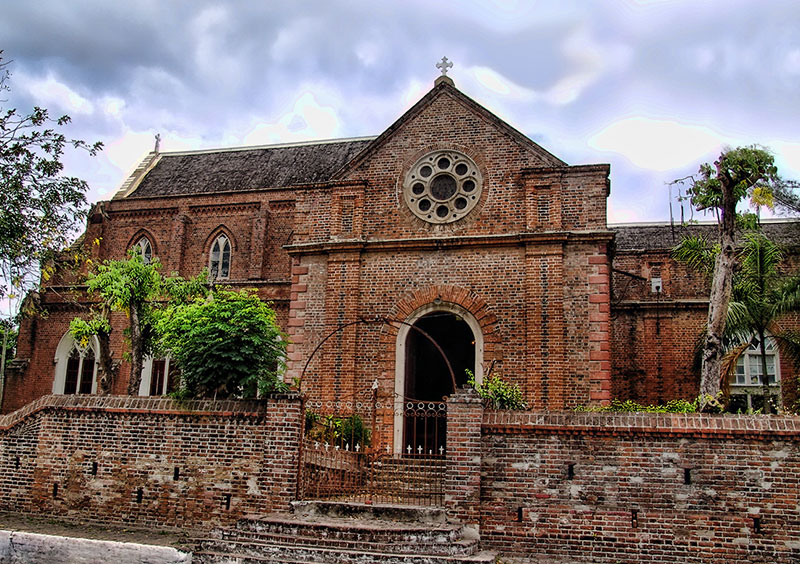
Nearby stands the St. Jago de la Vega Cathedral, one of the oldest Anglican cathedrals in the Caribbean. Its beautiful brick facade and historic cemetery tell a story of faith, power, and continuity that has spanned centuries.
As you explore, you’ll notice remnants of the past everywhere. The most significant of these is the Cast Iron Bridge. Erected in 1801, it is one of the oldest bridges of its kind in the Western Hemisphere, a remarkable feat of engineering that symbolized the connection between the capital and the rest of the island.
More Than a Tour: An Intentional Visit
Spanish Town is not a theme park. It is a living, breathing community. To visit with intention means to engage with it respectfully. This isn’t a place for a quick, superficial photo op. It’s a place to slow down, to learn the history before you raise your camera, and to support the local vendors who are part of its present-day story. Ask questions, be observant, and recognize that you are a guest in a place of profound historical weight.
Portmore: The Sunshine City, A Modern Jamaican Hub
If Spanish Town is St. Catherine’s past, Portmore is its present and future. Originally designed as a massive housing development to accommodate Kingston’s growing population, Portmore has evolved into a self-contained city. Known as the “Sunshine City” for its warm, dry climate, it is a hub of modern Jamaican life.
This is a city built for living. It’s a place of shopping malls, banks, schools, and residential communities. For a traveller, it offers a unique window into everyday Jamaica. It’s the ideal base for remote workers, long-stay visitors, or anyone who prefers the convenience and calm of a residential hub over the constant motion of a capital city. Portmore is the place people come home to after Kingston has drained their energy, a place to recharge and reset.
The Portmore Experience
The true charm of Portmore isn’t found in a list of tourist attractions, because it isn’t a tourist town. Its appeal lies in its rhythm of daily life. It’s about finding a favourite local spot for a breakfast of ackee and saltfish, seeing the community come alive in the evenings at a neighbourhood park, and enjoying the simple convenience of having everything you need within a short drive.
But its greatest asset is its location. Portmore is not just a place to live; it’s a launchpad for coastal exploration. While it may not be an activity capital in itself, it is the perfect base from which to plan your beach days and boat trips.
At night, the city offers a different vibe from Kingston. The nightlife here is more casual, social, and community-focused. It’s less about high-energy clubs and more about local bars and restaurants where friends gather. As with any city, it’s important to move with awareness, but Portmore offers a generally safe and relaxed environment for a traveller who is settled in.


The Weekend Exhale: Hellshire and Fort Clarence
Come Friday afternoon, a palpable shift occurs in the Kingston metropolitan area. The city begins to empty out, and a steady stream of cars flows towards a small peninsula in St. Catherine. They are heading for the coast, for the cherished Jamaican weekend ritual of sun, sea, and fried fish.
Hellshire Beach: A Taste of Tradition
To call Hellshire Beach just a beach is to miss the point entirely. Hellshire is a cultural institution. The experience begins on the drive down, the air growing thick with the scent of salt and sizzling oil. This is not a quiet, tranquil beach. It is a vibrant, chaotic, and joyous celebration of life. The sound of reggae and dancehall music blasts from giant speakers, families laugh and play in the waves, and the air is filled with the irresistible aroma of fresh fish being fried to perfection.
This is a pilgrimage for food. You choose your fish—parrot, snapper, doctor fish—from a cooler of the day’s catch, and it’s prepared for you on the spot, served in a foil-wrapped parcel with crispy fried bammy (cassava flatbread) and sweet, doughy festival. Eating a Hellshire fish dinner, with your feet in the sand as the sun goes down, is one of the most authentic and delicious experiences you can have in Jamaica.
To visit respectfully is to come as a participant, not just an observer. Embrace the energy, support the local vendors, and understand that you are taking part in a tradition that is deeply woven into the fabric of local life.

Fort Clarence Beach: The Calmer Cousin
Just a stone’s throw from the vibrant energy of Hellshire lies Fort Clarence Beach. If Hellshire is the lively party, Fort Clarence is the relaxed family picnic. It is a larger, more spacious, and generally calmer beach, managed by the Urban Development Corporation. With its wider stretch of sand, ample parking, and restroom facilities, it’s a favourite for families and those seeking a more low-key beach day without the intense crowds of its famous neighbour. It’s the perfect place to pack a cooler, spread out a blanket, and simply soak up the sun.
The Great Escape: The Cays of Kingston Harbour
While technically located in the waters of Kingston Harbour, the journey to the nearby cays is an essential part of the St. Catherine and Kingston metro experience. It is the ultimate escape, a way to leave the city completely behind and find a slice of deserted island paradise.
There’s a profound emotional shift that happens on the boat ride out. You watch the dense urban landscape shrink behind you, the noise fades away, and all you see ahead is the shimmering turquoise water. Your shoulders drop. You’ve found a hidden kind of freedom.
Lime Cay and Maiden Cay
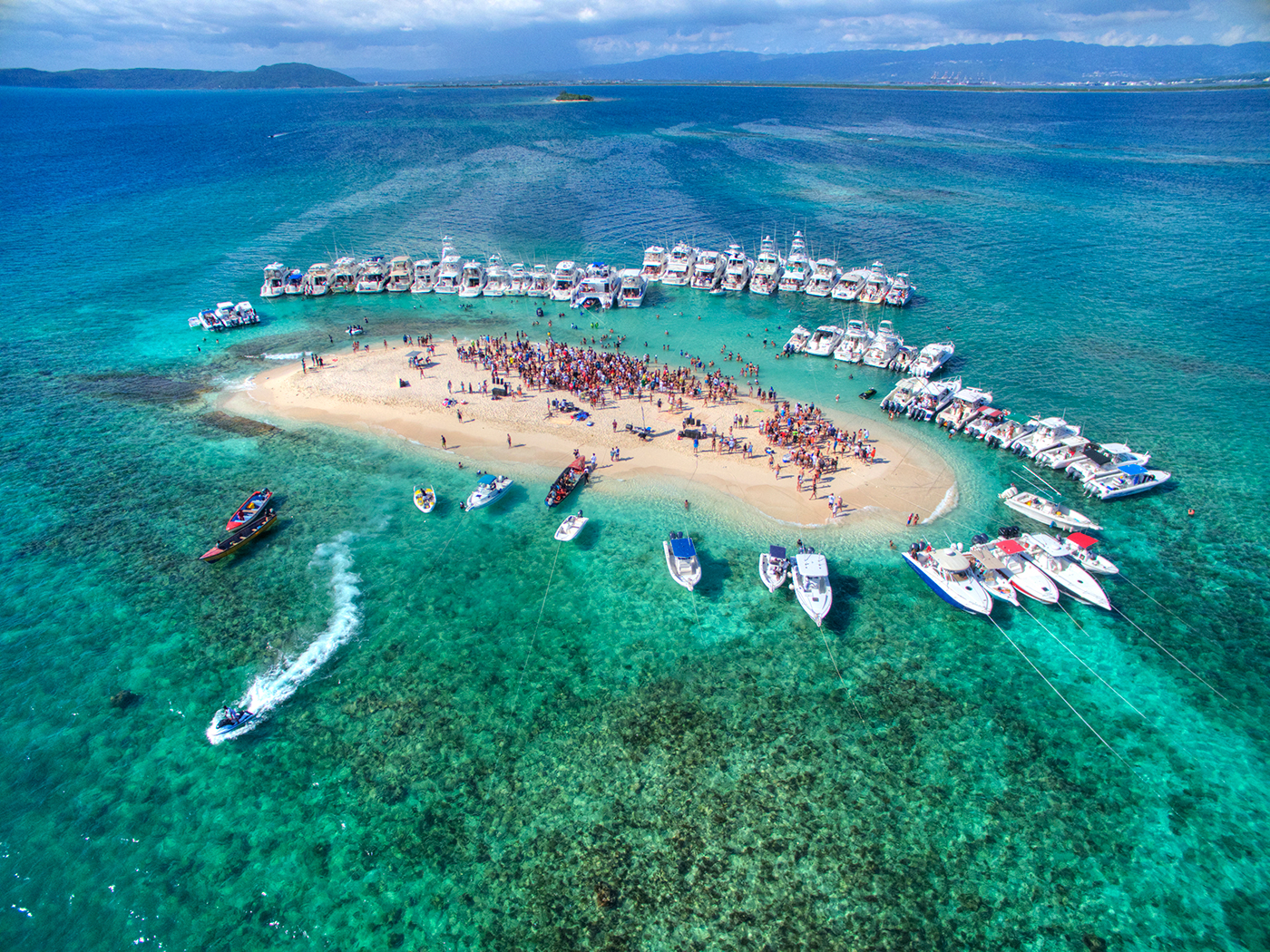
The most popular of these small islands is Lime Cay, a beautiful, low-lying islet of white sand and clear water. On weekends, it becomes a social hub, with boats anchoring offshore and people enjoying the sun and sea. During the week, you might be lucky enough to have it almost all to yourself.
For an even more secluded feel, you can arrange for a boat to take you to Maiden Cay or one of the other smaller, unnamed sandbars. These are the places you go to truly disconnect.
A trip to the cays requires self-sufficiency. You must pack everything you need water, food, shade, and most importantly, a bag to take all of your rubbish back with you. This is a pristine natural environment, and the cardinal rule is to leave no trace. It is a powerful exercise in sustainable, responsible travel.

Linstead: The Jamaica Tourists Rarely See
To truly understand the diversity of St. Catherine, you must venture inland, away from the coast and the capital’s orbit. Here you will find Linstead, a bustling agricultural town that offers a glimpse into the heart of everyday, rural Jamaica.
Linstead is a working town, famous for its vibrant market. The Linstead Market, immortalized in the classic folk song “Linstead Market,” is a sensory explosion. It’s a hub of commerce where farmers from the surrounding hills come to sell their produce. Here you will see fruits and vegetables you may never have encountered before, hear the lively banter of bargaining, and feel the true economic pulse of the parish.
A visit to Linstead is not about finding attractions; it’s about observation. It’s about learning what’s in season, striking up a conversation with a vendor, and understanding the deep connection between the land and the people. It is a side of St. Catherine, and of Jamaica, that is authentic, unfiltered, and deeply rewarding.
Where to Stay: Finding Your Base in St. Catherine
Your choice of accommodation in St. Catherine should be guided by your travel style. In Portmore, you will find a wide range of options, from budget-friendly rooms to comfortable, mid-range Airbnbs and guesthouses in quiet, residential neighbourhoods. The key is to decide on your priority: do you want to be closer to the coast for easy beach access, or in a community that offers a quicker commute into Kingston? Always factor in transportation, as traffic during peak hours can be heavy.
Getting Around the Parish
Navigating St. Catherine is straightforward. Route taxis are the most common form of local transport, running set routes for fixed fares. For more comfort and direct travel, you can use ride-sharing apps or hire a private charter driver, which is highly recommended for day trips to Spanish Town or for airport transfers. While renting a car is an option, be prepared for the assertive local driving style and the potential for traffic congestion, especially on the routes connecting to Kingston.
A Suggested Itinerary: An Intentional Few Days
The Weekend Reset:
- Day 1: Arrive and settle into your Portmore base. Enjoy a relaxed dinner at a local restaurant.
- Day 2: Full beach day. Start at the calmer Fort Clarence in the morning, then head over to Hellshire for the late afternoon energy and a classic fish dinner at sunset.
- Day 3: Take a morning boat trip out to Lime Cay for a few hours of island escape before heading back.
The History and Coast Combo:
- Day 1: A dedicated history day. Spend the morning and early afternoon exploring the historic sites of Spanish Town with a local guide. Return to Portmore for a quiet evening.
- Day 2: A day of sun and sea. Choose between a full day at Hellshire/Fort Clarence or an adventurous boat trip to the cays.
Final Thoughts: The Bridge Between Past and Present
St. Catherine is not just “next to Kingston.” It is Jamaica’s bridge. It is the bridge between the island’s Spanish and British past and its vibrant, modern present. It is the bridge between the intensity of the city and the calm of the coast, between the weight of history and the simple joy of everyday life.
To base yourself here is to make a choice for depth, for balance, and for a more nuanced understanding of Jamaica. It is the perfect home for the traveller who wants to be close to the action, but not consumed by it; who wants to learn, but also to relax; who wants to see the country not just as a destination, but as a home.
Check Out Other Guides
Essential Guide to Passports and Visas for Jamaicans: Where You Can Go and What You Need
Passport, Immigration and Citizenship Agency
Requirements For Entry Into Jamaica
The Ultimate Jamaica Travel Guide: A Local’s Deep Dive
Kingston Jamaica Travel Guide: How to Experience the “Heartbeat of Jamaica”
What to See in Kingston & St Andrew, Jamaica: A Local’s Guide
Where to Stay in Kingston, Jamaica: A Local’s Guide
Are You Planning Your Next Trip? Here’s What I Use
These are the tools I rely on to make every trip smoother, safer, and more meaningful. If you use the links below, I may earn a small commission at no extra cost to you. Thank you for supporting this blog and my journey as a full-time traveller 💜
1. Learn the Local Language
I use Babbel to practice Spanish, French, and Portuguese while travelling. The app makes it so easy to learn useful phrases on the go.
2. Travel Insurance is a Must
I never leave home without SafetyWing. They’re affordable and ideal for frequent travellers or digital nomads.
3. Book Your Tours & Experiences
For unique local tours and must-see experiences, I use:
→ Viator
→ Get Your Guide
4. Always Stay Connected
No matter where I go, Keepgo helps me stay connected with international data SIMs and eSIMs that actually work. A lifesaver when Wi-Fi fails!
5. Organise Your Itinerary
I use Tripsy to plan and store my itineraries, documents, and bookings in one clean app. It’s perfect for keeping track of everything in one place.
Until next time, travel softly,
Destiny 💜
