How to Do Machu Picchu Peru: The Complete Guide to Tickets, Routes, Circuits, and Everything In Between
Let me tell you what nobody prepares you for.
It is not the altitude, though you will feel that. It is not the crowds, though there will be people. It is not even the logistics, the trains and the buses, the checkpoints and the ticket scanning and the early morning queue in the dark, though all of that is real, and I will walk you through every single step of it.
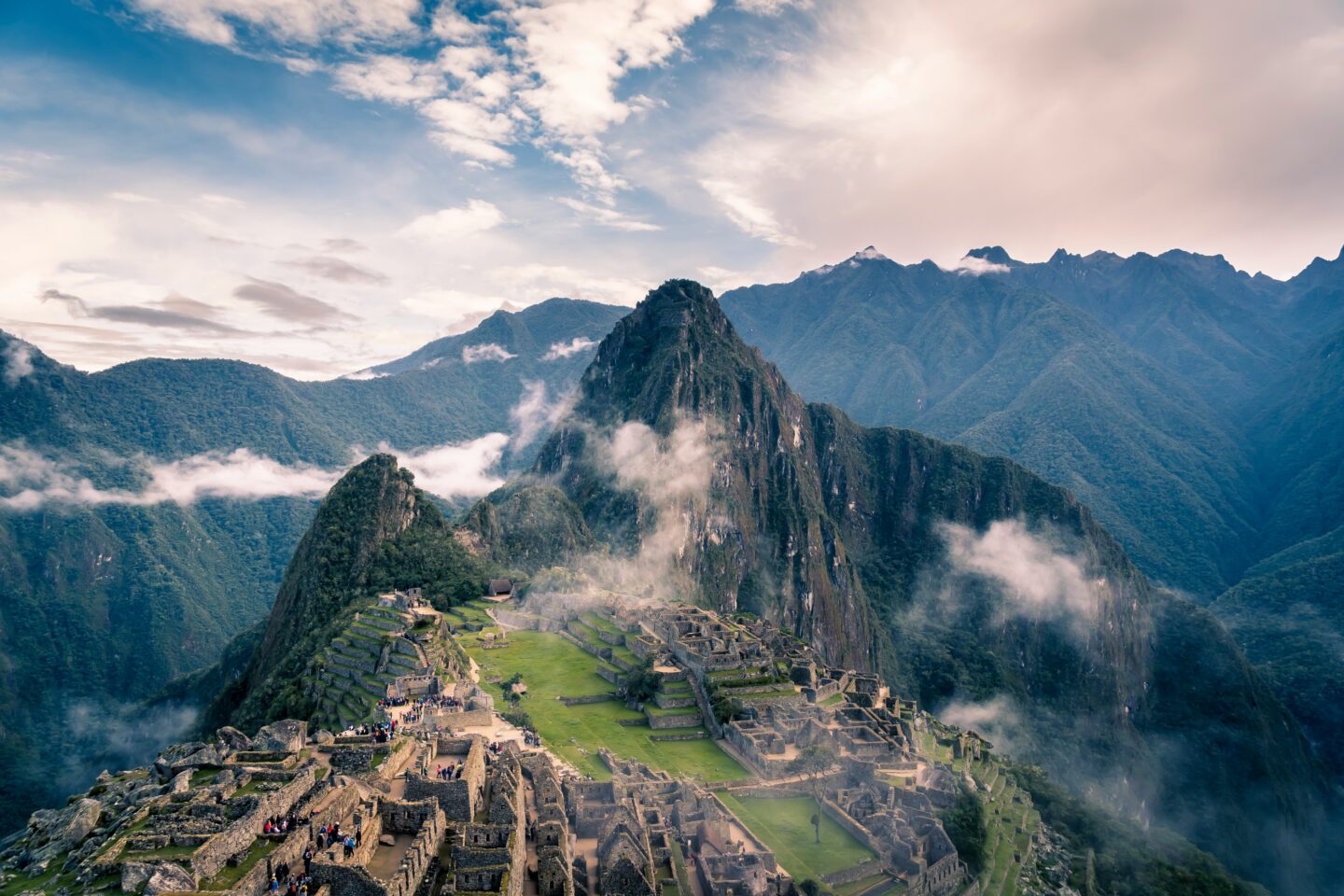
What nobody prepares you for is the moment you come around a corner on the circuit path, and Machu Picchu is simply there. Not in a photograph. Not on a screen. There, in front of you, in the actual world, at the actual scale of it, with the actual mountains rising behind it and the actual morning light moving across the terraces and the stones.
I have seen many beautiful things in my years of travelling. I have stood on clifftops in Negril and watched the sun go down over the Caribbean in colours that felt almost theatrical. I have been to places that earned their reputations and places that did not. Machu Picchu earns its reputation. Completely. Without reservation.
The day I climbed was one of the clearest days of the entire week brilliant sun, no cloud cover, the mountains sharp and vivid in every direction. I later found out that the friend who went the day before me had stood at the viewpoint and seen nothing but white clouds. She had planned everything perfectly. The weather simply did not cooperate.
This is the truth about Machu Picchu: you prepare everything you can prepare, and then you surrender the rest to whatever the mountain decides. This guide is about the preparation. Every logistics detail, every ticket link, every route option, every rule about what you can and cannot bring. When you have read it, you will know exactly what to do. The mountain will take care of the rest.
Contents
- 1 What Is Machu Picchu, and Why Does It Matter?
- 2 Before You Plan Anything: The Non-Negotiable Truths
- 3 Understanding the Routes: Three Ways to Get to Machu Picchu
- 3.1 Route 1: The Train Route (Most Accessible Route I Took)
- 3.2 Step 1: Cusco to Ollantaytambo
- 3.3 Step 2 The train to Aguas Calientes
- 3.4 Step 3 Aguas Calientes overnight
- 3.5 Route 2: The Independent Route (Without a Package)
- 3.6 Route 3: The Budget Bus and Inca Trail Trek
- 3.7 Route 4: The Classic Inca Trail (Four or Five Days)
- 4 How to Buy Your Machu Picchu Entry Tickets
- 5 What to Expect on the Day: The Full Step-by-Step Experience
- 6 What to Bring and What to Leave Behind
- 7 Altitude at Machu Picchu: What to Expect
- 8 Sunrise vs Daytime: What Time Should You Go?
- 9 Guided vs Independent: Which Is Right for You?
- 10 The Checkpoint System: What to Expect
- 11 A Note on Rainy Season vs Dry Season
- 12 Frequently Asked Questions
- 12.1 Where do I buy official Machu Picchu tickets?
- 12.2 How far in advance should I book?
- 12.3 Can I do Machu Picchu as a day trip from Cusco?
- 12.4 What is the difference between Inca Rail and Peru Rail?
- 12.5 Can I hike the Inca Trail instead of taking the train?
- 12.6 What if the circuit I want is sold out?
- 12.7 Is travel insurance necessary?
- 12.8 Can I book a consultation to plan my Machu Picchu trip?
- 13 Quick Reference: Everything You Need in One Place
- 14 Ready to plan your tripwith intention?
- 15 Are You Planning Your Next Trip? Here’s What I Use
What Is Machu Picchu, and Why Does It Matter?
Machu Picchu is a fifteenth-century Inca citadel situated on a mountain ridge at approximately 2,430 metres above sea level, in the Cusco region of southern Peru. It sits above the Urubamba River valley in a setting of such dramatic natural beauty, forested mountains, clouds that move through the valley at eye level, and the river roaring far below that the architecture and the landscape seem to be in deliberate conversation with each other.
It was built during the reign of the Inca emperor Pachacutec, likely around 1450 CE, and was abandoned less than a century later, probably in connection with the Spanish conquest, though the Spanish never actually found it. The citadel remained largely unknown outside of local communities until 1911, when the American historian and explorer Hiram Bingham was guided to the site by a local farmer and brought it to international attention.
The Incas were extraordinary engineers and astronomers. The buildings of Machu Picchu are constructed from precisely cut stone blocks fitted together without mortar a technique so sophisticated that the structures have survived centuries of earthquakes that have destroyed modern buildings in the region. The agricultural terraces, built into the mountainside to create flat growing areas at altitude, demonstrate an understanding of ecology and microclimate management that we are still studying.
One of the most moving aspects of visiting Machu Picchu, at least for me, as someone who loves history and culture and the stories that places carry, is listening to a good guide explain the spiritual dimension of the Inca world. The ceremonies of Pachamama, Mother Earth, are woven through the architecture, the agriculture and the daily life of the Inca people. Standing in the Temple of the Sun and hearing those connections explained is a different experience from simply looking at stones. It makes the place alive.
We listened to a ceremonial blessing on our visit to the mountain, one performed by our guide in which the earth was thanked for food, for shelter, for the air itself. I am a woman of faith, and I found it beautiful. Whatever your own beliefs, there is something in the Inca spiritual tradition that is worth approaching with genuine curiosity rather than simple tourism.
Machu Picchu is one of the seven wonders of the world. I understand now why. It is not the buildings alone it is the buildings in that landscape, in that light, with that history. It is the whole thing together.
Before You Plan Anything: The Non-Negotiable Truths
I am going to say this at the beginning of this guide rather than burying it in the logistics section, because it is the most important information in the entire article.
Machu Picchu entry permits sell out. Not sometimes. Not only during peak season. They sell out consistently, and the most desirable circuits sell out months in advance. If you are planning a Peru trip and Machu Picchu is on your itinerary and it should be book your entry tickets before you book almost anything else.
Train tickets also sell out. The Inca Rail and Peru Rail services between Ollantaytambo and Aguas Calientes are the primary routes to the site, and available seats on the most convenient departures go quickly, particularly from May through September.
Bus tickets from Aguas Calientes up to the entrance of the site can be booked in advance and should be. On the morning of your visit, the queue for the buses begins forming before 5 am. Having your ticket already purchased means you join the queue with a confirmation rather than trying to buy at the booth.
Everything for Machu Picchu requires planning. This is not cautious advice; it is the practical reality of visiting one of the most popular heritage sites in the world. The section below walks you through exactly what to book, where, and in what order.
Understanding the Routes: Three Ways to Get to Machu Picchu
There are several ways to reach Machu Picchu, ranging from the fully organised package to the independent multi-day trek. Below are the three main routes, explained clearly.
Route 1: The Train Route (Most Accessible Route I Took)
This is the route I took, and the one I would recommend to most travellers, particularly those who are visiting for the first time, travelling with limited time, or preferring comfort and certainty over adventure and uncertainty.
The route follows this sequence: Cusco → Ollantaytambo → Aguas Calientes (by train) → Machu Picchu entrance (by bus).
Step 1: Cusco to Ollantaytambo
Ollantaytambo is a town in the Sacred Valley, approximately 70 kilometres from Cusco, roughly a 90-minute journey by road. It is the main departure point for trains to Aguas Calientes.
You can arrange this transfer in several ways. The most straightforward is a private transfer through your accommodation or a reputable tour operator. Shared shuttles also operate between Cusco and Ollantaytambo for lower prices. Some Inca Rail packages include this transfer the 360° Machu Picchu package, which is the one I used, covered my bus from Cusco to Ollantaytambo as part of the full service.
Book the train: Inca Rail 360° Machu Picchu package
The road between Cusco and Ollantaytambo passes through the Sacred Valley and is beautiful terraced hillsides, small villages, the Urubamba River beginning to make itself known. Leave early enough to allow time for traffic and to be at the Ollantaytambo train station without rushing.
Step 2 The train to Aguas Calientes
There are two main train operators running between Ollantaytambo and Aguas Calientes: Inca Rail and Peru Rail. Both are reputable, both offer comfortable trains with large windows designed specifically to frame the mountain views, and both run several daily services.
The journey takes approximately ninety minutes to two hours, depending on the specific service and departure time. I travelled with Inca Rail on the 360° service, which offered comfortable reclining seats, large panoramic windows including a glass ceiling section and an onboard experience that included snacks, tea, and a brief musical and cultural performance. It was, genuinely, a pleasure.
On our journey, we were visited by a traditional healer who performed a blessing ceremony for passengers who wished to participate. This was one of those unexpected moments of travel sitting on a train moving through the Andes, watching the jungle close in around the tracks, listening to a ceremony of gratitude to the earth that I did not plan for and will not forget.
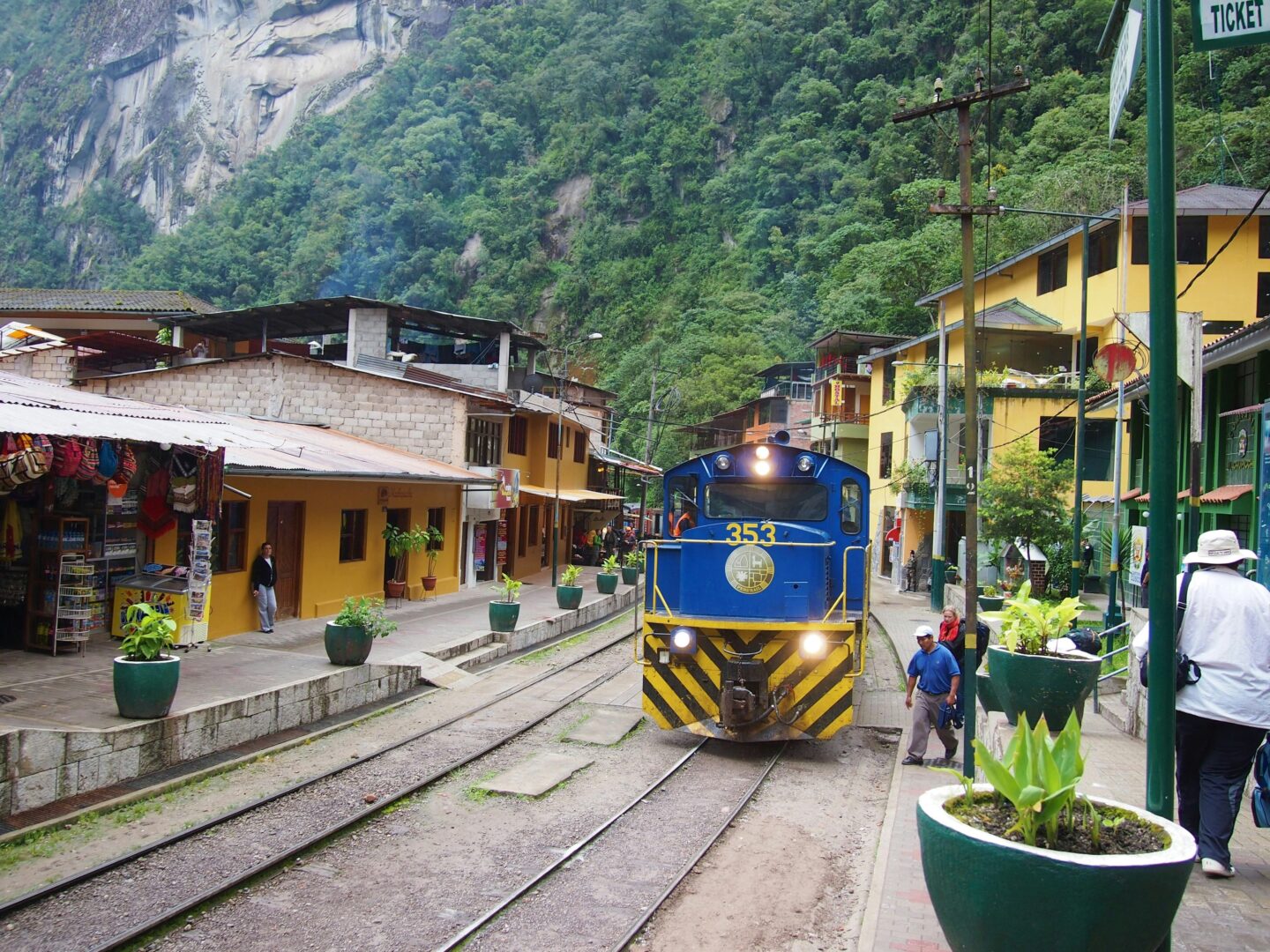
The landscape changes dramatically as the train descends from the Sacred Valley toward Aguas Calientes. The arid, high-altitude terrain of the valley gives way to increasingly dense vegetation as the altitude drops. By the time you arrive in Aguas Calientes, you are in something that feels genuinely like the edge of the Amazon basin, which, in a sense, it is. The Urubamba River beside the tracks is the beginning of a waterway that eventually joins the Amazon. The air is humid. The mountains are enormous. The scale of everything changes.
Book your train: Book Inca Rail
Book your train tickets as early as possible at least 4 to 6 weeks in advance. Peak season departures (June through August) can sell out 2 to 3 months ahead. The first morning trains are the most popular and go first.
Step 3 Aguas Calientes overnight
Aguas Calientes, officially named Machu Picchu Pueblo, is a small town with one purpose, and it is admirably honest about this. There are restaurants, small hotels and Airbnbs, a market, and souvenir shops arranged along the Urubamba River in a narrow valley surrounded by cloud forest. That is essentially everything.
I chose to stay overnight, arriving in the afternoon with enough time to walk around the town, find a restaurant, eat a good dinner, and get to bed at a reasonable hour. I would strongly recommend this approach over attempting a same-day return from Cusco, which is logistically possible but physically exhausting and leaves you with no margin if anything goes wrong, such as a train delay, ticket complication, or longer-than-expected time on the mountain runs over schedule.
Arriving the evening before also means you can wake up early and be at the bus stop before most of the day-trip visitors have arrived. The first buses up the mountain leave before 5:30 am, and being on one of the early ones makes a meaningful difference to the experience on the mountain itself.
Get the right hotel: Book accommodation in Aguas Calientes
Book your accommodation in Aguas Calientes before you leave Cusco. The town is small, the better options fill up, and arriving without a confirmed booking is an unnecessary source of stress at the end of a long travel day.
Route 2: The Independent Route (Without a Package)
If you prefer to organise everything yourself rather than using a package operator, the route is the same, but the bookings are made individually. This gives you more flexibility over timing and provider choices, and is often slightly less expensive than a full package, though the time investment in research and booking is higher.
Book your 2 Day – Inca Trail to Machu Picchu
The steps are identical: transfer from Cusco to Ollantaytambo, train to Aguas Calientes, bus up to the site entrance. The difference is that you book each element separately.
For the train, book directly through the Inca Rail or Peru Rail websites, or through a reputable booking platform. For the bus from Aguas Calientes to the site entrance, buy your round-trip bus ticket through the official Consettur service. This can be done online in advance, which I strongly recommend, or at the bus station in Aguas Calientes. For your Machu Picchu entry permit, buy it directly through the official government portal.
The advantage of this route is flexibility. You choose your train, your departure time, your accommodation, and your circuit independently. The disadvantage is that if something is unavailable, the train you wanted is sold out, the circuit you hoped for is fully booked, you are managing each problem individually.
When booking independently, do the tickets in this order: Machu Picchu entry permit first (hardest to get, most important), then train tickets, then bus tickets, then accommodation. This ensures the critical pieces are in place before you build the rest of the trip around them.
Route 3: The Budget Bus and Inca Trail Trek
For travellers on a tighter budget, there is a route that involves taking a bus from Cusco to Ollantaytambo independently, which is significantly cheaper than a private transfer and then joining a trekking group that walks the trail from Ollantaytambo to Aguas Calientes rather than taking the train.
Get your Official Machu Picchu tickets
The walk from Ollantaytambo to Aguas Calientes along the railway tracks known informally as the ‘Inca Jungle Trail’ or simply the train track walk takes approximately five to six hours and passes through extraordinary mountain jungle landscape. It is not a casual walk, but it is not technical hiking either. It requires good fitness, appropriate footwear, and the awareness that you will be walking alongside an active railway line for portions of the route.
This route trades comfort and certainty for cost savings and a genuinely adventurous approach. If you are a hiker who does not mind roughing it slightly and wants the experience of arriving in Aguas Calientes on foot rather than by train, it is a valid and rewarding choice.
Route 4: The Classic Inca Trail (Four or Five Days)
The Classic Inca Trail is a separate experience from Machu Picchu itself it is a multi-day trek that approaches the site from a different direction, ending with the famous Sun Gate entrance on the final morning. It requires a separate permit (which sells out even faster than the standard Machu Picchu entry ticket, sometimes a full year in advance), a licensed guide, and several days of genuine mountain trekking at altitude.
I did not take this route on this trip, but I want to include it because it represents an entirely different relationship with the journey. The people who walk the Inca Trail do not simply visit Machu Picchu — they arrive at it after days of physical effort and mountain landscape, and the arrival is correspondingly more emotional. If this is on your list, research it separately and book the permits as early as humanly possible.
Book Your 4 Days Inca Trail To Machu Picchu
How to Buy Your Machu Picchu Entry Tickets
This is the section that most people get wrong, and getting it wrong means missing Machu Picchu entirely or having to significantly adjust your itinerary. Please read it carefully.
The official booking portal
Machu Picchu entry permits are purchased through the official Peruvian government portal: tuboleto.cultura.pe. This is the only source I would recommend for the permits themselves. Third-party vendors do sell tickets, but buying directly from the official source removes any risk of fraud, incorrect tickets, or permits that do not scan correctly at the entrance.
The portal requires you to create an account, enter your passport details for each visitor, select your date and time slot, choose your circuit, and complete payment. The process takes approximately twenty minutes and should be done with your actual passport to hand, as the number must match exactly.
Your ticket will be emailed as a PDF. Print it. Do not rely on a phone screen; the checkpoints at Machu Picchu scan physical tickets, and in my experience, the lines move faster and the scanning is more reliable with a printed copy. Bring your passport as well, as you will be asked to show it alongside your ticket at multiple points.
Understanding the circuits
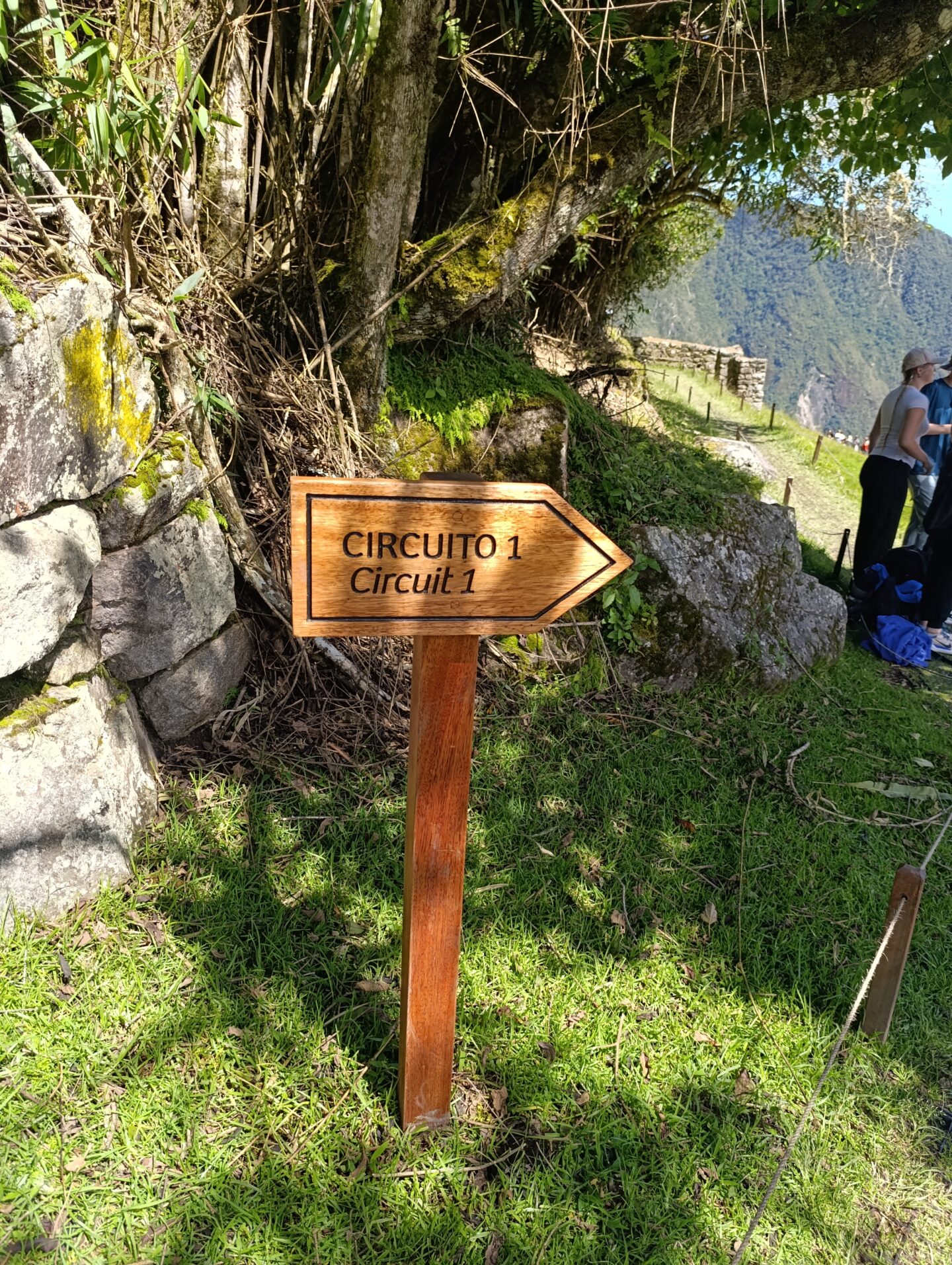
Machu Picchu is divided into circuits defined by walking routes through different parts of the site. The available circuits change depending on the season, conservation needs, and ongoing restoration work. When I visited during the rainy season, some circuits that operate in the dry season were closed.
Below is a guide to the main circuits as I understand them. Always verify current availability on the official portal when you book, as these can and do change.
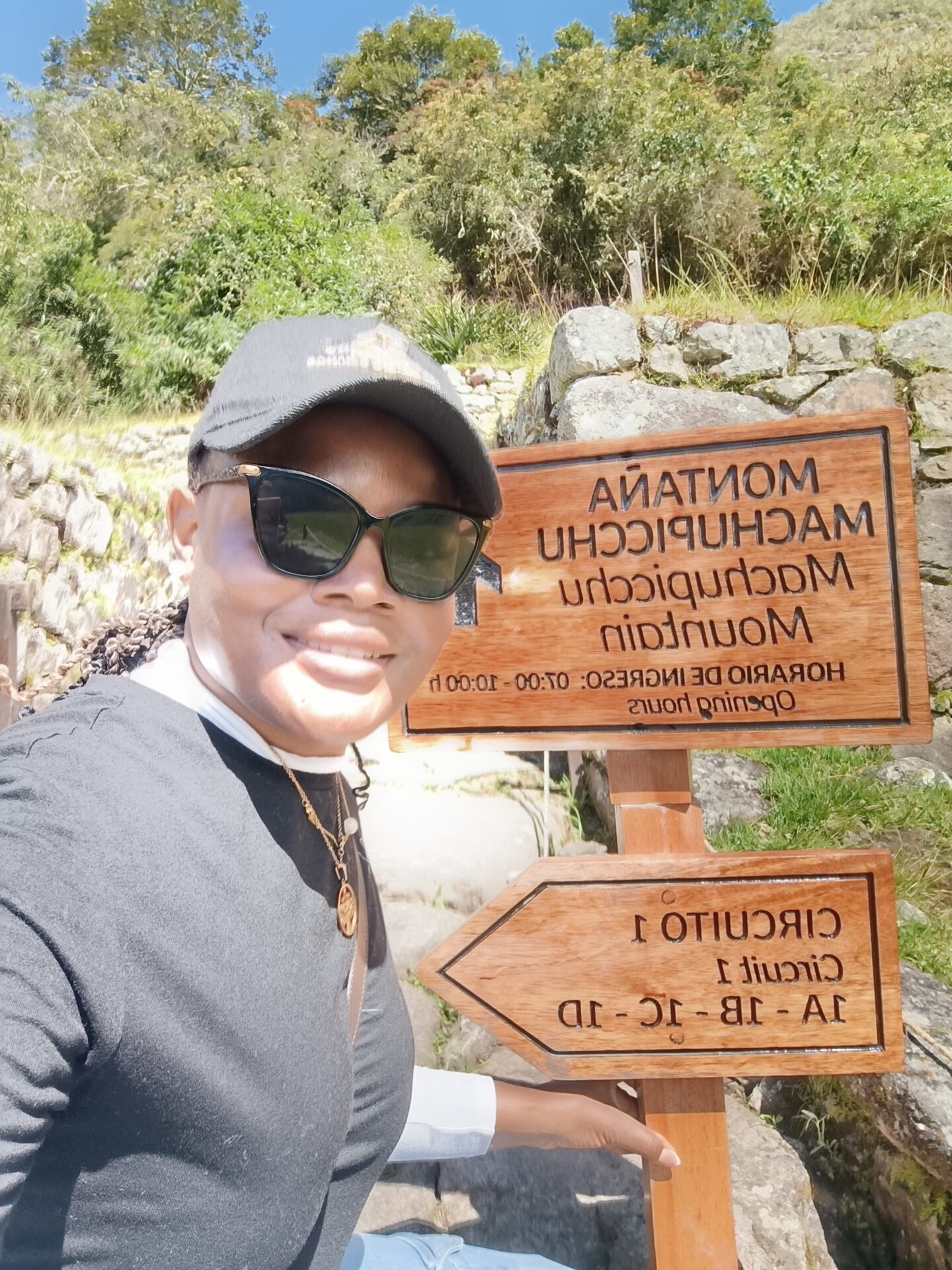
Circuit 1: the classic viewpoints
Circuit 1 takes you to the upper sections of the site, including the most famous viewpoints that produce the iconic photographs of the citadel with the mountains behind it. You are looking at the ruins from above and from the side, which gives you the full panoramic perspective.
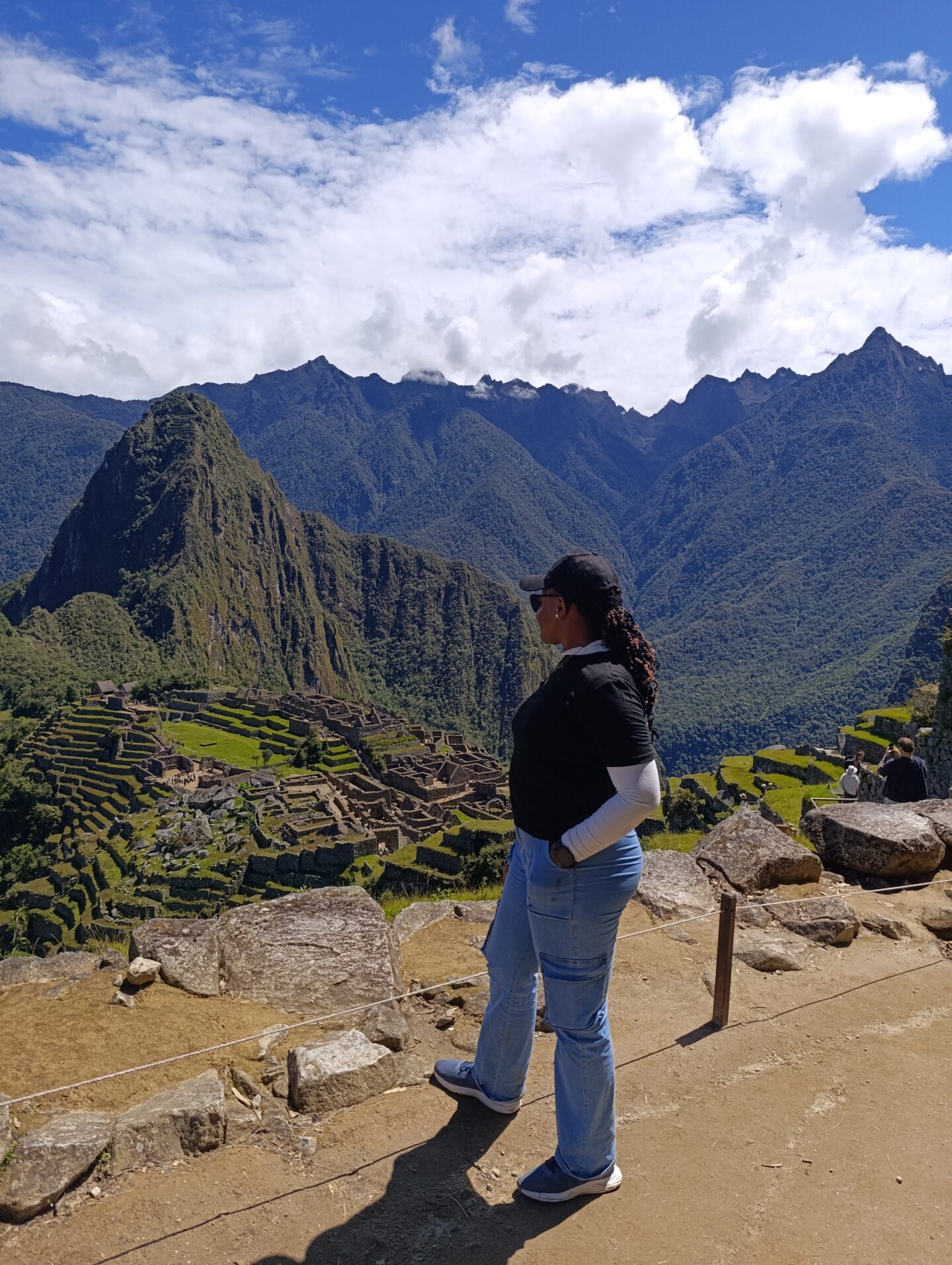
This is the circuit I did on my most recent visit. The walking is moderately strenuous; there are uneven stone paths and some steep sections, but it is manageable for most people with a reasonable level of fitness. The time on the circuit is approximately ninety minutes to two hours, not including the time waiting at entry, taking photographs, or listening to your guide.
Circuit 1 is the best choice for the classic Machu Picchu photographs and for the overview of the entire citadel.
Circuit 2 through the citadel
Circuit 2 routes you through the ruins themselves into the agricultural terraces, through the residential and ceremonial buildings, among the stones. It is the experience of being inside Machu Picchu rather than looking at it from a distance.
This is the circuit that sells out the fastest and is often unavailable if you book less than several months in advance. It is also the circuit I walked on my first visit to Machu Picchu, and the experience of moving through the actual spaces of the citadel, standing in the Temple of the Sun, walking through the residential quarters, seeing the stonework up close, is genuinely different from the Circuit 1 viewpoint experience.
If you can get tickets for both circuits, do both in the same day. As I mentioned in the Peru itinerary article, there is a daily release of additional tickets at the entrance gate and in Aguas Calientes, approximately one hundred extra tickets per day. If you have Circuit 1 and want to add Circuit 2, ask at the Aguas Calientes bus station or at the gate on the morning of your visit.
Circuit 2 sells out months in advance. Book it as soon as you have your travel dates confirmed. If it is already sold out when you check, set a reminder to check again. Cancellations do happen, and tickets sometimes reappear.
The mountain circuits Huayna Picchu and Machu Picchu Mountain
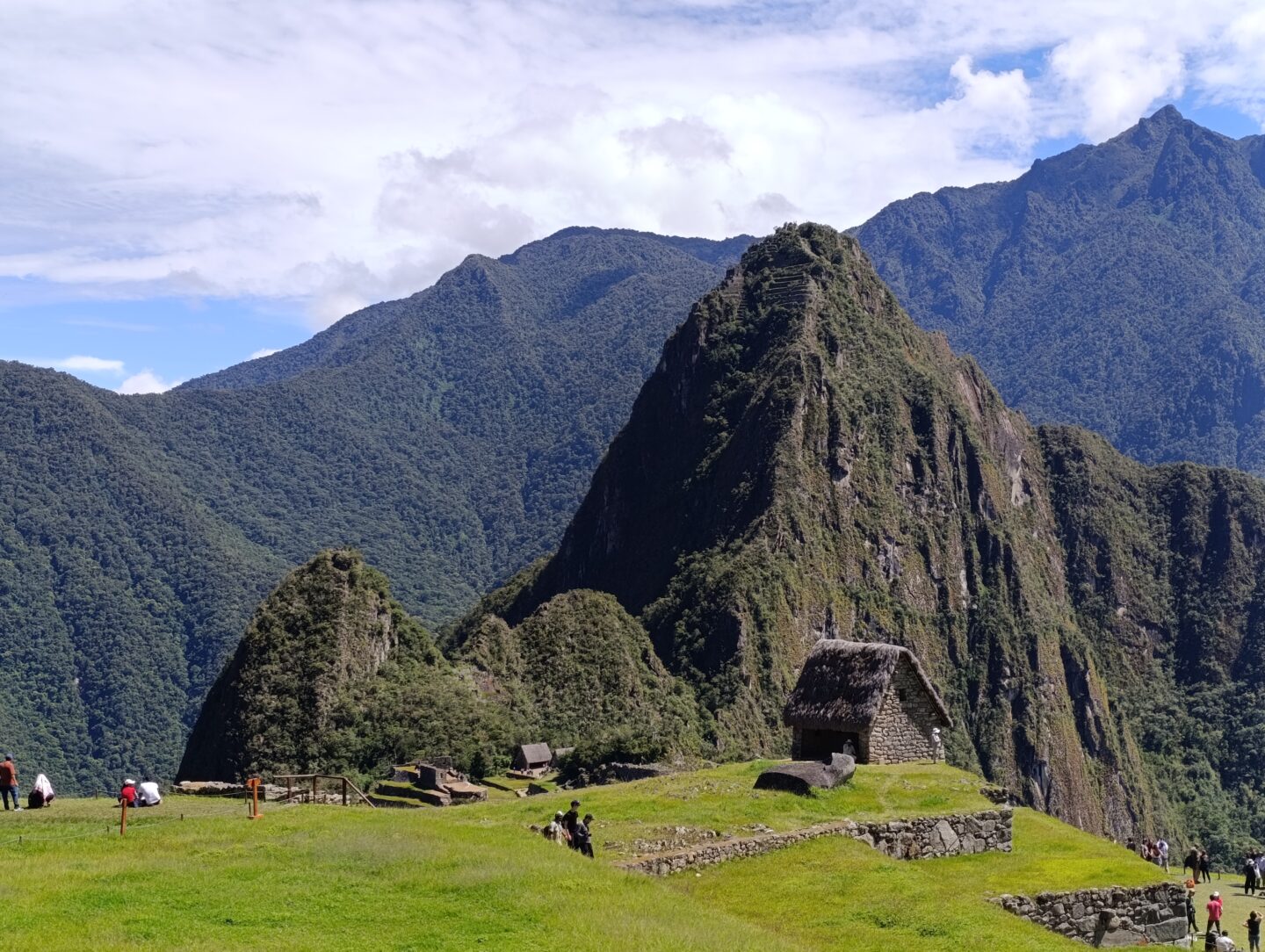
These are the climbing circuits that take you to the peaks visible in many of the famous photographs of the site. Huayna Picchu is the dramatic pointed mountain that rises directly behind the citadel in the classic image. Machu Picchu Mountain is the higher of the two and offers the most expansive views.
Both mountain circuits require a separate ticket in addition to your site entry permit. Both are physically demanding. Huayna Picchu in particular involves near-vertical sections with chains to hold, and both require a reasonable level of fitness and comfort with heights. The number of tickets for each is strictly limited to protect the trails.
Huayna Picchu tickets are perhaps the hardest Machu Picchu tickets to obtain. They sell out extremely fast and often months in advance. If climbing Huayna Picchu is important to you, book it as the very first thing you do when planning your Peru trip.
What to Expect on the Day: The Full Step-by-Step Experience
This section is exactly what I wish I had been able to read before my visit. Everything that happens, in order, from the moment you leave your accommodation in Aguas Calientes to the moment you return.
The night before
Prepare everything the night before. Lay out your day bag small, no larger than a standard daypack, with everything you plan to bring. Print your Machu Picchu entry permit and your bus ticket if you have not already. Charge your phone. Set your alarm for early, I would suggest 4:30 am at the latest, 4:00 am if you want to be on one of the very first buses.
Eat a proper dinner in Aguas Calientes. You will be on your feet for several hours the next morning, and the altitude means your body is already working harder than usual. Hydrate well. Go to bed early.
The morning queue for the bus
The bus queue in Aguas Calientes begins forming before 5 am, sometimes earlier during peak season. The first buses depart before 5:30 am. Being on an early bus is worth the early wake-up; you arrive at the site entrance as it opens, before the main volume of day-trip visitors arrives, and the first hour on the mountain has a quality of light and a relative quiet that later in the morning it does not.
The queue for the bus is where you will first encounter the checkpoint system. Your ticket will be scanned. Then scanned again. Then potentially again. This is not an exaggeration; on my visit, my bus ticket was scanned at least four times by four different individuals before I boarded the vehicle. Have it accessible and do not put it away between checkpoints.
The bus ride from Aguas Calientes to the site entrance takes approximately thirty minutes on a winding road that climbs through cloud forest. The views from the bus window, particularly in the early morning with the mist still in the valleys, are beautiful in their own right.
Arriving at the entrance
At the top of the bus route, there is a staging area with toilets, a small café, a luggage storage facility, and the entrance gates. Use the toilets here; there is a fee, which is normal for Peru, and these are the last public toilets you will have easy access to until you exit the circuit.
Meet your guide here if you have arranged a guided tour, which I strongly recommend for a first visit. A good guide will change your experience completely. My guide, Jaime, I want to say his name because he deserves it was knowledgeable, entertaining, genuinely passionate about Inca history, and willing to take photographs for the group at every significant viewpoint. The difference between experiencing Machu Picchu with and without a good guide is the difference between seeing a place and understanding it.
At the entrance gates, you will show your passport alongside your entry permit. The permit is scanned. This happens again as you enter specific sections of the circuit. Prepare for it and do not let it frustrate you. The checkpoint system exists to manage visitor numbers and protect the site.
On the mountain, what you will see
The specifics of what you see depend on your circuit, but some things are common to most visits.
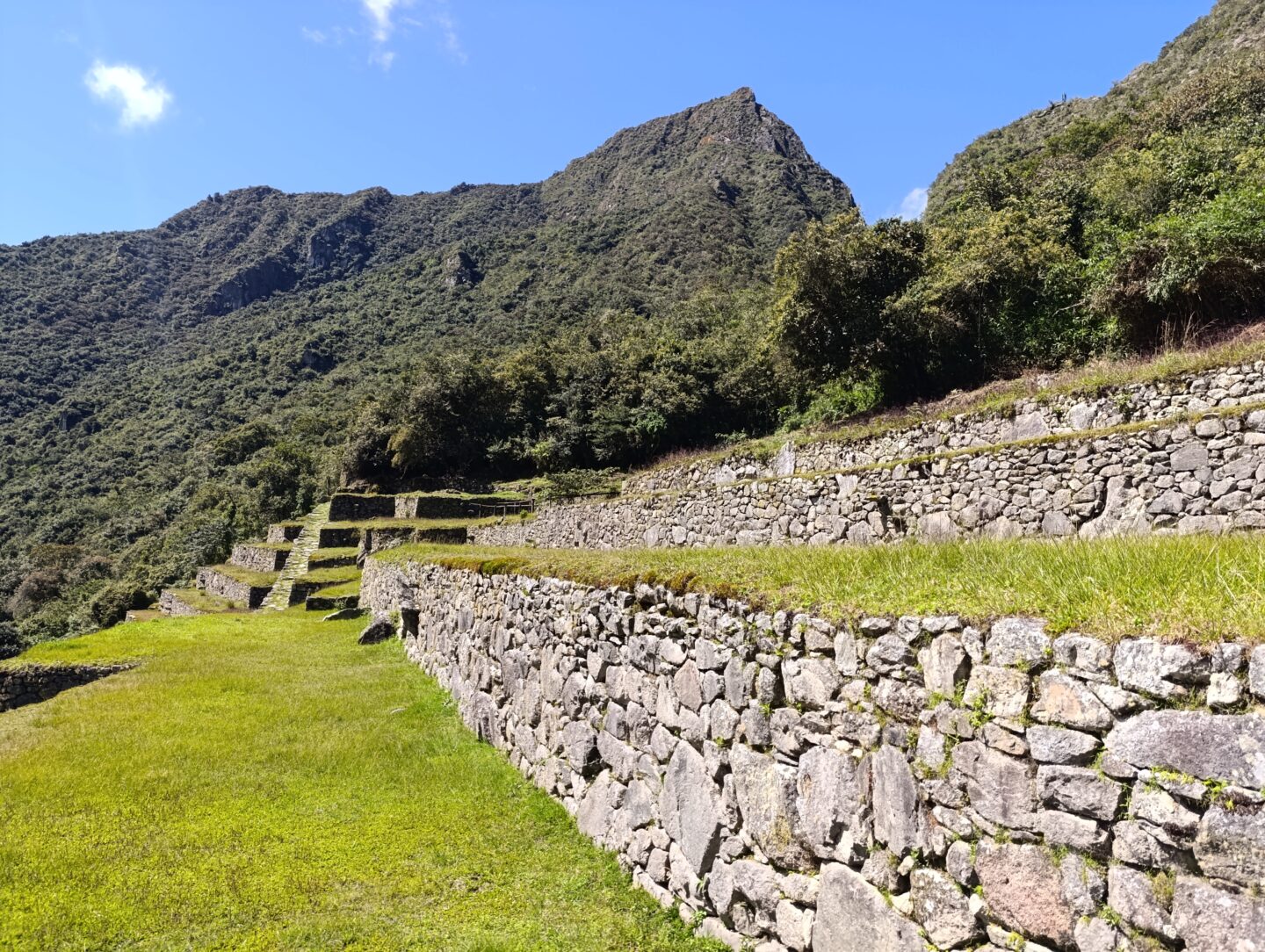
The agricultural terraces are the first major section for most circuits, enormous stone-faced platforms built into the mountainside that descend in tiers from the main citadel area. These terraces were not merely practical farming infrastructure. They were also architectural statements, demonstrations of the Inca capacity to transform a mountain into a garden, and according to the researchers who have studied them a sophisticated system for managing soil temperature and moisture at different altitudes.
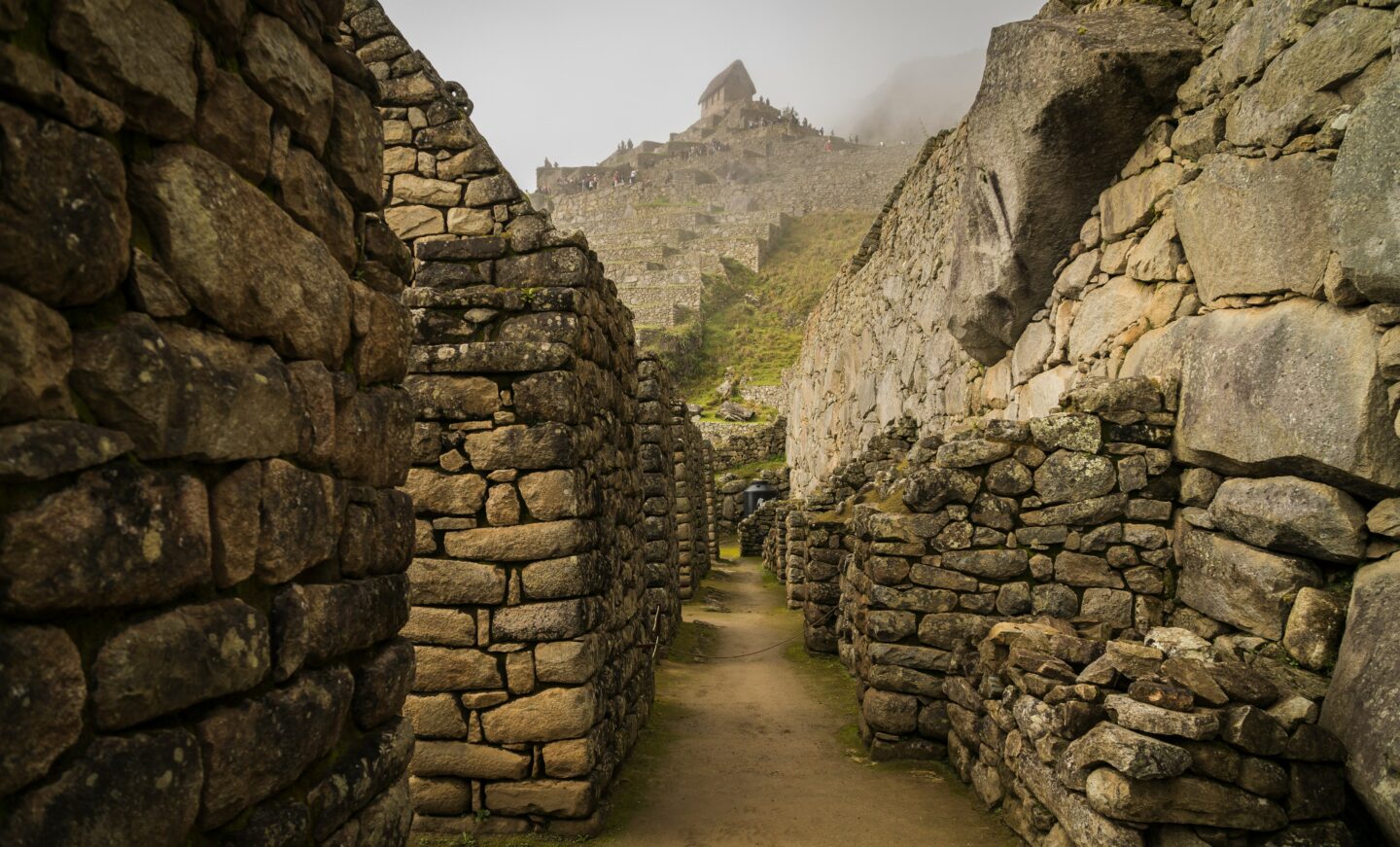
The residential and ceremonial buildings of the main citadel, the Intihuatana stone, the Temple of the Sun, and the Room of the Three Windows are among the finest examples of Inca architecture anywhere in Peru. The stonework is extraordinary at close range: massive blocks, precisely cut and fitted without any binding material, their surfaces smooth and exact. The seismic activity in the region has tested these joints over centuries. They hold.
The Intihuatana stone, a carved granite ritual stone at the highest point of the citadel, was used as an astronomical instrument, aligned with the sun’s position at the solstices. The Incas were sophisticated astronomers, and the placement of significant structures at Machu Picchu reflects a deep understanding of the movement of the sun and its relationship to the agricultural calendar.
Standing at Machu Picchu and listening to a guide explain the Inca worldview, the reverence for Pachamama, the reading of the sky, the stones aligned to the stars, I understood something I had not expected to understand: that this was not a primitive civilisation building impressive things. This was a sophisticated civilisation building intentional things. The difference matters.
The ceremonial experience
On our visit, we witnessed two brief ceremonial blessings. One was performed at a specific ceremonial space within the site by a practitioner who had come up with our group. The other was performed by our guide Jaime, himself a simple, heartfelt giving of thanks to Pachamama, to the mountains, to the earth for what it provides.
I am a woman of faith. I found these moments genuinely moving, not because I share the specific belief system, but because the impulse behind them, gratitude, acknowledgement, the understanding that the world we move through is worthy of thanks resonates with me deeply. Whether or not this aspect of the experience interests you, I would encourage you to approach it with openness rather than as something to be observed from a polite distance.
After the circuit, the descent, and what comes next
When your circuit is complete, you exit the trail and arrive at the lower section of the site, near the main entrance area. Here, there is another café, a souvenir stand, and the bus stop for the return journey to Aguas Calientes.
The bus back requires your ticket to be scanned again. Join the queue, it will be longer later in the morning and allow approximately forty-five minutes from the moment you join the queue to the moment the bus drops you back in Aguas Calientes.
Once back in Aguas Calientes, you have choices. If you are doing a same-day return, your afternoon will be occupied by the train back to Ollantaytambo and onward to Cusco. If you are staying an additional night, as I did, you have an afternoon to walk around the town, rest, eat a good lunch, and begin the slow decompression from one of the more remarkable mornings of your life.
What to Bring and What to Leave Behind
The rules about what can and cannot be brought into Machu Picchu are strictly enforced and worth knowing in advance.
What you are not allowed to bring
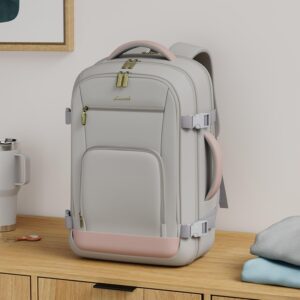
- Large backpacks: only small day bags or handbags are permitted. A standard school-size backpack is the maximum. Your hiking rucksack stays at the hotel.
- Umbrellas: not permitted inside the site. If rain is possible, a waterproof poncho is the solution.
- Selfie sticks: not permitted. Leave yours at home.
- Drones: absolutely not permitted. This is actively enforced.
- Food in full meals or picnic quantities: light snacks only. Crisps, nuts, and energy bars are fine. A full lunch packed in containers is not.
- Large water bottles with lids that are not properly sealed: bring water in a proper lidded bottle or hydration pack.
The luggage storage facility at the entrance area will hold your larger bag while you are on the circuit. Use it. Carrying unnecessary weight at 2,430 metres is a choice you will regret within the first thirty minutes.
Travel Essentials






What you should definitely bring
- Your printed entry permit and bus ticket are printed, not just on your phone.
- You will be asked to show your passport multiple times.
- Sunscreen with high SPF. The UV intensity at altitude is significantly higher than at sea level, and the sun at Machu Picchu is intense even when the air feels cool. I went in the rainy season on a day that was unexpectedly brilliant and hot. I was grateful for my sunscreen.
- A hat with a brim for the same reason. The sun is serious.
- Water at least 1.5 to 2 litres. You will be on your feet for several hours at altitude, and hydration is more important than it feels.
- Light snacks: energy bars, nuts, dried fruit. Enough to keep you fuelled without constituting a meal.
- Machu Picchu’s weather is unpredictable. The morning can be cold and misty; by midday, it can be hot. Dress in layers that can be added or removed.
- A rain poncho is compact and lightweight, essential in the wet season, a sensible precaution even in the dry season. You cannot bring an umbrella, so the poncho is your only shelter from rain.
- Good walking shoes with grip the paths at Machu Picchu, which are uneven stone, often damp, and can be slippery. Proper walking shoes or light hiking boots are essential. Do not attempt this in sandals.
- Altitude medication if prescribed, if you have been taking acetazolamide or similar, continue your schedule. Coca sweets are available at the entrance area and are a useful supplement.
Altitude at Machu Picchu: What to Expect
Machu Picchu sits at approximately 2,430 metres above sea level, which is actually considerably lower than Cusco at 3,400 metres. For visitors who have been in Cusco for several days before making the Machu Picchu trip, which is the correct approach the site’s altitude will feel easier than the city they have just come from.
That said, this is still significantly higher than sea level, and the physical exertion of walking the circuits, especially the mountain circuits at altitude, should not be underestimated. Move at a pace your body is comfortable with. Stop when you need to. The guide will set a pace that accounts for the group’s needs.
The most common altitude-related experience at Machu Picchu is shortness of breath during uphill sections not dangerous but noticeable. Slow down rather than pushing through it. Drink water consistently. If you feel dizzy or significantly unwell, tell your guide or the site staff immediately.
For a fuller discussion of altitude preparation, including medication, acclimatisation strategy, and the specific demands of Rainbow Mountain, see the full Peru guide on the blog.
Read the Article: What to know before visiting Peru
Sunrise vs Daytime: What Time Should You Go?
This is one of the most common questions about Machu Picchu, and the honest answer is: both have their case, and the weather matters more than the time.
The case for sunrise
Arriving at the site for the first entry of the day before 6 am means experiencing Machu Picchu in the soft, early light, often with the last of the morning mist still in the valleys below. At this hour, before the main volume of day-trip visitors arrives, the site has a quiet and stillness that is qualitatively different from midday. If your circuit brings you to the main viewpoints early in the morning, the light on the ruins is extraordinary.
The practical requirements of a sunrise visit a 4 am wake-up, a 5 am bus queue, are real, and whether the experience is worth the early start depends partly on how important the photographic and atmospheric quality is to you.
The case for a later start
A later arrival, say, 7 or 8 am, means more sleep, a less pressured morning, and often better weather as the morning cloud burns off. The quality of light at Machu Picchu is genuinely excellent throughout the morning, not only at sunrise. If the mountain circuits Huayna Picchu or Machu Picchu Mountain are your goal, your entry time is dictated by your ticket allocation rather than your personal preference.
My honest recommendation: aim for one of the earlier time slots, even if not the very first. The crowds build significantly after 9 am, and the first two hours on the mountain have a quality that the midday experience does not.
The weather truth
Here is the thing that neither the sunrise nor the later-start camp can control: the weather. A friend of mine visited the day before I did and stood at the viewpoint in thick cloud, unable to see the citadel from ten metres away. I visited the day after and had the clearest, most brilliant morning of the entire week. She planned everything correctly. She just had different weather.
This is the reality of Machu Picchu. You prepare everything you can prepare, and then you accept what the mountain gives you. Most visitors, most of the time, have a good experience of the weather. Some do not. Go anyway.
Guided vs Independent: Which Is Right for You?
You can visit Machu Picchu independently, entering with your permit and walking the circuit at your own pace, reading the information boards and drawing your own conclusions from what you see.
You can also visit with a guide, either one arranged through your accommodation or tour operator, or one of the licensed guides available for hire at the site entrance.
My recommendation is a guide, strongly, for a first visit. The difference between experiencing Machu Picchu with good information and experiencing it without is substantial. The physical structure of the ruins without context is impressive. The structure with its history, its astronomy, its spiritual significance, its story of construction and abandonment and rediscovery is extraordinary. A good guide provides that context.
My guide, Jaime, was the reason I understood what I was looking at, rather than simply seeing it. He explained the agricultural terraces as a biological experiment, the Temple of the Sun as an astronomical instrument, the stonework as a seismic engineering achievement. He took us to the viewpoints at the right moments. He took our photographs without being asked. He made the morning what it was.
Guides can be booked in advance through Viator or similar platforms, or arranged through your Cusco accommodation. If you book independently, ensure your guide is licensed by the Peruvian Ministry of Culture; unlicensed guides operate at Machu Picchu but do not have access to all areas of the site.
The Checkpoint System: What to Expect
Machu Picchu has a rigorous entry management system, and visitors who are not prepared for it sometimes find it frustrating. If you know what to expect, it is simply a process.
Your ticket and passport will be checked and scanned at multiple points: at the bus queue in Aguas Calientes, at the bus boarding point, at the site entrance, and potentially at internal checkpoints between circuit sections. I counted at least four distinct scanning points on my visit.
Have your printed ticket and passport accessible at all times. Do not pack them away between checkpoints. The process is efficient when visitors are prepared and significantly slower when they are not.
The site also manages visitor flow by controlling how many people enter each circuit section at specific times. If you are asked to wait before entering a particular area, this is normal. The wait is rarely long.
A Note on Rainy Season vs Dry Season
The dry season in the Cusco region runs approximately from May through October, with June, July, and August offering the most reliably clear skies and the best conditions for outdoor activity. This is peak season, and prices, crowds, and demand for tickets reflect it.
The rainy season runs approximately from November through April. I visited during the rainy season and want to be honest about what that means in practice.
The rainy season does not mean it rains all day, every day. It means there is more cloud, more unpredictability, and regular afternoon rain. Mornings in the rainy season are often clearer, sometimes, than the misty dry-season mornings. The landscape is extraordinarily lush and green, which is beautiful in its own way that the dry-season photographs rarely capture.
The major practical consideration for rainy season visitors: bring a poncho, accept that the weather may not cooperate on any given day, and book your dates with enough flexibility to manage if your visit is clouded out. The site does not offer refunds for poor weather.
The unexpected gift of the rainy season is significantly thinner crowds. I walked circuits that in July would have been densely packed, and had the space to stop, look, and absorb things without being moved along by the pressure of people behind me. If you are willing to accept the weather risk, the rainy season offers a Machu Picchu experience that the peak-season visitor rarely gets.
Frequently Asked Questions
Where do I buy official Machu Picchu tickets?
Directly through the official Peruvian government portal: tuboleto.cultura.pe. This is the only source I recommend. Have your passport details for all visitors ready before you begin the booking process, as the system requires them.
Get your Official Machu Picchu tickets
How far in advance should I book?
As far in advance as possible. Circuit 2 (through the citadel) and the mountain circuits (Huayna Picchu and Machu Picchu Mountain) can sell out two to three months ahead during peak season. Circuit 1 is more available but still sells out during busy periods. If you have fixed travel dates, book immediately after confirming them.
Can I do Machu Picchu as a day trip from Cusco?
Technically, yes, but I do not recommend it. A same-day return from Cusco requires a very early departure, leaves you with no margin for delays, and means you return to Cusco exhausted after a full day of altitude and physical activity. Staying overnight in Aguas Calientes gives you a better morning on the mountain and a more sustainable travel day.
What is the difference between Inca Rail and Peru Rail?
Both are reputable operators running the same route between Ollantaytambo and Aguas Calientes. The main differences are in specific service offerings and price tiers. Inca Rail’s 360° service, which I used, offers a premium experience with panoramic windows and onboard service. Peru Rail’s Vistadome service is comparable. Both book out quickly. Choose your preferred operator and book as soon as your dates are confirmed.
Can I hike the Inca Trail instead of taking the train?
Yes, but it requires a separate and limited Inca Trail permit, a licensed operator, and four to five days of trekking. Permits for the Classic Inca Trail sell out months to a year in advance. If the Inca Trail experience is your goal, it requires planning well ahead of anything else in your Peru itinerary.
What if the circuit I want is sold out?
There are several options. Check the official portal regularly; cancellations do occur, and tickets reappear. On the day of your visit, check at the gate or with vendors in Aguas Calientes for the limited daily release of additional tickets (approximately 100 per day). If you have time in Aguas Calientes the evening before, ask your accommodation about ticket availability; they often have current information.
Is travel insurance necessary?
Yes. Peru is not a destination to visit without comprehensive travel insurance, and this is particularly true for a trip that involves altitude, physical activity, and multiple legs of transport. SafetyWing offers flexible coverage that works well for this kind of itinerary.

Can I book a consultation to plan my Machu Picchu trip?
Yes. I offer travel consultation calls specifically for Peru itinerary planning covering the route to Machu Picchu, ticket booking strategy, accommodation at each stage, and all the logistical details that determine whether a trip like this goes smoothly or does not. Book at destinytravlr.com/work-with-me.
Quick Reference: Everything You Need in One Place
For the planning stage, bookmark this section. Every link and key piece of information in one place.
- Official Machu Picchu tickets
- Inca Rail 360° Machu Picchu package
- Viator day trips and guided tours: viator.com Machu Picchu search
- Book in advance permits, trains, buses, and accommodation in that order
- Print your permits and tickets do not rely on phone screens
- Bring passport, sunscreen, hat, water, poncho, snacks, layers
- No large backpacks, no umbrellas, no selfie sticks, no drones
- Allow at least one overnight in Aguas Calientes
- Acclimatise in Cusco for at least two days before attempting any significant physical activity
- Travel insurance: SafetyWing
READY TO PLAN YOUR PERU TRIP?
Machu Picchu rewards preparation. If you want to plan every detail of the route, the timing, the tickets, the accommodation at each stage, and everything in between, I offer travel consultation calls specifically for Peru itinerary planning. An hour together will give you a trip that is ready for the mountain rather than figuring things out on the way.
For the complete Peru itinerary Lima to Cusco to Machu Picchu see the full guide on the blog.
The 10-Day Peru Itinerary (Lima, Cusco & Machu Picchu
Check Out These Links
Tarjeta Andina de Migración (TAM) Virtual
Llaqta Machupicchu
Inca Rail
What to know before visiting Peru
Work with Destiny
Ready to plan your trip
with intention?
You have done the reading. Now let’s build the trip that actually fits the way you travel — your pace, your budget, your version of the perfect itinerary.
Limited spots available each month
Are You Planning Your Next Trip? Here’s What I Use
These are the tools I rely on to make every trip smoother, safer, and more meaningful. If you use the links below, I may earn a small commission at no extra cost to you. Thank you for supporting this blog and my journey as a full-time traveller 💜
1. Learn the Local Language
I use Babbel to practice Spanish, French, and Portuguese while travelling. The app makes it so easy to learn useful phrases on the go.
2. Travel Insurance is a Must
I never leave home without SafetyWing. They’re affordable and ideal for frequent travellers or digital nomads.
3. Book Your Tours & Experiences
For unique local tours and must-see experiences, I use:
→ Viator
→ Get Your Guide
4. Always Stay Connected
No matter where I go, Keepgo helps me stay connected with international data SIMs and eSIMs that actually work. A lifesaver when Wi-Fi fails!
5. Organise Your Itinerary
I use Tripsy to plan and store my itineraries, documents, and bookings in one clean app. It’s perfect for keeping track of everything in one place.
Until next time, travel softly,
Destiny 💜
