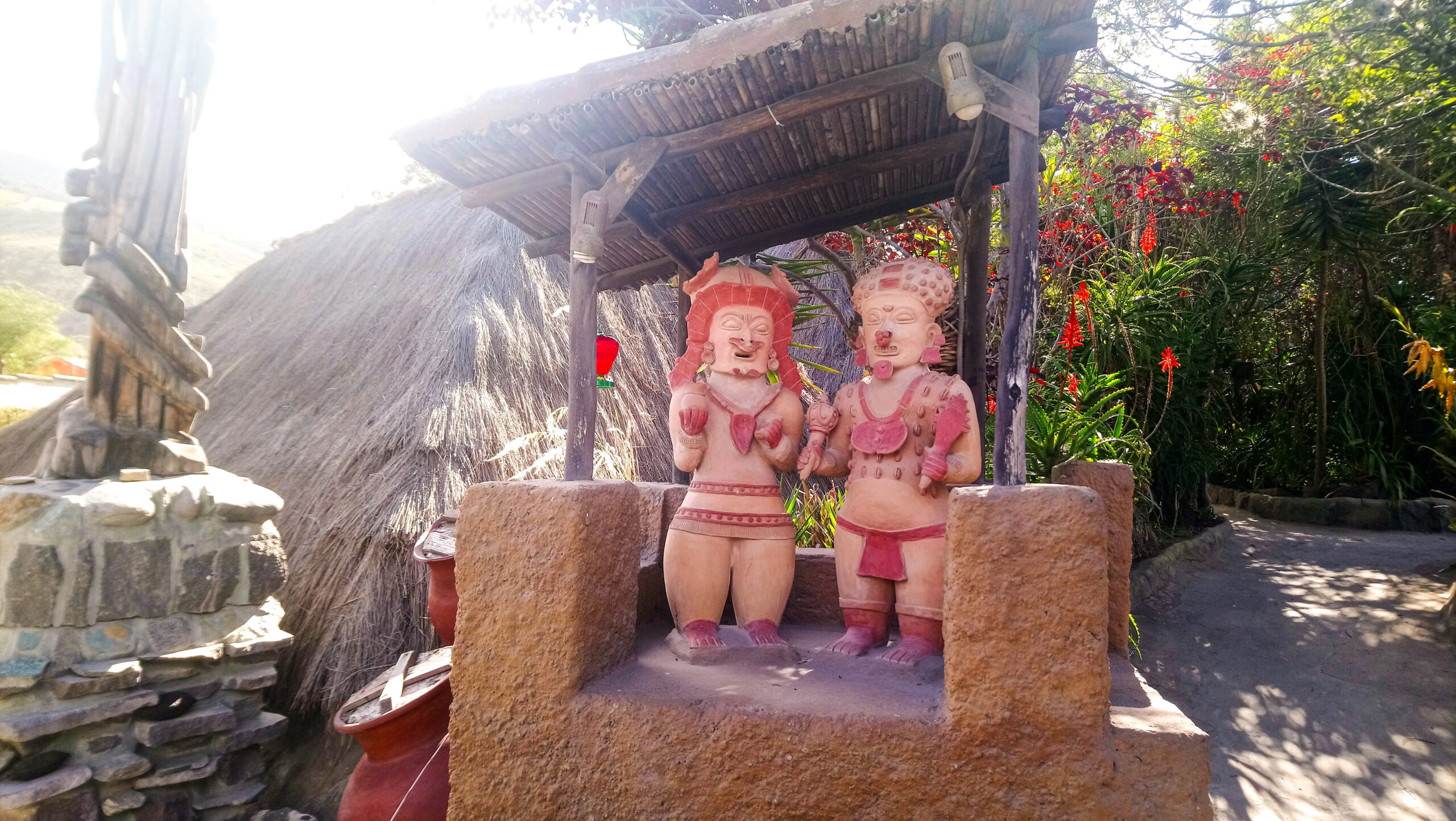
There is a line that circles the globe, an invisible seam holding the world’s two halves together. To stand upon it is a geographical pilgrimage. But to live on it, to have the rhythm of your days dictated by its perfect, twelve-hour balance of light and dark, is to have it etched into your soul.
For years, Quito was my home. I lived my life under the intense, vertical sun of the equator. I watched countless tourists rush in for a day, take the requisite photo with one foot in each hemisphere at the grand Mitad del Mundo monument, and rush out again, ticking a box on their South American itinerary. They had stood on the line, but I often wondered if they had felt it.
Ecuador changed me. It taught me a different sense of time, a deeper connection to the land, and a profound appreciation for the balance between light and shadow, chaos and calm. Leaving was a fracture. So, returning now, in 2026, felt like a necessary pilgrimage of my own. The journey back to Latitude 0° 0’ 0” was more than a day trip; it was a mission to stand in the middle of the world again, both literally and emotionally, and see if I could find my own centre once more.
Just a few hundred meters from the official monument, with its tour buses and grand plazas, lies a place that has always felt more true to the spirit of Ecuador: the Intiñan Solar Museum. It’s a place of story and spectacle, a vibrant, quirky, and slightly mischievous counterpoint to its stately neighbour.
This is not just an updated guide to a tourist attraction. This is a deep dive into the science, the myth, and the profound cultural significance of the equator. It’s an exploration of why a place that might be a brilliant hoax is, perhaps, one of the most authentic experiences you can have in Ecuador.
Contents
- 0.1 What Is the Intiñan Solar Museum?
- 0.2 The Great Equator Debate: A Story of Measurement and Discovery
- 0.3 Cultural Context: The Path of the Sun and Andean Cosmology
- 0.4 The Experiments: A Deep Dive into Equatorial “Magic”
- 0.5 Guide for Visiting Intiñan Solar Museum in 2026
- 0.6 How to Get to Mitad del Mundo from Quito (2026 Transport Guide)
- 0.7 Where to Stay: Finding Your Base in and Around Quito
- 0.8 Beyond the Museum: Making it a Full-Day Adventure
- 0.9 Ecuador Travel Requirements for 2026
- 0.10 The Final Verdict: Is the Intiñan Solar Museum Worth Visiting?
- 0.11 Reflection: Standing in the Middle of My World
- 0.12 Frequently Asked Questions (FAQ)
- 0.13 Is the Intiñan Museum the real equator?
- 0.14 How far is Intiñan from Quito?
- 0.15 How much does it cost to visit Intiñan?
- 0.16 Is Mitad del Mundo worth visiting?
- 0.17 Can you really stand in two hemispheres at once?
- 0.18 What is the difference between Intiñan and Mitad del Mundo?
- 1 Check Out Other Guides
- 2 Are You Planning Your Next Trip? Here’s What I Use
What Is the Intiñan Solar Museum?
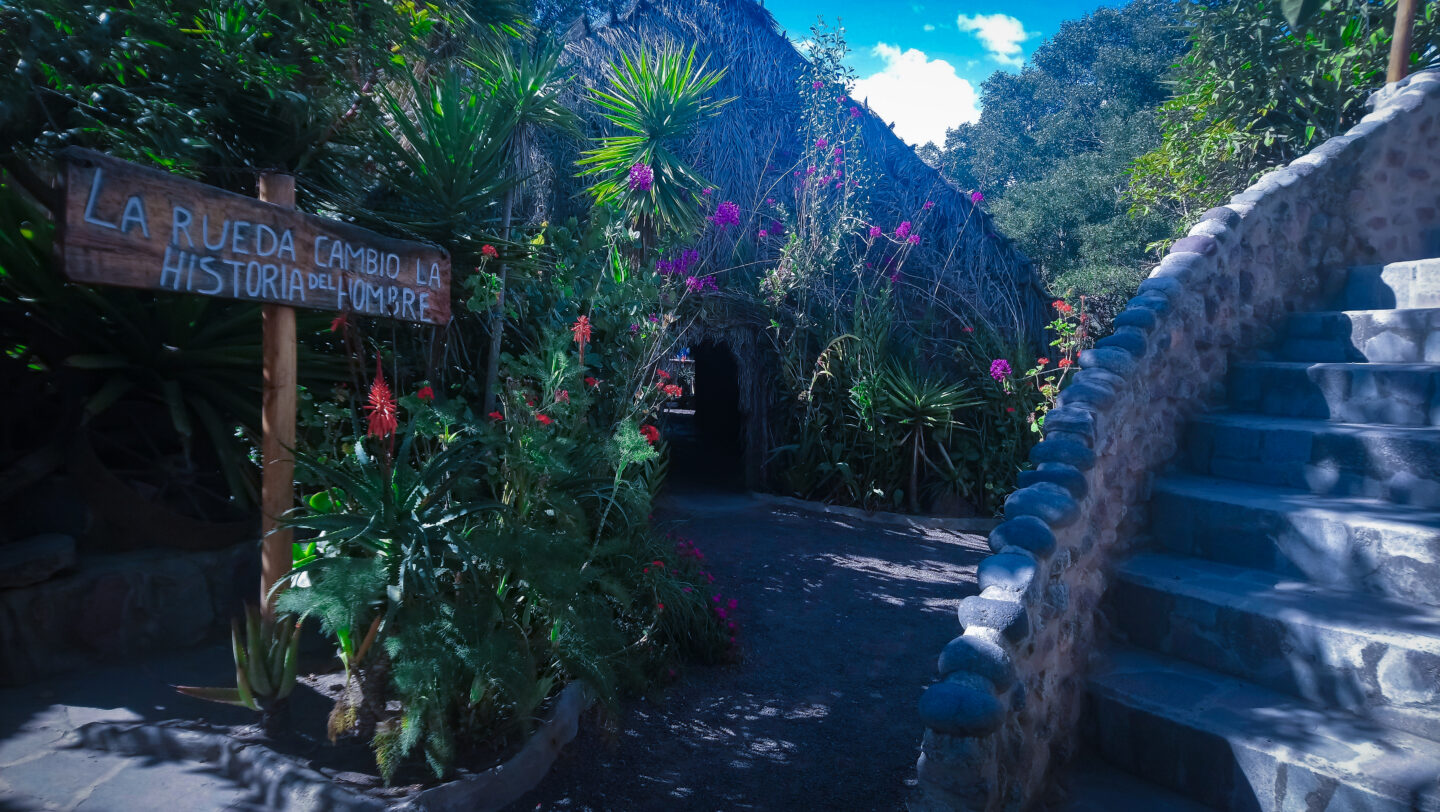
The Intiñan Solar Museum is an interactive, open-air ethnographic museum located in the San Antonio de Pichincha parish, a short walk from the official Mitad del Mundo monument. Founded in the 1960s, it is a private institution that stands in stark contrast to the government-run monument complex.
Where the official monument is formal and monumental, Intiñan is rustic, colourful, and hands-on. It claims, with a confident wink, to be located on the true equatorial line, verified by modern military-grade GPS. Its central premise is that unique physical phenomena occur only at Latitude 0° 0’ 0”, and the entire visitor experience is built around demonstrating these supposed effects.
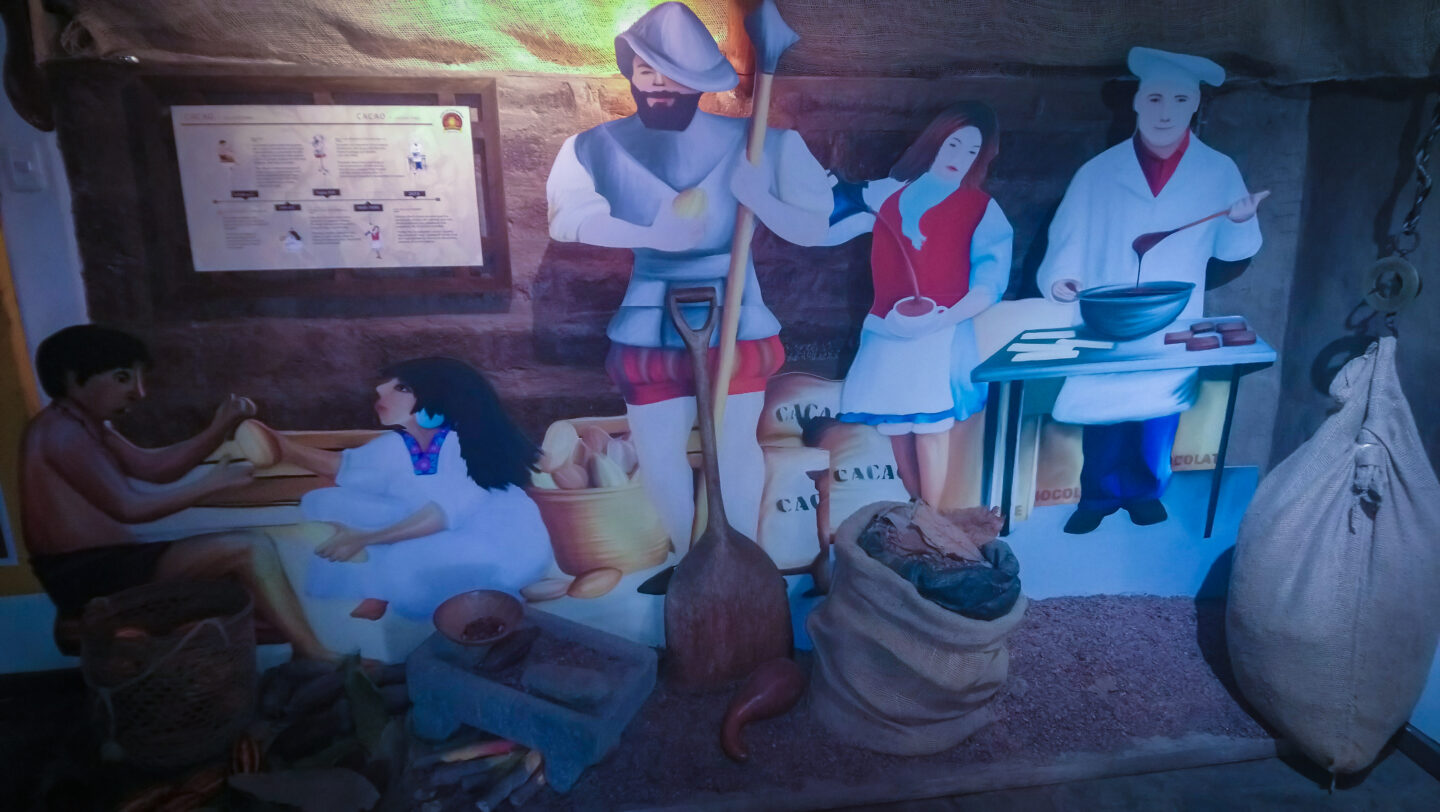
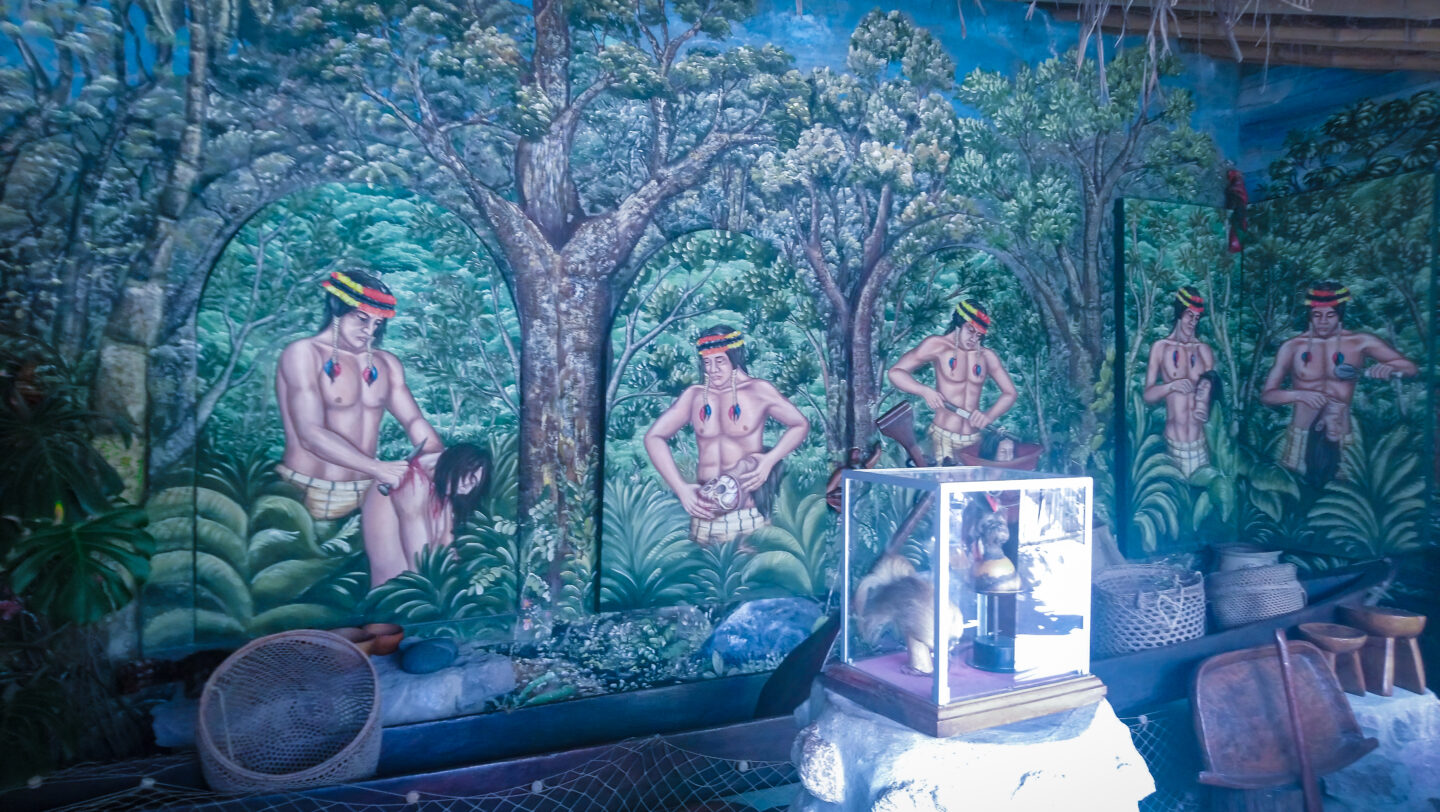
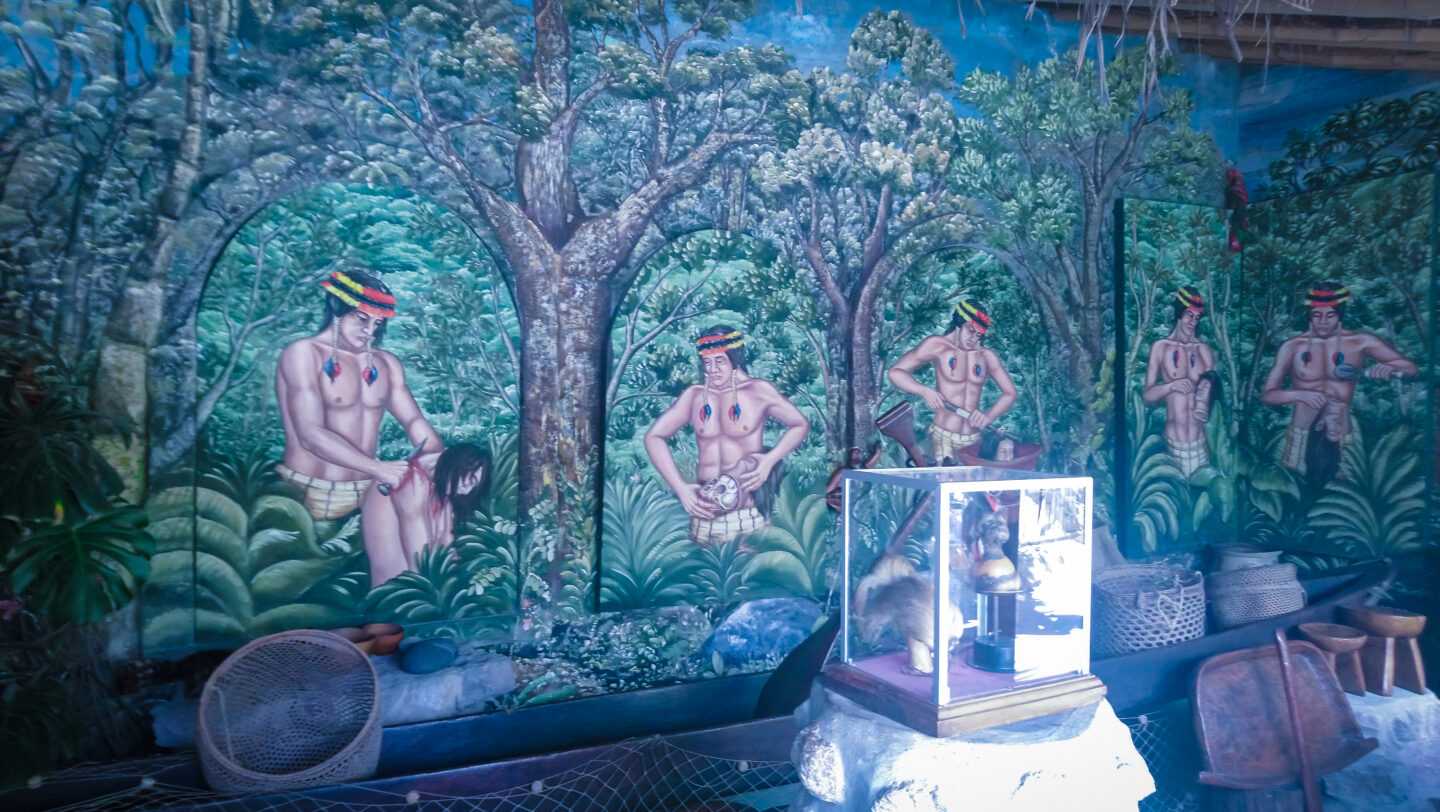
However, to label it merely as a “science museum” is to miss its soul. Intiñan is a cultural journey. It weaves together these interactive experiments with rich exhibits on the indigenous cultures of Ecuador, from the peoples of the Amazon to the traditions of the Andes.
The Scientific Controversy: It is intellectually dishonest to visit Intiñan without addressing the controversy. Many of the physics demonstrations, most notably the famous swirling water experiment, are considered by scientists to be clever tricks rather than genuine manifestations of the Coriolis effect on such a small scale. The egg-balancing feat is more a testament to a person’s patience than to unique gravitational forces.
But this is precisely what makes the museum so fascinating. It exists in a liminal space between fact and folklore, between education and entertainment. To dismiss it as a “hoax” is to be cynical; to accept everything blindly is to be naive. The correct approach is to embrace it as a piece of performance art, a brilliant and memorable way to make abstract concepts feel real.
The Great Equator Debate: A Story of Measurement and Discovery
To understand why two “Middle of the World” sites exist side-by-side, you have to go back to the 18th century.
The French Geodesic Mission (1736): In 1736, a team of French scientists embarked on a groundbreaking mission to Ecuador. Their goal was to measure a degree of latitude at the equator to settle a fierce scientific debate about the true shape of the Earth. Using the best instruments of their time, they performed painstaking calculations and eventually marked the line where they believed the equator lay. It was a monumental achievement of science and exploration.
The large, iconic Mitad del Mundo monument, built between 1979 and 1982, stands in honour of this historic mission, placed on the line they calculated.
The GPS Correction: The advent of the Global Positioning System (GPS) in the late 20th century changed everything. With pinpoint satellite accuracy, it was discovered that the French mission’s calculations were off by about 240 meters (around 787 feet). The true equator, according to modern technology, runs directly through the area where the Intiñan Solar Museum now stands.
Intiñan’s entire identity is built on this correction. It presents itself as the keeper of the “true” line. While even its claim isn’t perfectly precise down to the millimetre, it is undeniably closer to the real Latitude 0° 0’ 0” than the grand monument. This historical quirk has created a fascinating dynamic: visitors go to the official monument for the iconic photo and then walk to Intiñan for the “real” experience.
Cultural Context: The Path of the Sun and Andean Cosmology
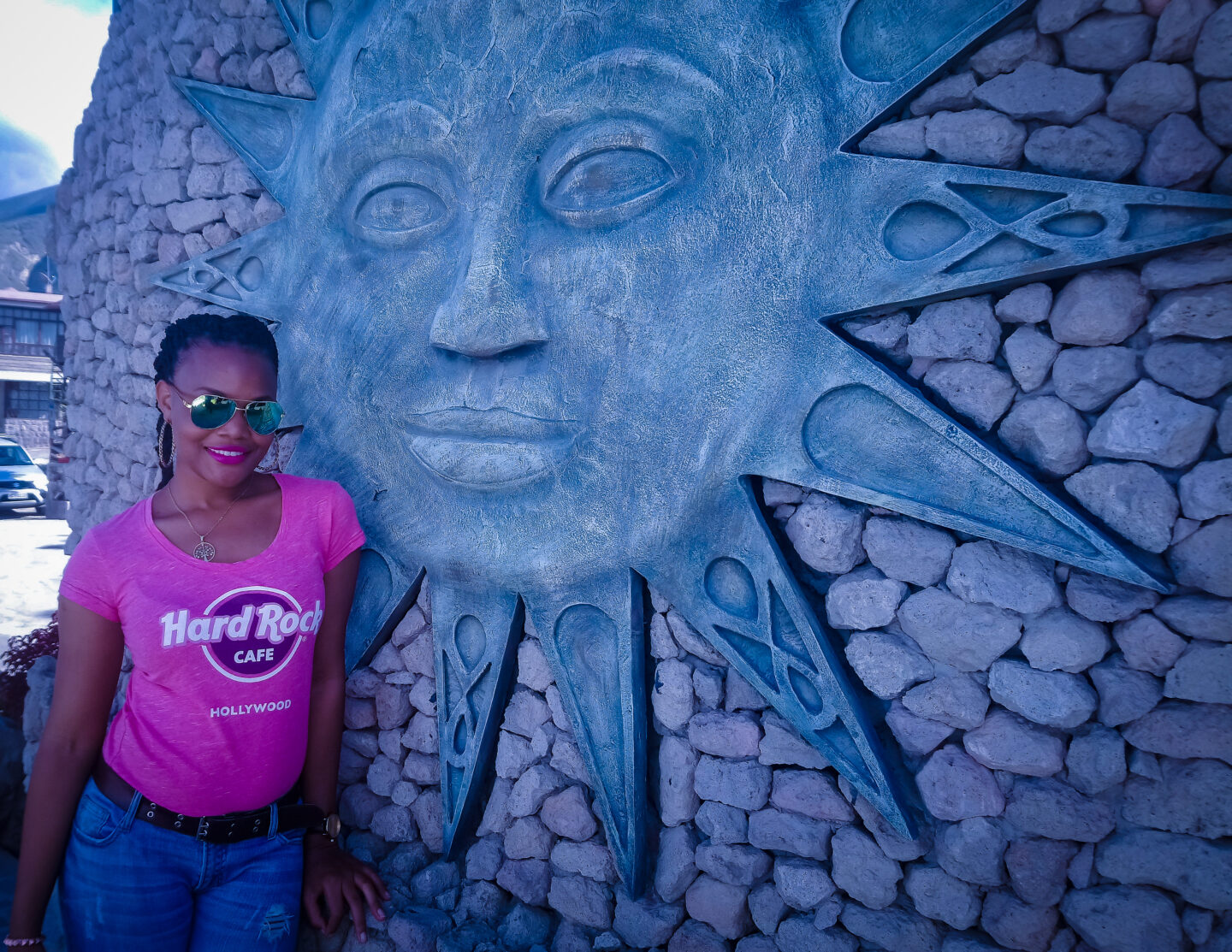
The significance of this location predates both the French scientists and the modern museums. For the indigenous peoples of the Andes, this was sacred ground. The very name of the museum, Inti Ñan, is Quichua for “Path of the Sun.”
In Andean cosmology, the sun (Inti) is a primary deity, the giver of life and regulator of the agricultural calendar. The equinoxes, when the sun is directly over the equator and day and night are of equal length, were moments of immense spiritual importance. These were times of balance, celebrated with ceremonies and festivals that aligned the human world with the celestial.
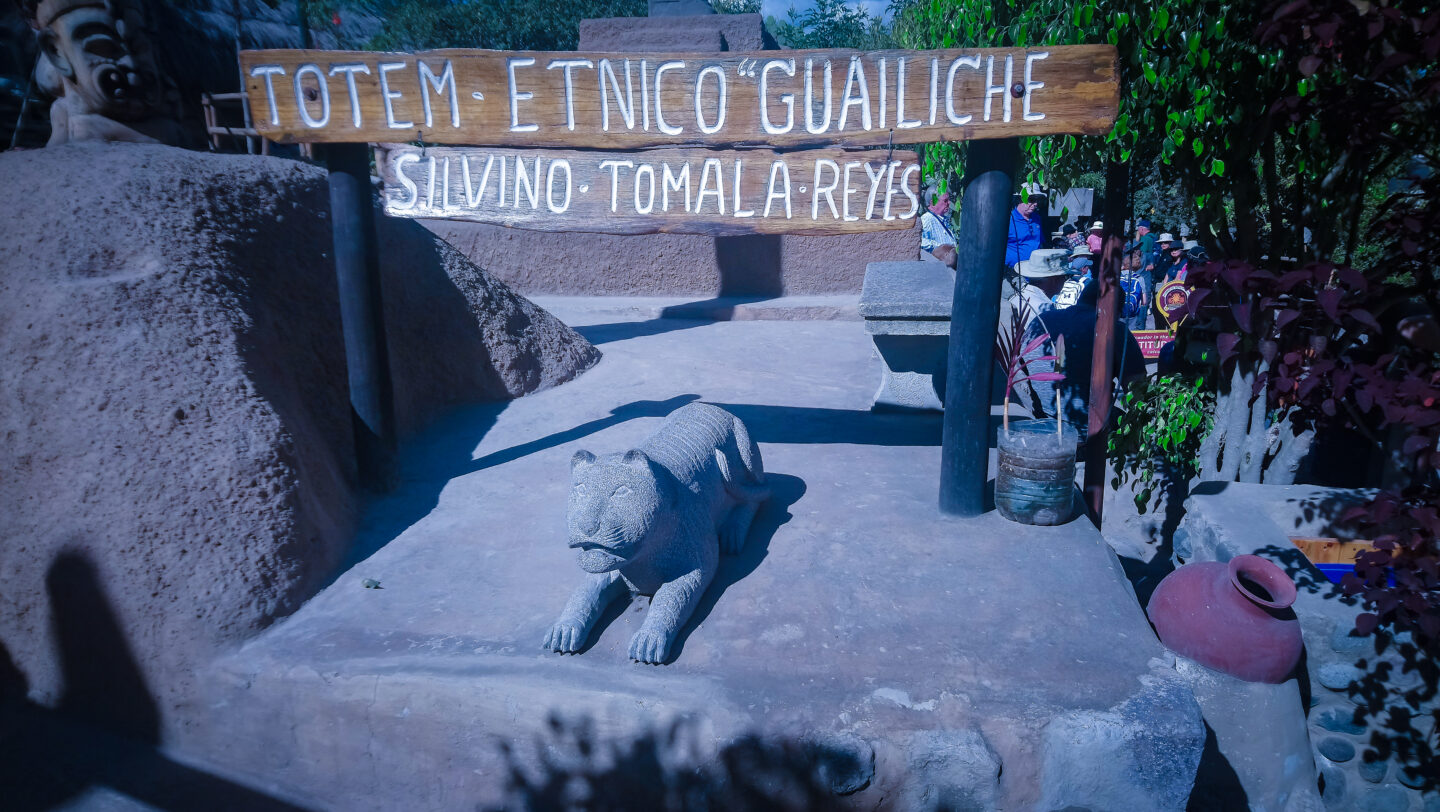
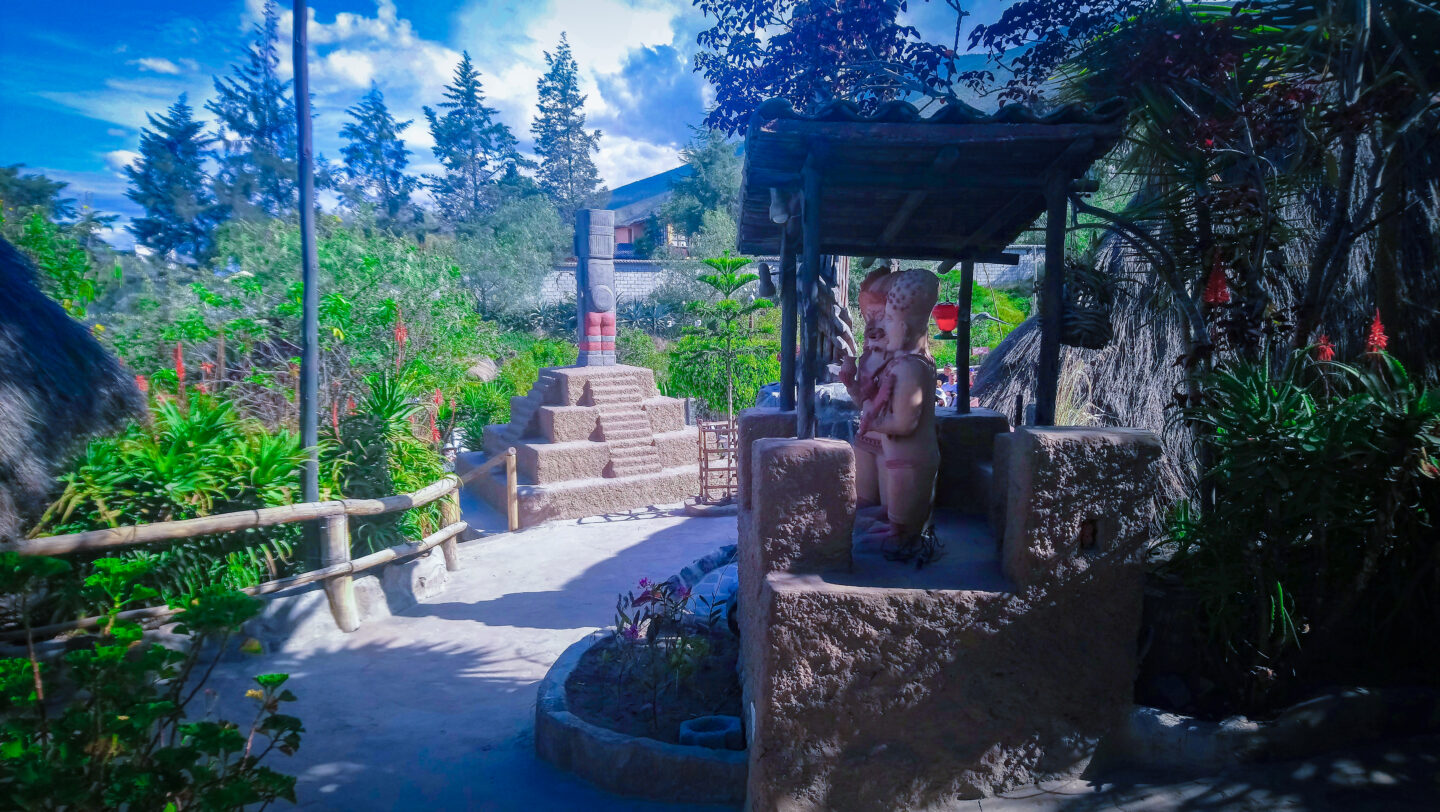
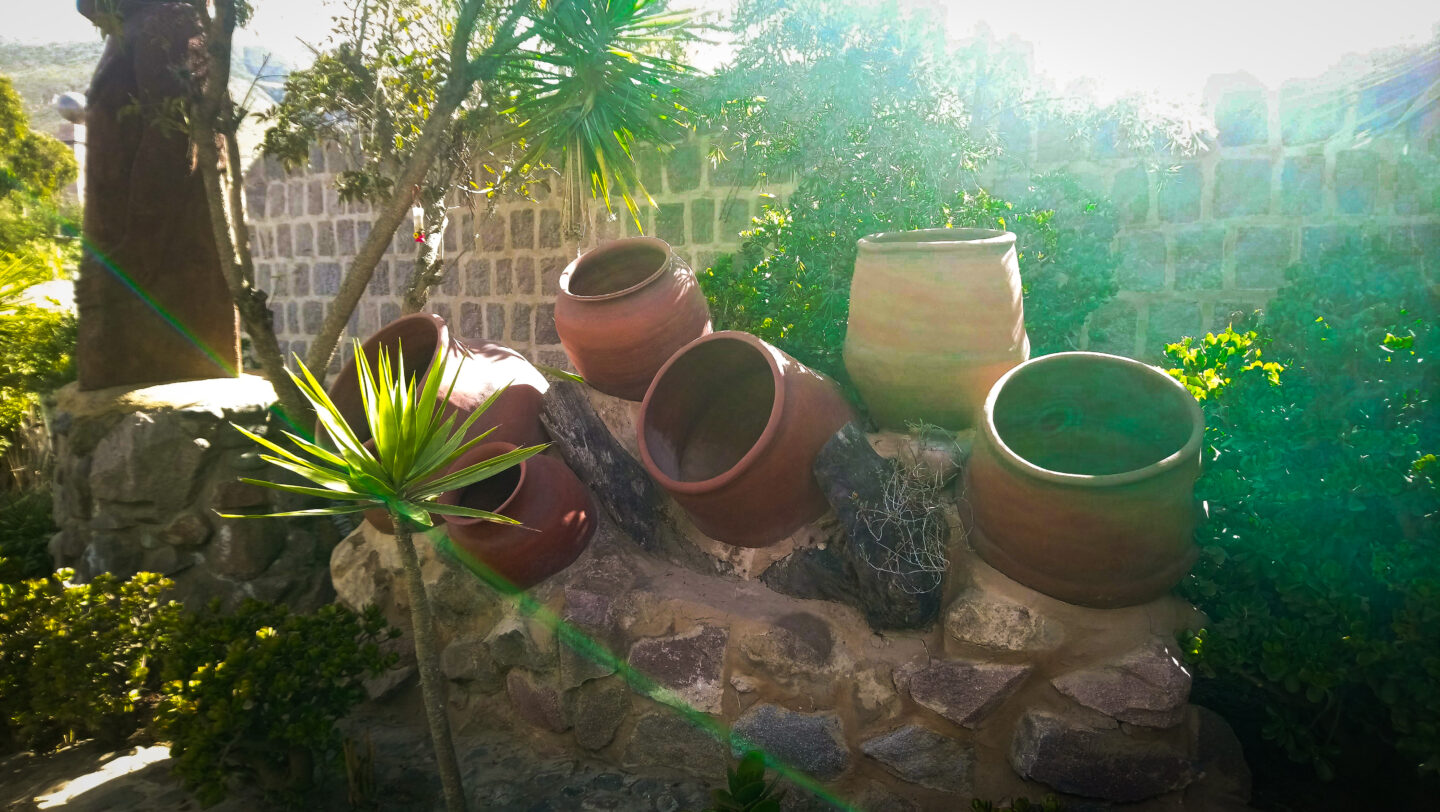
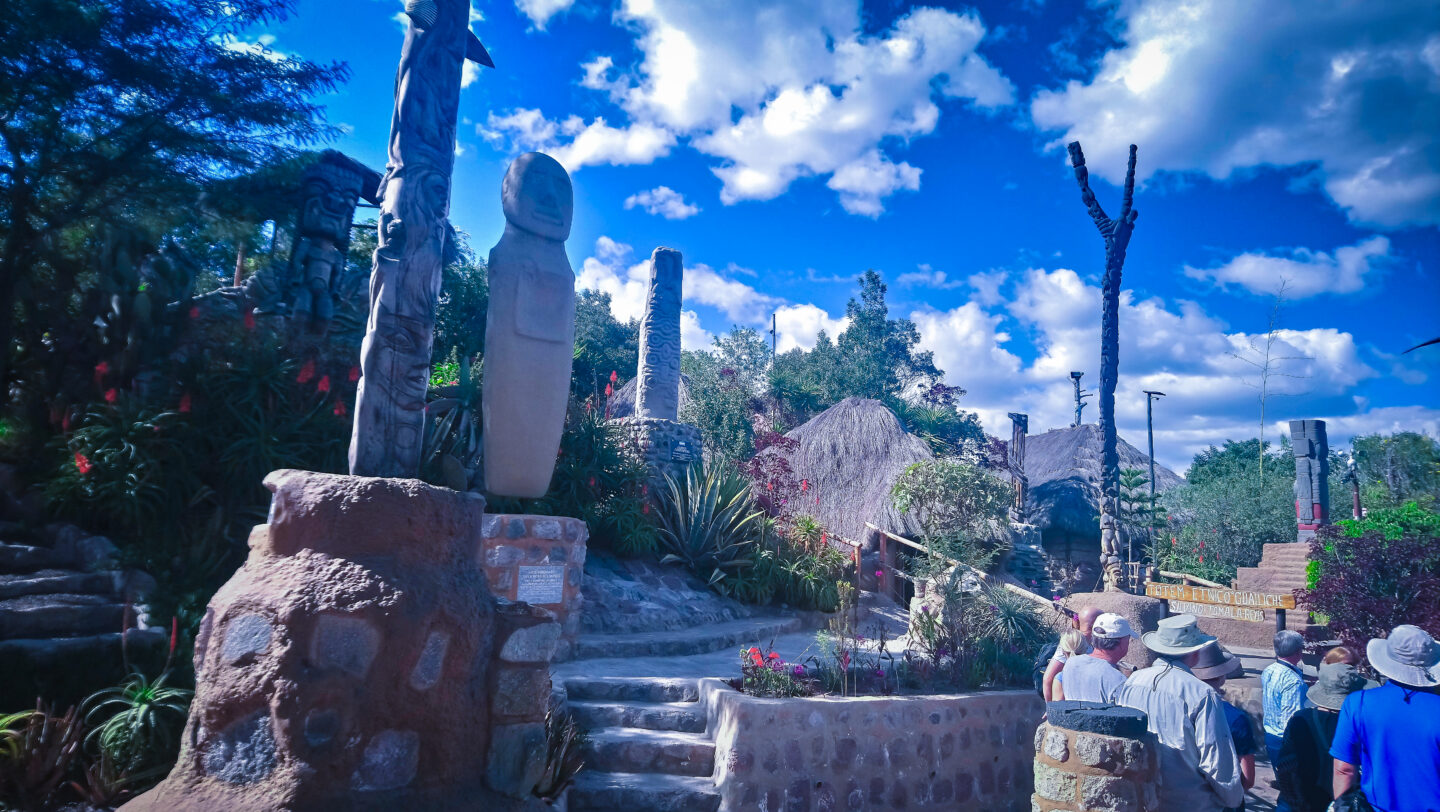
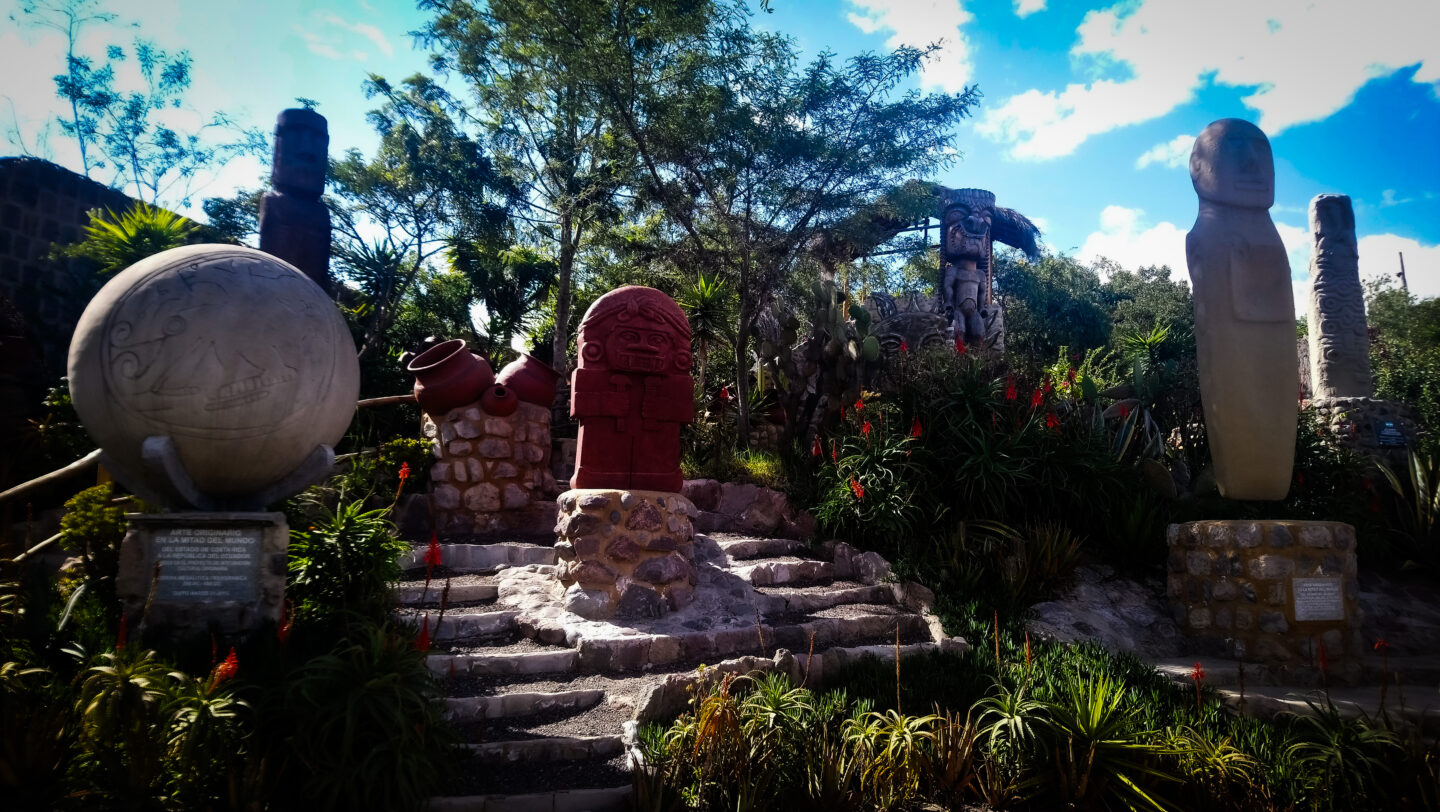
The Intiñan Museum pays homage to this heritage. The tour includes a visit to a “Totemic Forest,” with large, carved figures representing the spiritual beliefs of different Andean cultures. You will see symbols of the condor (the upper world), the puma (the world of the living), and the serpent (the underworld), which form the core of the Andean cosmic view.
The museum, therefore, is not just sitting on a geographical line; it is sitting on a line of deep cultural and spiritual power. It is a place where the scientific concept of the equator intersects with the ancient, sacred understanding of the Path of the Sun.
Places To Stay in Monument to the Equator, San Antonio de Pichincha, Pichincha, Ecuador
The Experiments: A Deep Dive into Equatorial “Magic”
The heart of the Intiñan experience is the series of interactive demonstrations. Let’s break down the most famous ones, exploring both the claim and the science.
1. Balancing the Egg on a Nail:
- The Claim: The guide will tell you that only on the equator can you balance a raw egg on the head of a nail. This is because the gravitational forces of the northern and southern hemispheres are perfectly balanced, creating a stable point.
- The Science: This is largely a myth. While gravity is technically slightly weaker at the equator due to centrifugal force, this has a negligible effect on balancing an egg. The real trick lies in the microscopic imperfections on the eggshell and the nail head, which can create a stable base. The key factor is the egg itself; a raw egg with a centred yolk is easier to balance. It’s a test of patience and a steady hand, possible anywhere in the world, but it makes for a fantastic, focused activity.
- The Experience: Regardless of the science, the collective silence that falls over a tour group as each person takes their turn, tongue sticking out in concentration, is pure magic. When someone finally succeeds, the cheer is genuine. You even get a certificate if you manage it.
2. The Coriolis Effect Water Demonstration:
- The Claim: This is the showstopper. A guide places a basin with a drain directly on the equatorial line and fills it with water. The water drains straight down, without spinning. They then move the basin a few feet into the southern hemisphere, and the water drains in a clockwise vortex. In the northern hemisphere, it drains counter-clockwise.
- The Science: The Coriolis effect is a real and powerful force, caused by the Earth’s rotation, that influences large-scale systems like hurricanes and ocean currents. However, it is far too weak to have any observable effect on a small basin of water. The direction of the vortex in this demonstration is determined by the shape of the basin’s drain and, most importantly, the subtle way the guide pours the water, creating an initial momentum. It is a brilliant piece of scientific theatre.
- The Experience: It is the most compelling and visually persuasive demonstration. Even if you know the science, watching it happen is mesmerising. It serves as an unforgettable visual aid to explain a complex physical principle, even if the demonstration itself is manufactured.
3. The Muscle Resistance Test:
- The Claim: While standing on the equatorial line, your inherent strength is diminished. The guide will ask you to interlock your fingers and resist as they push down on your arms. You will find it surprisingly difficult. When you step off the line, you are supposedly stronger.
- The Science: This has no basis in physics. It is a classic kinesiology trick that relies on leverage and expectation. The guide applies pressure at a slightly different angle or on a weaker point when you are on the line, making it harder to resist.
- The Experience: It’s a fun, interactive moment that gets a laugh and makes you question your own senses. It adds to the overall theme of the equator being a place of unique and mysterious forces.

Guide for Visiting Intiñan Solar Museum in 2026
Entry Fee & Hours:
- Entry Fee: As of early 2026, the entrance fee is $5 USD for adults and $2.50 for children. This is an excellent value as it includes the full guided tour in English or Spanish.
- Opening Hours: The museum is open seven days a week, from 9:30 AM to 5:00 PM.
Planning Your Visit:
- Best Time of Day: To avoid the largest tour bus crowds, aim to arrive right when they open in the morning or later in the afternoon (after 2:00 PM).
- How Long You Need: The guided tour at Intiñan lasts about 45-60 minutes. To fully experience both Intiñan and the main Mitad del Mundo monument complex, budget a total of 3-4 hours for the entire site visit, not including travel time.
- Photography: The museum is vibrant and colourful, offering great photo opportunities. Be respectful when taking pictures of the cultural exhibits.
- Accessibility: The museum is mostly flat and open-air, but the paths are unpaved and can be uneven. It may present challenges for those with mobility issues.
- Weather: The equatorial sun is deceptively strong, even on overcast days. Sunscreen, a hat, and sunglasses are essential. The weather can change quickly, so a light rain jacket is always a good idea.
Is it Worth It? Is it Touristy? Is it Safe?
- Worth It?: Absolutely. It is one of the most memorable and fun experiences you can have around Quito.
- Touristy?: Yes, but in a charming, low-key way. It doesn’t have the massive scale or commercial feel of the main monument.
- Safe?: The museum itself and the main monument complex are very safe. As with any travel, be aware of your surroundings, especially when using public transport.
How to Get to Mitad del Mundo from Quito (2026 Transport Guide)
Getting to the equator complex, located about 26 km (16 miles) north of Quito, is a straightforward journey with several options.
Option 1: Uber/Cabify: The most convenient option.
- Cost: Approximately 15−15−20 USD one-way.
- Time: 45-60 minutes from central Quito (Historic Centre, La Mariscal).
- Pros: Door-to-door service, comfort. You can ask the driver to wait for an hourly fee.
Option 2: Taxi: Similar to Uber, but hailed from the street.
- Cost: Slightly more than Uber. Always agree on a fixed price before you get in, or ensure the meter (taxímetro) is used. Expect to pay 20−20−25 USD.
- Pros: Readily available everywhere.
Option 3: Public Bus: The most adventurous and budget-friendly option.
- Cost: Less than $1 USD for the entire journey.
- Time: 90+ minutes.
- How to do it: Take a city bus or taxi to the “La Ofelia” bus terminal in the north of the city. From there, look for the clearly marked buses that say “Mitad del Mundo.”
- Pros: Incredibly cheap, an authentic local experience.
Option 4: Guided Tours: Many operators in Quito offer half-day or full-day tours.
- Cost: 30−30−60+ USD per person.
- Pros: Hassle-free, includes a guide, often combined with other nearby attractions like the Pululahua Crater.
Option 5: Renting a Car: Not recommended for this trip unless you are planning a larger road trip. Navigating Quito traffic and finding parking can be stressful.
Where to Stay: Finding Your Base in and Around Quito
- For the Budget Backpacker: The Historic Centre (Old Town) is filled with charming hostels set in colonial buildings. It’s atmospheric, walkable, and offers a deep sense of history.
- For the Social Traveller & Digital Nomad: La Mariscal, often called “Gringolandia,” is the modern tourist hub. It’s packed with restaurants, bars, co-working spaces, and a wide range of hotels and modern apartments.
- For the Modern Comfort Seeker: The area around La Carolina Park offers upscale, modern hotels and is close to Quito’s best shopping malls and the botanical garden.
- For Proximity to the Equator: While most people stay in Quito, there are a few guesthouses and small hotels in the San Antonio de Pichincha area for those who want to stay close to the monument.
- For the Nature Lover: Consider an eco-lodge or hacienda near the Pululahua Geobotanical Reserve for a truly unique experience staying inside a volcanic crater.
Beyond the Museum: Making it a Full-Day Adventure
Don’t just visit the equator line and leave. The surrounding area is rich with unique attractions.
Pululahua Geobotanical Reserve: Just a 10-minute drive from Mitad del Mundo is one of the world’s only inhabited volcanic craters. You can stand at the viewpoint (mirador) for breathtaking views of the patchwork of farms on the crater floor. For the more adventurous, hiking down into the crater is an unforgettable experience.
- Timing: Open daily from 8:00 AM to 4:00 PM.
- Getting There and Back: A 20-minute drive from Mitad del Mundo. You can hire a taxi or join a guided tour.
- Preparation: Wear comfortable shoes for hiking and bring water and snacks.
- Overnight Options: Stay at one of the eco-lodges within the reserve for a unique experience.
- Cost: Entry is free, but guided tours are available for an additional fee.
- Difficulty: Moderate, suitable for most hikers.
Museo Templo del Sol: Located on the road to the Pululahua crater, this fascinating museum and art gallery is the creation of indigenous artist Cristóbal Ortega Maila. It’s a beautiful, spiritual space dedicated to Andean art and culture, offering aromatherapy sessions and coca tea to visitors.
Local Artisan Markets: The Mitad del Mundo complex and the surrounding town are filled with shops selling local handicrafts, from alpaca textiles to painted ceramics.
Try the Local Food: Look for vendors selling fritada (fried pork), empanadas de viento (large, cheese-filled fried pastries), and fresh juices.
Ecuador Travel Requirements for 2026
- Visa: Citizens of most countries (including the US, UK, EU, and Canada) do not need a visa for tourist stays of up to 90 days.
- Passport: Your passport must be valid for at least six months from your date of entry.
- Vaccinations: While no vaccinations are mandatory for entry into mainland Ecuador, the Yellow Fever vaccination is recommended if you plan to visit the Amazon basin.
- Travel Insurance: Highly recommended. Ensure your policy covers medical emergencies and potential travel disruptions.
- Currency: Ecuador uses the US Dollar (USD) as its official currency. Bring small bills (1,5, $10) as larger bills can be difficult to break. ATMs are widely available in cities.
- Safety: Be mindful of your belongings in crowded areas and on public transport. Standard travel safety precautions apply.
The Final Verdict: Is the Intiñan Solar Museum Worth Visiting?
Yes. But the real question is, who is it for?
- Who will love it? Families with children, curious travellers, anyone who enjoys interactive exhibits, and those looking for a fun, memorable travel story. It is educational entertainment at its absolute best.
- Who might skip it? Hardcore scientific purists will be unable to look past the manufactured nature of the experiments.
- Who should prioritize Pululahua instead? Avid hikers and nature lovers might find more value in spending their time exploring the incredible landscape of the volcanic crater.
My strategic advice remains the same: Do both. Visit the official monument to honour the history and get the iconic photo. Then, go to Intiñan to have fun, to learn, and to connect with the story.
Reflection: Standing in the Middle of My World
Returning to the equator after years away was a strange and profound experience. As I stood on that painted red line at Intiñan, watching the water drain and attempting to balance the egg, I wasn’t thinking about GPS coordinates or the Coriolis effect. I was thinking about balance.
The equator is a place of perfect equilibrium. It is the still point of the turning world, a line of transition between two halves. It felt symbolic of the journey I was on—a journey to find the balance between the person I was when I lived here and the person I had become.
Leaving Ecuador felt like being pushed into one hemisphere of my life. Coming back was an attempt to find the centre again. The Intiñan Solar Museum, with its blend of science and story, fact and feeling, felt like the perfect place for that reflection. It reminded me that the most powerful truths in travel, and in life, are not always the ones you can measure. They are the ones you experience. And on that day, standing on the Path of the Sun, I felt perfectly, wonderfully, centred.
Frequently Asked Questions (FAQ)
Is the Intiñan Museum the real equator?
It is much closer to the true, GPS-verified equator than the main Mitad del Mundo monument. While not perfectly exact, it is widely considered the more accurate of the two popular sites.
How far is Intiñan from Quito?
The museum is located approximately 26 kilometres (16 miles) north of Quito’s city centre. The journey typically takes 45-60 minutes by car or taxi.
How much does it cost to visit Intiñan?
As of 2026, the entrance fee is $5 USD for adults, which includes a full guided tour.
Is Mitad del Mundo worth visiting?
Yes, it is worth visiting both the main monument for its historical significance and iconic photo opportunities, and the Intiñan Museum for its fun, interactive, and cultural experience.
Can you really stand in two hemispheres at once?
Yes! At both the Mitad del Mundo monument and the Intiñan Museum, you can stand with one foot on each side of the marked equatorial line, simultaneously being in the northern and southern hemispheres.
What is the difference between Intiñan and Mitad del Mundo?
Mitad del Mundo is the large, official government monument complex built to honour the 18th-century French Geodesic Mission. Intiñan is a smaller, private, interactive museum that claims to be on the true, GPS-verified equator and focuses on hands-on experiments and ethnographic exhibits.
Check Out Other Guides
The Galápagos Islands: Wildlife Adventures
My Ultimate Ecuador Travel Guide for Slow Travelers & Digital Nomads
Are You Planning Your Next Trip? Here’s What I Use
These are the tools I rely on to make every trip smoother, safer, and more meaningful. If you use the links below, I may earn a small commission at no extra cost to you. Thank you for supporting this blog and my journey as a full-time traveller 💜
1. Learn the Local Language
I use Babbel to practice Spanish, French, and Portuguese while travelling. The app makes it so easy to learn useful phrases on the go.
2. Travel Insurance is a Must
I never leave home without SafetyWing. They’re affordable and ideal for frequent travellers or digital nomads.
3. Book Your Tours & Experiences
For unique local tours and must-see experiences, I use:
→ Viator
→ Get Your Guide
4. Always Stay Connected
No matter where I go, Keepgo helps me stay connected with international data SIMs and eSIMs that actually work. A lifesaver when Wi-Fi fails!
5. Organise Your Itinerary
I use Tripsy to plan and store my itineraries, documents, and bookings in one clean app. It’s perfect for keeping track of everything in one place.
Until next time, travel softly,
Destiny 💜

