Some moments cleave time in two: the before, and the after. For Jamaica, that moment arrived on October 28, 2025. A Story of Jamaica After Hurricane Melissa.
Before, there was the Jamaica the world knows and loves. The vibrant, sun-drenched west coast, the parishes of Westmoreland, Hanover, St. James, Trelawny, and St. Elizabeth, was the jewel in our tourism crown. It was the rhythm of reggae music spilling from beachside bars in Negril, the scent of jerk chicken in Montego Bay, the quiet dignity of fishing villages, and the lush green of sugar cane fields stretching for miles under a benevolent sky. It was a place of livelihoods, of dreams, of homes filled with generations of memories.
Then came the after.
After was Hurricane Melissa. A Category 5 hurricane is not a weather event; it is a geological force. It is a monster that does not pass over a land, but consumes it. When Melissa made landfall, it unleashed a fury that rewrote our landscape and shattered our reality. This was not a storm we weathered. It was a war we survived.
This is the story of that after. It is a story of what we lost, of the staggering, complex, and ongoing crisis we now face, and of the unshakeable, defiant belief that is now our national anthem, whispered in the streets and declared from the highest offices: We Shall Rise Again.
Contents
- 1 Part 1: The Anatomy of a Catastrophe – The Morning After
- 2 Part 2: The Personal Cost of the Storm
- 3 Part 3: The Economic Hurricane: A Nation on the Brink
- 4 Part 4: A Controversial Invitation: Why Visiting Jamaica Now is an Act of Solidarity
- 5 Part 5: How to Help – A Guide to Meaningful Action
- 6 Conclusion: From the Rubble, We Rise
- 7 Share this:
- 8 Like this:
Part 1: The Anatomy of a Catastrophe – The Morning After
When the sun rose on October 29th, it revealed a wound. The western parishes, the engine of our nation’s economy and the home of hundreds of thousands of Jamaicans, were unrecognisable. This was not just damage; it was erasure.
The immediate, visceral shock was the visual. Homes, particularly the modest wooden structures that housed so many families, were simply gone, their foundations swept clean. What Melissa’s winds didn’t obliterate, her storm surge and the subsequent flooding did. Entire communities were submerged in a brown, churning sea of debris and contaminated water. The postcard-perfect coastline was a battlefield of splintered wood, twisted metal, and the ghosts of what used to be.
But the true crisis began as the floodwaters started to recede. The hurricane didn’t just destroy homes; it severed the lifelines of a modern society. Roads and bridges were washed away, turning towns into isolated islands, cut off from the rest of their own parish, let alone the country. For days, there was no way in and no way out. Communities were left to fend for themselves, with no access to food, clean water, or medical supplies.


This isolation bred a secondary, silent, and terrifying threat: disease. With the water infrastructure compromised, clean drinking water became a scarce luxury. The stagnant floodwaters became a breeding ground for waterborne illnesses. The dreaded word leptospirosis began to circulate, a bacterial disease that can be fatal if left untreated. In the aftermath of the storm, families were faced with an impossible choice: die of thirst or risk dying from the very water that had taken their homes.
The scale is difficult to comprehend. We are a small island nation. The devastation of five parishes is a blow to the very heart of our country. This is not a localised disaster; it is a national crisis that has touched every single Jamaican. We are all living in the after.
Part 2: The Personal Cost of the Storm
The news reports can show you the flattened houses, but they can’t show you the inside of a home that no longer exists. They can’t articulate the specific, gut-wrenching pain of personal loss.
My family lives in Westmoreland. For three agonising days, while the communication lines were down, they existed only in my imagination, a space filled with terror and prayer. When I finally got through, the first words I heard were, “We’re alive.” It is the most beautiful sentence in the English language. But the conversation that followed was a litany of loss.
My aunt’s roof was gone. The storm had peeled it back like a can opener, exposing every treasured possession to the deluge. My cousins, their children their entire home were gone. They escaped with their lives and the clothes on their backs. Everything else, the furniture they saved for, the family photos, the children’s school uniforms and books for the new term, was washed away. My Dad’s home was also destroyed.
How do you explain to a child that the world they knew, their bed, their toys, their schoolbooks, has vanished? The trauma of this event will live in their generation for years to come.
In the weeks since, the struggle has shifted from immediate survival to the daunting reality of rebuilding a life from zero. They are scattered, staying with various relatives, living in cars. There is no electricity, no running water. The nights are dark, and the days are a relentless cycle of trying to find food, trying to stay healthy, and trying to figure out what comes next.
This is why I have had to do something. The immediate need is for the basics: food, water, shelter. But for a life to truly move forward in 2025, we need more. We need power and we need connection. I have started a relief fund for my family and our immediate community with two specific, critical goals: to purchase generators for power and a Starlink satellite internet system.
This isn’t a luxury. It is a lifeline. Generators will allow them to have light at night, to charge a phone to stay connected, to keep a small refrigerator running. The Starlink will provide a stable internet connection, allowing my cousins to look for work, for the children to access online educational resources, and for all of us to stay connected to the outside world and the recovery efforts. It is about restoring not just a home, but a sense of normalcy and a foothold in the modern world.
Part 3: The Economic Hurricane: A Nation on the Brink
Hurricane Melissa did not just make landfall on our coast; it crashed directly into the heart of our economy. Jamaica runs on tourism. It is the single largest driver of our livelihood, the primary source of foreign exchange, and one of the biggest employers of our people.
The parishes that were hit, St. James, Hanover, Trelawny, Manchester and Westmoreland, are home to the majority of our hotel rooms and tourism infrastructure. When the storm hit, it triggered an economic collapse with breathtaking speed. Hotels, even those that sustained only minor damage, were forced to close. With no guests, there is no work.
The layoffs came in a tidal wave. The hotel receptionist, the housekeeper, the chef, the tour bus driver, the craft vendor, the farmer who supplies the hotel kitchens, and thousands upon thousands of Jamaicans became unemployed overnight. These are people who were already living on tight margins, and now their income is gone, their homes are damaged or destroyed, and they have no safety net.
This is the cruel, cascading effect of the hurricane. It creates a feedback loop of devastation. The country desperately needs money to rebuild, but the primary engine of its economy has stalled. The government is facing an unimaginable bill for infrastructure repair, while its main source of revenue has been crippled.
This is why your decision on where to spend your next vacation has never been more important.
Part 4: A Controversial Invitation: Why Visiting Jamaica Now is an Act of Solidarity
It feels strange, doesn’t it? To talk about vacationing in a place that is grappling with so much tragedy. You might be thinking, “Is it right to go? Should I be sipping a cocktail on a beach when people are homeless?”
I want to be clear: your visit is not an intrusion. It is an intervention. It is the most powerful and direct way you can contribute to our long-term recovery.
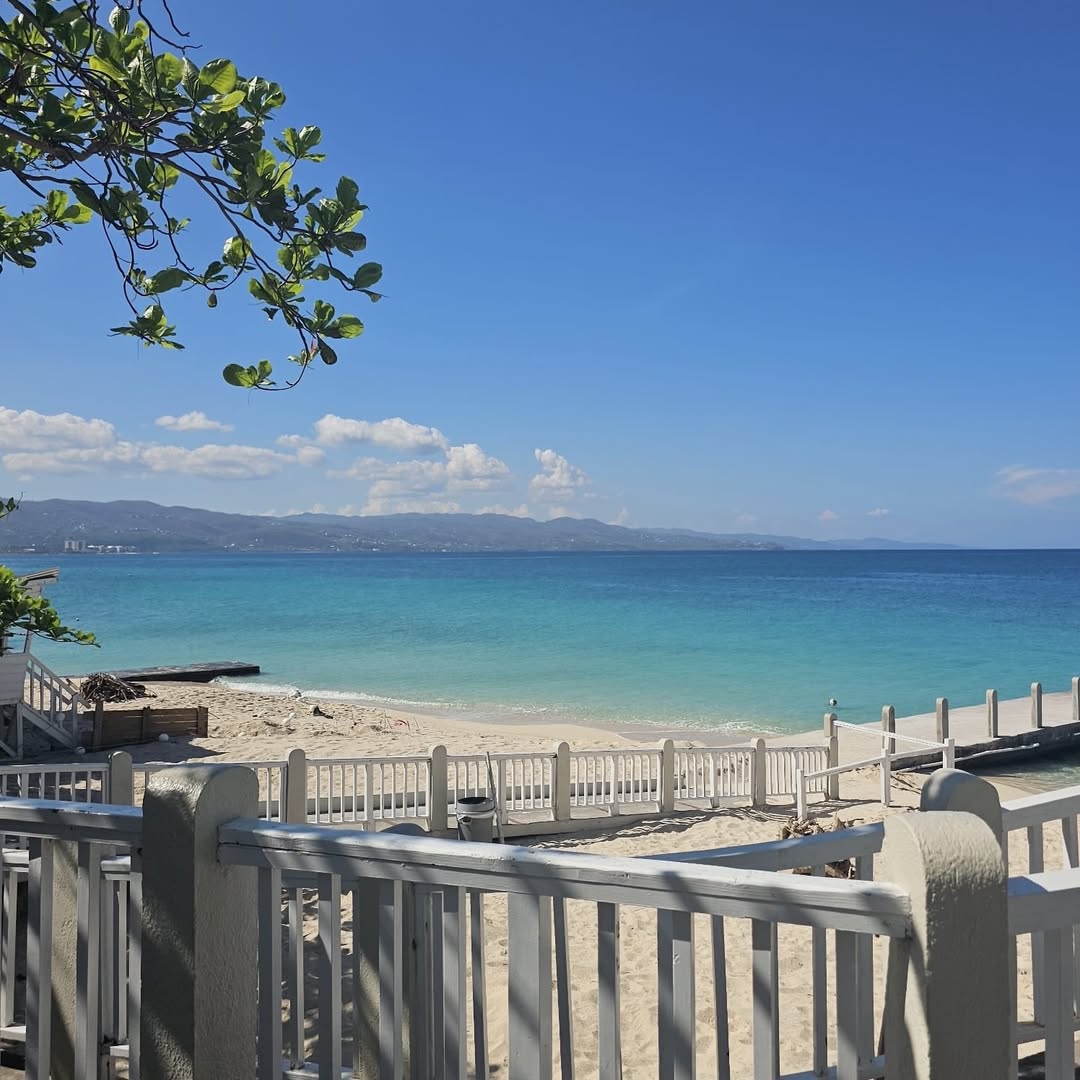
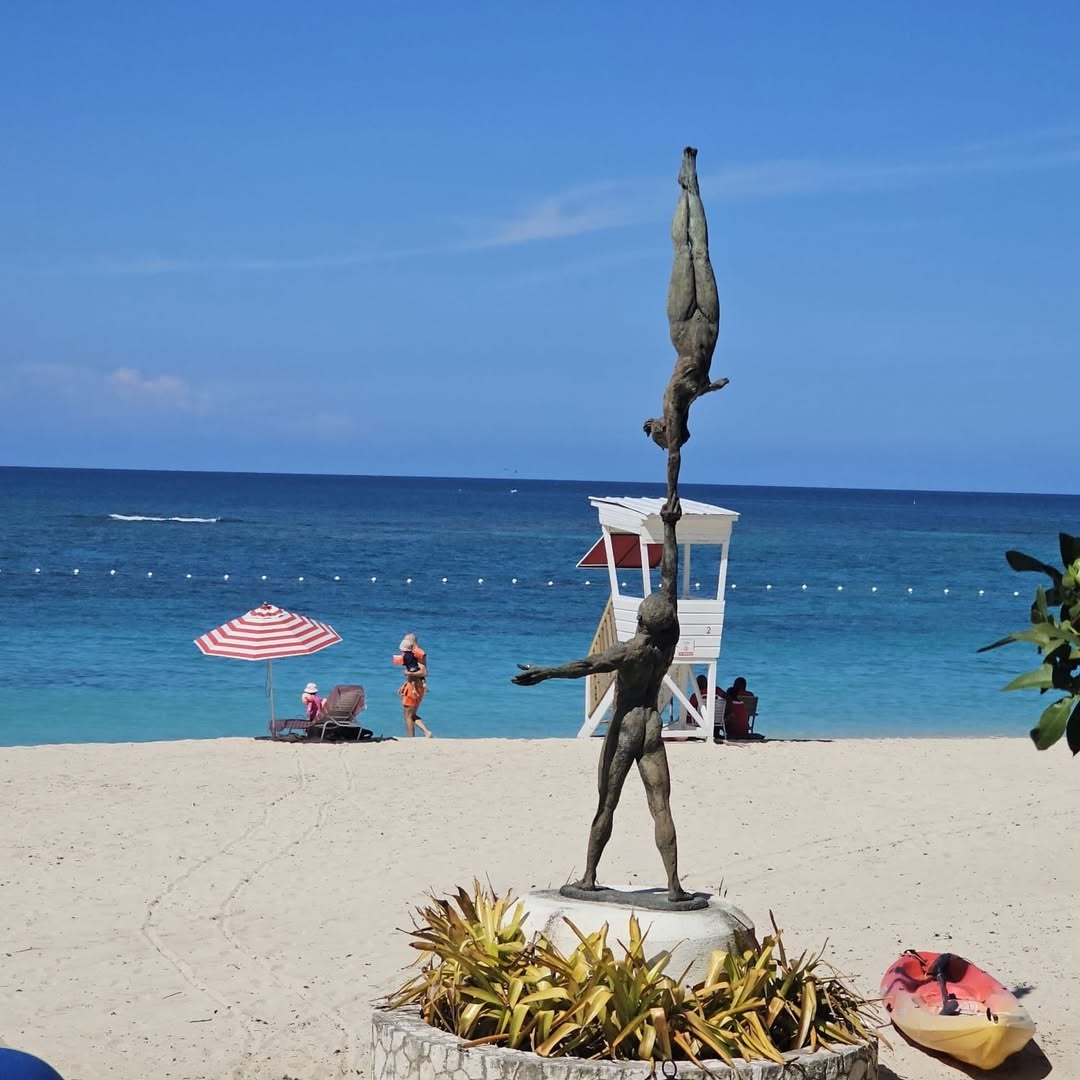
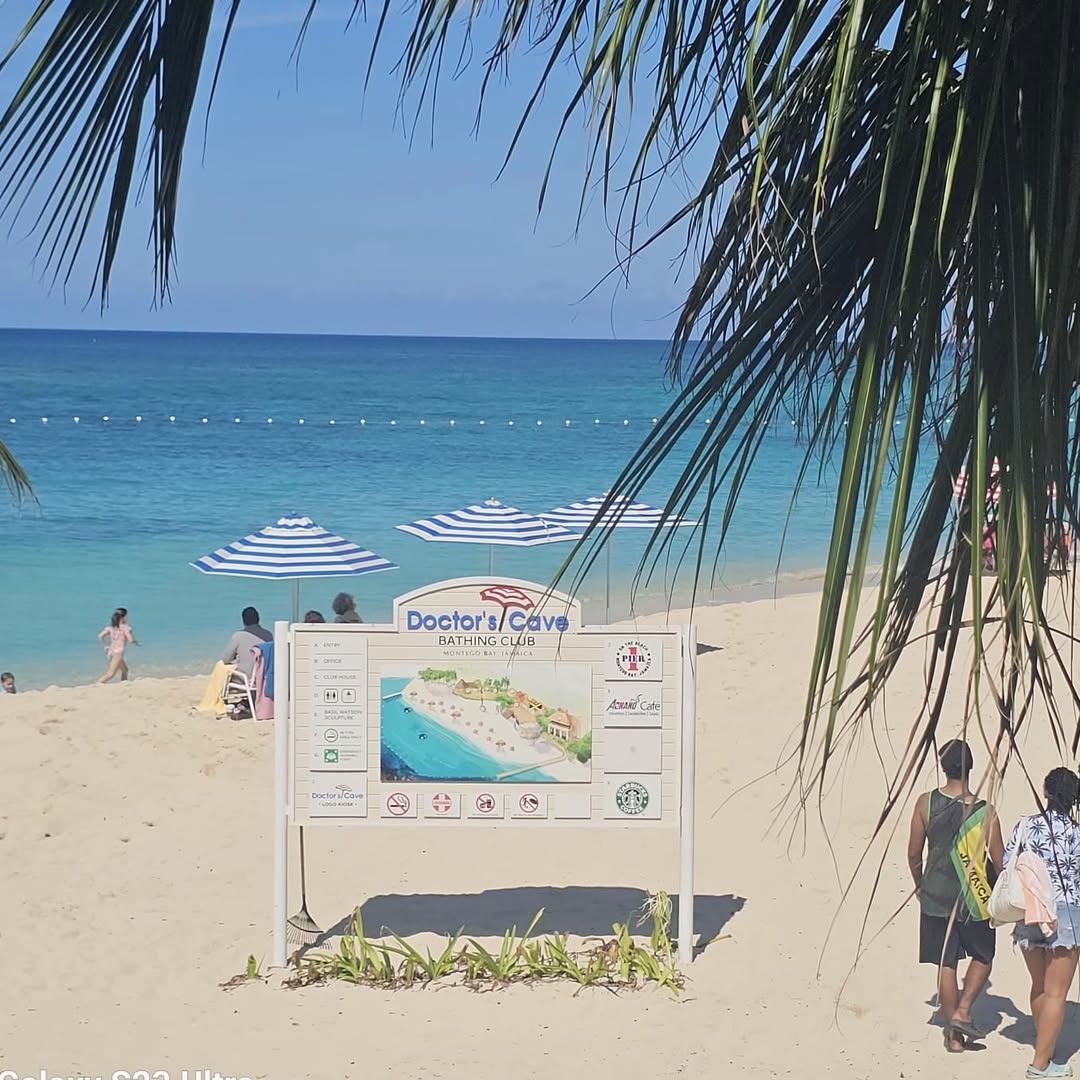
While the western parishes are in a state of crisis and will be for some time, it is crucial to remember that other parts of Jamaica—Kingston, Ocho Rios, Port Antonio, St Catherine were less affected and are open for business. They are safe, they are beautiful, and they are desperate to welcome you.
Every dollar you spend here is a vote for our recovery. When you stay in a hotel, you are paying the salary of the housekeeper who may be sending that money to support her family in a devastated parish. When you eat at a restaurant, you are supporting the local farmer whose crops survived. When you take a tour, you are keeping a small business alive.
We are rebuilding. Some of the major hotels in the affected areas have already announced timelines for reopening, a testament to their commitment to our island. But we cannot wait. We need the economic activity now. Your presence sends a powerful message to the world: that Jamaica is not broken, that we are resilient, and that we are open.
To help you navigate this, I am dedicating a section of my blog to our recovery. I will be providing regular updates on hotel reopenings, highlighting tours and attractions that are ready to welcome guests, and sharing stories of the incredible Jamaicans who are working tirelessly to rebuild our tourism product. We Shall Rise Again, and we want you to be here to see it.
Part 5: How to Help – A Guide to Meaningful Action
The outpouring of love and concern from the global community has been a beacon of light in our darkest days. For that, we are eternally grateful. If you feel moved to act, here are the most effective and direct ways to channel your support.
1. Donate to Official and Vetted Organisations
Financial contributions are the most immediate and flexible form of aid, allowing organisations on the ground to purchase exactly what is needed most.
- The Official Government of Jamaica Donation Portal: This is the centralised, official channel for national relief efforts, managed by the government to address critical infrastructure and public needs. You can donate here: Support Jamaica
- Food for the Poor: A highly respected NGO with a long history in Jamaica, providing direct aid in the form of food, housing, and supplies. You can contact them or find ways to donate via their local channels.
2. Volunteer Your Time and Skills
If you are in Jamaica or planning to visit and want to offer hands-on help, the Council of Voluntary Social Services (CVSS) is the official umbrella organisation coordinating volunteer efforts. They can connect you with reputable projects where your help is most needed.
- CVSS Volunteer Portal: See Volunteer options here
- Contact Tasha at Food For The Poor at +18762785652
3. Support My Family and Community Directly
If my personal story has touched you, and you wish to help my family and our immediate community in Westmoreland get back on their feet, I have set up a transparent relief fund. These funds will be used directly to purchase generators for power, a Starlink system for internet access, building materials, and school supplies for the children.
- To Contribute to our Hurricane Relief Fund: GoFundMe Here
- To Contribute Specifically to the Starlink System: Starlink, & Generators
Knowledge is power. Follow the official channels to get accurate updates on our recovery and share them. Counter the narrative of hopelessness with stories of our resilience.
- Visit Jamaica: (and their Instagram @visitjamaica)
- Ministry of Tourism
- Jamaica Tourist Board
Conclusion: From the Rubble, We Rise
Jamaica is more than just beaches and music. We are a nation forged in struggle and defined by resilience. We have faced hardship before, and we have always found a way not just to survive, but to come back stronger, more unified, and with our spirit intact.
The road ahead is long and difficult. The scars of Hurricane Melissa will remain on our landscape and in our memories for a generation. But they will not define us. What will define us is how we respond to this moment. It is the neighbour helping neighbour, the kindness of strangers from across the world, and the unshakeable belief in our own strength.
The work has begun. In the rubble of a thousand broken homes, the first nail is being hammered. In the silence of a thousand darkened villages, the first generator is sputtering to life. In the hearts of a million grieving people, a single, powerful promise is taking root.
We Shall Rise Again

