The first thing you notice about Kingston is the sound. It’s not the gentle lapping of waves you were promised in the brochures. It’s the deep, resonant bass from a passing car, a vibration that seems to rise from the asphalt itself. It’s the lively, lyrical chatter of Patois in the Coronation Market, a language that sings and argues and laughs all in the same breath. It’s the distant, almost imperceptible hum of a city that is always, always moving.
Then you notice the mountains. The Blue Mountains don’t just surround Kingston; they watch over it. They are a constant, majestic presence, their peaks often shrouded in a mystical mist, a silent, green counterpoint to the city’s concrete energy. In the morning, they are crisp and clear; by afternoon, they are draped in cloud. They are the city’s lungs, its escape valve, its spiritual anchor.
And then, the smell. It’s the sweet, spicy smoke of a jerk pan firing up on a street corner, the scent of pimento wood and sizzling meat mingling with the salty tang of the nearby Caribbean Sea. It’s the fragrance of ripe mangoes and fresh mint from a vendor’s stall, a scent that is pure, unadulterated sunshine.
Let’s be honest: Kingston has a reputation. It’s often described as intense, chaotic, misunderstood, and not “easy” in the way a resort town is. And in some ways, that’s true. Kingston does not lie at your feet. It doesn’t perform for you. It simply is in all its raw, vibrant, and complicated glory.
This is the cultural capital of Jamaica. It is the island’s intellectual, musical, and political heartbeat. The manicured lawns of the north coast are where Jamaicans vacation. Kingston is where Jamaica lives.
This guide is not about ticking off landmarks from the window of a tour bus. It’s about experiencing the city’s rhythm. It’s about understanding that in Kingston, the journey isn’t to a destination, but deeper into the pulse of the place itself.
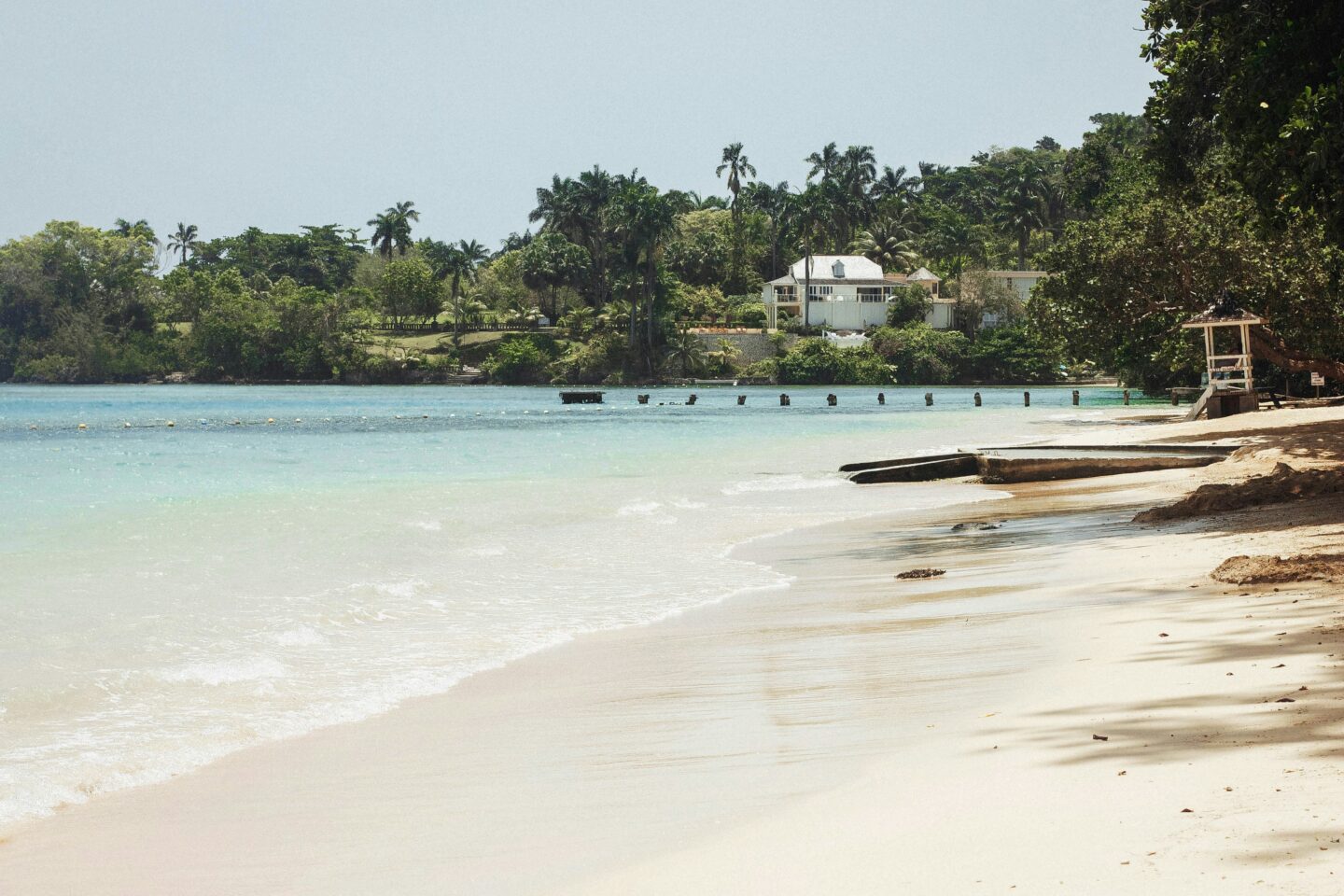
Geographically, Kingston is nestled on the southeastern coast of the island, cradled in a natural harbour, the seventh-largest in the world, with the deep blue of the Caribbean Sea to its south and the towering Blue Mountains to its north. This unique position between the mountains and the sea has shaped its character, creating a city that offers both intense urban energy and profound natural stillness, often within the same hour.
As the capital city, Kingston is the undisputed cultural and economic centre of Jamaica. This is where national policy is debated, where financial markets churn, where the island’s top university nurtures its future leaders, and, most importantly, where its culture is constantly being forged and reforged.
This is why Kingston feels so fundamentally different from Montego Bay or Negril. The tourist towns are curated for comfort and escape. They are beautiful, relaxing, and designed to meet a visitor’s expectations of paradise. Kingston is not curated. It is a real, working city, a sprawling metropolis of over a million people living their lives with a dynamism and resilience that is palpable. It is less polished, more layered, and infinitely more revealing of the true, modern Jamaican identity. To understand Jamaica, you must first understand Kingston.
Understanding Kingston’s Neighbourhoods: Finding Your Base
Navigating Kingston is much easier when you understand the distinct personality of its key areas. This isn’t just about geography; it’s about finding the vibe that matches your travel style.
New Kingston: Think of New Kingston as the city’s modern, beating heart. This is the primary business district, where gleaming office buildings stand next to major international hotels, sophisticated restaurants, and chic rooftop bars. It’s home to Emancipation Park, a beautiful green space perfect for a morning jog or an evening stroll. For a first-time visitor, New Kingston is often the most convenient and accessible base, offering a walkable, safe, and central starting point for your explorations.
Half-Way-Tree: If New Kingston is the heart, Half-Way-Tree is the central nervous system. It is the island’s busiest transport hub, a whirlwind of activity, commerce, and people. The iconic Clock Tower stands at the centre of a bustling, chaotic intersection where buses, taxis, and pedestrians converge. While you may not choose to stay here, you will undoubtedly pass through it. It’s a fantastic place for people-watching and feeling the raw, unfiltered energy of the city.
Downtown Kingston: This is the historic soul of the city. Here, colonial-era buildings with intricate fretwork stand as a testament to a bygone era, housing government offices, bustling markets, and legal chambers. Downtown is home to cultural landmarks like the National Gallery of Jamaica and the Kingston Waterfront. For years, it was neglected, but today it is experiencing a powerful creative resurgence, with street art projects like Paint Jamaica and new, independent creative spaces breathing life back into its historic streets.
Liguanea & Barbican: These are more affluent, residential neighbourhoods that stretch towards the foothills of the mountains. The vibe here is more laid-back and leafy. It’s home to the University of the West Indies (UWI), giving the area a youthful, intellectual energy. You’ll find charming cafés, boutique shops, and some of the city’s best restaurants tucked away on quiet streets. This area is ideal for those looking for a guesthouse or Airbnb experience that feels more like living like a local.
Kingston doesn’t try to impress you it asks you to listen. And if you stay long enough, it will teach you its rhythm.
Kingston’s Music Scene: The Soundtrack of a Nation
You must understand this: music is not entertainment in Kingston. It is identity. It is history. It is journalism, social commentary, spiritual practice, and the very air the city breathes. From the revolutionary messages of reggae to the raw energy of dancehall, the city’s soundtrack tells its story.
Reggae & Roots: The Message in the Music
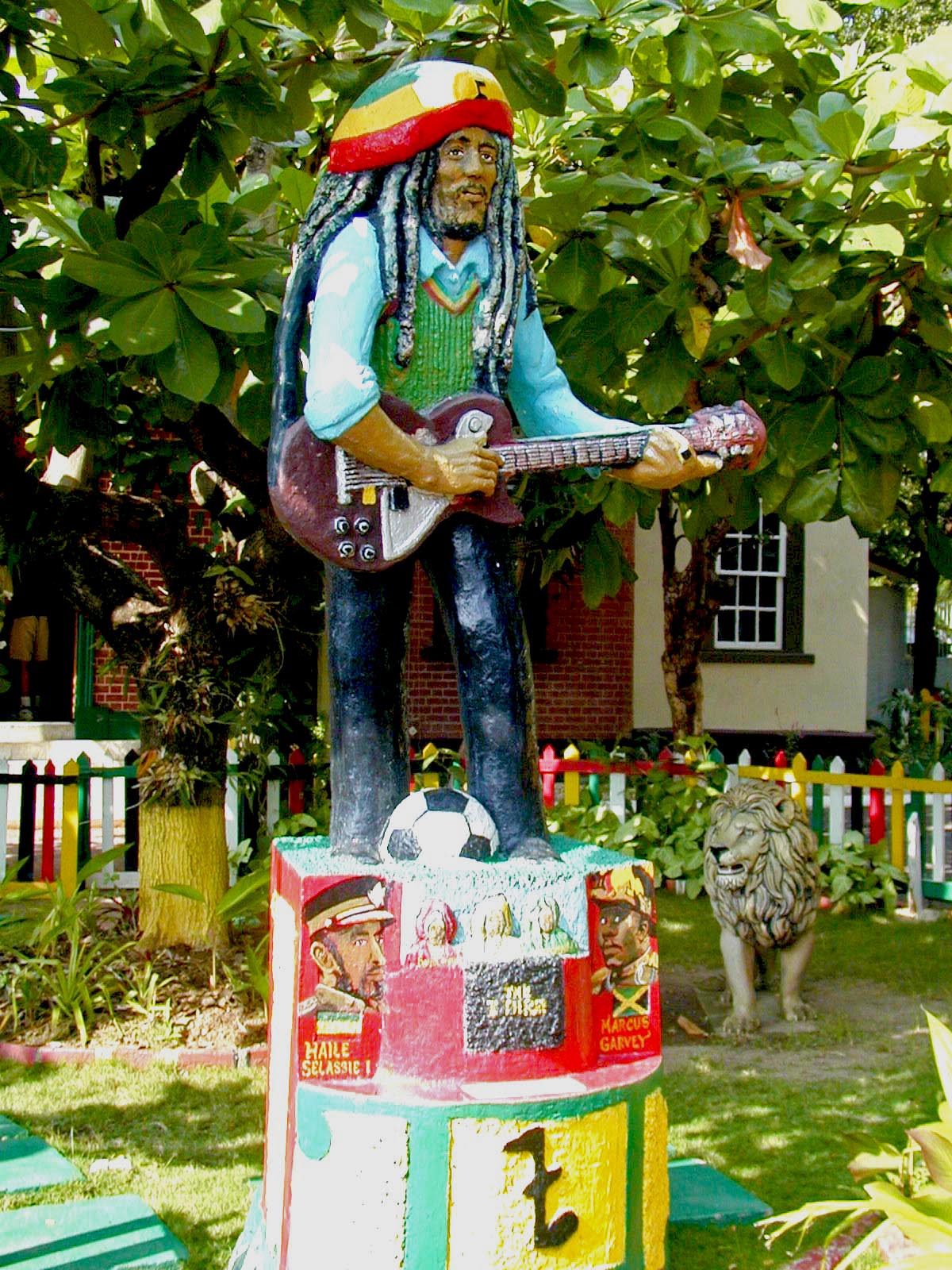
To understand the global power of Jamaican music, you must start with one man: Bob Marley. A visit to the Bob Marley Museum at 56 Hope Road is an essential pilgrimage. This was his home, his sanctuary, and the headquarters of his Tuff Gong label. As you walk through the rooms, preserved as they were when he lived there, you feel the weight of his legacy. His simple bedroom, the kitchen where he would reason with his brethren, the bullet holes in the wall from a politically motivated assassination attempt, it’s all there. Marley’s legacy still shapes the city because he gave a voice to the struggles and aspirations of the people, turning the specific realities of Kingston into a universal message of liberation and love.
But the story goes deeper than one man. It’s about a culture of sound systems, massive, mobile speaker stacks that became the voice of the people in the inner-city communities. Legends like King Tubby and Coxsone Dodd didn’t just play records; they created a new sonic art form, pioneering the dub techniques that would influence music genres across the globe.
Bob Marley Museum
The Bob Marley Museum is a historic house museum in Kingston, Jamaica, dedicated to the life and legacy of reggae icon Bob Marley. Located at 56 Hope Road, it preserves Marley’s former residence and recording studio, serving as a cultural landmark and major tourist attraction that celebrates Jamaica’s musical heritage.
Key facts
Managed by: Bob Marley Foundation Location: 56 Hope Road, Kingston, Jamaica Established: 1986 Founder: Rita Marley Former use: Bob Marley’s home and Tuff Gong recording studio
History and Significance
The property was Marley’s home from 1975 until his death in 1981. Afterwards, his widow Rita Marley converted it into a museum in 1986 to honour his legacy. It stands as one of Jamaica’s most visited cultural sites, offering visitors an intimate glimpse into the personal and artistic life of the reggae legend.
Exhibits and Features
The museum showcases Marley’s personal artefacts, including his guitars, stage outfits, awards, and handwritten lyrics. Visitors can view his bedroom, kitchen, and the small recording studio where some of his most famous music was produced. The grounds also feature murals, statues, and a café serving Jamaican cuisine, adding to the immersive experience.
Cultural Impact
The Bob Marley Museum serves as both a shrine and an educational centre, emphasising Marley’s messages of peace, unity, and resistance. It attracts fans, scholars, and tourists worldwide, reinforcing Marley’s enduring influence on global culture and music. The museum is also part of broader preservation efforts tied to the Bob Marley Group of Companies, which manages his intellectual and cultural legacy.
Visitor Experience
Guided tours are offered daily, featuring knowledgeable narrators who recount key moments from Marley’s life and Jamaica’s reggae history. The museum remains a vibrant symbol of Rastafarian culture and a cornerstone of Kingston’s cultural tourism.
Dancehall Culture: The Pulse of the Modern City
If reggae is the soul, dancehall is the raw, unapologetic heartbeat of modern Kingston. Born in the 80s, dancehall is a vibrant, ever-evolving culture of music, dance, and fashion that reflects the immediate realities of Jamaican life. It is loud, it is brash, it is hyper-energetic, and it is a powerful expression of creativity and resilience.
To respectfully experience dancehall, it’s best to attend one of the well-established weekly events. These parties are a serious cultural affair, with their own dress codes, dance crews, and social etiquette. The music is deafening, the dancing is athletic and expressive, and the energy is electric. This is not a spectator sport; it’s a living, breathing culture.
Live Music Venues: From Dub to Jazz
Beyond the big parties, Kingston has a thriving live music scene for every taste.
Dub Club: Every Sunday night, high in the hills of Jack’s Hill, Gabre Selassie hosts what has become a Kingston institution. It’s an open-air gathering where a massive sound system plays deep cuts of roots reggae and meditative dub music. With a stunning view of the city lights below and a strictly ital (vegan) food menu, it’s a spiritual and sonic experience unlike any other.
SkyDweller Ultra Lounge: For a more polished vibe, this rooftop lounge often features live bands playing everything from reggae to jazz, offering a sophisticated night out with incredible views.
Intimate Spaces: Keep an eye out for smaller venues and bars that host acoustic nights and jam sessions, where you can discover the next generation of Jamaican musical talent in a relaxed, intimate setting.
How to Experience Kingston’s Music Intentionally: To truly connect with the music, go with a local friend or a trusted guide. They can help you understand the lyrical context, the cultural nuances, and the unwritten rules of the space. Respect the environment: this is not a novelty to be consumed, but a culture to be appreciated.
You don’t visit Kingston to escape life. You visit Kingston to feel it loud, layered, and unapologetically alive.
Museums & Cultural Institutions: Kingston’s Intellectual Core
The story of Jamaica, its pain, its triumphs, its incredible creativity is housed within Kingston’s cultural institutions. The museums here are not dusty relics; they are deeply political and cultural spaces that tell the story of a nation constantly defining itself.
National Gallery of Jamaica: This is the most important public art museum in the English-speaking Caribbean, and it is an absolute must-visit. The collection is a breathtaking journey through the nation’s history, from the spiritual artefacts of the indigenous Taíno people to the foundational sculptures of Edna Manley (the “Mother of Jamaican Art”) and the vibrant, challenging works of contemporary masters like Ebony G. Patterson. Jamaican art is a powerful lens through which to understand the island’s social and political evolution.
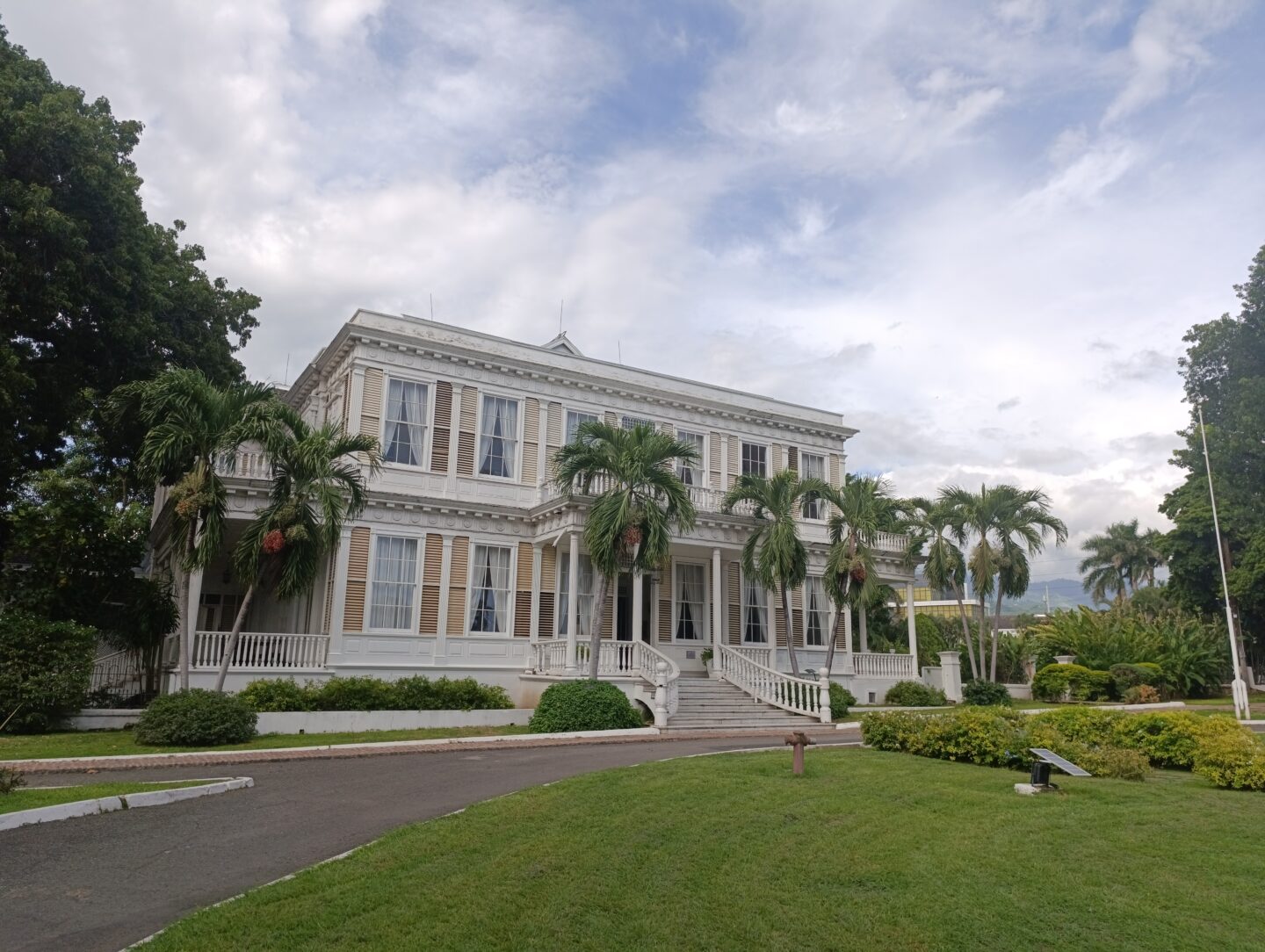
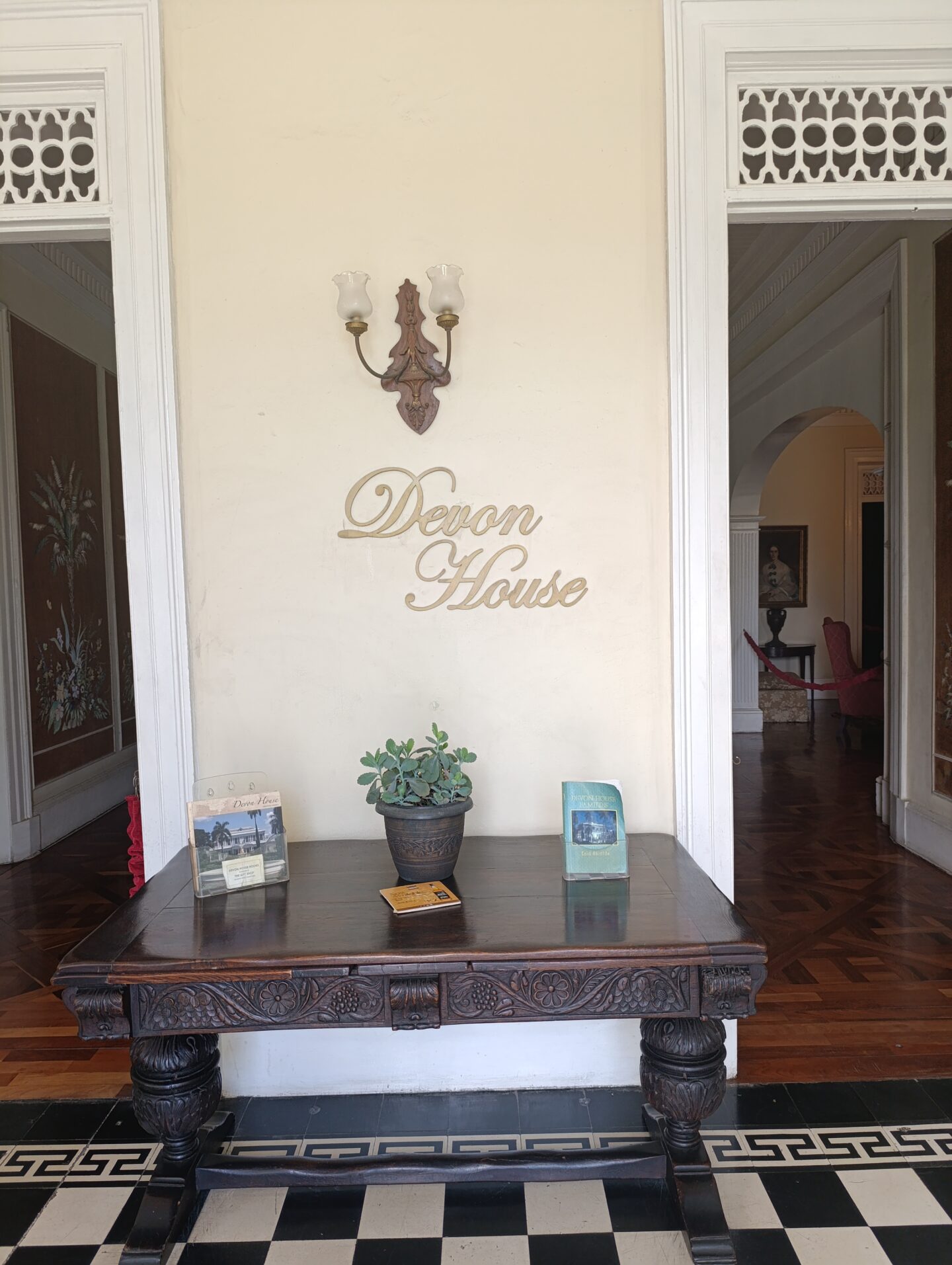
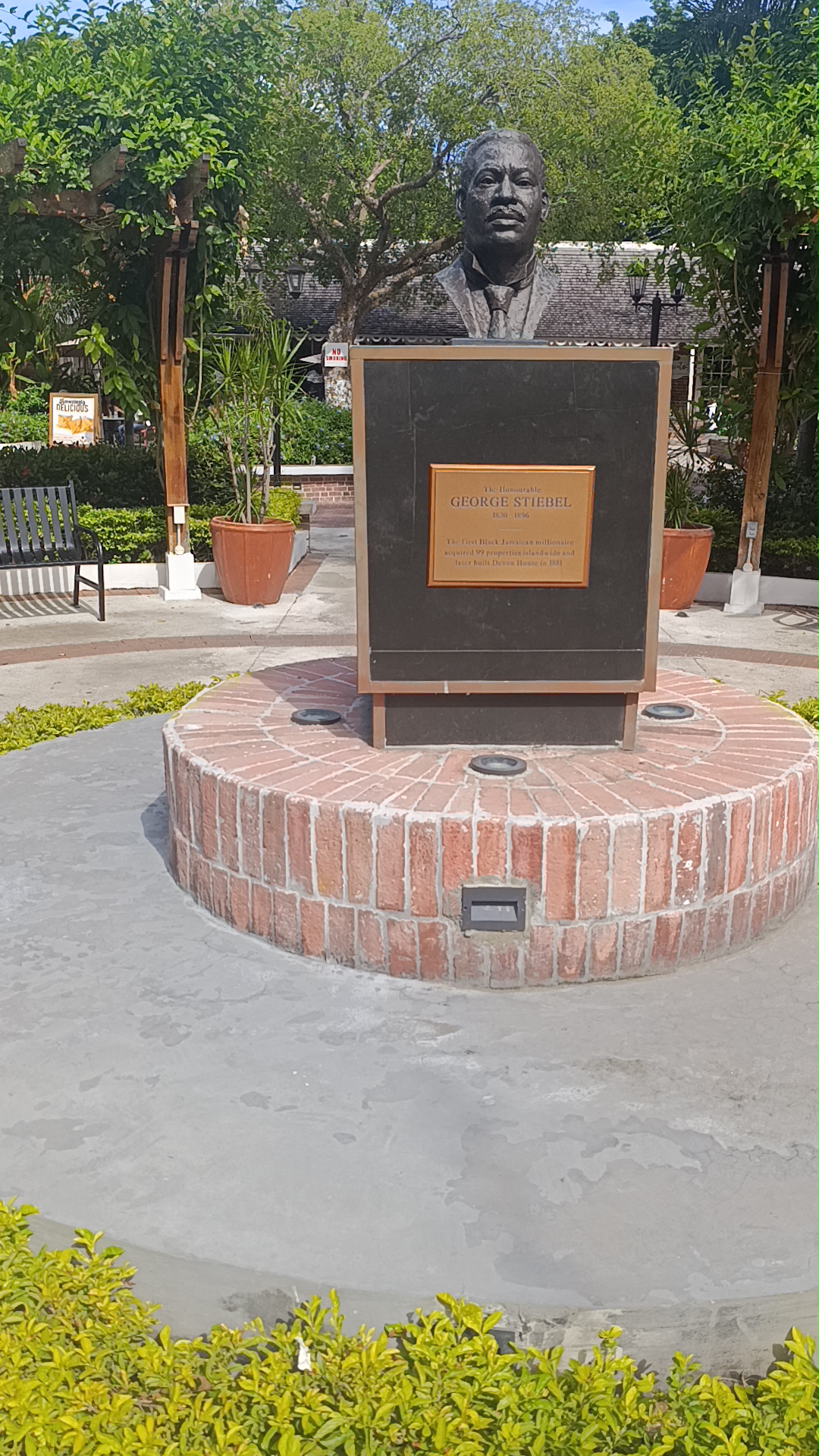
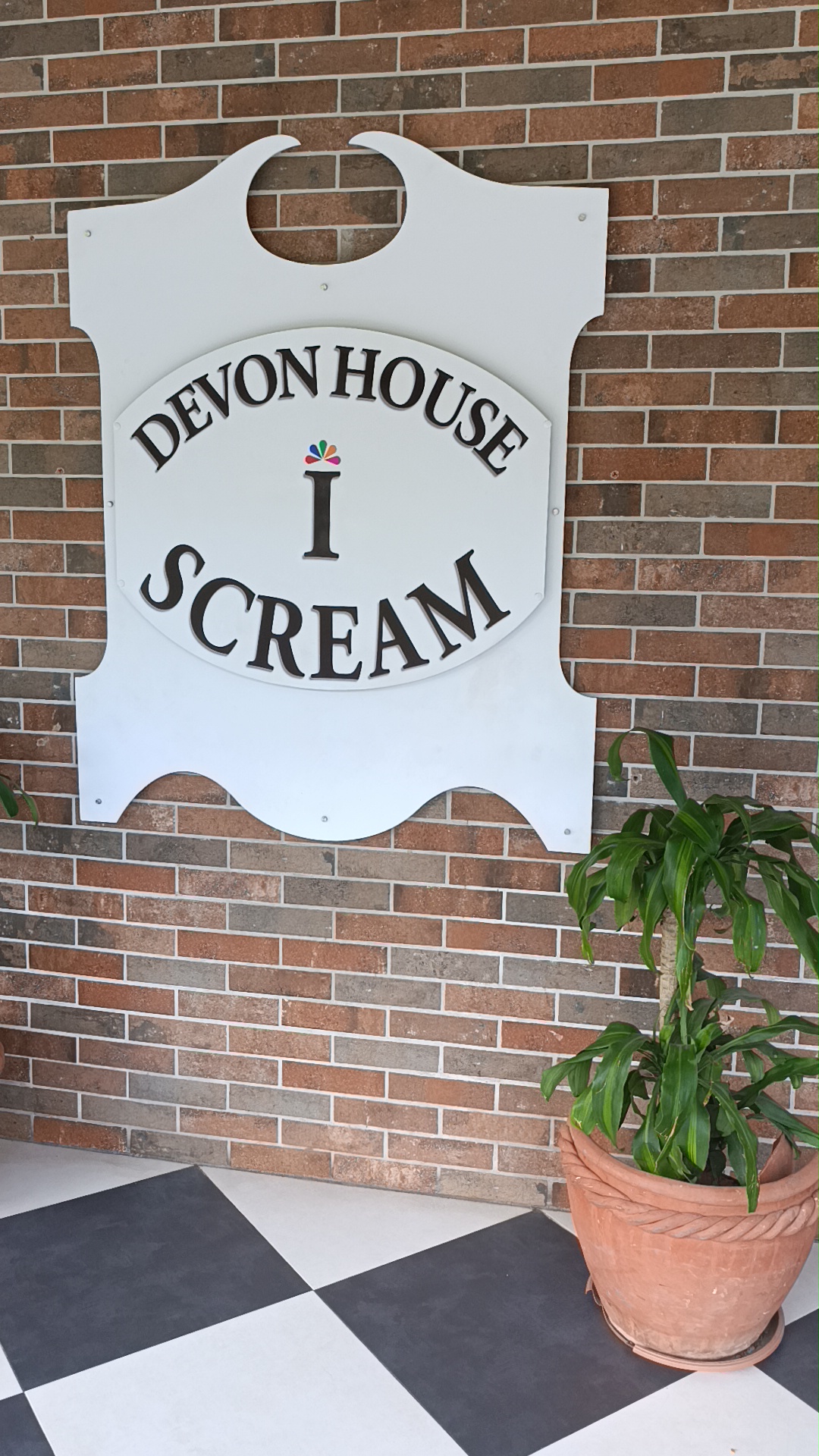
Devon House: This magnificent 19th-century mansion is one of Kingston’s most beloved landmarks. But it’s more than just beautiful architecture. It’s a powerful symbol of Black achievement. The house was built by George Stiebel, Jamaica’s first black millionaire, a man who rose from humble beginnings to make his fortune in Venezuelan gold mines. His story is a testament to the possibilities that opened up after Emancipation. After touring the house, participating in the national ritual of getting a cone of Devon House I-Scream (voted one of the best ice creams in the world) and enjoying it in the sprawling gardens is non-negotiable.
Devon House
Devon House is a historic mansion and national heritage site in Kingston, Jamaica. Built in the late 19th century, it stands as a prime example of Jamaican Georgian architecture and is a major cultural landmark reflecting the island’s post-emancipation prosperity and diverse heritage.
Key facts
Location: Kingston, Jamaica
Built: 1881
Founder: George Stiebel
Architectural style: Jamaican Georgian
Designation: National Heritage Site (declared by the Jamaica National Heritage Trust)
History and Architecture
Commissioned by George Stiebel, Jamaica’s first Black millionaire, Devon House was completed in 1881. The mansion blends Georgian symmetry with Caribbean adaptations such as wide verandas and jalousie windows, suited to the tropical climate. Its design represents the architectural and social ambitions of Jamaica’s upwardly mobile class during the late 19th century.
Cultural Significance
Devon House symbolises Black achievement and social mobility in a period of colonial hierarchy. Stiebel’s success as a merchant and financier allowed him to join Kingston’s elite, challenging racial barriers of the time. Today, the property is preserved as a testament to this legacy and is integral to Jamaica’s national narrative.
Visitor Experience
The 11-acre estate now hosts museums, artisan shops, and eateries, with the mansion itself open for guided tours. The surrounding courtyards feature boutiques and the famous Devon House I Scream parlour, popular among locals and tourists. The grounds also host cultural events, weddings, and community festivals.
Preservation and Tourism
Managed by the Jamaica National Heritage Trust, Devon House remains one of Kingston’s top attractions. Ongoing conservation efforts maintain its structural integrity and historical authenticity while promoting sustainable tourism. The site’s blend of heritage, leisure, and gastronomy continues to make it a defining landmark in Jamaican culture.
Liberty Hall: The Legacy of Marcus Garvey: Located in the heart of Downtown Kingston, this is the restored headquarters of Marcus Garvey’s Universal Negro Improvement Association (UNIA). Garvey was one of the most influential Pan-Africanist leaders of the 20th century, and his philosophy of Black pride and self-reliance profoundly shaped Jamaican identity and the global Civil Rights movement. A visit here is a crucial lesson in political history and the enduring power of his ideas.
Institute of Jamaica: As the nation’s primary custodian of its cultural heritage, the Institute houses a vast collection of archives, artefacts, and exhibitions dedicated to preserving and celebrating every facet of Jamaican life, from natural history to music.
Kingston’s creativity feels alive, not polished. Beyond the major institutions, you’ll find a burgeoning scene of independent galleries and creative spaces. In Downtown, the Paint Jamaica street art project has transformed entire blocks into open-air galleries, using art as a tool for community upliftment. Attending a play or a poetry reading at the University of the West Indies is another fantastic way to tap into the city’s vibrant intellectual and creative life.
What to Eat in Kingston: From Street Corners to Fine Dining
Kingston is, without a doubt, Jamaica’s culinary capital. The diversity of food options here is staggering, offering a taste of the island’s soul at every price point.
Street Food Staples: The Real Taste of Town
Jerk Chicken & Pork: The undisputed king of Jamaican street food. While famous spots like Scotchies offer a fantastic sit-down experience, the true magic is found at night, at a local “pan chicken” man on the side of the road. The chicken or pork is grilled over pimento wood in a converted oil drum, giving it a smoky, spicy flavour that is simply sublime.
Soup Saturdays: Saturday is soup day in Jamaica. All over the city, you’ll find vendors with massive bubbling pots of everything from hearty beef soup and chicken foot soup to the more delicate fish tea. It’s a weekend ritual and a deeply comforting meal.
Roadside Patties: The Jamaican patty is the perfect on-the-go meal. Flaky pastry filled with spiced meat or vegetables, it’s a national obsession. The great debate between the two giants, Tastee and Juici Patties, is a fierce one, and you must try both to choose your side.
Cookshops & Local Spots: Homestyle Heaven
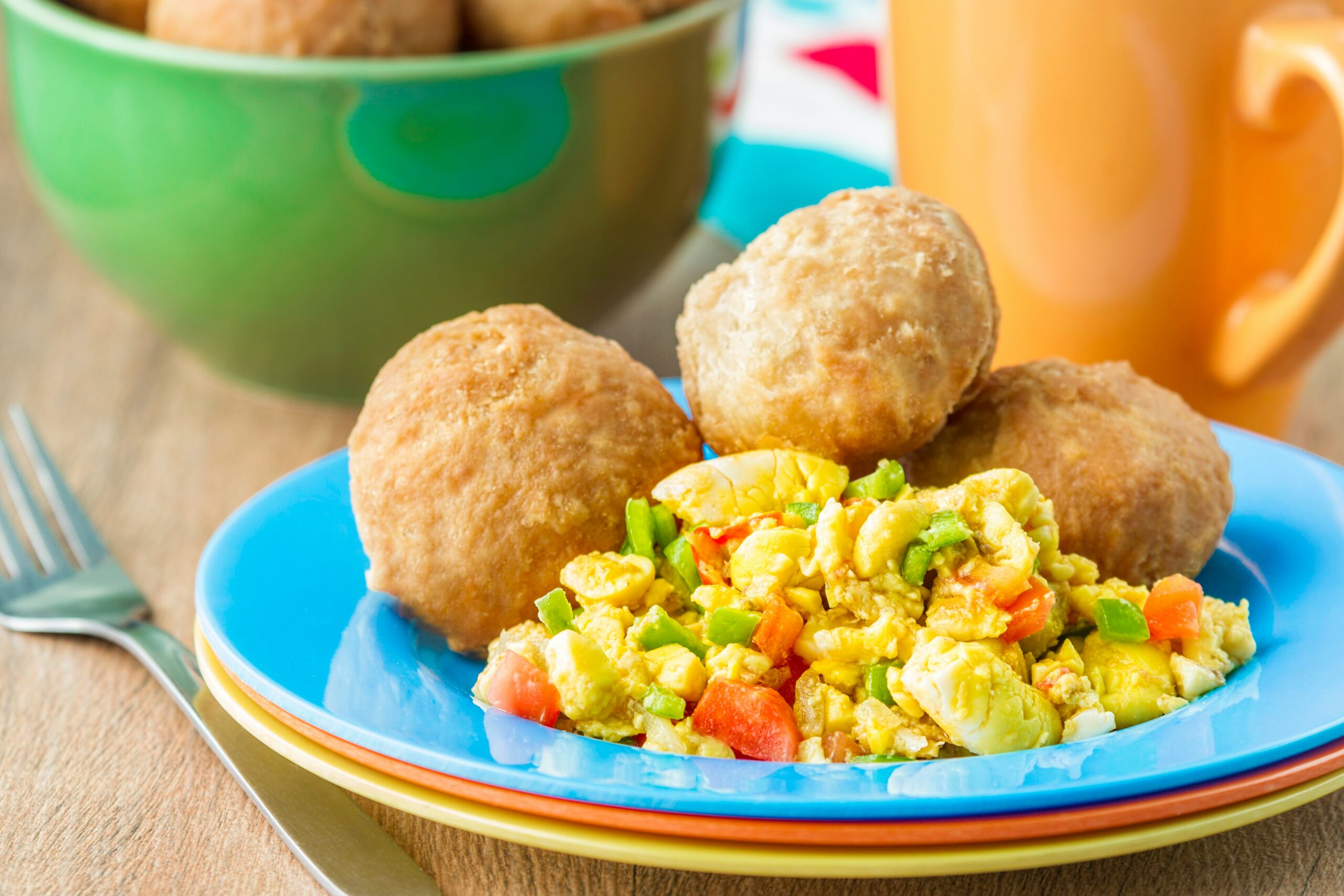
A “cookshop” is a small, often family-run eatery that serves traditional, homestyle Jamaican food. This is where you’ll find the country’s national dish, Ackee & Saltfish, alongside rich, slow-cooked Oxtail, flavourful Curry Goat, and the deeply satisfying vegetarian Stew Peas. Served with a mountain of rice and peas, it’s the most authentic and delicious lunch you can have in the city.
TweetSharePinShare0 Shares The first thing you notice about Kingston is the sound. It’s not the gentle lapping of waves you were promised in the brochures. It’s the deep, resonant bass from a passing car, a…
There’s a version of loving your home country that people expect from you. Loud pride. Endless praise. Blind loyalty. My relationship with Jamaica has never fit neatly into that box. I love her deeply but…
As Caribbean people, we are raised on the beautiful idea that we are one community. We hear it in speeches from politicians, we see it in the proud “CC” logo on our passports, and we…
Upscale & Contemporary Dining: The New Jamaican Cuisine
Kingston has a sophisticated and innovative fine-dining scene. Chefs at restaurants like Summerhouse, Fromage, and Broken Plate are reinterpreting classic Jamaican ingredients with modern techniques, creating a new, exciting Caribbean cuisine. Rooftop restaurants like CRU Bar and Kitchen offer not just great food and cocktails, but stunning panoramic views of the city and mountains.
Coffee Culture: A Taste of the Mountains
Thanks to its proximity to the Blue Mountains, Kingston has a fantastic coffee culture. You can find world-class, single-origin Blue Mountain coffee at charming independent cafés like Café Blue and Rituals Coffee House, perfect for a morning pick-me-up or a relaxing afternoon break.
Kingston Nightlife: Energy After Dark
When the sun sets, Kingston’s energy transforms. The city has a nightlife scene that is as diverse as its population, from stylish, relaxed lounges to high-energy dancehall parties.
Rooftop Bars & Lounges
The best way to start an evening in Kingston is at a rooftop bar. Places like The Rooftop at The AC Hotel or SkyDweller Ultra Lounge offer a chic, sophisticated atmosphere where you can sip craft cocktails, listen to good music, and take in the breathtaking spectacle of the city lights twinkling against the dark silhouette of the mountains.
Dancehall Events
For the adventurous, a night at a dancehall party is an unforgettable cultural immersion. As mentioned before, these are serious events. The dress code is fashion-forward, the dancing is a high-art form, and the energy is infectious. Weekly events like Weddy Weddy Wednesday have been running for years and are institutions in the dancehall world.
Safety Tips for Kingston Nightlife: Your safety should always be your priority. Plan your transportation in advance; use a trusted charter taxi or a ride-sharing app like Uber or inDrive. Do not leave your drink unattended. It’s always best to go out with a group or a local friend who understands the culture of the space. Move with awareness, but without fear. Kingston’s nightlife is a huge part of its identity and can be experienced safely and enjoyably with a bit of common sense.
You don’t visit Kingston to escape life. You visit Kingston to feel it loud, layered, and unapologetically alive.
Day Trips from Kingston: Escape to the Blue Mountains
One of the most magical things about Kingston is that within an hour, you can leave the urban intensity behind and find yourself in the serene, cool, and utterly sacred stillness of the Blue Mountains.
Hiking & Nature: The mountains are a hiker’s paradise. For an accessible and beautiful experience, head to Holywell Park, a national park with well-marked trails, picnic spots, and stunning views. The air is cool and crisp, and the lush vegetation is a feast for the senses. For the ultimate challenge, the overnight hike to the Blue Mountain Peak (7,402 ft) is a journey you will never forget. You start in the dead of night, hiking by flashlight through the cloud forest, to arrive at the summit just in time to watch a spectacular sunrise over the entire island.
Coffee Farms: The Blue Mountains are home to one of the world’s most prized coffees. A tour of a working coffee farm, like the historic Craighton Estate, is a fascinating experience. You’ll learn about the meticulous, hands-on process of growing, harvesting, and roasting the beans, followed by a tasting of the smooth, non-bitter, and aromatic final product.
Lime Cay: If you’re craving the sea, a quick boat trip from Port Royal (on the outskirts of Kingston) will take you to Lime Cay, a small, uninhabited white-sand island. It’s a popular weekend spot for locals to swim, snorkel, and relax, offering a perfect coastal escape just minutes from the city.
Kingston’s unique gift is this incredible duality, the ability to offer you the raw energy of a major city and the profound peace of nature, all within a single day.
Practical Guide: Planning Your Kingston Trip
When to Visit: Kingston is a year-round destination, but some times are better than others. The dry season from December to April offers the most pleasant weather. February is Reggae Month, with a packed calendar of concerts, lectures, and events. April brings the vibrant energy of the Carnival season. The summer months can be hot and rainy, but are often less crowded.
Getting Around: While some areas, like New Kingston, are walkable, Kingston is a driving city. Ride-sharing apps (Uber, inDrive) are the most convenient and safe way for visitors to get around. For longer trips or airport transfers, book a registered charter taxi. Be prepared for traffic, which can be intense, especially during peak hours.
Budget Expectations: Kingston can be surprisingly affordable compared to the resort areas.
Food: A meal at a local cookshop can cost under 10 USD, while a high-end dinner might be 50-100 USD per person.
Transportation: A 15-minute rideshare trip will typically cost $5-8 USD.
Entry Fees: Museum and attraction fees generally range from $15-25 USD.
This is often the first question people ask, and it deserves an honest answer. Kingston, like any major city, has problems with crime, and its reputation is often shaped by this. However, the perception and the reality for a traveller are often two very different things. The vast majority of crime is localised in specific inner-city communities where a tourist has no reason to go.
The key is not to be paranoid, but to be prudent. It’s about moving with the same “city smarts” you would use in London, New York, or any other large metropolis.
Know where you are going before you leave.
Use trusted transportation, especially at night.
Don’t flash large amounts of cash or expensive jewellery.
Be aware of your surroundings.
Listen to the advice of your local hosts or guides.
The mantra is simple: “Don’t be careless.” The overwhelming experience for most visitors to Kingston is one of warmth, curiosity, and incredible hospitality. Do not let fear rob you of the experience of this amazing city.
Who Is Kingston For?
Kingston is not for everyone, and that’s okay. It is the perfect destination for:
Cultural Travellers: Those who travel to connect with the art, music, and history of a place.
Music Lovers: Anyone on a pilgrimage to understand the roots of reggae and dancehall.
The Jamaican Diaspora: Those returning home to reconnect with their heritage.
Digital Nomads & Slow Travellers: People seeking a deeper, more authentic experience beyond the tourist trail.
It is likely not the ideal destination for:
Travellers who exclusively want a resort-and-beach experience.
Those who are easily overwhelmed by urban energy and grit.
Kingston Through My Eyes
My relationship with Kingston has always been complicated. Growing up in a quieter part of Jamaica, Kingston was the “big city” the place of ambition, opportunity, and an intimidating, electric energy. It was where you went for a visa appointment, a big concert, or to see family who seemed to live a faster, more sophisticated life.
Leaving Jamaica and returning has allowed me to see the city with clearer eyes. I no longer see just the chaos; I see the creativity it fuels. I see the frustration of the traffic, but I also see the incredible resilience of the people navigating it. I see the grit, but I see the grace that coexists alongside it.
For me, Kingston is the ultimate expression of the Jamaican spirit. It is a city that has been through so much from colonial oppression to political violence to economic hardship, and yet, it refuses to be broken. Instead, it creates. It sings. It argues. It dances. It innovates. It is a city that forces you to be sharp, to be resourceful, and to be fully present.
I keep coming back to Kingston because it reminds me of who we are. We are not a simple, smiling caricature on a postcard. We are a complex, intelligent, and fiercely creative people. Kingston doesn’t hide its flaws. It wears them on its sleeve, right next to its incredible strengths. And in that raw honesty, there is a beauty that is more profound and more moving than any perfect sunset. Loving Kingston is to love the whole of Jamaica: the difficult and the divine, all at once.
Final Thoughts: Feel the Pulse, Don’t Just Visit
Kingston is not a passive experience. It asks for your presence. It asks you to listen, to engage, and to see beyond the surface. It will challenge your preconceptions. It will ignite your senses. And it will, if you let it, reward you with a connection to a culture that has shaped the entire world.
Don’t come to Kingston to be entertained. Come to feel its pulse. Come to understand its rhythm. It is not a performance; it is a real, lived, breathing reality. And to be welcomed into it is a privilege you will never forget.
Yes, Kingston can be a safe destination for tourists who practice standard urban safety precautions. While the city has a reputation for high crime rates, this is largely concentrated in specific areas that are not on the typical tourist itinerary. Visitors who stay in reputable areas, use trusted transportation, and remain aware of their surroundings are unlikely to encounter any problems.
What are the best things to do in Kingston?
The best things to do in Kingston revolve around its rich culture. Top attractions include the Bob Marley Museum, the National Gallery of Jamaica, and Devon House. Experiencing the city’s music scene at a live venue like Dub Club, exploring the street art in Downtown, and taking a day trip to the Blue Mountains for a coffee tour are all essential Kingston experiences.
Is Kingston worth visiting?
Absolutely. While it may not offer the typical beach resort experience, Kingston is worth visiting for any traveller seeking a deep cultural immersion. It is the best place on the island to experience Jamaica’s world-renowned music, art, food, and intellectual life. For those who want to understand the real, modern Jamaica beyond the tourist facade, Kingston is an essential and incredibly rewarding destination.
Are You Planning Your Next Trip? Here’s What I Use
These are the tools I rely on to make every trip smoother, safer, and more meaningful. If you use the links below, I may earn a small commission at no extra cost to you. Thank you for supporting this blog and my journey as a full-time traveller 💜
1. Learn the Local Language
I useBabbel to practice Spanish, French, and Portuguese while travelling. The app makes it so easy to learn useful phrases on the go.
2. Travel Insurance is a Must
I never leave home withoutSafetyWing. They’re affordable and ideal for frequent travellers or digital nomads.