There are places you visit, and then there are places that reshape you from the inside out. They slow your pulse, deepen your breath, and quietly rearrange your understanding of the world and your place within it. For me, that place has always been Ecuador. It is more than a country I once called home; it is the land that taught me the profound art of moving slowly, of seeing deeply, and of finding a home not just in a place, but within myself.
My story with Ecuador began with a brief, lovely flirtation in 2012. A few weeks in Quito, a taste of its high-altitude charm, and a seed was planted. But it was in 2015 that the real love affair began. I returned, not as a tourist, but with the intention of building a life. For three years, from 2015 to 2018, Ecuador was my home, my teacher, and my sanctuary. It was the backdrop against which I discovered a new version of myself, one who was an ESL instructor, a certified teacher, a friend, a neighbour, and a perpetual student of a culture that is as vibrant and diverse as the landscapes it inhabits.
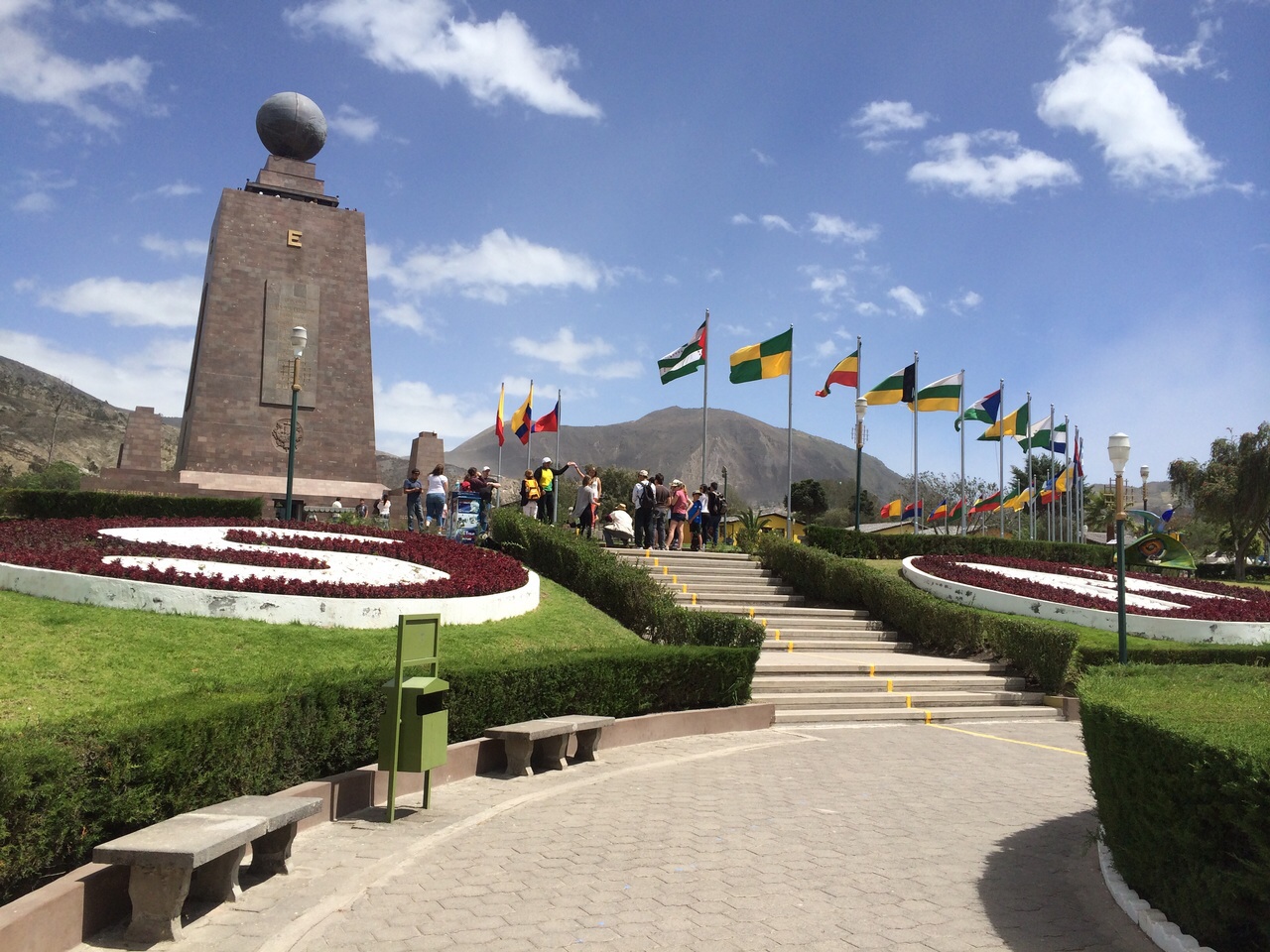
This guide is the culmination of those years. It is a map, not just of places, but of a feeling. It is for the slow traveller, the digital nomad, the seeker who understands that the true richness of a journey is measured in moments of connection, not in miles covered. This is your invitation to discover the soul of the equator.
Contents
- 0.1 My Story: Three Years at the Centre of the World
- 0.2 The Invitation to Linger: Why Ecuador is a Haven for Slow Travellers
- 0.3 The Practicalities of a Slower Pace: A Realistic Cost of Living
- 0.4 Staying Connected: A Realistic Guide to Remote Work & Internet
- 0.5 Navigating with Awareness: A Guide to Safety & Culture
- 0.6 The Paper Trail: Understanding Visas & Your Legal Stay
- 0.7 The Enduring Lesson of the Equator
- 1 Are You Planning Your Next Trip? Here’s What I Use
My Story: Three Years at the Centre of the World
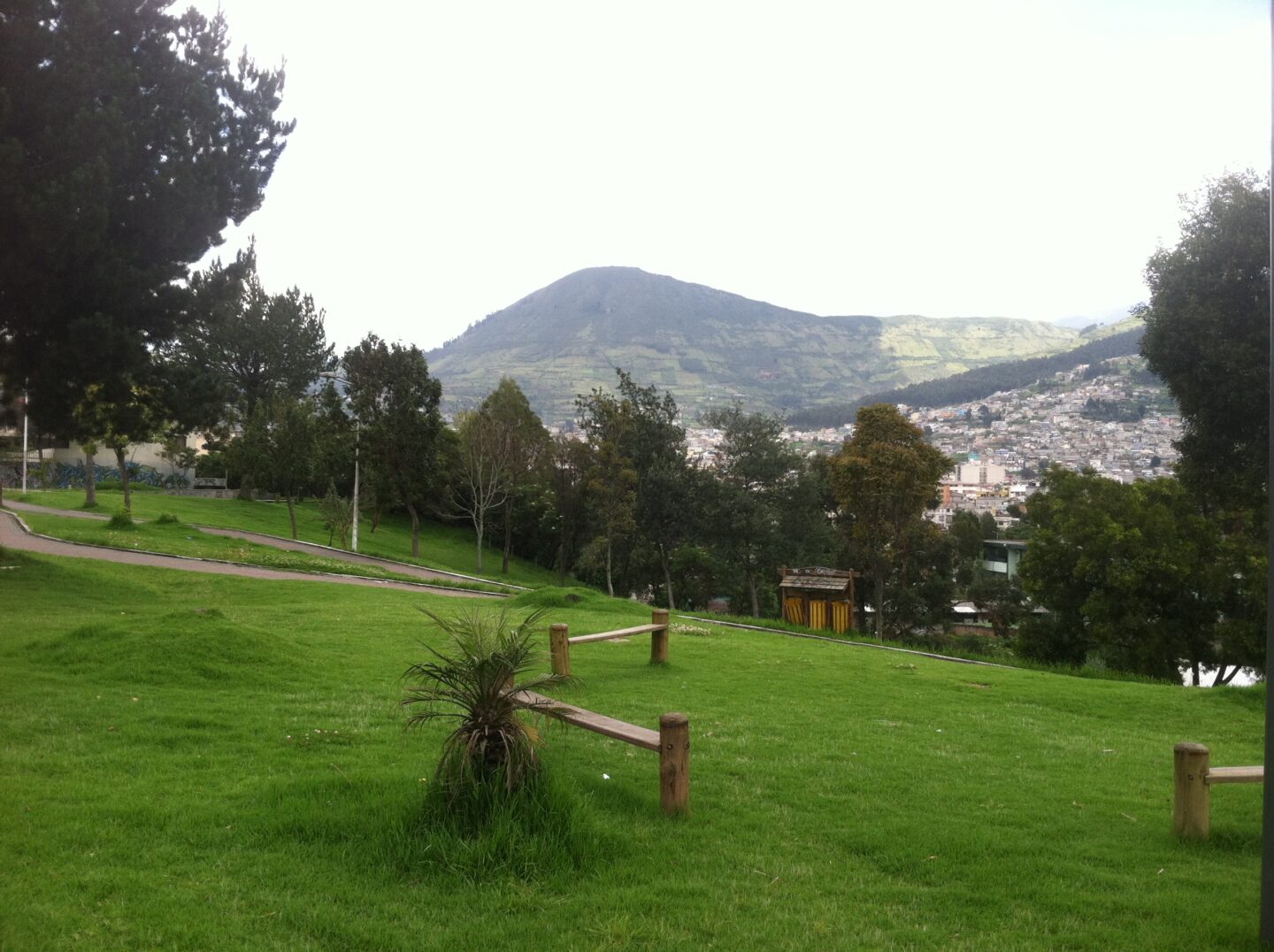
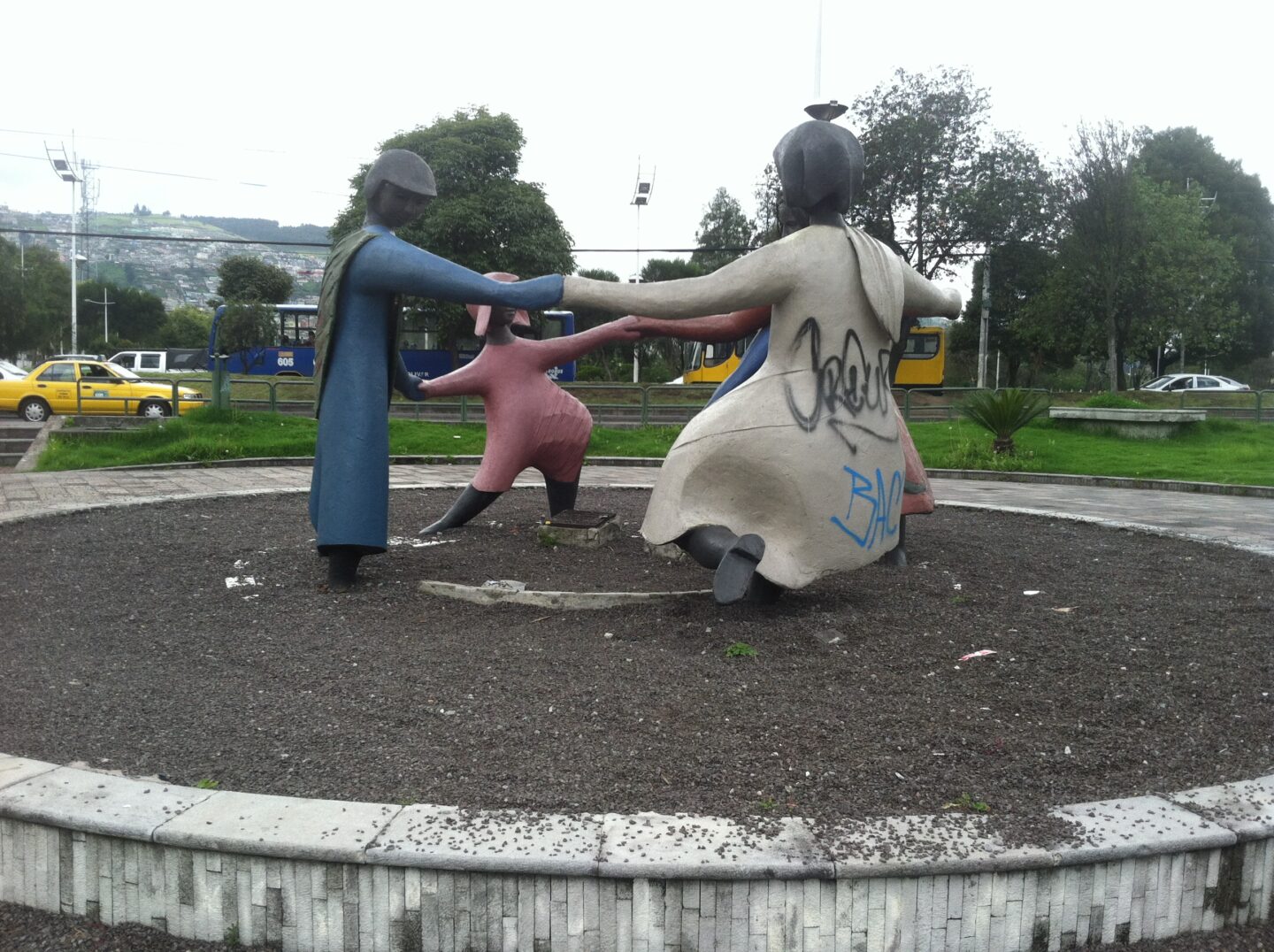
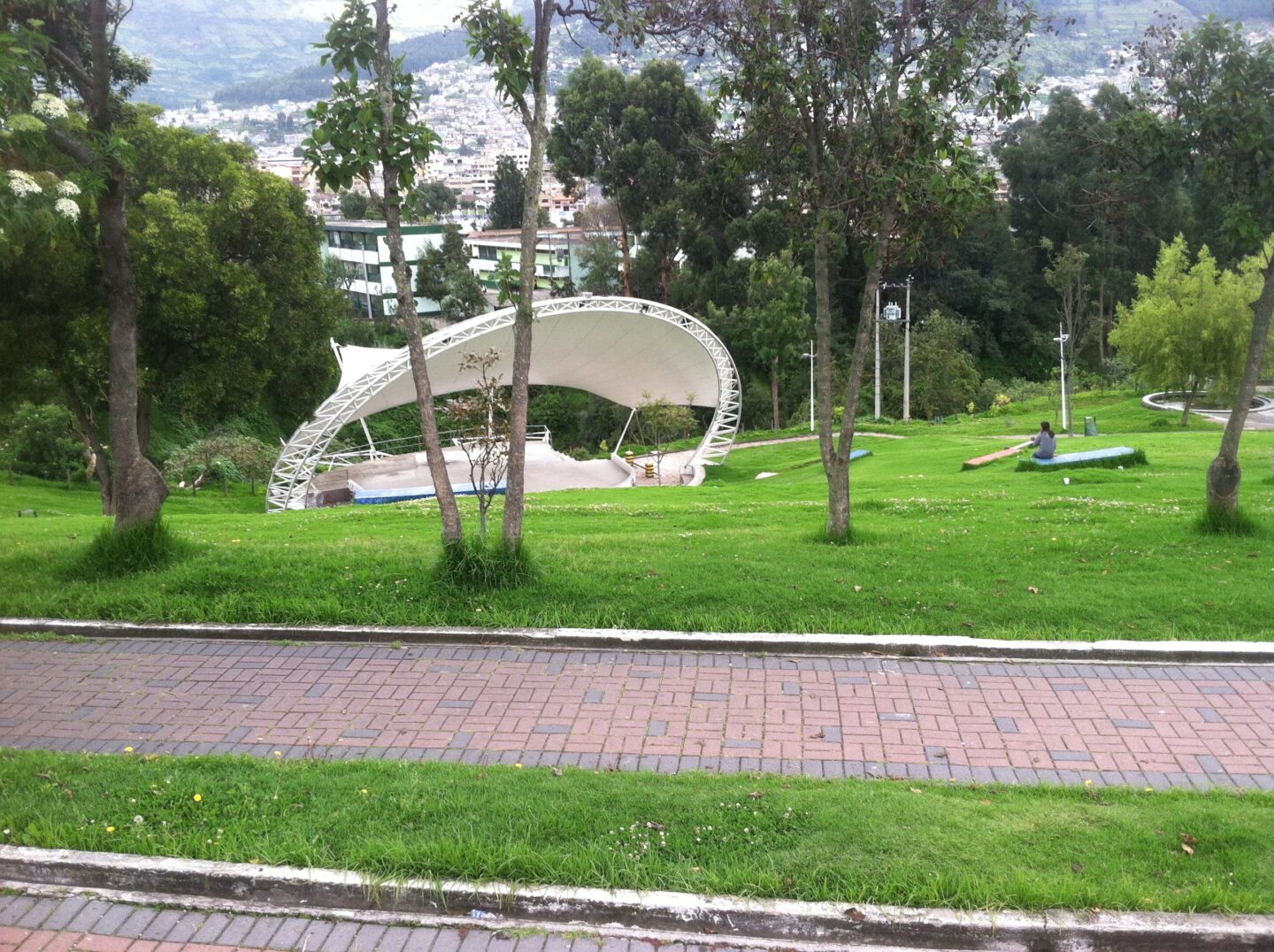
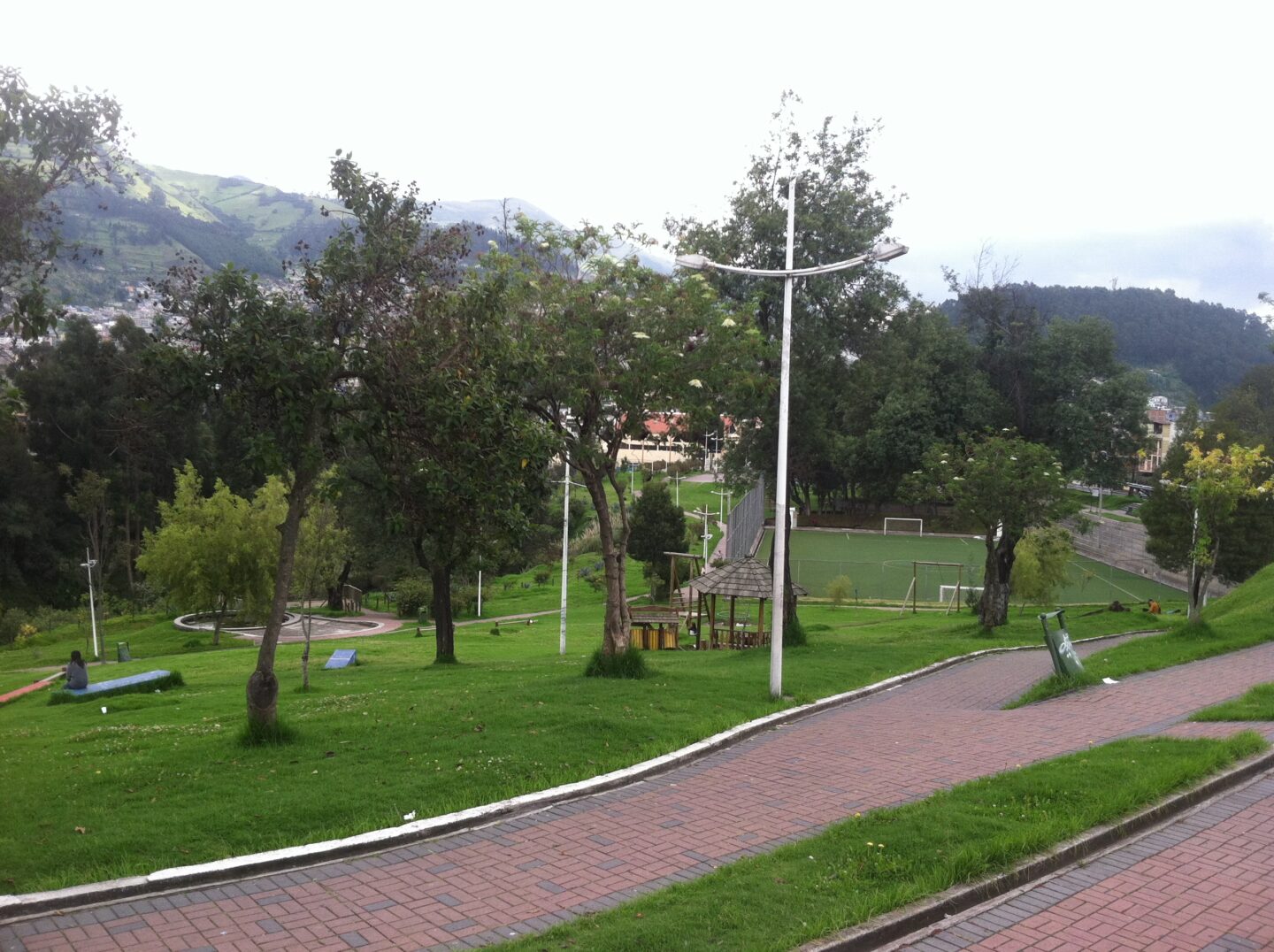
When I first moved to Quito in 2015, my life was a study in contrasts. I settled in the south of the city, near Quitumbe, where the great Terminal Terrestre Quitumbe acts as the city’s southern lung, breathing buses and people out into every corner of the country. Life there was local, vibrant, and deeply immersive. It was a world of bustling markets, neighbourhood chatter, and the quiet hum of daily life, far from the polished tourist trails.
My purpose was to teach. I threw myself into my studies, earning my TESOL and CELTA certifications to teach English as a second language. My classroom became my window into the Ecuadorian soul. My students, with their warmth, curiosity, and generosity, were my first and most important guides. Teaching English was more than a job; it was a bridge. It connected me to a diverse network of fellow expatriate wanderers, dreamers, and educators from around the world who, like me, had been drawn into Ecuador’s orbit.
Later, I moved to the north, to the very heart of the modern city, near the intersection of 10 de Agosto and Colón. Here, the city’s pulse was faster, a different kind of energy, but the connections only deepened. My circle of friends grew into a tapestry of locals and foreigners, a chosen family that blurred the lines between nationalities. These are the people who are still family to me today, the enduring legacy of my time there.
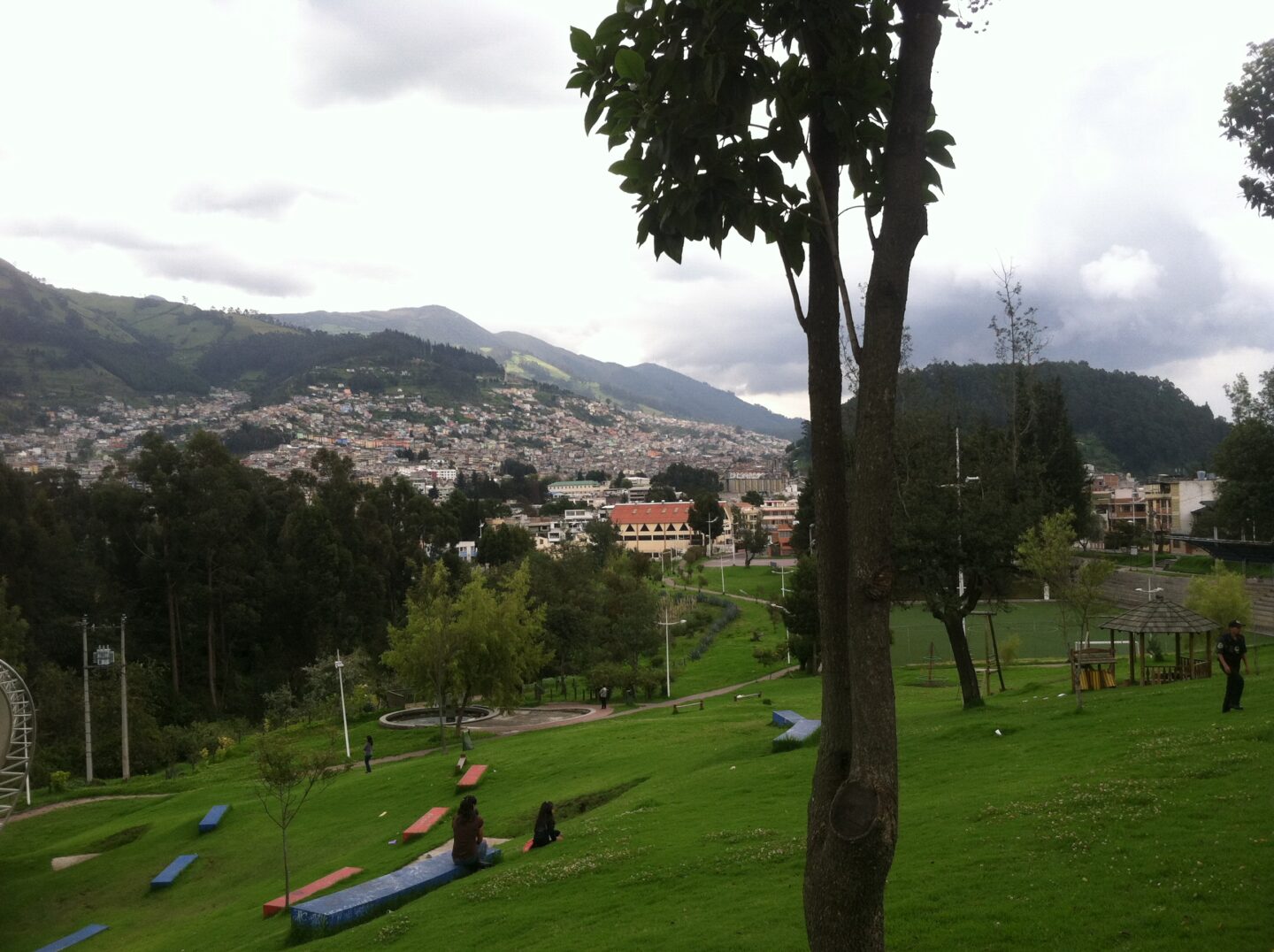
Ecuador became my basecamp for exploring the continent. From Quito, I journeyed through South America, but I always returned with a deeper appreciation for my adopted home. What I learned, living in the embrace of the Andes, is that Ecuador is a microcosm of the entire continent. It is a place of staggering diversity, where you can stand on the peak of a snow-dusted volcano in the morning and, by evening, be lulled to sleep by the sounds of the Amazon rainforest or the crash of the Pacific Ocean.
But the most profound lesson Ecuador taught me was about pace. It taught me to move slowly. It revealed to me the simple, powerful truth that you can never truly know a place in a few days, a week, or even a month. After three years, I still felt like I was just scratching the surface. Every day presented a new path to wander, a new flavour to taste, a new conversation to be had. Ecuador dismantled my tourist mindset and replaced it with a traveller’s soul, one that seeks not to consume, but to connect.
The Invitation to Linger: Why Ecuador is a Haven for Slow Travellers
Ecuador’s magic lies in its compression of worlds. It is a country where the geography of an entire continent seems to have been distilled into a space you can truly hold. This is why it is a paradise for those of us who prefer to travel with depth and intention.
Four Worlds in One
The sheer diversity is breathtaking. Within its borders, Ecuador holds four distinct, magnificent worlds:
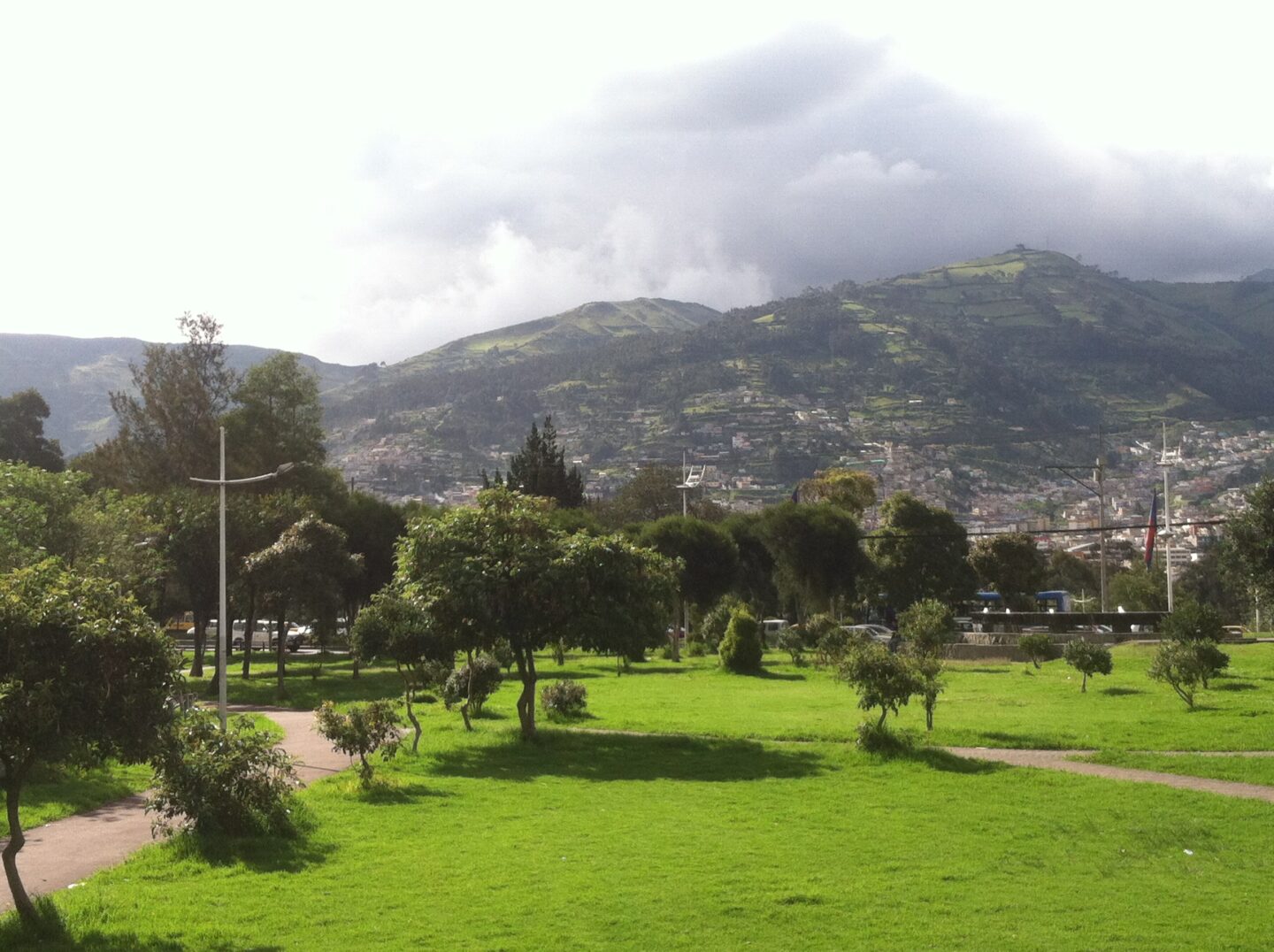
- La Sierra (The Highlands): The spine of the Andes runs through the country, a majestic avenue of volcanoes, cloud forests, and vibrant indigenous communities. This is the land of high-altitude cities like Quito and Cuenca, of patchwork fields, and of crisp, mountain air.
- La Costa (The Coast): A warm, tropical embrace awaits on the Pacific coast. Here you will find sun-drenched beaches, sleepy fishing villages, bustling port cities like Guayaquil, and a culture that moves to a more relaxed, humid rhythm.
- El Oriente (The Amazon): The eastern part of the country descends into the vast, mysterious Amazon basin. It is a world of immense biodiversity, of winding rivers, dense rainforest, and ancient cultures that live in deep harmony with the natural world.
- The Galápagos Islands: A world unto themselves, this volcanic archipelago is a living laboratory of evolution, a place of otherworldly landscapes and fearless wildlife that inspired Darwin himself.
The true gift of Ecuador is that these worlds are accessible. You can move between them with relative ease, experiencing a dramatic shift in climate, culture, and landscape in just a matter of hours.
A Culture of Connection and Community
What truly sets Ecuador apart for me is the nature of its expatriate communities and their relationship with the local culture. In many parts of the world, you find expat bubbles and enclaves that exist parallel to, but separate from, the local community. My experience in Ecuador, particularly in a city like Cuenca, was the complete opposite.
Cuenca is a beautiful colonial city with a large community of retirees and foreign residents. But unlike what I’ve witnessed in places like Medellín, Colombia, it doesn’t feel like a displacement of locals. Instead, it feels like an integration. The expats who move to Cuenca seem to do so with a genuine desire to become part of the fabric of the city. They learn the language, support local businesses, and contribute to the community’s socioeconomic fabric. It feels less like a takeover and more like a healthy, symbiotic relationship that enriches the city for everyone.
This spirit of inclusion is a reflection of the broader Ecuadorian culture. It is a deeply family-oriented and vibrant society where people share their lives openly. The invitation to join is always there for a cerveza after work, for a weekend fiesta at someone’s home, for a shared meal. There is a warmth and a generosity that make it easy to feel like you belong.
The Practicalities of a Slower Pace: A Realistic Cost of Living
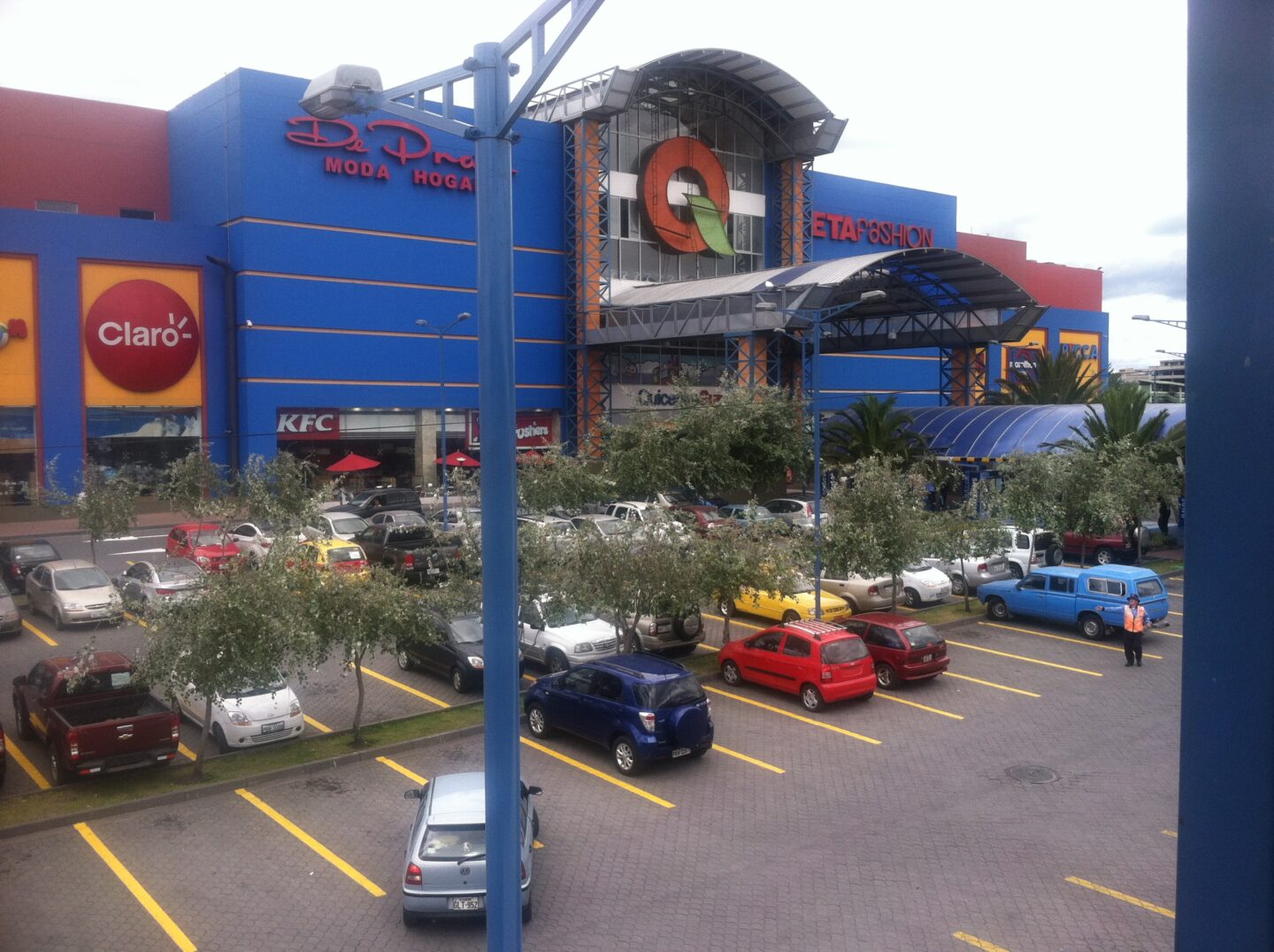
Ecuador remains one of the most affordable countries in South America, allowing you to live a comfortable, rich life without the financial pressures of many other destinations. The fact that the official currency is the U.S. Dollar removes the hassle of exchange rates and provides a stable economic environment. While I lived there a few years ago, my research and connections confirm that it continues to offer incredible value.
Here is a realistic breakdown of monthly expenses for a single person or a couple living in a major city like Quito, Cuenca, or Guayaquil:
- Rent: 350−600. This will get you a very nice, modern, and safe one or two-bedroom apartment in a desirable neighbourhood. Luxury apartments with more amenities will, of course, be higher.
- Groceries: 300−400. This is for a couple who cook most of their meals at home. The real savings come from shopping at the local mercados, where fresh fruits, vegetables, and produce are incredibly fresh and astonishingly cheap.
- Utilities: 100−150. This covers electricity, water, subsidised cooking gas (el gas), high-speed internet, and a mobile phone plan.
- Healthcare: Very affordable and high-quality. A visit to a general doctor is typically around $30, and specialist visits are also very reasonable. Many expats are impressed by the quality of care available in private clinics and hospitals.
- Transportation: Extremely low. The local bus systems in cities like Quito cost only 25 to 50 cents per ride. The new Metro in Quito offers a modern, efficient way to cross the city. Taxis are inexpensive, and gasoline is heavily subsidised and cheap.
- Household Help: Many expats and locals hire help for cleaning and cooking. You can expect to pay around $70 for a couple of full days of work per week.
- Dining Out & Entertainment: You can get a delicious and filling almuerzo (set lunch) for 3−7. A mid-range dinner for two with drinks will typically cost between 20−35.
Total Estimated Monthly Cost: A comfortable, fulfilling lifestyle can be achieved for 1,000−1,000−1,800 per month for a couple. This allows for dining out, travel, and enjoying all that the country has to offer without feeling financially strained.
Staying Connected: A Realistic Guide to Remote Work & Internet
Ecuador has become increasingly popular for remote workers, thanks to its affordability and the introduction of a formal Digital Nomad Visa. However, working from here requires a realistic understanding of the infrastructure.
The Internet Situation
The quality of the internet has improved dramatically over the years. In major cities like Quito, Cuenca, and Guayaquil, you can get reliable, high-speed fibre optic internet from providers like Netlife or the state-run CNT.
However, the country has faced significant infrastructure challenges, including nationwide power blackouts in 2024 and 2025. For a remote worker, this is a critical consideration. An internet connection is useless without power. To work successfully and without interruption, you must be prepared.
Your Remote Work Toolkit for Ecuador:
- Backup Power: A UPS (Uninterruptible Power Supply) is non-negotiable. This will keep your modem, router, and laptop running during short power cuts, which can be frequent even outside of major blackouts.
- Backup Internet: Consider a service like Starlink if your work is absolutely mission-critical and you plan to live outside a major urban centre where fibre is less reliable.
- Location Diligence: When choosing an apartment, ask about the internet provider and inquire with neighbours about the reliability of both power and internet in that specific area.
Visas & Legality for Remote Workers
- Rentista (Digital Nomad) Visa: Ecuador offers a visa specifically for remote workers and those with passive income. It allows you to live in the country for up to two years and is renewable. You will need to prove a stable income from a foreign source.
- Tourist Stays: Most nationalities receive a 90-day tourist stamp upon arrival. This can often be extended for another 90 days, giving you up to 180 days to experience the country. However, for serious long-term remote work, the Rentista visa is the correct legal path.
- Taxation: A major advantage is that under the Rentista visa, you generally will not pay Ecuadorian income tax on money earned from foreign sources.

Ecuador is a warm and welcoming country, but like any place, it requires awareness and common sense. During my three years there, the most prevalent issue I and those around me faced was petty crime, specifically pickpocketing. This is a risk for everyone, locals and foreigners alike.
Staying Safe in Urban Environments
- Crowded Areas are Hotspots: Be hyper-aware in crowded places. This includes public transportation hubs like La Marín in Quito, the bustling Centro Histórico, and any packed market or festival.
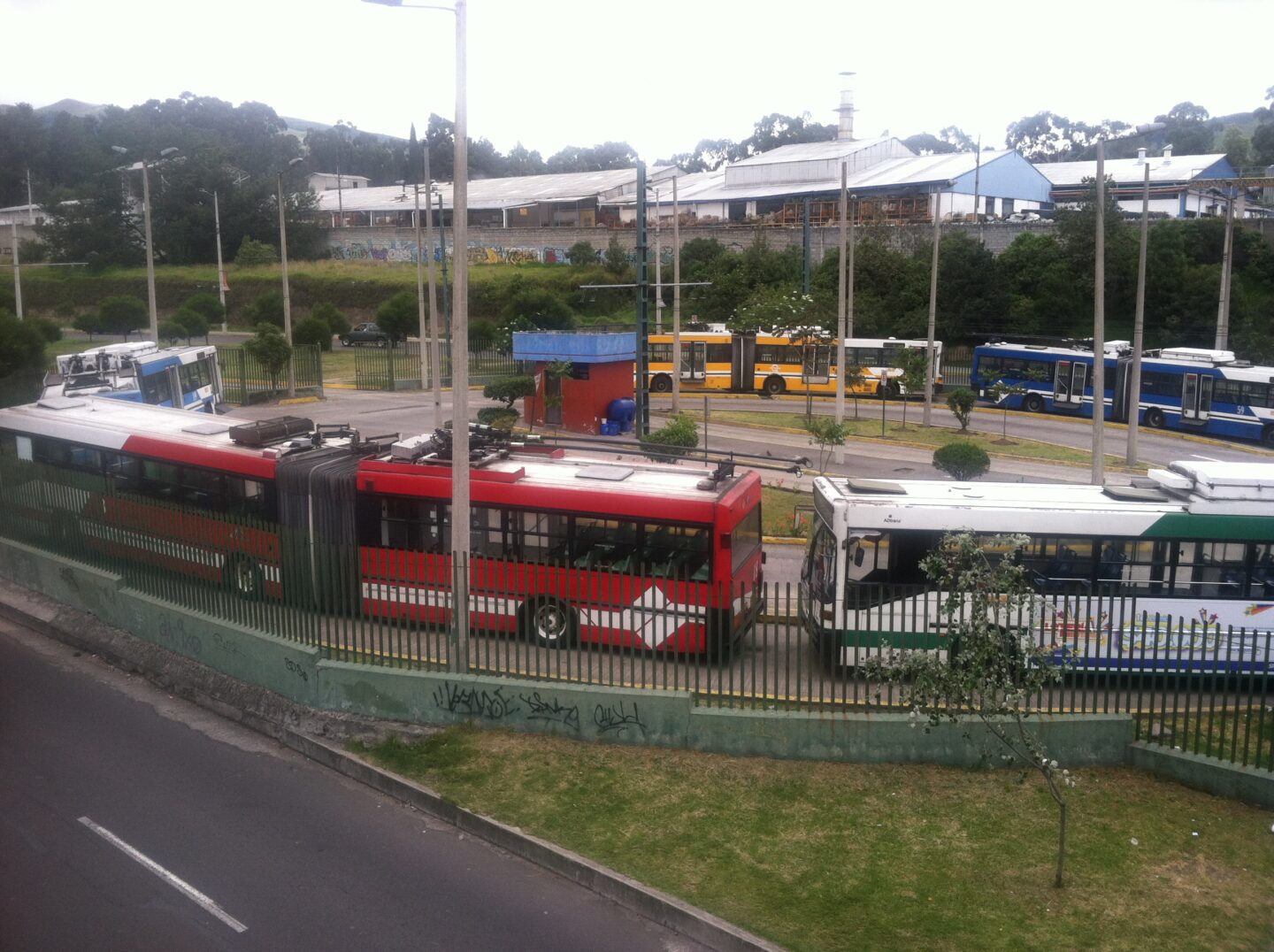
- The Trolley & Bus System: The Trole and Ecovía buses in Quito can get incredibly packed during peak hours. This is prime time for pickpockets. Always wear your backpack on your front, and keep your purse zipped and held in front of you. A common tactic is for thieves to use a knife to slash the bottom of a bag. You won’t feel a thing, and your valuables will be gone before you even step off the bus.
- Distraction is a Key Tactic: Be wary of anyone who is overly friendly or tries to create a commotion around you. Often, one person will distract you while another picks your pocket. Politely disengage and move away. Do not accept “free gifts” or get drawn into long conversations with strangers on the street.
- Valuables: Don’t be flashy. Leave expensive jewellery at home. Keep your phone out of sight when you’re not using it. Don’t carry large amounts of cash.
- Transportation: Use ride-sharing apps like Uber or Cabify, or have your hotel or restaurant call a trusted taxi for you. Avoid hailing taxis on the street, especially late at night.
A Note on Cultural Perceptions of Safety
You will often hear broad generalisations about safety in Latin America. In Ecuador, people will tell you that the south of any given city is dangerous, or that coastal provinces like Esmeraldas and the city of Guayaquil are to be avoided.
My personal experience taught me to take this with a grain of salt. I lived in the south of Quito and never found it to be more dangerous than any other part of the city. There is often an unfortunate and unfair association of poverty and Black or coastal communities with danger.
The truth is, you should use the same level of awareness everywhere. Don’t let your guard down in a “safe” neighbourhood, and don’t be paralysed by fear in a “dangerous” one. The key is to move with confidence and awareness, listen more than you speak, and trust your intuition. If you can speak some Spanish, use it. Blending in and not presenting yourself as a lost, flashy tourist is your best defence.
The Paper Trail: Understanding Visas & Your Legal Stay
Navigating the visa process in Ecuador can seem daunting, but it has become much more streamlined with the move to an online system. I have personally held several different visas student, volunteer, and work, all before the digital nomad era, and the process has always been manageable with patience and preparation.
My Personal Visa Journey
- Student & Volunteer Visas: These were relatively easy to obtain once I had an official letter from a registered school or volunteer organisation.
- Work Permit: As an ESL teacher, my employer provided the necessary documentation to prove my employment, which was the foundation of my work visa application.
A key tip for any long-term visa is that you will likely need to open a local bank account. In my experience, Banco Pichincha, Produbanco, and Banco Guayaquil were some of the more foreigner-friendly options. For any official process, you will need copies of your passport and your movimiento migratorio—the official record of your entries and exits from the country.



Current Visa Options (Simplified)
- Short Stays (Up to 90 Days): Citizens from the U.S., Canada, the U.K., the E.U., Jamaica, and many other countries do not need a visa for tourist stays. You will receive a T-3 tourist stamp in your passport upon arrival. Your passport must be valid for at least six months.
- Tourist Extension: You can typically apply for a 90-day extension at a local migration office, allowing for a total stay of up to 180 days in a calendar year.
- Longer Stays (Temporary & Permanent Residency): For anyone wishing to work, study, retire, or live in Ecuador long-term, you will need to apply for a residency visa. This is now done primarily through the online portal of the Ministry of Foreign Affairs.
- General Requirements for Residency Visas:
- Valid passport (6+ months validity)
- Completed online application
- Apostilled criminal background check from your home country
- Proof of sufficient funds or income for your stay
The Official Source: Always check the official government website for the most up-to-date requirements, as rules can change: https://www.cancilleria.gob.ec/
LISTA DE PAÍSES QUE DEBEN PRESENTAR VISA AL INGRESAR AL ECUADOR
Visas
The Enduring Lesson of the Equator
To live in Ecuador is to live in a state of constant, gentle discovery. It is a country that rewards curiosity and patience. It is a place where the grandeur of the Andes can make your own worries feel small, where the warmth of the people can melt away cynicism, and where the sheer vibrancy of life can reawaken a sense of wonder you thought you had lost.
My three years there were a gift. Ecuador taught me that home is not a place on a map, but a feeling of connection to the land, to the people, and most importantly, to yourself. It is a country that doesn’t just ask you to visit; it invites you to linger, to listen, and to let its rhythm become your own. If you accept that invitation, I promise you, you will leave with far more than just memories. You will leave with a piece of its soul.
Check out these posts:
Is the Digital Nomad Lifestyle for You?
Exploring the Intiñan Solar Museum: A Journey Through Ecuador’s Equator
Keeping Promises to Myself
Are You Planning Your Next Trip? Here’s What I Use
These are the tools I rely on to make every trip smoother, safer, and more meaningful. If you use the links below, I may earn a small commission at no extra cost to you. Thank you for supporting this blog and my journey as a full-time traveller 💜
1. Learn the Local Language
I use Babbel to practice Spanish, French, and Portuguese while travelling. The app makes it so easy to learn useful phrases on the go.
2. Travel Insurance is a Must
I never leave home without SafetyWing. They’re affordable and ideal for frequent travellers or digital nomads.
3. Book Your Tours & Experiences
For unique local tours and must-see experiences, I use:
→ Viator
→ Get Your Guide
4. Always Stay Connected
No matter where I go, Keepgo helps me stay connected with international data SIMs and eSIMs that actually work. A lifesaver when Wi-Fi fails!
5. Organise Your Itinerary
I use Tripsy to plan and store my itineraries, documents, and bookings in one clean app. It’s perfect for keeping track of everything in one place.
Until next time, travel softly,
Destiny 💜
