Seoul does not introduce itself gently.
It hums.
Neon lights flicker against the quiet dignity of ancient gates. Glass towers stretch toward the sky while wooden hanok houses sit low and patient beneath them. The subway arrives to the second, yet temple bells ring as they have for centuries.
Seoul is not a city you simply visit. It is a city you learn.
And this Seoul travel guide is not just about the obvious things to do in Seoul it is about understanding how this capital breathes, how its neighbourhoods shift in personality, how its food tells stories, and how its history still lingers in the curve of palace roofs.
Because if you move through Seoul quickly, you will see it.
But if you move through it slowly, you will begin to understand it.
Contents
- 1 First Impressions: Arriving in a City That Moves With Precision
- 2 Need to Know Before You Go
- 3 What to Eat & Drink
- 4 What to Wear
- 5 Travel Tips & Cultural Awareness
- 6 Need to Know Before You Go
- 7 What to Eat & Drink
- 8 What to Wear
- 9 Travel Tips & Cultural Awareness
- 10 Understanding Seoul: A City of Layers
- 11 Where to Stay in Seoul: Choosing a Neighbourhood That Fits You
- 12 The Historic Heart of Seoul
- 13 Modern Seoul: Design, Innovation & Pop Culture
- 14 Markets & Street Life: Where Seoul Breathes
- 15 A Seoul Food Guide: What to Eat & Why It Matters
- 16 Nature Inside the City: Seoul’s Green Escape
- 17 Extending Your Journey Beyond Seoul
- 18 If Not Seoul…
- 19 Check Out Other Guides
- 20 Are You Planning Your Next Trip? Here’s What I Use
First Impressions: Arriving in a City That Moves With Precision
The journey usually begins at Incheon International Airport one of the most efficient gateways in the world. There is a quiet choreography to it all: immigration lines moving briskly, signage clear and multilingual, baggage appearing almost before you expect it.
You step onto the Airport Railroad Express, and the city reveals itself gradually through glass.
As the train glides toward central Seoul, apartment towers begin to multiply. Bridges stretch across the Han River. The skyline sharpens. There is order in the movement but also intensity.
The subway map, at first glance, feels overwhelming a web of coloured lines crossing and re-crossing. But this is where Seoul begins to teach you its first lesson: complexity can be navigated with structure.
Once you understand the rhythm, the city becomes one of the easiest major capitals in the world to move through.
And yet beneath that efficiency lies ritual bowing greetings, tea ceremonies, temple courtyards where time seems suspended.
Seoul lives between acceleration and stillness.
Need to Know Before You Go
Before diving fully into Seoul’s neon-lit nights and temple mornings, it helps to understand a few practical details. Seoul is wonderfully efficient but knowing how things work will make your experience smoother, calmer, and far more enjoyable.
Currency & Money
South Korea uses the South Korean won (KRW). Credit cards are widely accepted across hotels, cafés, restaurants, and major shops, and Seoul is largely cashless in many areas. That said, carrying a small amount of cash is wise for street food stalls, traditional markets, or smaller neighbourhood vendors.
Tipping is not customary in Korea and is generally not expected. Service is included, and hospitality is offered with professionalism rather than performance.
Language
Korean is the national language. English is commonly understood in major tourist areas, transport hubs, and hotels, but less so in traditional markets or residential districts.
Google Translate will be helpful but learning a few basic phrases is always appreciated and warmly received.
Helpful phrases:
- Annyeonghaseyo – Hello
- Gamsahamnida – Thank you
- Jebal – Please
- Sillyehamnida – Excuse me
- Eotteoke jinaeseyo? – How are you?
- Ne / Aniyo – Yes / No
- Hangugeoreul mothaeyo – I don’t speak Korean
- Yeongeo haseyo? – Do you speak English?
Even a simple greeting softens interactions beautifully.
Airports & Arrival
Incheon International Airport (ICN) is Seoul’s primary gateway and one of the most efficient airports in the world. Non-stop flights operate from cities such as New York, London, and Mexico City.
Gimpo International Airport (GMP) handles domestic flights and select routes to nearby East Asian cities like Tokyo, Shanghai, and Taipei.
From Incheon, the Airport Railroad Express (AREX), airport limousine buses, and taxis make it straightforward to reach the city centre.
Transportation Within Seoul
Seoul’s public transport system is exceptional. Clean, punctual, and well-signposted, it connects nearly every neighbourhood with ease.
Purchase a T-money card upon arrival to use on subways and buses. Central districts are also highly walkable, particularly areas like Insadong, Bukchon, and parts of Hongdae.
Once you understand the subway map, the city becomes surprisingly intuitive.
Best Time to Visit Seoul
Seoul is a true four-season city, similar in climate to New York.
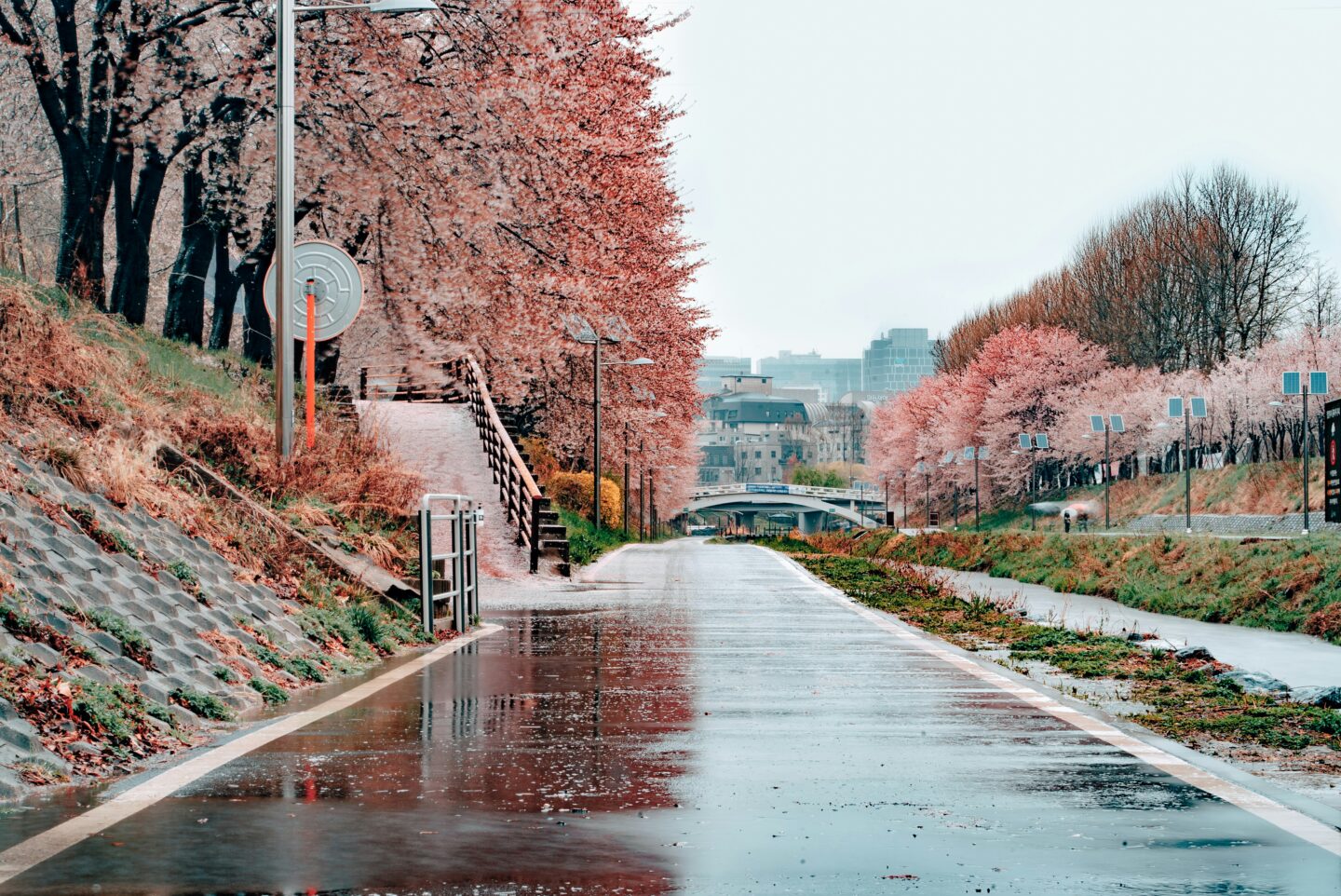
- Spring (March–May): Mild temperatures and cherry blossoms framing palace grounds.
- Summer (June–August): Hot, humid, and rainy ideal for museums, cafés, and late-night exploration.
- Autumn (September–November): Crisp air, clear skies, and brilliant foliage arguably the most beautiful season for walking and hiking.
- Winter (December–February): Cold with occasional snow. Layer well, especially if combining Seoul with warmer destinations.
Each season reshapes the city.
Ideal Length of Stay
Plan at least three nights to experience Seoul meaningfully. A week allows for day trips to places like Busan, Gyeongju, or Jeju Island.
Seoul also works beautifully as a stopover destination when travelling through Asia.
Longer stays are ideal if planning K-beauty treatments or wellness procedures, as recovery time may be required.
What to Eat & Drink
Seoul’s culinary landscape is both deeply traditional and constantly evolving. A few dishes to know:
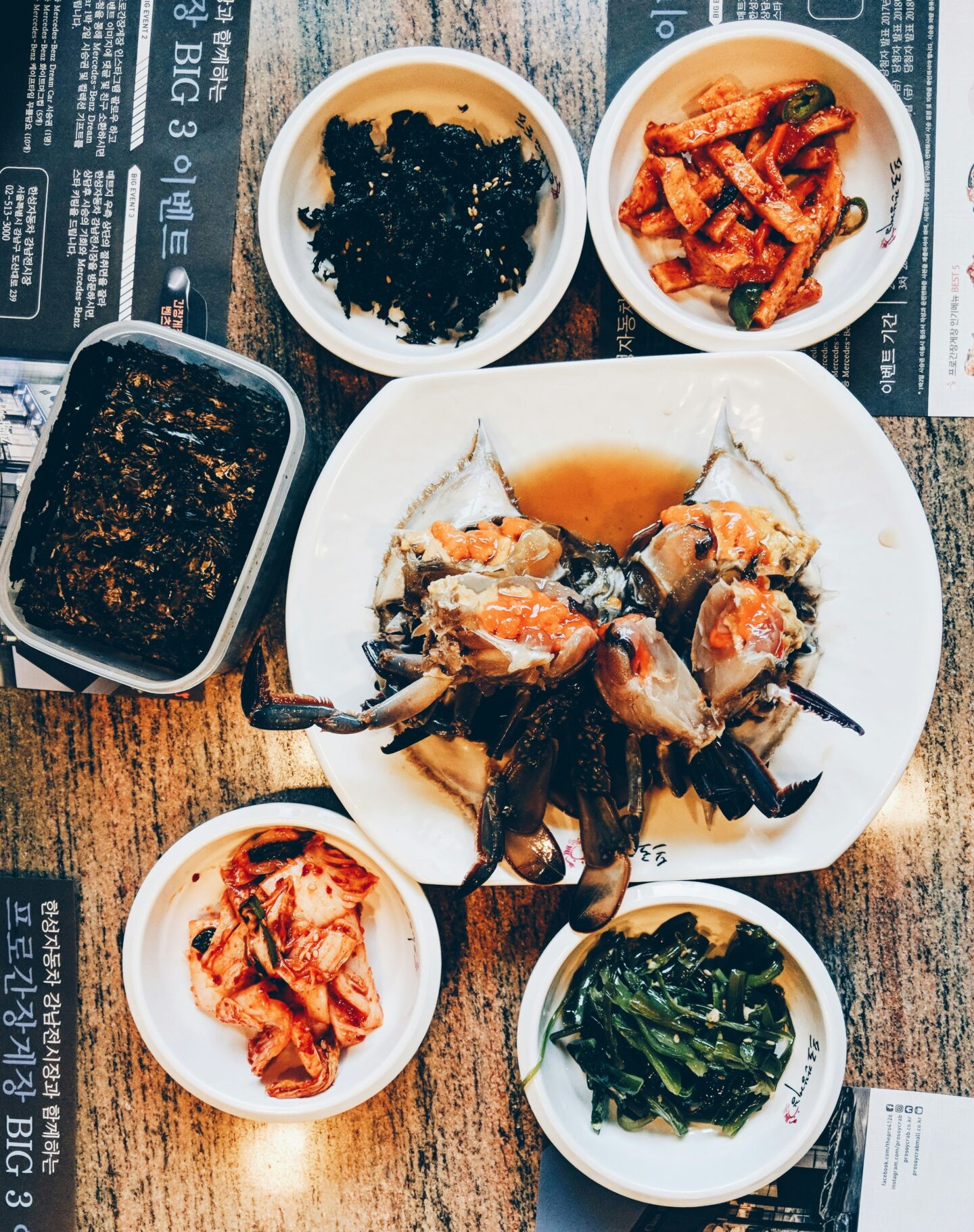
- Samgyeopsal: Thick-cut pork belly grilled at your table, wrapped in lettuce with garlic and ssamjang (spicy paste).
- Bibimbap: Rice topped with vegetables, egg, meat, and gochujang.
- Kimchi: Fermented cabbage or radish seasoned with chilli and garlic there are many variations.
- Samgyetang: Ginseng chicken soup stuffed with rice and herbs.
- Kalguksu & Mandu: Knife-cut noodle soups and dumplings.
- Fresh seafood: Flounder, octopus, clams grilled or simmered.
- Bingsu: Finely shaved ice topped with fruit or sweet pastes.
Drinks to try:
- Makgeolli: Traditional rice wine.
- Soju: Korea’s most popular distilled spirit.
- Green or barley tea: Often served complimentary.
- Coffee: From minimalist pour-overs to frothy dalgona creations.
What to Wear
Seoulers dress smartly even casually.
Pack according to the season, but think polished simplicity. Breathable layers work well in warmer months. In winter, invest in quality outerwear.
Comfortable walking shoes are essential you will walk more than you expect.
Modest coverage is recommended when visiting temples or religious spaces.
Travel Tips & Cultural Awareness
Shopping: Clothing and shoe sizes often run smaller than in Western countries, and extended sizes may be limited. Seoul shopping is stylish but not typically bargain-focused.
K-beauty treatments: Book appointments well in advance. Medical-grade procedures may require recovery time and could restrict immediate travel. Research carefully.
Alcohol: The legal drinking age is 19. Alcohol is served widely in licensed venues, though public drinking is not encouraged.
Medications: Bring prescriptions in original packaging. Pharmacies are easy to find and well stocked.
Photography: Always ask permission before photographing locals, particularly in traditional neighbourhoods.
Public behaviour: Seoul is orderly and relatively quiet in shared spaces. Keep voices low on public transport and at cultural sites.
KakaoTalk: This mobile app is essential in daily Korean life. It is used for messaging, taxi bookings, reservations, and sometimes payments. Downloading it can simplify your stay.
Seoul rewards preparedness not because it is difficult, but because it runs with quiet precision. When you understand its systems, you move through it with ease.
And then, the city begins to feel less foreign.
And more welcoming.
Need to Know Before You Go
Before diving fully into Seoul’s neon-lit nights and temple mornings, it helps to understand a few practical details. Seoul is wonderfully efficient, but knowing how things work will make your experience smoother, calmer, and far more enjoyable.
Currency & Money
South Korea uses the South Korean won (KRW). Credit cards are widely accepted across hotels, cafés, restaurants, and major shops, and Seoul is largely cashless in many areas. That said, carrying a small amount of cash is wise for street food stalls, traditional markets, or smaller neighbourhood vendors.
Tipping is not customary in Korea and is generally not expected. Service is included, and hospitality is offered with professionalism rather than performance.
Language
Korean is the national language. English is commonly understood in major tourist areas, transport hubs, and hotels, but less so in traditional markets or residential districts.
Google Translate will be helpful but learning a few basic phrases is always appreciated and warmly received.
Helpful phrases:
- Annyeonghaseyo – Hello
- Gamsahamnida – Thank you
- Jebal – Please
- Sillyehamnida – Excuse me
- Eotteoke jinaeseyo? – How are you?
- Ne / Aniyo – Yes / No
- Hangugeoreul mothaeyo – I don’t speak Korean
- Yeongeo haseyo? – Do you speak English?
Even a simple greeting softens interactions beautifully.
Airports & Arrival
Incheon International Airport (ICN) is Seoul’s primary gateway and one of the most efficient airports in the world. Non-stop flights operate from cities such as New York, London, and Mexico City.
Gimpo International Airport (GMP) handles domestic flights and select routes to nearby East Asian cities like Tokyo, Shanghai, and Taipei.
From Incheon, the Airport Railroad Express (AREX), airport limousine buses, and taxis make it straightforward to reach the city centre.
Transportation Within Seoul
Seoul’s public transport system is exceptional. Clean, punctual, and well-signposted, it connects nearly every neighbourhood with ease.
Purchase a T-money card upon arrival to use on subways and buses. Central districts are also highly walkable, particularly areas like Insadong, Bukchon, and parts of Hongdae.
Once you understand the subway map, the city becomes surprisingly intuitive.
Best Time to Visit Seoul
Seoul is a true four-season city, similar in climate to New York.
- Spring (March–May): Mild temperatures and cherry blossoms framing palace grounds.
- Summer (June–August): Hot, humid, and rainy ideal for museums, cafés, and late-night exploration.
- Autumn (September–November): Crisp air, clear skies, and brilliant foliage, arguably the most beautiful season for walking and hiking.
- Winter (December–February): Cold with occasional snow. Layer well, especially if combining Seoul with warmer destinations.
Each season reshapes the city.
Ideal Length of Stay
Plan at least three nights to experience Seoul meaningfully. A week allows for day trips to places like Busan, Gyeongju, or Jeju Island.
Seoul also works beautifully as a stopover destination when travelling through Asia.
Longer stays are ideal if planning K-beauty treatments or wellness procedures, as recovery time may be required.
What to Eat & Drink
Seoul’s culinary landscape is both deeply traditional and constantly evolving. A few dishes to know:
- Samgyeopsal: Thick-cut pork belly grilled at your table, wrapped in lettuce with garlic and ssamjang (spicy paste).
- Bibimbap: Rice topped with vegetables, egg, meat, and gochujang.
- Kimchi: Fermented cabbage or radish seasoned with chilli and garlic there are many variations.
- Samgyetang: Ginseng chicken soup stuffed with rice and herbs.
- Kalguksu & Mandu: Knife-cut noodle soups and dumplings.
- Fresh seafood: Flounder, octopus, clams grilled or simmered.
- Bingsu: Finely shaved ice topped with fruit or sweet pastes.
Drinks to try:
- Makgeolli: Traditional rice wine.
- Soju: Korea’s most popular distilled spirit.
- Green or barley tea: Often served complimentary.
- Coffee: From minimalist pour-overs to frothy dalgona creations.
What to Wear
Seoulers dress smartly, even casually.
Pack according to the season, but think polished simplicity. Breathable layers work well in warmer months. In winter, invest in quality outerwear.
Comfortable walking shoes are essential you will walk more than you expect.
Modest coverage is recommended when visiting temples or religious spaces.
Travel Tips & Cultural Awareness
Shopping: Clothing and shoe sizes often run smaller than in Western countries, and extended sizes may be limited. Seoul shopping is stylish but not typically bargain-focused.
K-beauty treatments: Book appointments well in advance. Medical-grade procedures may require recovery time and could restrict immediate travel. Research carefully.
Alcohol: The legal drinking age is 19. Alcohol is served widely in licensed venues, though public drinking is not encouraged.
Medications: Bring prescriptions in original packaging. Pharmacies are easy to find and well stocked.
Photography: Always ask permission before photographing locals, particularly in traditional neighbourhoods.
Public behaviour: Seoul is orderly and relatively quiet in shared spaces. Keep voices low on public transport and at cultural sites.
KakaoTalk: This mobile app is essential in daily Korean life. It is used for messaging, taxi bookings, reservations, and sometimes payments. Downloading it can simplify your stay.
Seoul rewards preparedness not because it is difficult, but because it runs with quiet precision. When you understand its systems, you move through it with ease.
And then, the city begins to feel less foreign.
And more welcoming.
Understanding Seoul: A City of Layers
Before we talk about where to stay in Seoul or what to eat, we need to ground ourselves in context.
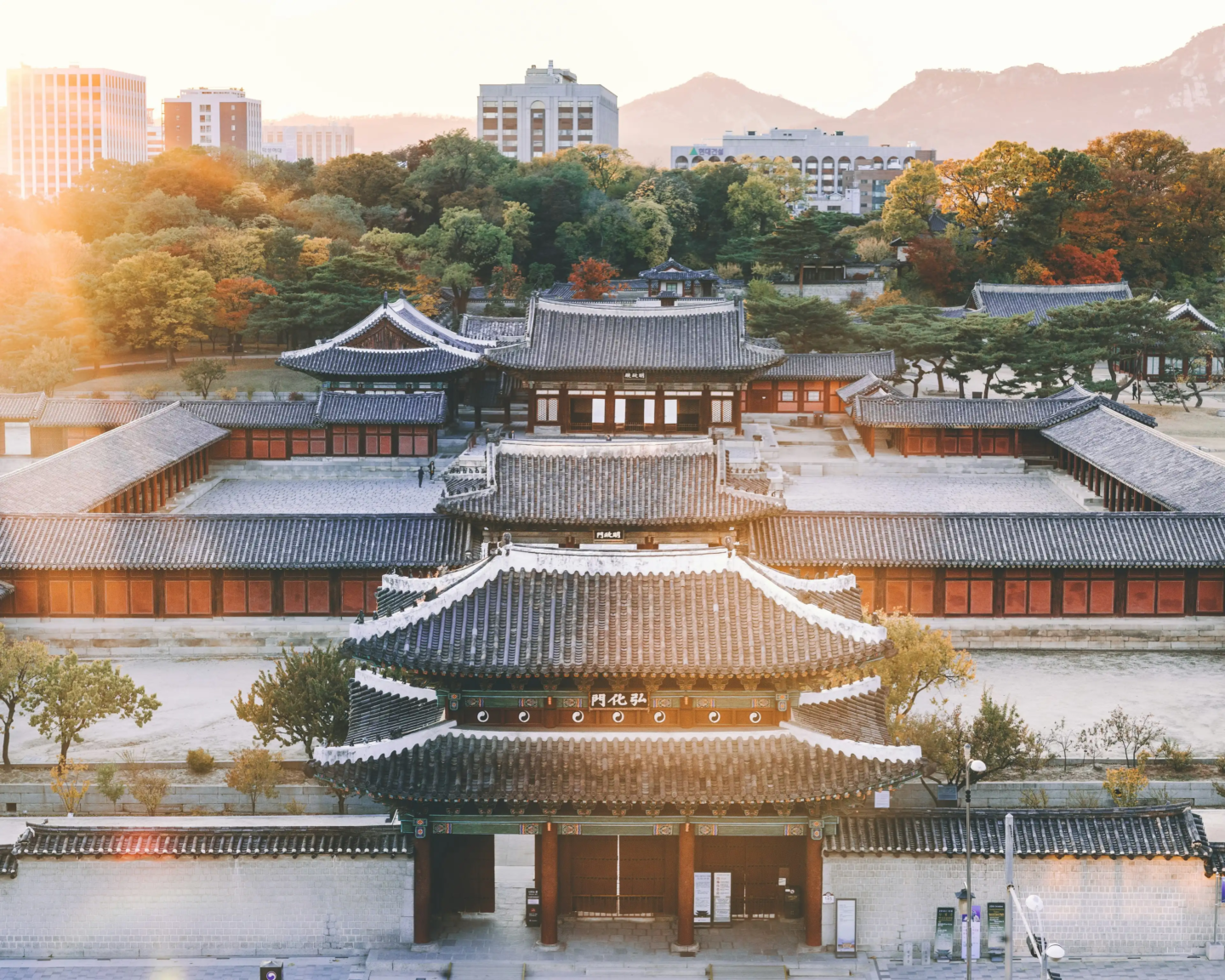
Seoul has been the capital of Korea since the late 14th century, when the Joseon Dynasty established it as the political and cultural centre of the peninsula. The palaces you visit today Gyeongbokgung, Changdeokgung were built as symbols of dynastic power and Confucian order.
But Seoul is also a city that has endured invasion, occupation, war, and division. The Korean War left much of it in ruins. What stands today the skyline, the infrastructure, the hyper-modern districts is the result of one of the fastest urban transformations in modern history.
This rapid modernisation explains why Seoul feels futuristic yet ancient at the same time.
The Han River divides the city into north and south. Historically, the northern side (Gangbuk) contains the older districts, the palaces, the traditional neighbourhoods. South of the river (Gangnam) represents newer development glass, business districts, modern luxury.
The pace of life here is quick. Commuters move decisively. Technology is seamlessly embedded into daily routines from high-speed Wi-Fi on subways to contactless payments nearly everywhere.
But respect underpins everything.
A small bow of the head.
Shoes removed at the door.
Quiet on public transport.
Shared dishes at dinner.
Seoul’s efficiency is not coldness. It is discipline.
And when you recognise that, the city opens up.
Where to Stay in Seoul: Choosing a Neighbourhood That Fits You
Seoul neighbourhoods are not interchangeable. They each carry their own energy, and choosing where to stay in Seoul shapes your entire experience.
Myeongdong: For the First-Time Visitor
Myeongdong is central, busy, and brightly lit well into the night. Skincare shops spill onto pavements. Street food stalls begin to sizzle as evening approaches. It is convenient close to major attractions, well-connected by subway, and easy to navigate.
If this is your first Seoul itinerary and you want immediate access to transport and food, Myeongdong is practical.
But it is also commercial. If you are seeking quiet reflection, you may prefer elsewhere.
Hongdae: For Creativity and Youthful Energy
Near Hongik University, Hongdae pulses with artistic expression. Street performers dance beneath LED signs. Indie cafés sit beside underground music venues. The energy here is younger, freer, slightly rebellious.
If you want nightlife, street art, and spontaneous evenings, Hongdae is compelling.
Gangnam: For Polished Modernity
Gangnam yes, that Gangnam represents Seoul’s polished edge. Corporate towers rise above wide boulevards. Designer boutiques line streets. Rooftop bars shimmer at night.
But beyond the pop culture references, Gangnam is also efficient, structured, and comfortable. Business travellers and those seeking modern luxury often gravitate here.
Insadong: For Tradition Within Reach
Insadong is gentler. Tea houses hide behind wooden doors. Art galleries showcase calligraphy and ceramics. Incense lingers in the air.
If you want proximity to traditional culture without staying in a museum-like environment, Insadong offers balance.
Bukchon and Samcheong-dong: For Historic Quiet
Staying near Bukchon Hanok Village or Samcheong-dong places you close to the palaces and traditional homes. Mornings feel softer here. The pace slows slightly.
This area suits travellers who prioritise atmosphere over nightlife.
In Seoul, your neighbourhood choice is not just about hotels. It is about the version of the city you want to wake up inside.
The Historic Heart of Seoul
To understand Seoul, you must walk through its palaces.

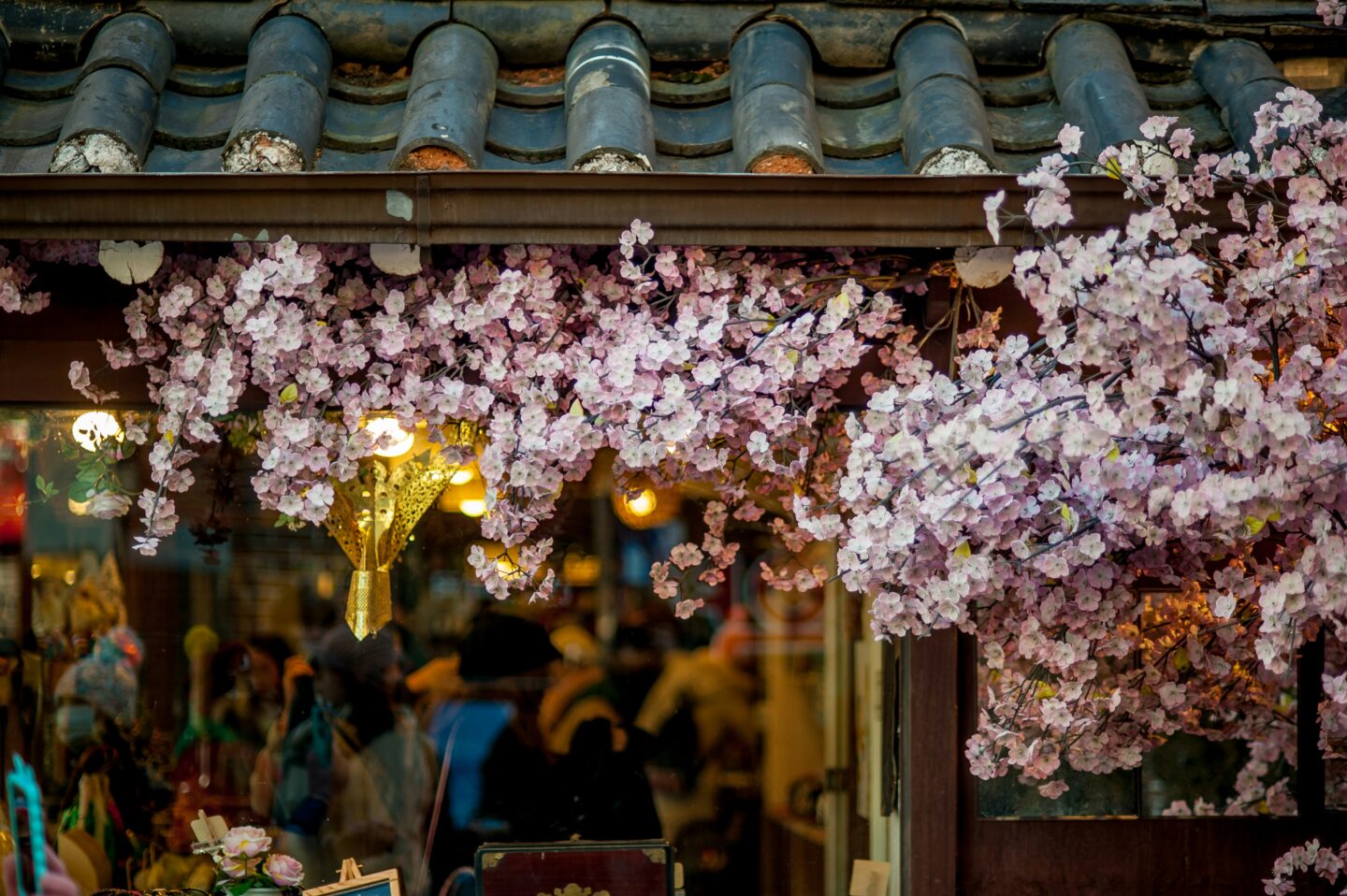
Gyeongbokgung Palace
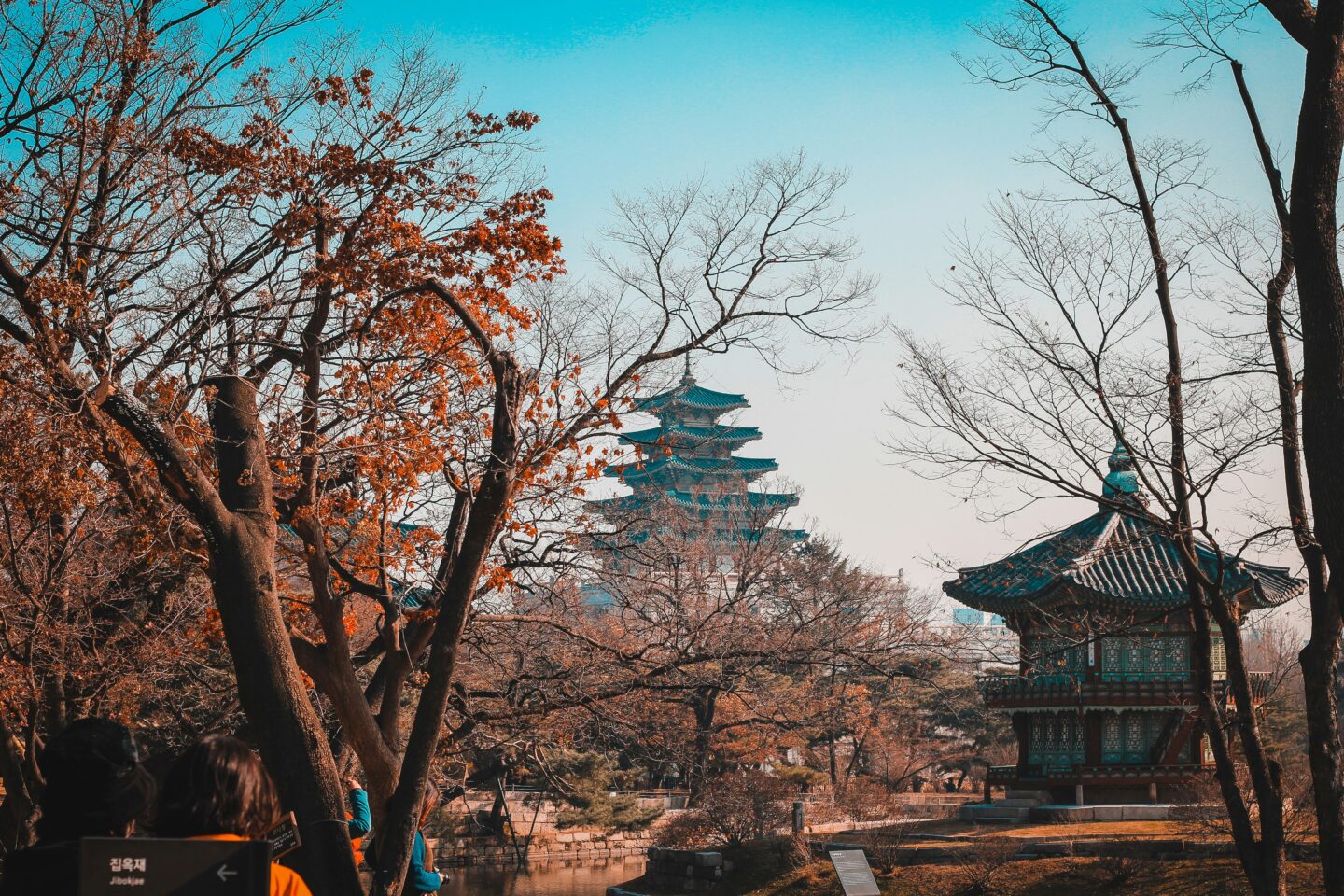
Built in 1395, Gyeongbokgung is the largest of Seoul’s five grand palaces. Its sweeping gates and symmetrical courtyards reflect Confucian ideals of harmony and order.
Arrive early.
In the morning light, before the tour groups swell, the palace feels expansive and contemplative. The changing of the guard ceremony draws crowds, but there are quieter corners pavilions mirrored in still water, corridors framing mountain backdrops.
Some visitors rent hanbok, traditional Korean dress, and walk the grounds. When done respectfully, this can deepen the experience, transforming observation into participation.
But remember: this is not a theme park. It is a cultural site of profound national significance.
Move gently.
Changdeokgung and the Secret Garden
If Gyeongbokgung impresses with scale, Changdeokgung moves you with intimacy. A UNESCO World Heritage Site, this palace complex is known for its Secret Garden a landscape designed to harmonise with nature rather than dominate it.
Here, architecture yields to trees, ponds, and pathways. It feels less performative, more contemplative.
Advance reservations are often required for garden tours. The effort is worth it.
Bukchon Hanok Village
Between Gyeongbokgung and Changdeokgung lies Bukchon Hanok Village a preserved area of traditional wooden homes.
But this is not an open-air museum. People still live here.
Which means:
Keep voices low.
Do not peer into windows.
Respect private space.
When visited thoughtfully, Bukchon reveals the elegance of old Seoul’s sloped tiled roofs, narrow alleys, and mountains rising in the distance.
Modern Seoul: Design, Innovation & Pop Culture
If the palaces show you where Seoul began, districts like Dongdaemun and Gangnam show you how far it has travelled.
Seoul does not hide its ambition.
Glass curves around steel in dramatic arcs. LED screens illuminate entire buildings. Fashion moves quickly here so quickly that what you saw yesterday might already feel dated tomorrow.
And yet, for all its modernity, there is still ritual beneath the surface.
Dongdaemun Design Plaza
Dongdaemun Design Plaza, often simply called DDP, looks like something that landed rather than something that was built. Designed by architect Zaha Hadid, its sweeping metallic curves contrast sharply with the surrounding market district.
Come at night.
The structure glows. Photographers linger. Young couples sit on the steps. The building becomes less about architecture and more about atmosphere.
DDP hosts exhibitions, fashion shows, and cultural events. But even without entering, simply walking around it tells you something about Seoul’s design-forward confidence.
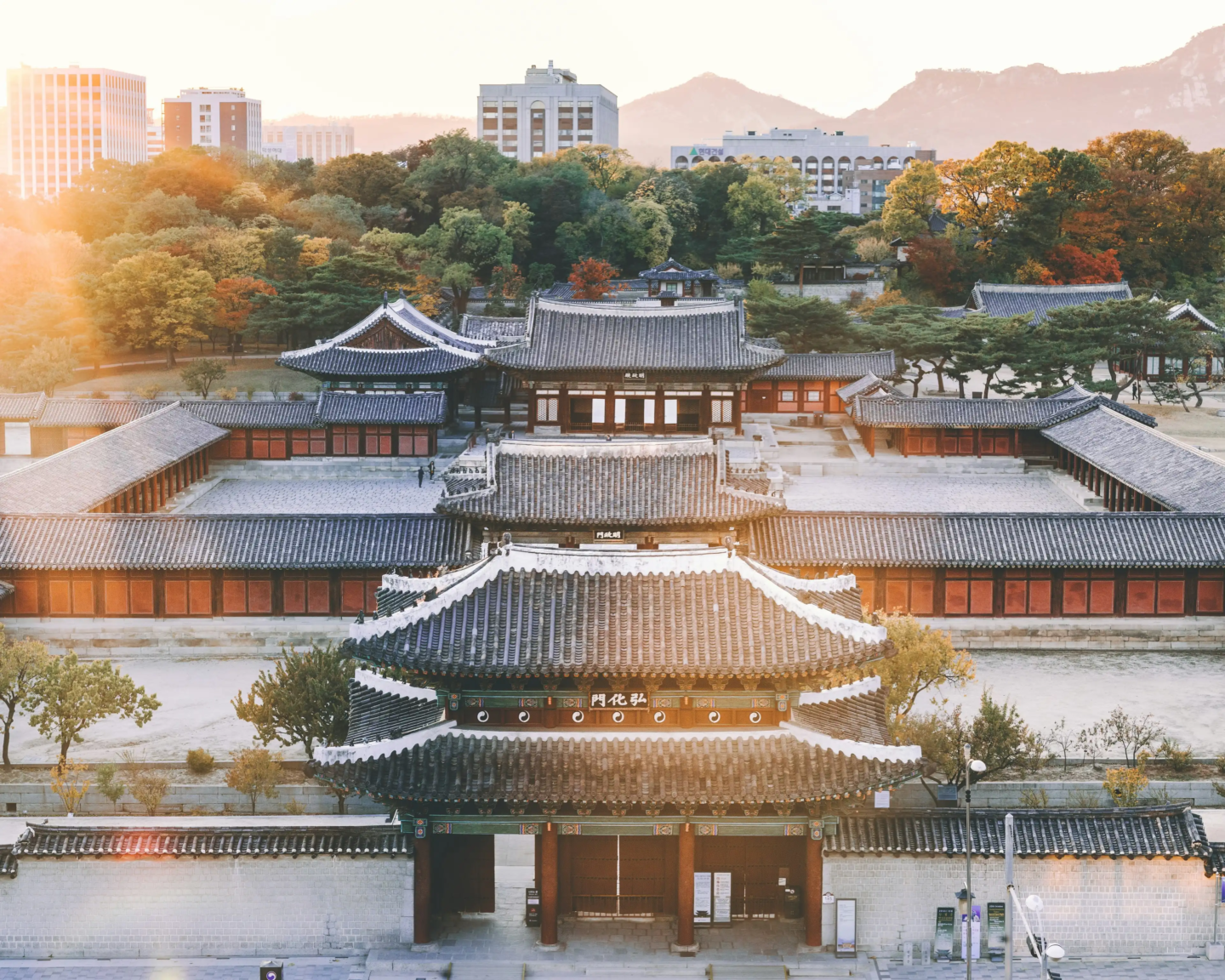
Gangnam: Beyond the Song
Gangnam has long outgrown the novelty of a global pop anthem.
South of the Han River, this district represents economic power, aspirational living, and corporate precision. Wide boulevards, glass-fronted offices, cosmetic surgery clinics, and luxury boutiques line the streets.
But Gangnam is also structured, almost meditative in its cleanliness.
It shows you Seoul’s discipline.
And if you wander away from the main avenues, you’ll find cafés tucked into side streets, small eateries serving late-night soups, and locals moving through their routines without spectacle.
K-Pop & Contemporary Culture
Whether you are a fan or not, K-pop is impossible to ignore in Seoul. Entertainment agencies operate in districts like Gangnam and Mapo. Dance studios offer classes to aspiring performers. Merchandise shops glow beneath fluorescent lights.
Yet pop culture here is not chaotic. It is meticulously managed, choreographed, intentional.
Seoul teaches you that creativity can exist within structure.
Technology & Infrastructure
Perhaps what surprises most first-time visitors is how seamlessly technology integrates into daily life.
High-speed Wi-Fi is nearly everywhere. Subway stations are clean, signposted clearly, and rarely delayed. Cashless payments are standard. Apps simplify everything from translation to transportation.
And once you learn to use a T-money card on the subway system, the city begins to feel not overwhelming, but navigable.
Seoul’s modernity does not shout. It functions.
Markets & Street Life: Where Seoul Breathes
If you want to understand a city, go where people eat.
Seoul lives in its markets.
Not in silence, but in steam, spice, and conversation.
Gwangjang Market
Gwangjang Market is often one of the first stops on a Seoul itinerary, and for good reason.
Here, vendors specialise. One stall may focus only on bindaetteok, crispy mung bean pancakes fried golden on wide griddles. Another prepares mayak gimbap, small seaweed rice rolls so addictive their nickname translates loosely to “narcotic gimbap.”
You sit shoulder to shoulder with strangers. You share benches. You point if language fails.
There is no rush.
The rhythm is repetitive but comforting: chop, fry, pour, serve.
Eating here feels communal.
Namdaemun Market
Namdaemun is older, broader, and more sprawling. It sells everything, clothing, kitchenware, souvenirs, dried seafood, and spices.
It is less curated and more chaotic than polished shopping streets. That is its charm.
You weave through narrow lanes. You stop when something catches your eye. You learn quickly that bargaining exists, but politeness always precedes it.
Mangwon Market
Mangwon feels more local.
It is smaller, less tourist-heavy, and deeply embedded in neighbourhood life. If you want to experience market culture without navigating dense crowds, Mangwon is gentler.
Markets in Seoul are not performances.
They are everyday.
And observing rather than photographing constantly will teach you more.
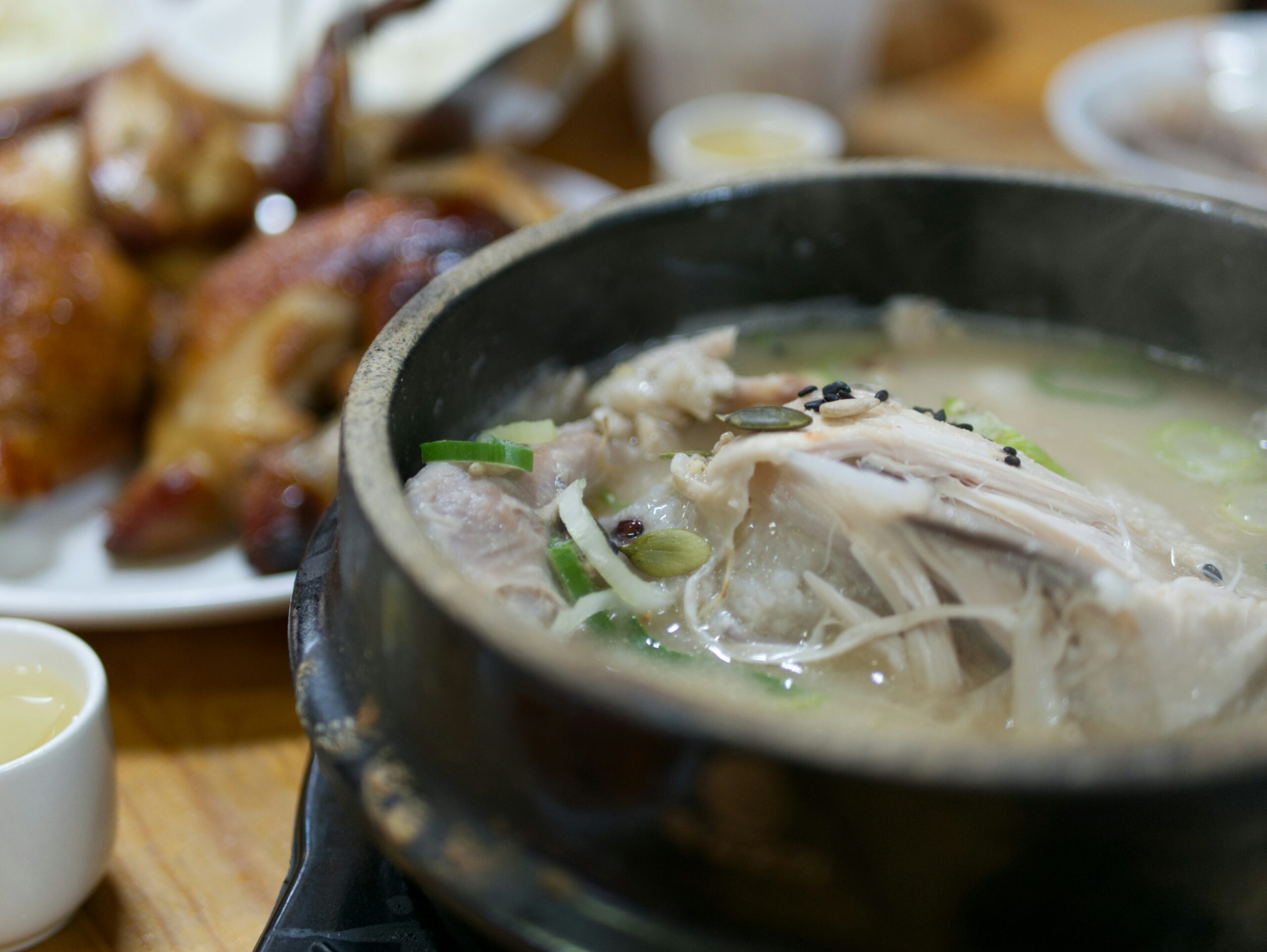
A Seoul Food Guide: What to Eat & Why It Matters
A Seoul food guide cannot simply list dishes.
Food in Korea reflects history, geography, and survival.
It reflects winters that demanded fermentation.
Communal eating traditions.
Respect for seasonal ingredients.
What to Eat in Seoul
Bibimbap, often translated as “mixed rice,” is more than a colourful bowl. It represents balanced vegetables, protein, rice, and heat all combined intentionally.
Samgyeopsal, thick slices of pork belly grilled at your table, embodies communal dining. You cook together. You wrap meat in lettuce. You pass side dishes.
Tteokbokki, chewy rice cakes in spicy sauce, appears in street stalls and casual eateries alike as comfort food, quick and bold.
Kimchi is not singular. There are dozens of varieties of cabbage, radish, cucumber, each fermented differently, each tasting of the season and patience.
Kimbap resembles sushi visually but is uniquely Korean portable, practical, often eaten on the go.
Korean fried chicken arrives crisp, glazed in soy-garlic or gochujang heat, accompanied by beer and laughter.
Street toast egg, cabbage, sugar dusting surprises first-timers but quickly converts them.
Soju flows easily at dinner tables, small glasses raised in ritual.
The Korean BBQ Experience
Korean BBQ deserves its own moment.
You do not simply eat it.
You participate.
You grill your meat. You turn it carefully. You wrap it in lettuce leaves with garlic, chilli paste, and pickled radish.
Elders are often served first. Drinks are poured for one another.
It is dining as choreography.
Café Culture in Seoul
Seoul’s café culture is extensive and aesthetic.
Minimalist white interiors. Dessert cafés specialising in single pastries. Study cafés where silence is respected.
Coffee is not rushed here. Even in a fast-paced city, cafés create pause.
For remote workers, Seoul can be surprisingly accommodating, with strong Wi-Fi, comfortable seating, and late closing hours.
Fine Dining & Michelin Recognition
Seoul’s culinary scene has evolved dramatically. Several restaurants have earned Michelin stars, blending traditional ingredients with contemporary technique.
But you do not need a star rating to eat well here.
Some of the best meals in Seoul are eaten on plastic stools beneath fluorescent lights.
Nature Inside the City: Seoul’s Green Escape
For a megacity of nearly ten million people, Seoul is remarkably green.
Mountains frame it. The Han River bisects it. Parks interrupt density.
Namsan Park & N Seoul Tower
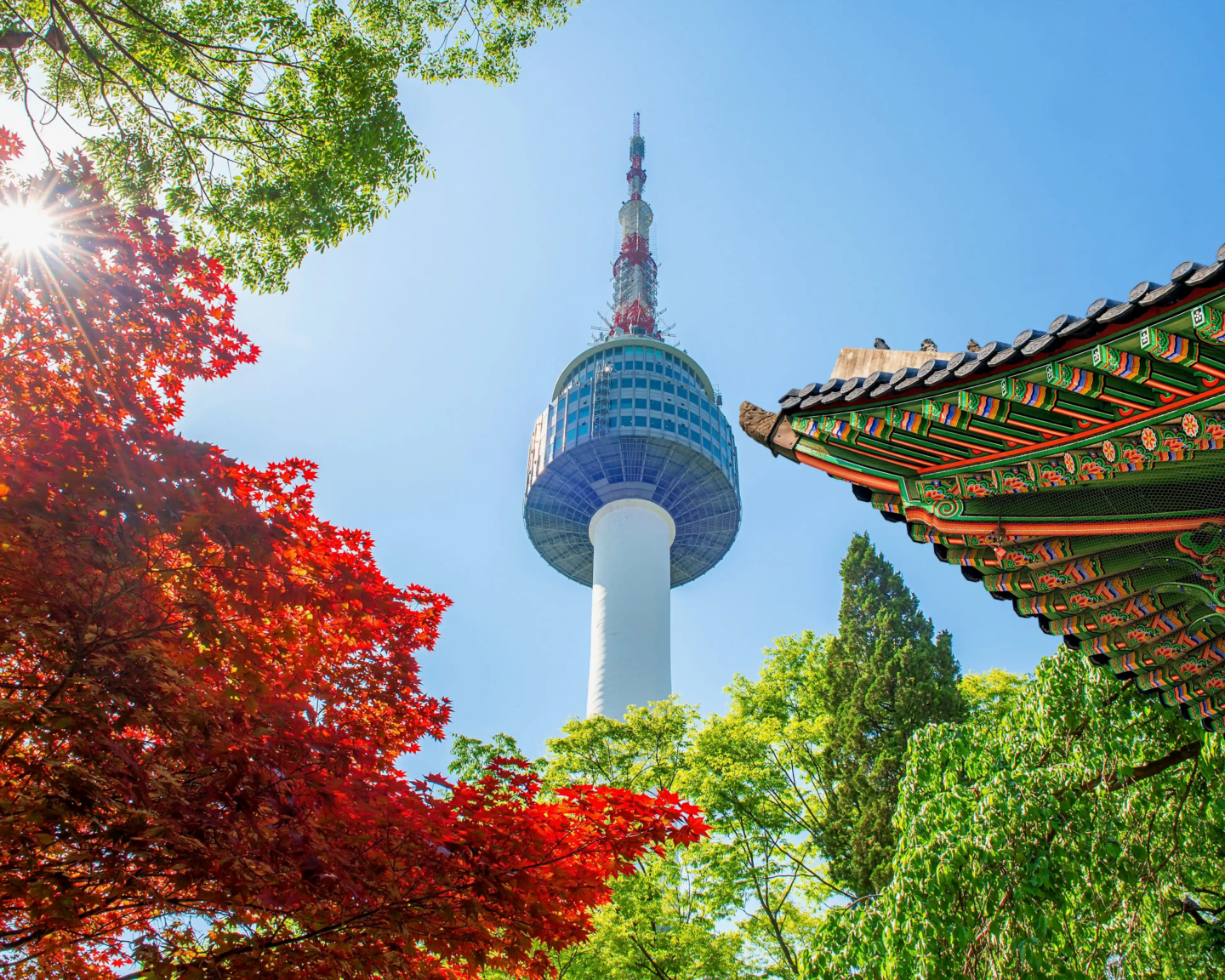
Namsan rises quietly near the city centre. Trails wind upward, leading to N Seoul Tower.
Come before sunset.
The light softens. The skyline stretches outward. The city feels momentarily suspended.
Couples attach symbolic locks to railings. Visitors pause longer than they expect.
The Han River
The Han River is Seoul’s communal backyard.
On warm evenings, families spread picnic blankets. Cyclists glide along designated paths. Convenience stores sell instant ramen cooked in outdoor machines.
You can sit by the river and watch the city pass bridges lit above you, boats cutting quietly through the water.
Bukhansan National Park
Just beyond dense districts lies Bukhansan National Park.
Granite peaks rise sharply. Hiking trails vary from gentle slopes to more demanding climbs.
You do not need to leave the city to feel wilderness.
Seoul makes nature accessible.
Extending Your Journey Beyond Seoul
Seoul is powerful, electric, layered, and immersive.
But part of travelling intentionally is recognising when a city becomes a gateway rather than a final destination.
From Seoul, the rest of Asia unfolds with remarkable ease. A few hours in the air can shift the rhythm entirely from neon density to tropical stillness, from structured precision to humid chaos.
If you have the time, these destinations pair beautifully with Seoul’s dynamic energy.
Busan, South Korea (1 hour flight)
If Seoul is structured and vertical, Busan feels coastal and expansive.
South Korea’s second-largest city softens the pace slightly. The air carries salt. Seafood is fresher. Beaches stretch outward rather than upward.
Wander through Jagalchi Fish Market, where vendors prepare fresh catch with practised hands. Climb through the colourful lanes of Gamcheon Culture Village a hillside mosaic of pastel homes and narrow staircases. In the evening, walk along Haeundae or Gwangalli Beach as the Gwangan Bridge lights up against the dark water.
Busan offers contrast without leaving the country.
Japan (2–3 hour flight)
One of the most seamless and rewarding combinations with Seoul is Japan.
Tokyo mirrors Seoul’s intensity but expresses it differently, more minimal, more restrained. Kyoto introduces centuries-old temples, tea houses, and quiet bamboo groves. Osaka leans into street food and unfiltered nightlife.
Where Seoul feels emotionally expressive, Japan feels composed.
Together, they create a rich cultural dialogue.
Vietnam (4–5 hour flight)
Vietnam shifts the sensory landscape entirely.
Hanoi’s Old Quarter hums with motorbikes and layered history. Ha Long Bay’s limestone karsts rise from still waters in almost surreal formations. Hoi An glows softly beneath lantern light.
Vietnam moves at a different tempo, humid, textured, deeply historical. After Seoul’s order, it feels organic and expansive.
Thailand (5–6 hour flight)
Thailand blends urban energy with tropical release.
Bangkok’s temples rise beside skyscrapers. Chiang Mai offers cultural grounding in the north. The islands Phuket, Krabi, Koh Samui allow you to exhale fully.
If Seoul energises you, Thailand restores you.

Bali, Indonesia (7–8 hour flight)
Bali offers perhaps the most dramatic contrast.
Ubud’s rice terraces, temple ceremonies, and wellness retreats shift focus inward. Coastal areas provide beach clubs and surf culture, but the deeper rhythm of Bali centres on spirituality and nature.
After Seoul’s velocity, Bali invites stillness.
If Not Seoul…
Perhaps Seoul calls to you but something slightly different is pulling at your curiosity.
If you are seeking similar global influence and cultural depth through another lens, consider these cities:
Tokyo, Japan
A metropolis where ancient shrines sit quietly beside futuristic skylines. Precision shapes daily life from neighbourhood ramen counters to high-fashion districts. Tokyo balances ritual and innovation with elegant discipline.
Hong Kong
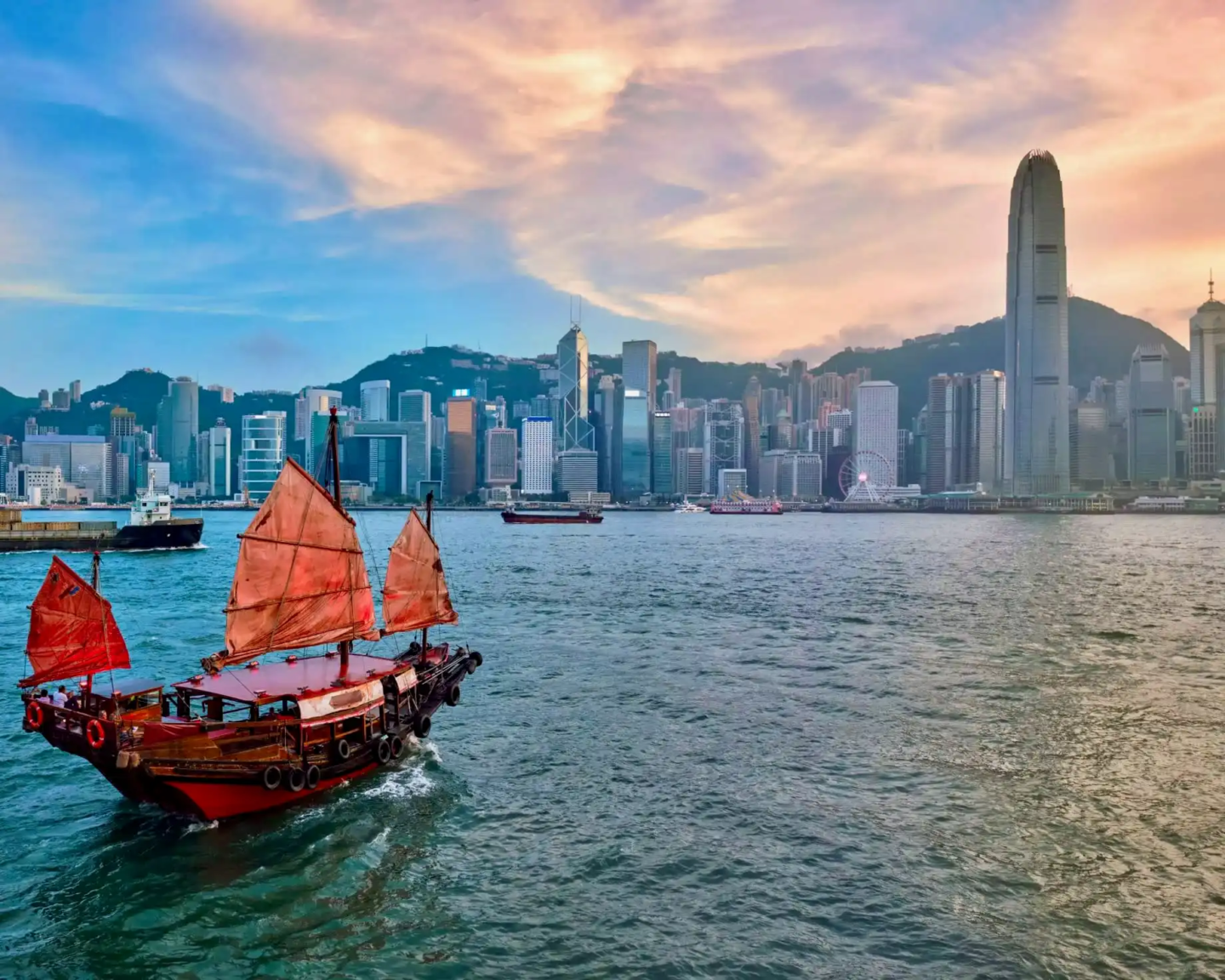
A vertical city framed by mountain peaks and harbour views. Cantonese traditions coexist with relentless global energy. Markets, temples, and one of the world’s most dynamic food scenes define its pulse.
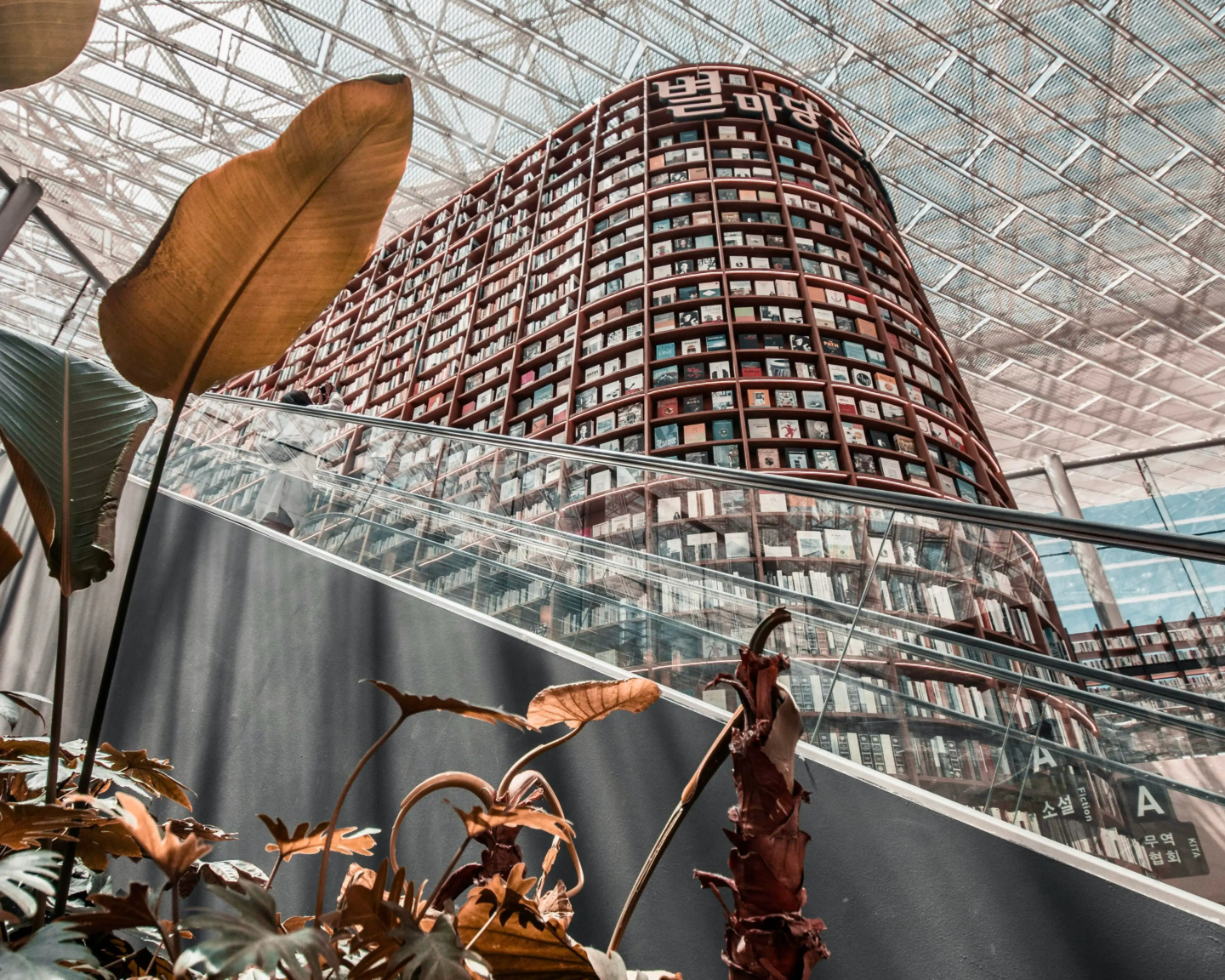
Singapore
Polished, multicultural, forward-thinking. Heritage shophouses sit beside bold contemporary architecture. Known for culinary excellence, green urban planning, and seamless efficiency, Singapore rewards travellers who look beneath its sleek surface.
Seoul does not compete with these cities.
It converses with them.
Each expresses modern Asia differently through pace, texture, discipline, and design.
And the beauty of travelling slowly is recognising that you do not need to see them all at once.
You can return.
Check Out Other Guides
Essential Guide to Passports and Visas for Jamaicans: Where You Can Go and What You Need
The Galápagos Islands: Wildlife Adventures
An Insider’s Guide to Australia
A Guide to Destination Spas
Are You Planning Your Next Trip? Here’s What I Use
These are the tools I rely on to make every trip smoother, safer, and more meaningful. If you use the links below, I may earn a small commission at no extra cost to you. Thank you for supporting this blog and my journey as a full-time traveller 💜
1. Learn the Local Language
I use Babbel to practice Spanish, French, and Portuguese while travelling. The app makes it so easy to learn useful phrases on the go.
2. Travel Insurance is a Must
I never leave home without SafetyWing. They’re affordable and ideal for frequent travellers or digital nomads.
3. Book Your Tours & Experiences
For unique local tours and must-see experiences, I use:
→ Viator
→ Get Your Guide
4. Always Stay Connected
No matter where I go, Keepgo helps me stay connected with international data SIMs and eSIMs that actually work. A lifesaver when Wi-Fi fails!
5. Organise Your Itinerary
I use Tripsy to plan and store my itineraries, documents, and bookings in one clean app. It’s perfect for keeping track of everything in one place.
Until next time, travel softly,
Destiny 💜
