There is a particular kind of quiet that settles over you at altitude.
I noticed it first in Cusco, standing in the Plaza de Armas on a cool morning with a cup of coca tea warming my hands, watching the city wake up around me. The air was thinner than I was accustomed to, the light was extraordinary, that high-altitude clarity that makes everything look slightly more vivid than normal and something in my chest had loosened in the way it only does when I am exactly where I am supposed to be.
I had been in Peru for a week by then. I had eaten ceviche in Miraflores with a woman who became one of my favourite travel companions, stood at the edge of the Pacific at sunset and felt genuinely undone by the colour of the sky, descended into catacombs beneath one of Lima’s oldest churches, and ridden an ATV through the desert dunes of Huacachina. I still had Rainbow Mountain ahead of me. I still had Machu Picchu.
Peru has a way of making you realise, quietly and without fanfare, that you have been living too quickly. That the world is significantly larger and older, and more astonishing than your daily life suggests. That some places do not simply offer experiences, they offer perspective.
This itinerary is my honest account of ten days in Peru. Not the highlight reel. The whole thing, the logistics and the transport costs and the altitude pills and the taxi driver who tried it and the girl from Russia I met on Rainbow Mountain and kept running into for the rest of the trip. The beautiful parts and the challenging parts and the parts that will stay with me long after the photographs have faded into memory.
If you are planning a trip to Peru, whether it is your first time or your return, I want this to be the article that answers everything. Leave nothing for another tab.
Contents
- 1 What You Need to Know
- 2 Days 1–4: Lima The City That Will Surprise You
- 3 Day 5: The Flight to Cusco and the Baggage Fees
- 4 Days 6–7: Cusco Two Days to Breathe and Belong
- 5 Day 8: Rainbow Mountain
- 6 Days 9–10: Machu Picchu
- 7 The People: The Part That Nobody Puts in the Itinerary
- 8 Practical Information: Everything You Need Before You Book
- 9 Where to Eat and Drink in Lima
- 10 Frequently Asked Questions
- 10.1 Do I need a visa to visit Peru?
- 10.2 How far in advance should I book Machu Picchu tickets?
- 10.3 What should I pack for Rainbow Mountain?
- 10.4 Is Peru safe for solo women travellers?
- 10.5 What currency should I use?
- 10.6 How do I get between Lima and Cusco?
- 10.7 Can I book a travel consultation to plan this trip?
- 11 Are You Planning Your Next Trip? Here’s What I Use
What You Need to Know
Peru is not a destination you can wing. I say this as someone who travels slowly and tends to resist over-planning. Peru is the exception. Machu Picchu entry permits sell out weeks, sometimes months, in advance, particularly during peak season. Train tickets to Aguas Calientes are limited and go fast. The best hotels in the Sacred Valley and Cusco book early.
Plan ahead. That is the first and most important thing I can tell you.
The second is about the route. The order in which you visit Peru’s regions matters enormously, and not for the reasons most people think. It is not about efficiency, it is about your body. Flying directly from sea level to Cusco at 3,400 metres without acclimatisation is a reliable way to spend your first two days horizontal with altitude sickness, which is neither pleasant nor a good use of your time in one of the most extraordinary cities on earth.
Start in Lima. Spend several days there more than you think you need. Lima is not a stopover. Then, if your schedule allows, consider spending time in the Sacred Valley before arriving in Cusco, as it sits at a lower altitude and allows your body to adjust incrementally. By the time you reach Cusco, you will be grateful for the preparation.
Best time to visit
The dry season runs from May through October, with June, July, and August offering the clearest skies and most reliable weather for Machu Picchu and Rainbow Mountain. It is also peak season, which means higher prices, more tourists, and accommodation that sells out early.
The shoulder months of April and late October offer a good balance of reasonable weather, fewer crowds, and more availability. I visited during the rainy season and had an extraordinary time with brilliant weather, thin crowds at every site, and an ease of movement I suspect I would not have had in July. The risk of rain is real in the wet season, but the reward of lush green landscapes, quiet ruins, and no queuing is significant. I would do it again without hesitation.
Altitude and your body
Let us talk about altitude properly, because the conversation in most travel articles is either dismissive or alarmist, and neither helps you prepare.
Cusco sits at approximately 3,400 metres above sea level. Rainbow Mountain reaches above 5,000 metres. Machu Picchu, at roughly 2,400 metres, is actually considerably lower than Cusco which is why many people feel physically better there than they expected.
I had lived in Quito, Ecuador, which is also a high-altitude city, so my body had some familiarity with the demands of elevation. Even so, I took altitude sickness medication as a precaution, drank coca tea consistently from the moment I arrived, and built in two full acclimatisation days in Cusco before attempting any significant physical activity. I would recommend the same to everyone, regardless of fitness level or prior high-altitude experience.
Agua Florida, a Peruvian spiritual water made from flower essences and alcohol was a genuine revelation on Rainbow Mountain. I had been told about it by a local contact in Cusco, and I am grateful I listened. Inhaling it during the steep final ascent, combined with coca sweets and steady breathing, helped me manage the altitude in a way that felt both practical and oddly ceremonial. I did not need supplemental oxygen. Not everyone can say that.
Hydrate constantly. Eat lightly for the first day or two. Move slowly. Rest when you need to. Peru will reward patience.
A note on money
The Peruvian sol is the local currency. US dollars are widely accepted in tourist areas, but you will almost always get a better rate by paying in soles. Withdraw cash from ATMs and use local currency at markets, restaurants, and for taxis. Card payments are accepted at most hotels and larger restaurants.
If you hold a Marriott credit card, Marriott Luxury Properties in Peru will exchange up to $300 USD per person per day into soles at no fee, a genuinely useful perk if you are staying at one of their properties.
Call your bank and credit card company before you travel to notify them of your trip and request that foreign transaction fees be waived. This is standard practice and takes five minutes. Do not skip it.
What not to bring
Leave your expensive jewellery at home. Not because Peru is uniquely dangerous, it is not but because wearing obvious wealth in any city you do not know is an unnecessary complication. Travel light on the valuables, heavy on the layers.
Lima does not announce itself. It accumulates. By the end of the third day, you will understand why people who come for a weekend end up staying a week.
Days 1–4: Lima The City That Will Surprise You
Where to stay in Lima
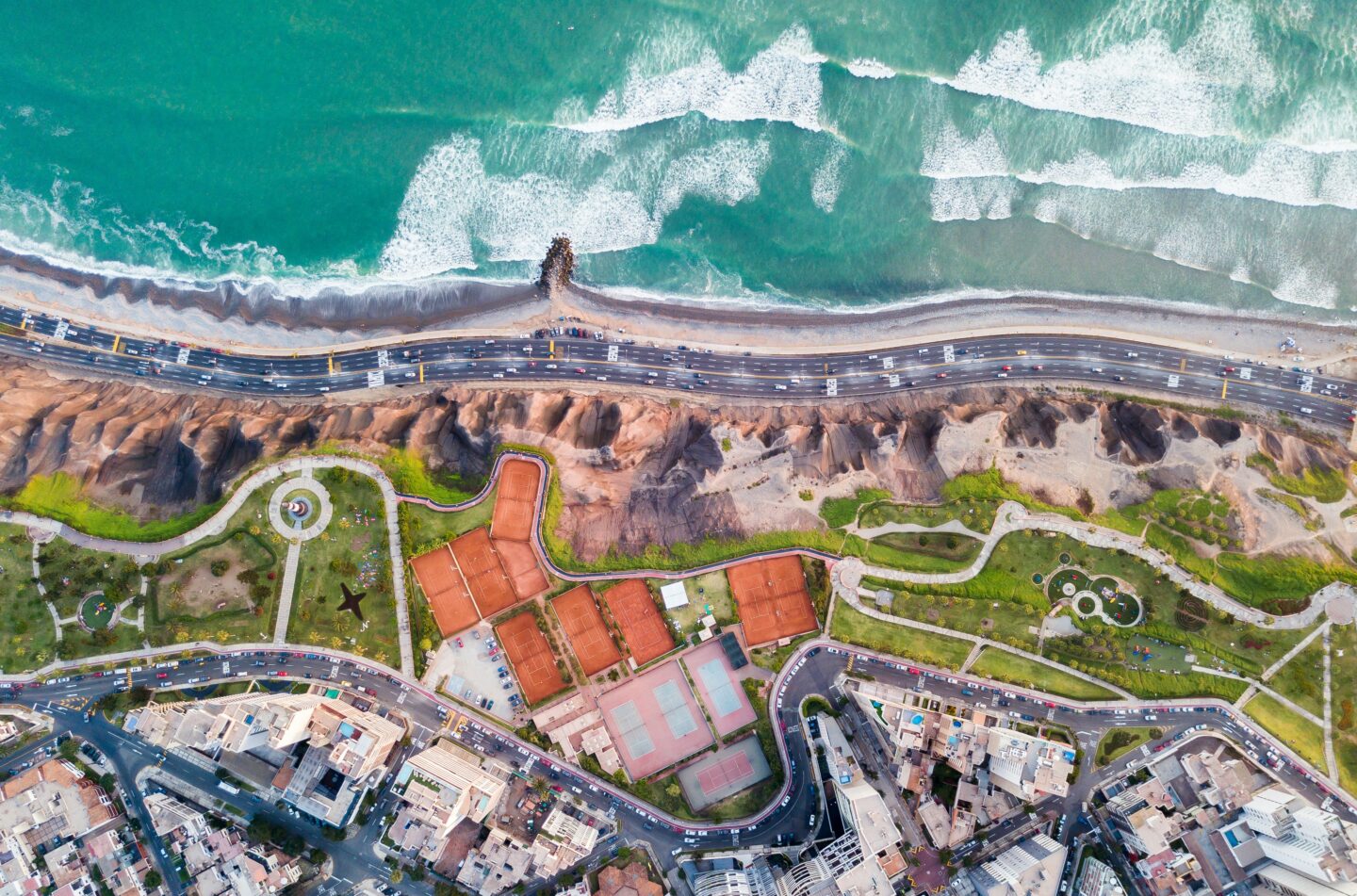
I stayed in an Airbnb in Miraflores, which I would recommend to any slow traveller. The neighbourhood is safe, walkable, beautiful, and filled with excellent restaurants. Being in a home rather than a hotel allowed me to settle into the rhythm of the city in a way that I do not think a resort would have offered.
If you prefer a hotel, Miraflores is still the neighbourhood I would point you towards. The Miraflores Park, A Belmond Hotel, is one of the finest hotels in Lima, with elegant rooms, panoramic views of the Pacific, and the kind of service that removes every logistical concern from your mind. If you book through a Fora travel advisor, you also receive a $100 food and beverage credit, daily breakfast, and a room upgrade whenever available.
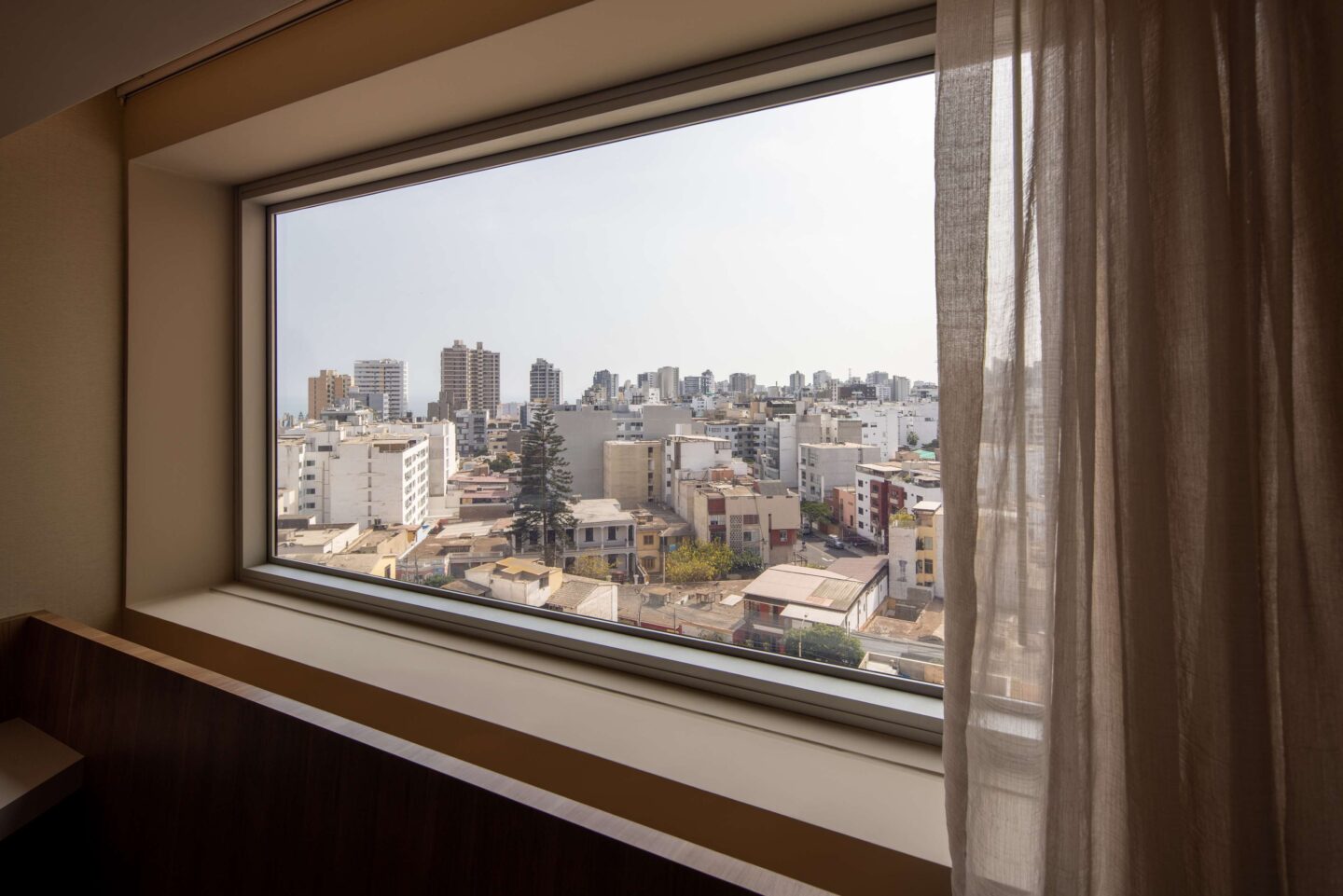
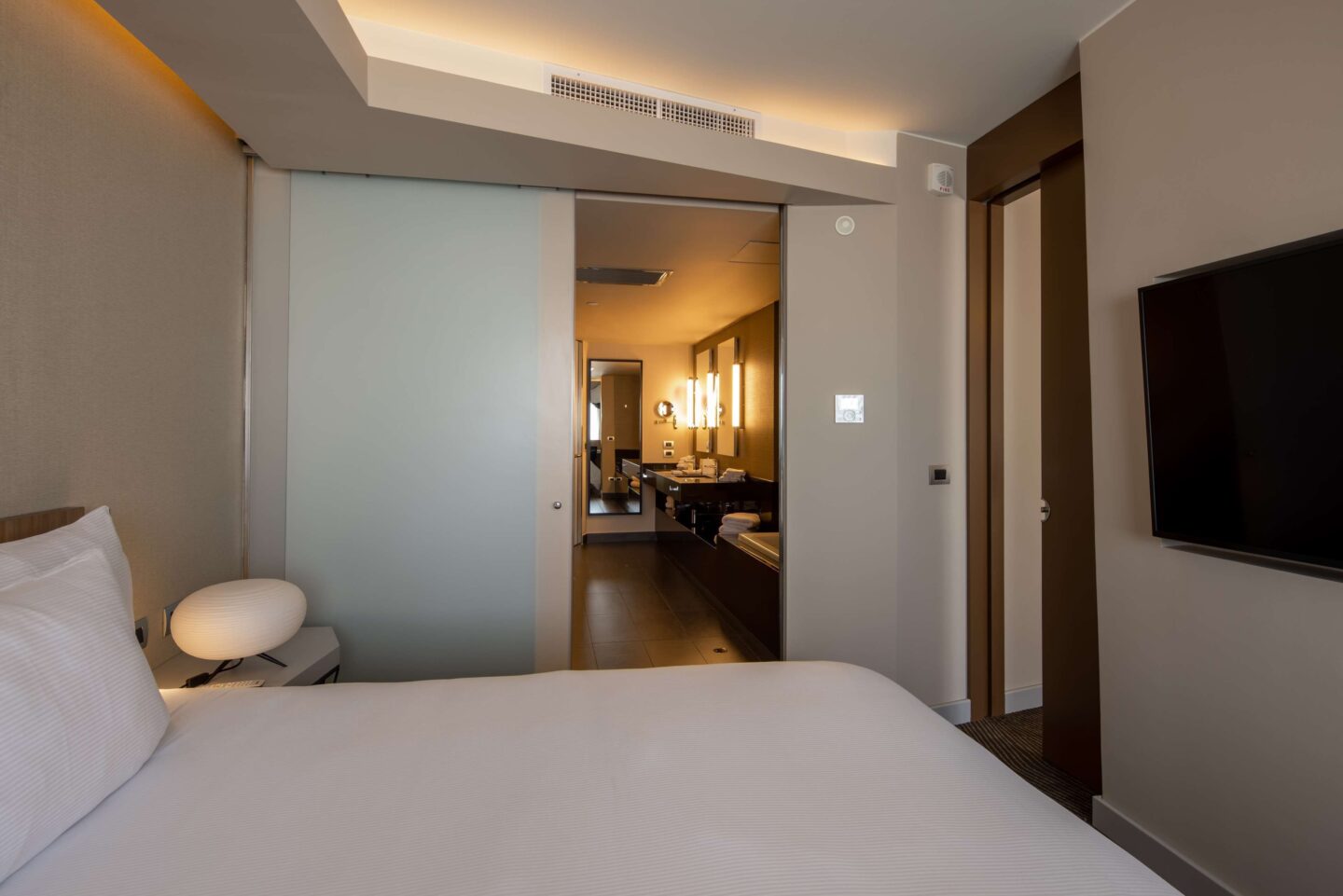
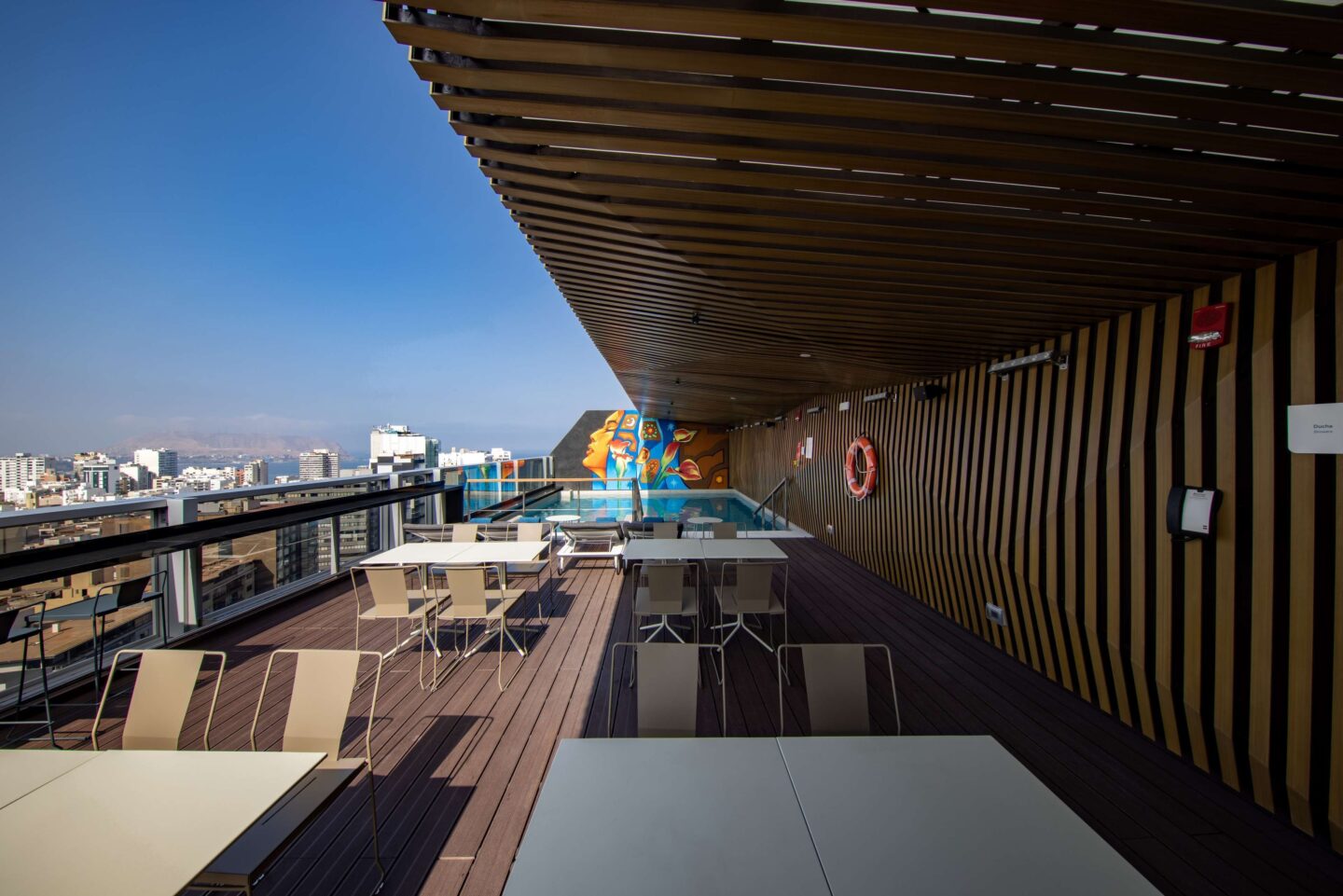
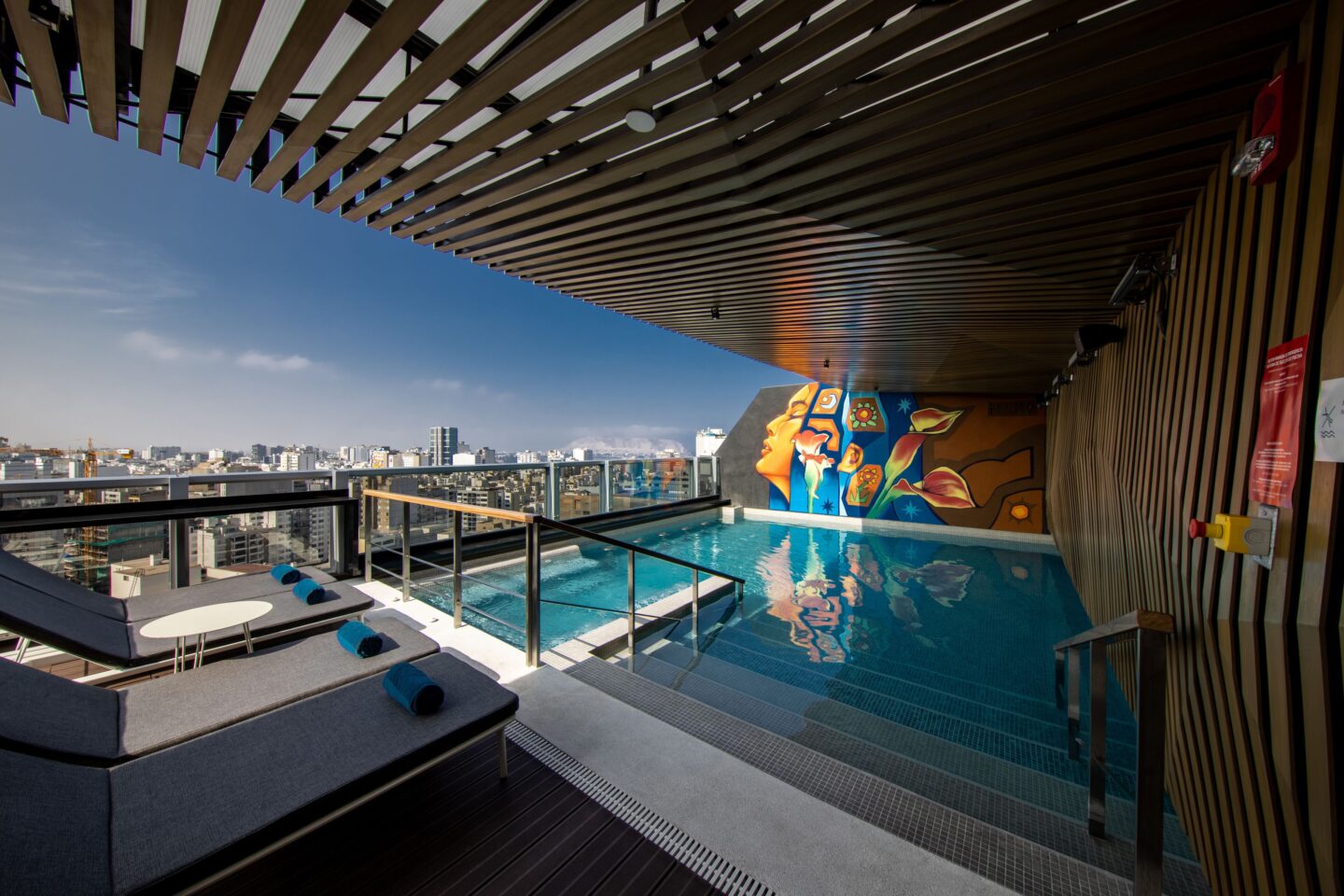
Hilton Garden Inn Lima Miraflores
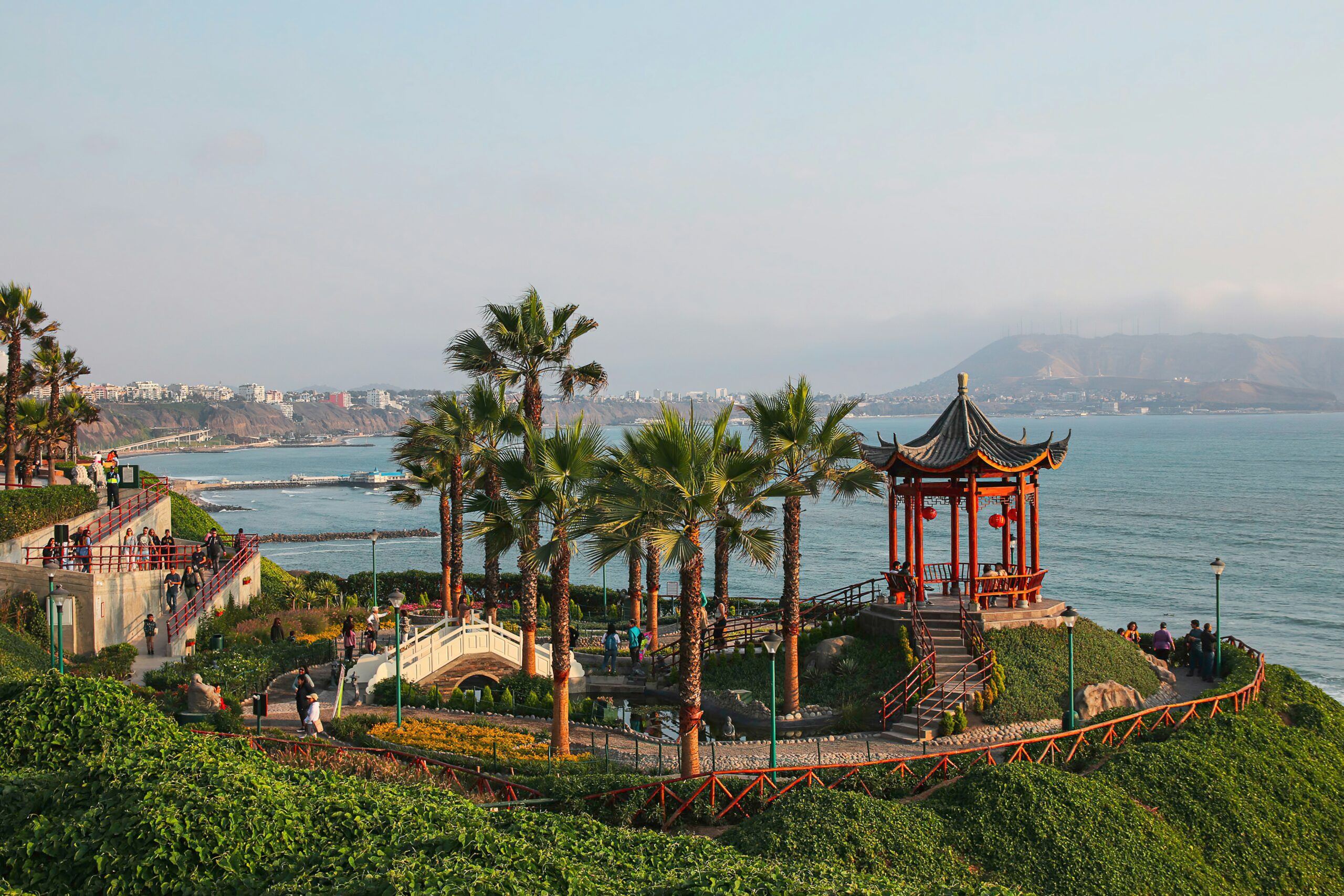
Miraflores is perched on cliffs above the Pacific Ocean. The miradóres clifftop viewpoints are scattered along the edge of the neighbourhood and offer some of the most quietly spectacular views I have encountered anywhere. Arrive at sunset. Bring nothing. Just stand there and look.
Day 1: Arrive, breathe, and let Lima come to you
Lima’s Jorge Chávez International Airport is approximately thirty to forty-five minutes from Miraflores by taxi, depending on traffic. Traffic in Lima is significant and should be factored into any timing. Pre-arrange your airport transfer either through your accommodation or through a reputable service rather than negotiating with drivers at arrivals.
Your first day in Lima should be slow by design. Drop your bags. Walk to the nearest miradór. Find something to eat, a ceviche, a sandwich from a bakery, whatever the city offers you first. Allow your body to adjust to the time zone and the new air before asking it to do anything ambitious.
In the evening, make your way to the Miraflores boardwalk along the Malecón. The path stretches for several kilometres above the Pacific, lined with parks and benches and the particular quality of sea air that exists nowhere else. If the timing is right, the sunset will be something you will try to describe to people at home and discover you cannot.
Day 2: The historical centre and the catacombs
This is the day Lima reveals its depth.
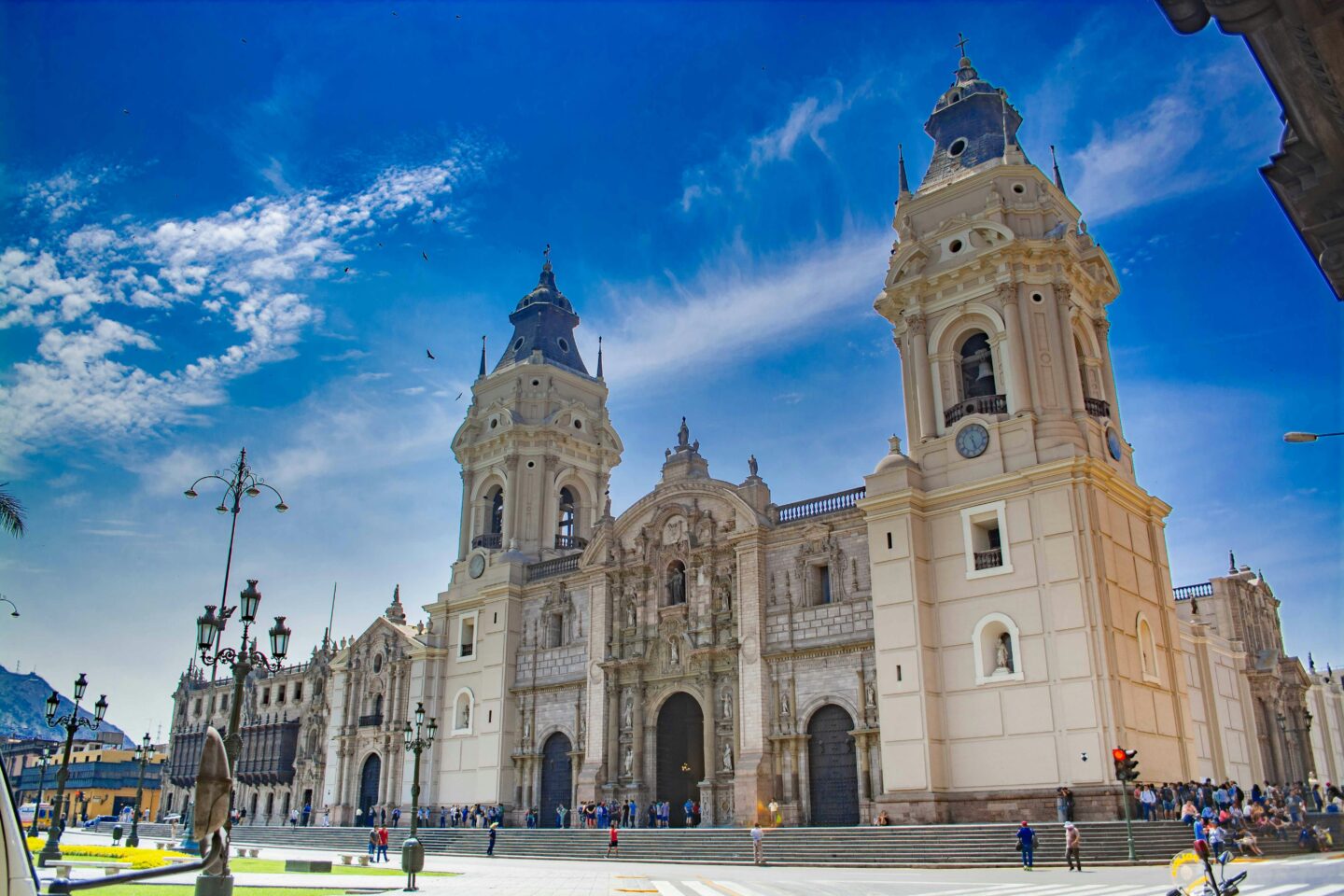
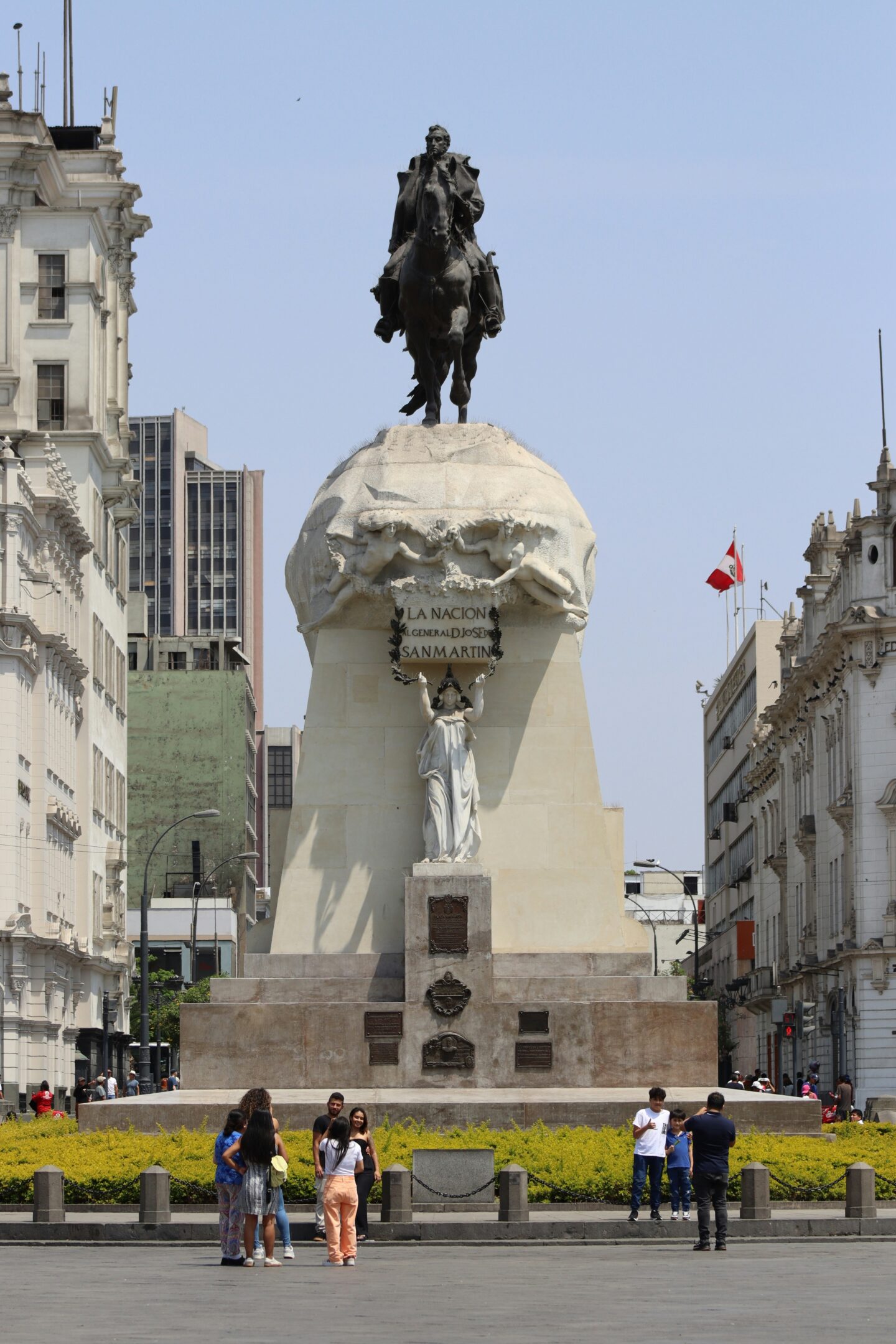
Take a taxi or Uber to Lima’s Centro Histórico, the historical centre and join a walking tour. I cannot recommend strongly enough doing this with a knowledgeable guide rather than independently. The layers of history here, Inca, Spanish colonial, independence, republican, are dense and interconnected in ways that are easy to miss without context.
The Plaza de Armas is the starting point and the emotional centre of the historical district. The Cathedral of Lima anchors one side of the square; inside are the catacombs an underground network of passages and ossuary chambers that held the remains of approximately 70,000 people during the colonial period. I had not known what to expect, and what I found was quietly extraordinary. History made physical in a way that a museum cannot replicate.
The walking tour will also take you through the Chinatown district, one of the oldest in South America, a testament to the waves of Chinese immigration in the nineteenth and twentieth centuries and past the grand civic buildings of the republic. Lima was the capital of Spanish South America for centuries, and the architecture carries that weight.
Try chicharrón somewhere near the market. Try the ceviche real Lima ceviche, sharp with lime and ají amarillo, nothing like the version that has travelled to other continents. If you encounter a pisco sour, drink it. The national cocktail of Peru deserves its reputation.
Day 3: Barranco, art, and the bohemian coast
Barranco is Lima’s artist neighbourhood, and it is one of my favourite places in the entire city.
It sits just south of Miraflores, reachable by a short taxi ride or a pleasant walk along the clifftop. The streets are painted not tagged, but painted, elaborately and beautifully, with murals that cover entire buildings and alleyways. There are art galleries and independent cafes and restaurants that feel as though they have been there for decades and intend to remain for decades more.
Walk the Puente de los Suspiros the Bridge of Sighs, and follow the steps down to the coast. The Bajada de los Baños leads to a small beach and the kind of view that makes you want to sit for a very long time doing nothing in particular.
The Ayahuasca bar, housed in a restored colonial mansion with eclectic decor and extraordinary cocktails, is worth your evening. I-baigo Wine Bar for wines. Merito Restaurant in Barranco for a special dinner, innovative and exquisite and the kind of meal that becomes a reference point.
If there is a vineyard visit available during your time in Lima, Peru has a small but genuinely interesting wine and pisco production tradition I would encourage you to take it. We visited one on the outskirts of the city and came away with a bottle and a significantly expanded understanding of what Peruvian terroir is capable of.
Day 4: Huacachina and Paracas, the desert and the sea
This is a long day, and it requires an early start, but it is one of the most visually arresting days of the entire trip.
Huacachina is an oasis in the Ica desert a small lagoon surrounded by palm trees, surrounded in turn by sand dunes that rise to extraordinary heights. It looks as though it has been imagined rather than found.
The activities here are joyful in the particular way of things that involve speed and sand. ATV rides across the dunes are loud, dusty and genuinely thrilling. Sandboarding down slopes that are steeper than they appear from the bottom. The dunes themselves, when you climb to the top of one and look out at the desert stretching in every direction, offer a particular kind of silence that stays with you.
Paracas, by contrast, is all sea. The Paracas National Reserve protects a stretch of coastline and marine habitat that is genuinely extraordinary. We went out on a boat tour to the Ballestas Islands, sometimes called the ‘poor man’s Galapagos,’ which does them something of a disservice, where the sea lions haul out on every available rock, and the bird life is spectacular.
The islands smell, it must be said, exactly as you might expect a place densely populated by sea lions and seabirds to smell. This does not diminish the experience. It adds to it.
Return to Lima by evening, rest well, and prepare for your flight to Cusco in the morning.
Day 5: The Flight to Cusco and the Baggage Fees
A note before you book your internal flight that I wish someone had given me before I boarded mine.
Domestic flights in Peru operate on a budget airline model. This means that a standard ticket includes your personal item and a small carry-on only. It does not include checked baggage. If you are carrying anything larger than a day bag, you will pay an additional fee at the airport and you will pay it regardless of whether you budgeted for it.
I flew with Sky Airlines from Lima to Cusco and paid for my checked bag at the airport. It was fine. But it would have been better to know in advance. The solution, if you want to minimise costs, is to pack only what you need for the Cusco and Machu Picchu portion of your trip into a bag that fits as a carry-on, and leave the rest in storage. Lima’s airport has a luggage storage facility. There are also several reliable luggage storage services in Miraflores if you prefer to leave your larger bags at your accommodation base.
The flight itself takes approximately an hour and a quarter. The approach into Cusco, descending through the mountains with the city spread across the valley below, is one of the more theatrical arrivals I have experienced.
Arriving in Cusco: take it slowly
Cusco sits at approximately 3,400 metres above sea level, and your body will notice.
The symptoms of altitude headache, shortness of breath, mild nausea, and a particular kind of fatigue that is different from tiredness can appear within hours of arrival or take a day to manifest. For some people, they are barely noticeable. For others, the first day or two at altitude is genuinely unpleasant. The only reliable variable within your control is how you manage the transition.
When you arrive, drink coca tea immediately. It is available everywhere in Cusco and works. Move slowly. Eat lightly. Do not drink alcohol on day one. Sleep as much as your body asks for.
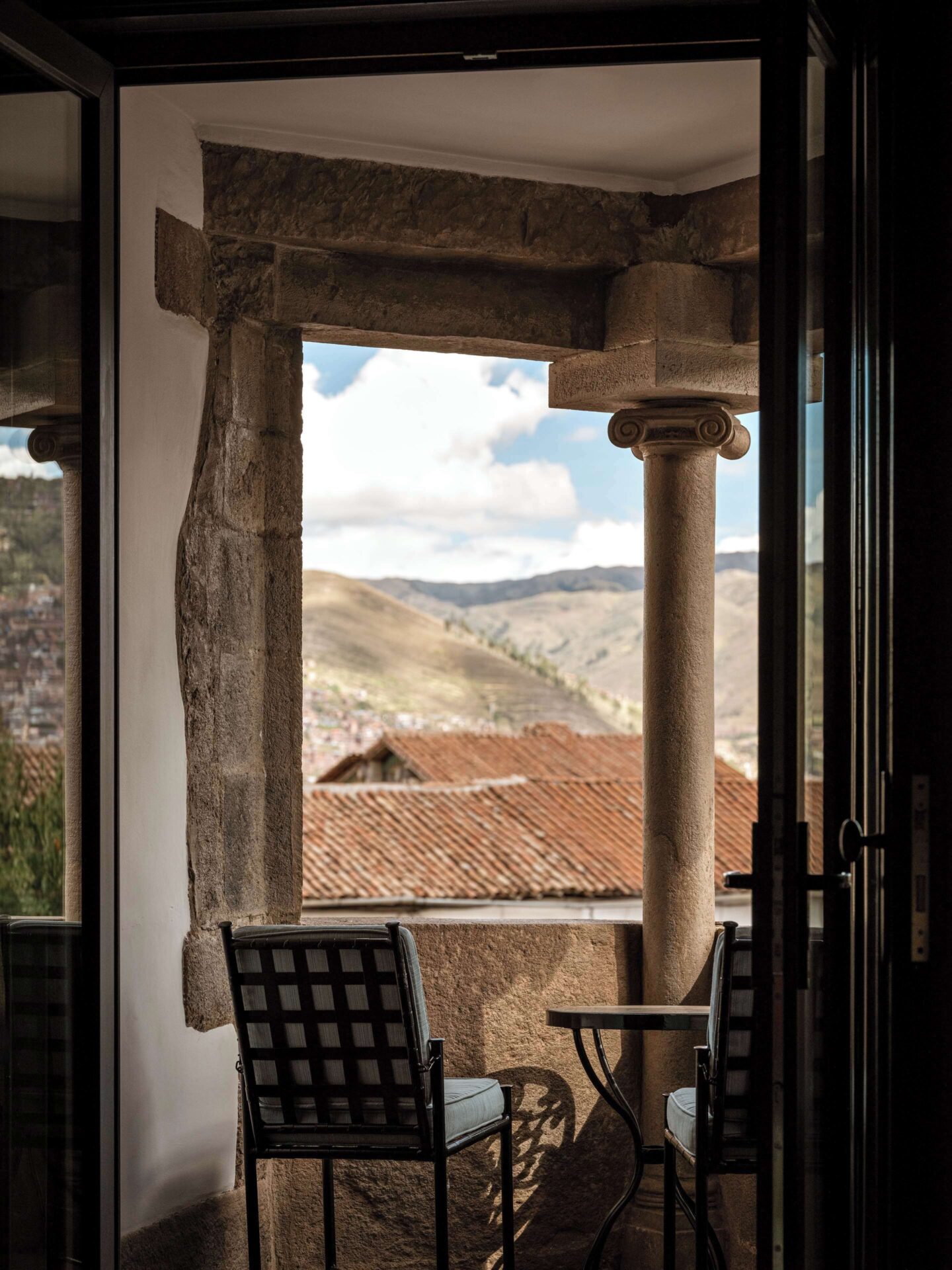
I was staying in an Airbnb, a 10-minute walk from the Plaza de Armas, which I would recommend over a more distant location. In Cusco, proximity to the centre matters partly for convenience, partly because the walk up from anywhere lower involves steep, cobbled streets that feel considerably steeper when your lungs are adjusting to thin air.
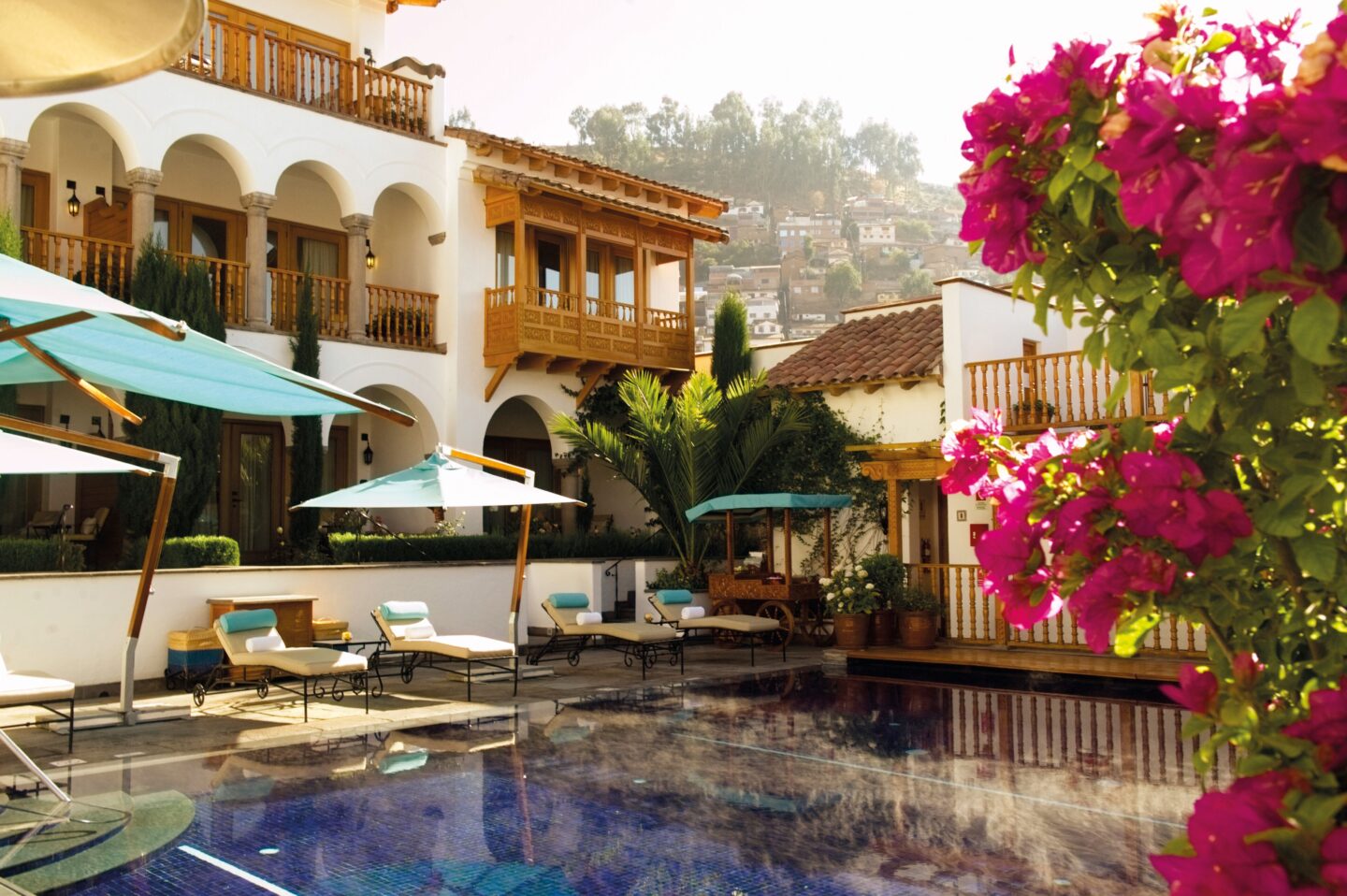
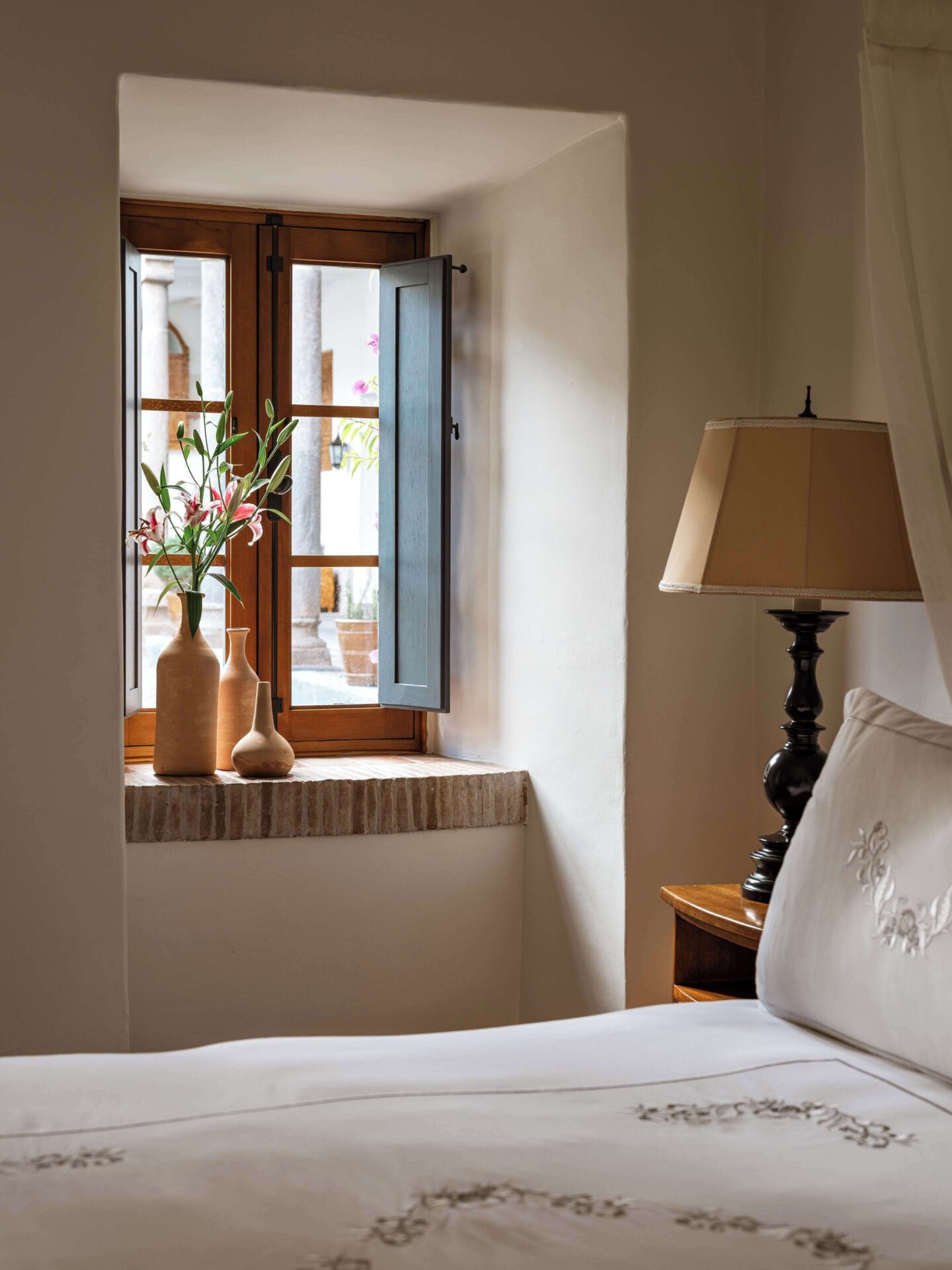
For hotel options, the Palacio Nazarenas, a Belmond property, is one of the most beautiful hotels I have seen anywhere in South America. A restored palace and former convent with cobbled courtyards and a rooftop terrace overlooking the city. Through a Fora advisor, it comes with a complimentary 50-minute massage, daily breakfast, and room upgrade where available.
Cusco hotels near Plaza de Armas
Cusco is one of those cities that repays every hour you give it. I gave it five days in total, and I left knowing I had only scratched the surface.
Days 6–7: Cusco Two Days to Breathe and Belong
Day 6: Acclimate by wandering
Do not plan day six. This is the most important instruction in this entire itinerary.
Walk from your accommodation to the Plaza de Armas. Sit in the square for a while and watch the city. The two cathedrals that anchor the plaza, the Cathedral Basilica of the Assumption of the Virgin and the Church of La Compañía de Jesús, are extraordinary pieces of architecture and deserve more than a passing glance. The Cathedral in particular houses a collection of colonial-era religious art that includes the famous painting of the Last Supper with a guinea pig at the table, a small act of cultural resistance from Indigenous Andean artists that I find genuinely moving.
Walk up to the San Blas neighbourhood, the artisan quarter, which sits on the hill above the Plaza de Armas and involves a climb that will remind you firmly of the altitude. The streets are narrow cobblestone, lined with workshops, galleries and small restaurants. The views from the top, looking out over the terracotta rooftops of the city toward the mountains, are worth every step.
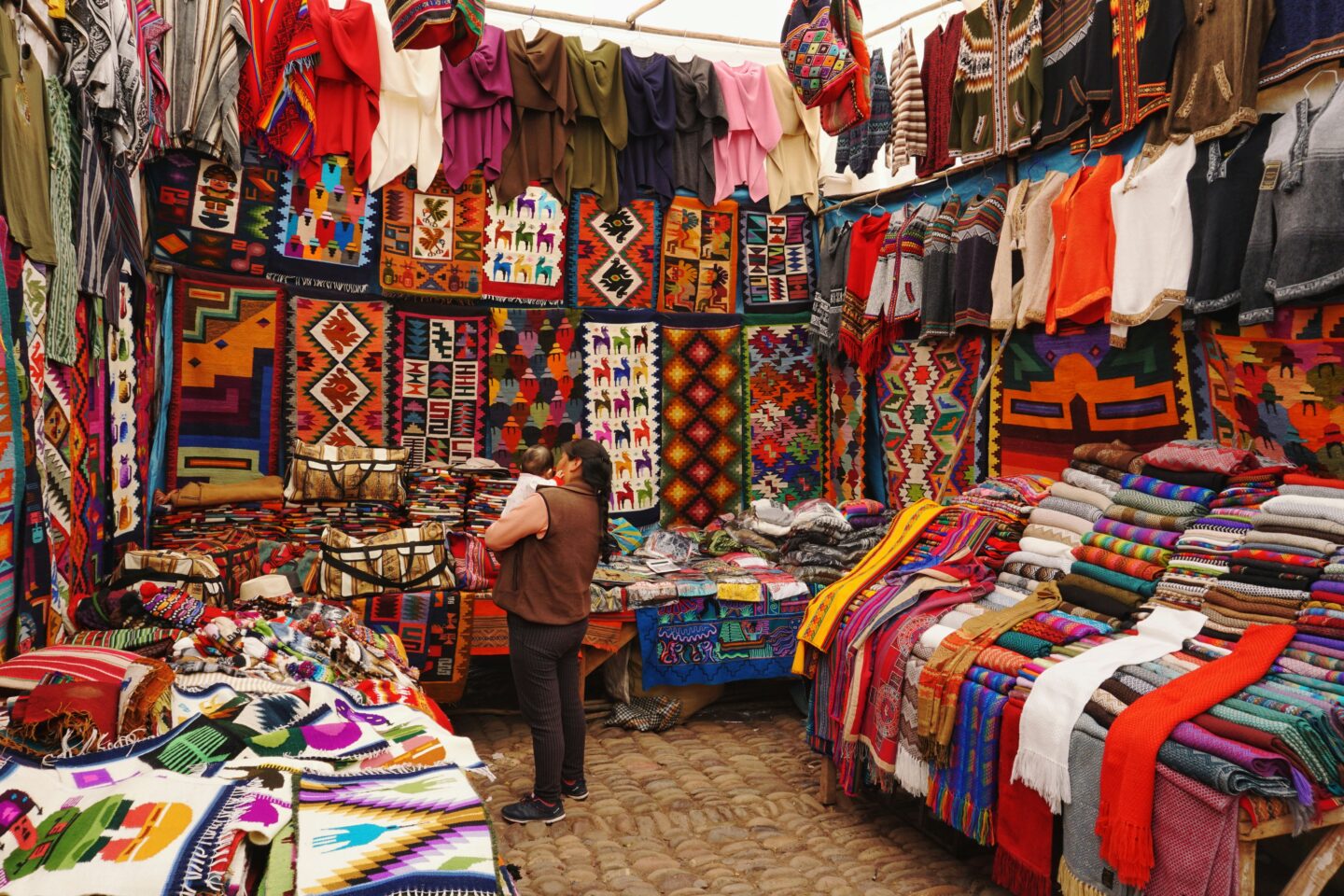
The artisanal market near the Plaza de Armas is where I spent a very contented afternoon. The alpaca textiles in Cusco ponchos, scarves, blankets, and hats are exceptional in quality and considerably more reasonably priced than anything you will find exported elsewhere. I bought more than I intended to. I do not regret it.
Eat slowly. Try the local cook shops the small restaurants with handwritten menus that change daily and serve whatever was at the market that morning. Try alpaca if you are open to it; it is lean, tender, and flavoured in a way that has no European equivalent. Try cuy if you are very open to it. The local soups and stews, heavy with potato and corn varieties that exist nowhere else on earth, are outstanding.
Day 7: Sacred Valley salt, circles, and Inca ingenuity
The Sacred Valley of the Incas runs northwest of Cusco through the Andes, and a day trip here is one of the most rewarding things you can do in Peru.
Our tour stopped first at a local family’s home, where we were shown the traditional process of making alpaca and sheep-wool textiles using natural dyes and hand-operated looms. This was not a performance for tourists or if it was, it was done with enough genuine warmth and knowledge that the distinction stopped mattering. We bought directly from the family and left knowing significantly more about the craft than we had arrived with.
The salt mines of Maras Salineras de Maras are one of those places that photograph beautifully and look even more extraordinary in person. Thousands of small salt pans terraced into the mountainside, worked by local families using methods that have not substantially changed in centuries. The scale of them, the geometry, the white against the warm ochre of the surrounding hills it is quietly astonishing.
Moray, nearby, is the Inca agricultural laboratory. A series of concentric circular terraces descending into the earth, each level maintaining a slightly different microclimate, was used by Inca botanists to experiment with different crops at different altitudes. Standing at the rim looking down, what strikes you is the sophistication of it, the understanding of ecology, biology and agriculture that it represents. The Incas were extraordinary scientists. This is the evidence.
Return to Cusco in the evening, eat a good dinner, and sleep well. Tomorrow is Rainbow Mountain.
Day 8: Rainbow Mountain
I want to be completely honest with you about Rainbow Mountain, because most of what is written about it is either dismissive of the difficulty or so focused on the challenge that it forgets to convey the extraordinary reward. Let me try to hold both.
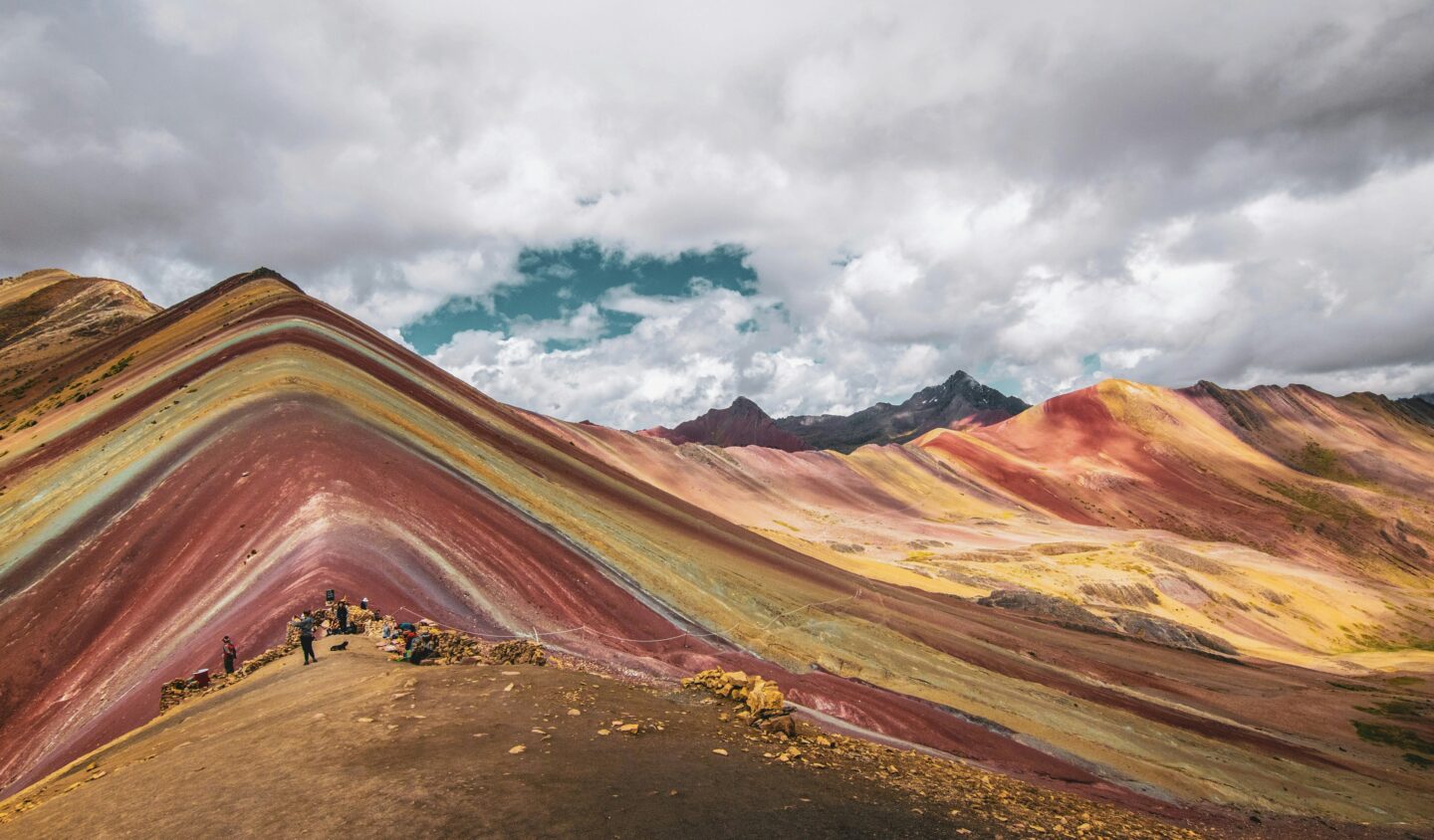
Vinicunca Rainbow Mountain sits at 5,200 metres above sea level. The approach, from the trailhead, involves a hike of approximately two to three hours, depending on your pace and how often you stop. For most visitors acclimatised to Cusco’s altitude, the first half of the trail is manageable. The last section, which rises steeply toward the viewpoint, is where altitude makes itself felt in a way that is impossible to ignore.
The tour departs very early, around 4 am from Cusco, so that you arrive at the trailhead as the day begins. Pack layers. The temperature at that hour, at that altitude, is cold in a way that your bones remember. By the time you are climbing, you will have removed most of them.
The horse option
Horses are available for hire at the trailhead and partway along the route, and I chose to ride one for the steeper section of the ascent. The cost was approximately USD $100 to ride up; you can arrange a horse down for roughly half of that. The horse takes you most of the way to the viewpoint. There is a final stretch of steps that you must climb on foot, regardless, and those steps, at altitude, are the part that stayed with me.
Some visitors take ATVs for part of the route. Both options exist because Rainbow Mountain is not a gentle walk, and there is no shame in using them. The mountain does not care how you arrived. The view is the same.
Agua Florida and the art of managing altitude
A friend in Cusco had told me about Agua Florida, a Peruvian spiritual water, sold in small bottles, made from a distillation of flower essences and alcohol. The practice is to pour a small amount into your palms, rub them together, and inhale deeply. Locals use it for spiritual cleansing; I used it for altitude management, and it was a genuine revelation.
Combined with coca sweets, small boiled candies made with coca leaf, available at every market and many pharmacies in Cusco and the altitude medication I had been taking since arriving, the Agua Florida helped me manage the final ascent without needing supplemental oxygen. I will not promise it will work for everyone. But I will say it worked for me, and I would take it again.
The view
And then you are there.
The colours of Vinicunca, the mineral striations of red, ochre, green, purple, and turquoise running through the mountain in horizontal bands, are real and are extraordinary. Photographs do not lie about this. They also do not tell the whole truth, which is that you are standing at over 5,000 metres in the Andes with mountains in every direction and the Red Valley spreading below you, and the air so thin and clear that everything looks slightly unreal, and it is one of the more singular experiences I have had in a lifetime of travel.
We stayed long enough to truly see it. This is important. Many tours allow only a short time at the viewpoint before turning the group around. If yours does, take every minute.
That evening, a dear friend celebrating their birthday organised a dinner at a beautiful restaurant in Cusco that I will not soon forget. Good food, good company, great altitude a combination that produces a particular quality of happiness.
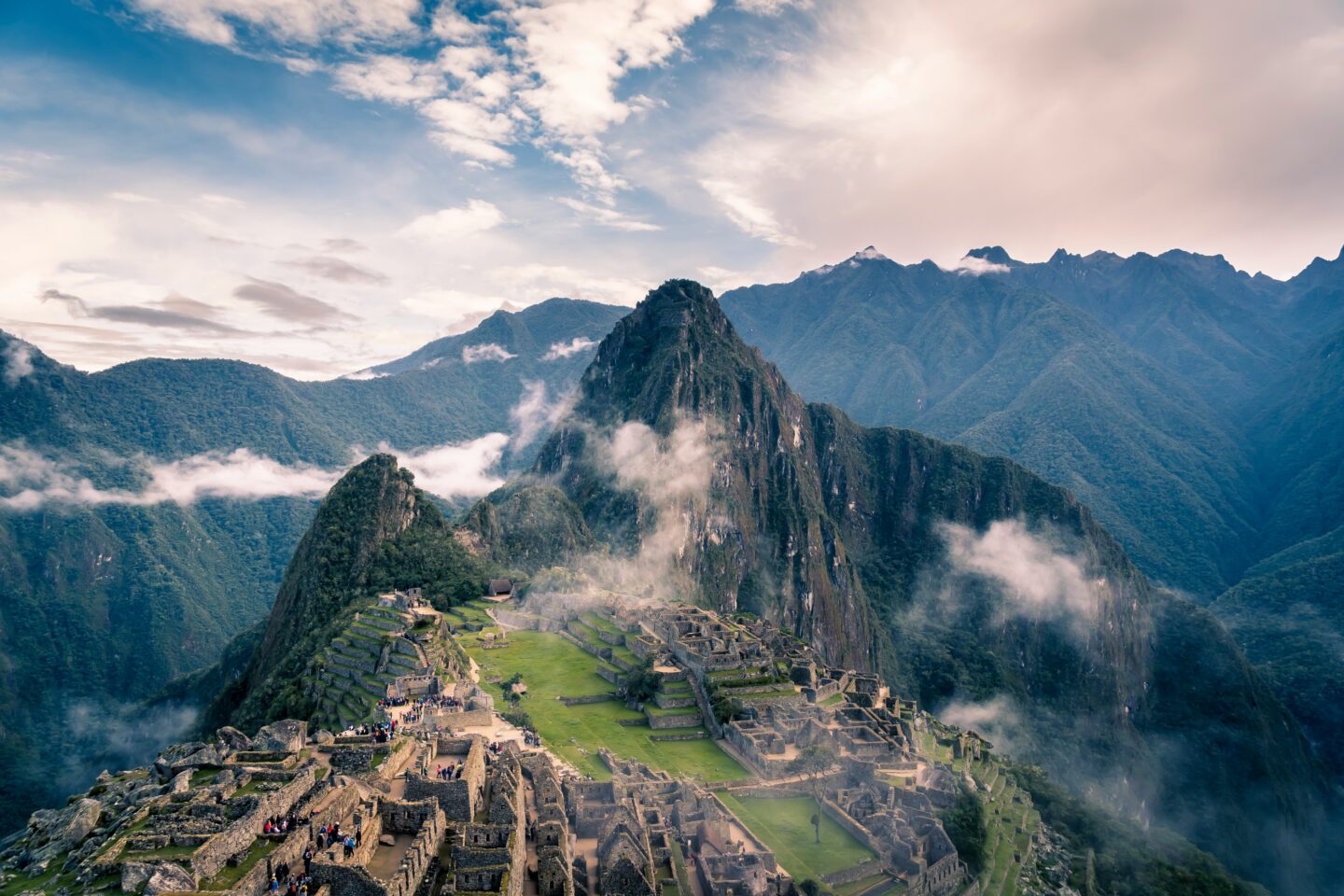
Machu Picchu does not disappoint. This is not a thing that can be said about every landmark that carries the weight of enormous expectation. It can be said about this one.
Days 9–10: Machu Picchu
Getting there: the journey is part of it
The route from Cusco to Machu Picchu involves several steps, and understanding them in advance will make the journey considerably less stressful.
First, you travel from Cusco to Ollantaytambo a town in the Sacred Valley that serves as the main train departure point for Machu Picchu. This takes approximately ninety minutes by bus or taxi. Some tours include this transfer; if yours does not, arrange it in advance.
From Ollantaytambo, you take the train to Aguas Calientes, the small town at the base of the mountain that serves as the overnight base for most Machu Picchu visitors. There are two main train operators: Inca Rail and Peru Rail. Both offer comfortable seats and large windows that frame the journey through the mountain valley in a way that is genuinely spectacular. Book well in advance; train tickets sell out, particularly in peak season.
The journey itself, watching the mountains rise around you, the vegetation thickening as the altitude drops, the Urubamba River running alongside the tracks, is beautiful enough that I would recommend it even if Machu Picchu did not exist at the end of it. It does, of course.
Aguas Calientes, a small town, has one purpose
Aguas Calientes is not a town with much to offer beyond its proximity to Machu Picchu, and it is honest about this. It consists essentially of restaurants, small hotels and Airbnbs, a market, and gift shops, arranged along the Urubamba River in a narrow valley surrounded by forested mountains.
I arrived in the afternoon, which I would recommend over arriving very early in the morning with only hours before the climb. I am a slow traveller. I do not rush toward things. I walked around the small Pueblo Viejo, found a restaurant with a view of the river, ate a good dinner, and went to bed at a reasonable hour with a genuine sense of anticipation for what the morning would bring.
If you are staying overnight, which I would strongly encourage, book your accommodation in Aguas Calientes before you travel. The options are limited, they fill up, and arriving without a booking is an unnecessary stress.
Day 10: Machu Picchu circuits, light, and the gift of a clear day
Wake early. This is not negotiable.
The buses from Aguas Calientes to the entrance of Machu Picchu begin running before 5:30 am and the queues form quickly. Getting on an early bus means arriving at the citadel as the morning mist lifts, and if you are fortunate with the weather, what you will see as that mist clears is one of the most beautiful things on earth.
I was fortunate. The day I climbed Machu Picchu was one of the brightest, clearest days of the entire week brilliant sun, no cloud cover, the mountains vivid and sharp in every direction. I had brought my poncho, which I had bought specifically for the iconic photographs. I did not need it. A friend who climbed the day after me in dense cloud could see almost nothing from the top. This is the truth of Machu Picchu: the experience is partly determined by the weather, and the weather is not within your control.
Book your tickets well in advance. Entry to Machu Picchu is managed through a permit system, with a fixed number of visitors per session. The main circuits are Circuit 1, which takes you to the classic viewpoints of the citadel from the mountain above, and Circuit 2, which routes you through the ruins themselves. Both are worth doing if you have the time and energy I did Circuit 1 on this visit and walked the citadel on a previous trip, and I would encourage you to try to do both in a single day if the tickets are available.
A note on Circuit 2 tickets
Here is something I discovered too late to use but want to pass on to you: Machu Picchu releases a limited number of additional tickets each day, approximately 100, either at the gate or through vendors in Aguas Calientes. If you arrive with time, energy, and the flexibility to extend your visit, it is worth enquiring about these tickets on the day. I had enough time to have done Circuit 2 as well, and the knowledge that I could have is the only mild regret of an otherwise exceptional trip.
The descent and the train home
The bus back down to Aguas Calientes, lunch by the river, a long look at the mountains one more time. Then the train back to Ollantaytambo, the transfer back to Cusco, and a massage that I had booked in advance and that was, objectively, the best decision I made all week.
There is a neighbourhood in Cusco called Calle Siete, an area of bars and restaurants that the locals frequent, that I had been planning to visit and did not make it to through sheer exhaustion. I mention it here as something to add to your itinerary if your energy levels are more robust than mine were at the end of ten days in Peru. I will get there next time.
The People: The Part That Nobody Puts in the Itinerary
A friend of mine has a friend who lives in Lima. This is the kind of sentence that does not seem significant until it changes your entire trip.
Through that connection, we were able to spend time with a local who knew the city the way only someone who lives there can know it the restaurants that do not have English menus, the sunset spot that is slightly off the main path, the bakery that opens at six in the morning for the people who actually live in Miraflores rather than the people who are visiting it. They gave us recommendations that no guidebook had, and the hours we spent with them gave us a texture of Lima that I could not have accessed any other way.
In Cusco, through the same chain of connections, we met another local who helped us plan a birthday celebration, gave us the real information about taxis and prices and which drivers to avoid, and showed us the Cusco that lives alongside the tourist Cusco without overlapping it very often.
This is why I slow travel. Not to see more places, but to know each place more fully. And the fullest knowing always comes through people.
I also met a woman from Russia on Rainbow Mountain on the way up, gasping in slightly different languages and kept encountering her for the rest of the trip. On the train to Aguas Calientes. In a restaurant in Cusco. Travel has a way of doing this: giving you the same people twice, in different places, as though confirming that some connections are meant to be made.
Practical Information: Everything You Need Before You Book
Getting around Cusco
Within central Cusco, anywhere you need to go should cost between 7 and 10 Peruvian soles by taxi. Do not pay more than this. One driver attempted to charge us $20 on our first day; I held firm, and it turned out as I had suspected, that he was simply testing what we would accept. The fare structure in Cusco is transparent once you know it, and knowing it saves you money and the particular irritation of being taken advantage of.
Uber and InDriver operate in Cusco and are a useful reference point for what a fair fare looks like. Regular taxis are abundant and easy to find step outside your accommodation on almost any street, and one will materialise within a minute or two.
The markets
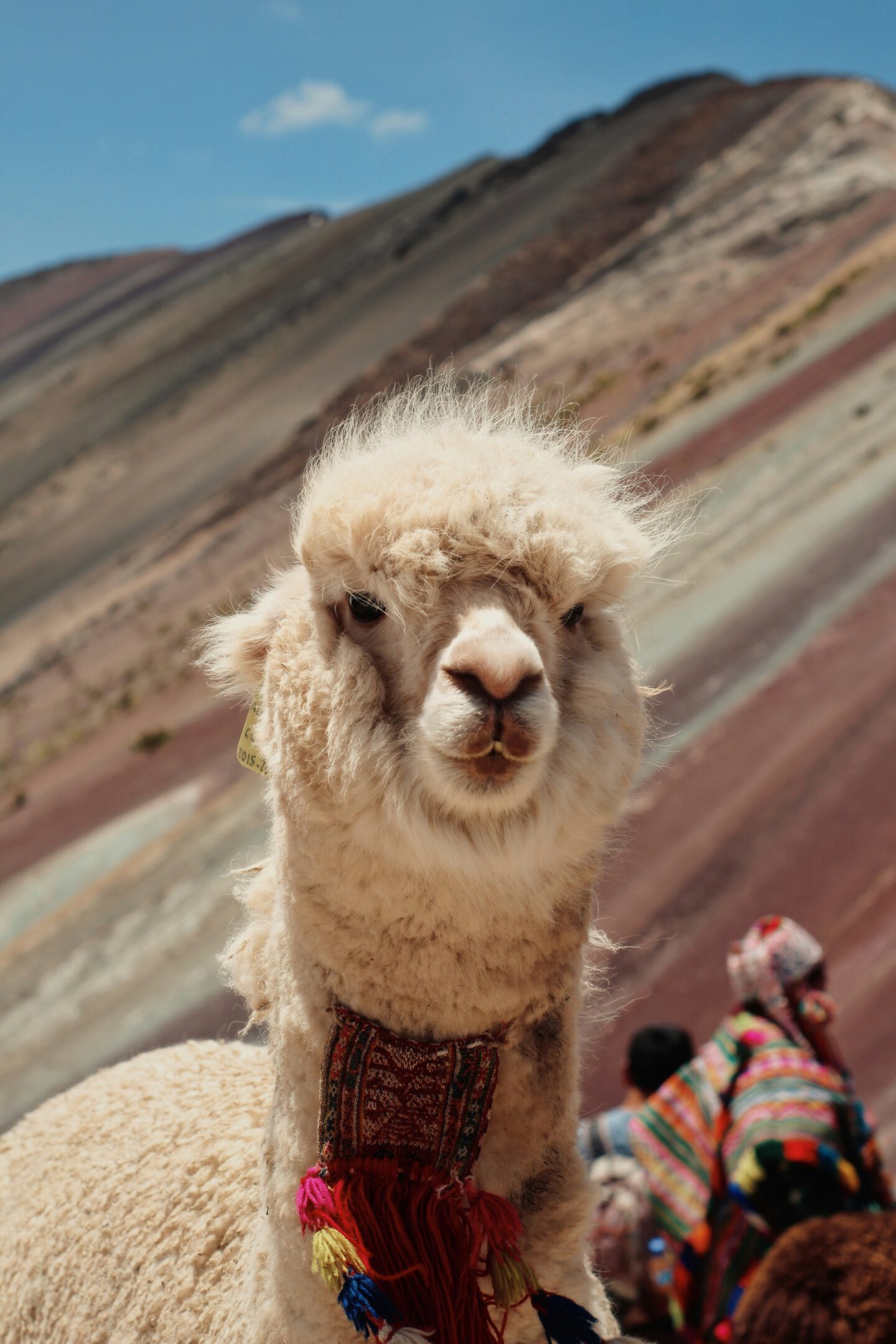
The artisanal markets in both Lima and Cusco are worth serious time. In Cusco, particularly, the quality of the alpaca textiles is extraordinary. Real alpaca baby alpaca is especially incredibly soft, surprisingly warm, and will outlast most things in your wardrobe. Learn to tell the difference between real alpaca and the acrylic imitations, which look similar but do not feel it. If it does not feel like you are holding a cloud, it is not an alpaca.
Bargaining is expected in the markets, but should be done pleasantly and without aggression. The vendors are running small businesses, the prices are already reasonable by international standards, and the goal is a fair exchange rather than a victory.
Safety
Peru is a safe destination for most travellers, including solo women, when approached with the same awareness you would bring to any unfamiliar city. The tourist areas of Lima, Miraflores, Barranco, Cusco’s centre, and Aguas Calientes are well-trodden and generally safe.
The selling at tourist sites, people offering tours, massages, snacks, and photographs, is persistent and can feel overwhelming at first. A firm but friendly ‘No, gracias’ handles most situations. You do not owe anyone an explanation for not wanting to purchase something, and the people who are most insistent are usually simply most in need of the income.
Do not wear expensive jewellery or carry expensive cameras conspicuously. Keep your phone in your pocket in crowded areas. These are not Peru-specific precautions they are universal ones.
Travel insurance
Do not visit Peru without it. The altitude alone justifies a policy that covers emergency medical evacuation. SafetyWing offers flexible, affordable coverage that works well for this kind of trip.

Recommended hotels with perks
If you are considering a more luxurious experience in Peru, these three properties are exceptional and carry Fora travel advisor benefits when booked through a Fora advisor:
- Miraflores Park, A Belmond Hotel, Lima: $100 food and beverage credit, daily breakfast, upgrade and extended check-in/out whenever possible.
- Sol y Luna Relais & Chateaux, Sacred Valley: $100 spa or activity credit, daily breakfast, upgrade whenever possible. Perfect for a Sacred Valley night between Lima and Cusco.
- Palacio Nazarenas, A Belmond Hotel, Cusco, Complimentary 50-minute massage, daily breakfast, upgrade and extended check-in/out whenever possible.
Where to Eat and Drink in Lima
Lima has one of the most exciting food cultures in the world, and I say this as someone who has eaten their way through a significant portion of South America. The cooking here is a product of Indigenous Peruvian tradition, Spanish influence, Chinese immigration Peru has one of the largest Chinese diaspora communities in Latin America, which gave birth to the entirely Peruvian cuisine called chifa Japanese immigration, and African heritage. The result is a cuisine of genuine complexity and extraordinary flavour.
Breakfast
- Las Bolena Tea Room traditional pastries and a selection of teas in a calm, unhurried setting. The kind of breakfast that sets the tone for the day properly.
- San Antonio Pastry freshly baked pastries and traditional Peruvian breakfast dishes. A local favourite that has not been compromised by tourist demand.
- Che Cha Miraflores for those who prefer a tea service to coffee. Cosy, well-curated, and entirely pleasant.
Lunch and dinner
- Astrid y Gastón haute Peruvian cuisine with a contemporary sensibility. One of the most acclaimed restaurants in South America, and worth every sol for a special occasion.
- Huaca Pucllana Restaurant dinner amongst the ancient ruins of the Huaca Pucllana pyramid, illuminated at night. The food is excellent; the setting is one of the most remarkable in Lima.
- Merito, Barranco’s innovative tasting menus in a chic setting. One of the meals of the trip.
- Indio, Barranco wood-fired pizzas in the bohemian neighbourhood. Casual, delicious, and the kind of place you return to twice.
Cocktails and evenings
- Ayahuasca Bar a restored colonial mansion in Barranco, with eclectic decor and cocktails that are genuinely worth the journey.
- Hotel B Rooftop panoramic city views with craft cocktails. Good for the end of a long day.
- I-baigo Wine Bar a curated selection of wines paired with tapas. Quietly excellent.
- Carnaval, San Isidro, creative cocktails and live music for when you want the evening to have some energy.
Frequently Asked Questions
Do I need a visa to visit Peru?
Most nationalities, including UK, US, Canadian, and EU passport holders, can enter Peru visa-free for up to 90 days as tourists. Check the current requirements for your specific nationality before travel, as these can change.
How far in advance should I book Machu Picchu tickets?
As far in advance as possible ideally two to three months for peak season travel (June through August), and at a minimum four to six weeks at any time of year. Permits sell out. This is not an exaggeration. The official Machu Picchu ticket portal is the safest booking source; reputable tour operators also book tickets as part of their packages.
What should I pack for Rainbow Mountain?
- Altitude medication: consult your doctor about acetazolamide before your trip
- Coca tea or coca sweets available in Cusco are genuinely helpful
- Agua Florida, buy it in Cusco before you go
- Layers, it will be cold in the early morning and warm by midday
- A waterproof jacket, as the weather can change quickly at altitude
- Good walking boots with ankle support
- Sunscreen, the UV intensity at altitude is significantly higher than at sea level
- Water at least two litres
- Snacks: energy bars, nuts, anything that gives you sustained fuel
Is Peru safe for solo women travellers?
Yes, with the awareness you would bring to any unfamiliar destination. Miraflores and Barranco in Lima are among the safest urban neighbourhoods in South America. Cusco’s tourist centre is well-patrolled and generally safe. The persistent selling at tourist sites can feel intimidating, but is rarely threatening a confident refusal handles most situations. Trust your instincts, travel with a local SIM so you are reachable, and let your accommodation know your plans for the day.
What currency should I use?
Peruvian soles for everything you can manage. US dollars are widely accepted, but the exchange rate will not always favour you. Withdraw soles from ATMs in central areas, pay in local currency at markets and restaurants, and keep card payments for hotels and larger establishments.
How do I get between Lima and Cusco?
Domestic flight approximately one hour and fifteen minutes. Sky Airlines, LATAM, and others operate this route. Remember to account for the baggage fee that is not included in standard fares, budget for it or pack a carry-on-only approach for the Cusco portion of your trip.
Can I book a travel consultation to plan this trip?
Yes. I offer personalised travel consultation calls for exactly this kind of itinerary, mapping out the route, accommodation, activities, advance bookings, and all the logistics that make the difference between a good Peru trip and a great one. You can book at destinytravlr.com/work-with-me. Peru is not a trip that rewards vague planning, and I would rather you arrive prepared for everything.
PLAN YOUR PERU TRIP
I offer 60-minute travel consultation calls for women planning Peru and wider South America trips. We will map out your itinerary, discuss accommodation options, including those with Fora travel advisor perks, and make sure every logistical question is answered before you board the plane. Book at www.destinytravlr.com/work-with-me
Check Out These Links
Tarjeta Andina de Migración (TAM) Virtual
Llaqta Machupicchu
Inca Rail
What to know before visiting Peru
Are You Planning Your Next Trip? Here’s What I Use
These are the tools I rely on to make every trip smoother, safer, and more meaningful. If you use the links below, I may earn a small commission at no extra cost to you. Thank you for supporting this blog and my journey as a full-time traveller 💜
1. Learn the Local Language
I use Babbel to practice Spanish, French, and Portuguese while travelling. The app makes it so easy to learn useful phrases on the go.
2. Travel Insurance is a Must
I never leave home without SafetyWing. They’re affordable and ideal for frequent travellers or digital nomads.
3. Book Your Tours & Experiences
For unique local tours and must-see experiences, I use:
→ Viator
→ Get Your Guide
4. Always Stay Connected
No matter where I go, Keepgo helps me stay connected with international data SIMs and eSIMs that actually work. A lifesaver when Wi-Fi fails!
5. Organise Your Itinerary
I use Tripsy to plan and store my itineraries, documents, and bookings in one clean app. It’s perfect for keeping track of everything in one place.
Until next time, travel softly,
Destiny 💜
