As Caribbean people, we are raised on the beautiful idea that we are one community. We hear it in speeches from politicians, we see it in the proud “CC” logo on our passports, and we feel it in the instant recognition of a shared rhythm or a familiar accent in a foreign land. We are told we are a family of nations, bound by a common sea.
And yet, the simple act of visiting a cousin in a sister island can feel like a monumental undertaking. The journey from Jamaica to Barbados can be longer and more arduous than a flight to London. A short hop from St. Lucia to Dominica can cost more than a ticket to New York. We are a people connected by a shared sea that, for all practical purposes, can feel as wide and impassable as an ocean.
This shared frustration the high costs, the limited routes, the bewilderingly long layovers in cities outside our own region is a constant, simmering conversation across the archipelago. This guide is born of that conversation. It is an honest, practical, and empowering resource, designed to replace frustration with preparation. It is for the CARICOM national who has always wanted to explore their own backyard, the diaspora traveller seeking a deeper reconnection, the slow explorer planning an extended journey, and the first-time inter-island traveler who simply doesn’t know where to begin.
Let’s navigate this together, with clear eyes and a patient spirit.

Contents
- 0.1 Understanding Inter-Island Travel in the Caribbean: Why It’s Not Like Europe
- 0.2 Regional Airlines Serving CARICOM Countries: Your Wings in the Region
- 0.3 Common Inter-Island Flight Routes: What’s Easy vs. What’s Complicated
- 0.4 Ferry Travel in the Caribbean: A Beautiful but Limited Option
- 0.5 Costs: What Inter-Island Travel Really Costs
- 0.6 Practical Tips for Travelling Between CARICOM Countries
- 0.7 Why Inter-Island Travel Still Matters
- 0.8 Looking Ahead: The Future of Inter-Regional Travel
- 0.9 Final Reflection: Moving Through Our Region With Intention
- 1 Are You Planning Your Next Trip? Here’s What I Use
- 2 Check Out Other Guides
Understanding Inter-Island Travel in the Caribbean: Why It’s Not Like Europe
The first step to navigating the region is to understand why it is so challenging. It is easy to look at a map and assume that hopping between our islands should be as simple as taking a train from Paris to Brussels or a cheap flight from Bangkok to Kuala Lumpur. The reality is shaped by a unique and complex mix of geography, economics, and history.
- Geography: The Caribbean is a vast archipelago, a chain of islands scattered across hundreds of thousands of square miles of open sea. Unlike the contiguous landmasses of Europe or Southeast Asia, we cannot build highways or high-speed rail lines to connect us. Every journey requires a plane or a boat, each with its own significant operational costs.
- Economics: Our individual nations have relatively small populations. An airline route between two islands might only serve a potential market of a few hundred thousand people, unlike the tens of millions in larger regions. This limited demand makes it difficult to sustain frequent, affordable flights. Furthermore, the cost of aviation fuel, high government taxes, and airport fees in the Caribbean are among the highest in the world, and these costs are passed directly on to the traveller.
- History: The ghosts of our colonial past still shape our present-day travel routes. The transport patterns established during the colonial era were designed to connect each island directly back to the metropole, London, Paris, Amsterdam not to each other. We were the spokes, and Europe was the hub. Dismantling this centuries-old infrastructure and building new, intra-regional connections is a slow and expensive process. We are still, in many ways, trying to untangle ourselves from a map that was not drawn for our benefit.
Understanding this context is not an excuse for the system’s failings, but it is a crucial tool for managing your expectations. The challenges are systemic, not personal. A delayed flight or a cancelled route is not a failure on your part as a traveller; it is a symptom of a complex and deeply rooted problem.
Regional Airlines Serving CARICOM Countries: Your Wings in the Region
Despite the challenges, a handful of dedicated regional airlines form the vital arteries of our inter-island transport system. Knowing who flies where and what to expect from each is the key to planning a successful journey.



It is essential to state a core, empowering truth: the regional airlines we have discussed, Caribbean Airlines, interCaribbean Airways, LIAT, and Cayman Airways, are the lifeblood of our community for a fundamental reason. They build bridges between us, allowing for travel throughout the CARICOM region without the need to transit through the United States. For any Caribbean national without a US visa, or for those who wish to avoid the complexities of passing through an American airport, these carriers are not just options; they are declarations of our travel sovereignty.
As a strategic ally in this effort, we can also look to Copa Airlines. While not a CARICOM carrier, Copa’s extensive network connects most of our nations through its hub in Panama City (PTY). This provides a valuable alternative for many complex routes, particularly between the northern and southern Caribbean. While Panama is visa-friendly for many CARICOM nationals, it is your responsibility to verify the specific requirements for your citizenship before booking. Ultimately, utilising these routes is a conscious choice to keep our journeys within our own extended neighbourhood, a quiet act of regional self-reliance.
Caribbean Airlines (CAL)
- Hubs: Port of Spain, Trinidad (Piarco International Airport – POS) and Kingston, Jamaica (Norman Manley International Airport – KIN).
- What to Expect: As the national airline of Trinidad and Tobago and Jamaica, CAL is the largest regional carrier. It operates a modern fleet and offers the most extensive network across the southern and central Caribbean, with strong routes connecting Trinidad, Guyana, Suriname, Barbados, St. Lucia, and Jamaica. It is often the most reliable and comfortable option, but it can also be the most expensive, especially if not booked well in advance. Their service to North America also makes them a key carrier for the diaspora.

interCaribbean Airways
- Hubs: Providenciales, Turks and Caicos (PLS) and Tortola, British Virgin Islands (EIS).
- What to Expect: interCaribbean has become an essential connector, particularly in the Eastern Caribbean, filling many of the gaps left by other carriers. They are excellent for routes between smaller islands that are often overlooked, connecting places like Dominica, St. Vincent, Grenada, and Barbados. The experience may be less polished than on larger airlines, think smaller turboprop planes and more basic service, but their utility is undeniable. They are the workhorses that make many multi-island itineraries possible.
LIAT (2020) Ltd.
- Hubs: St. John’s, Antigua (ANU).
- What to Expect: The original LIAT was a legendary, if often frustrating, institution in the Eastern Caribbean for decades. After its collapse, LIAT (2020) has emerged to serve some of its previous routes, primarily connecting Antigua with other OECS countries like St. Kitts, Dominica, and Barbados. It remains a vital service for short-hop travel in the Lesser Antilles. Travellers should monitor its routes and reliability as it continues to re-establish its network.
Cayman Airways
- Hubs: Grand Cayman (GCM).
- What to Expect: While primarily focused on connecting the Cayman Islands to the US and other international destinations, Cayman Airways operates a few useful regional routes, particularly in the western Caribbean, with connections to Jamaica and sometimes other destinations. It is a limited but high-quality option if your journey takes you through that part of the region.
Common Inter-Island Flight Routes: What’s Easy vs. What’s Complicated
Not all inter-island journeys are created equal. Some routes are well-serviced and relatively straightforward, while others require the patience of a saint and the strategic mind of a chess player.
Easier, More Direct Routes (Often daily or several times a week):
- Trinidad (POS) ↔ Barbados (BGI)
- Trinidad (POS) ↔ Guyana (GEO)
- Jamaica (KIN) ↔ Trinidad (POS)
- Barbados (BGI) ↔ St. Lucia (UVF/SLU)
- Barbados (BGI) ↔ St. Vincent (SVD)
- Antigua (ANU) ↔ St. Kitts (SKB)
Harder, More Complicated Routes (Often requiring backtracking or long layovers):
- Jamaica to the Eastern Caribbean: A journey from Kingston to Dominica, for example, is notoriously difficult. It almost always requires flying through another country (often Trinidad or even Miami), frequently involving an overnight stay.
- Guyana to the Smaller Islands: Getting from Georgetown to a smaller island like St. Kitts often means first flying to a larger hub like Barbados or Trinidad and then catching a connecting flight.
- Suriname to the OECS: This route is even more challenging, often requiring multiple stops and a combination of different airlines.
To navigate the more complicated routes, you must be prepared to backtrack (fly away from your destination to get to a hub), overnight in a transit country, or even transit through Miami, which adds the complexity of US visa requirements for many CARICOM nationals.
Ferry Travel in the Caribbean: A Beautiful but Limited Option
The dream of a comprehensive, high-speed ferry network connecting our islands is one of the most cherished and elusive goals of Caribbean integration. While this dream is not yet a reality, there are a few specific areas where sea travel is a viable and beautiful option.

Active and Reliable Ferry Routes:
- The Grenadines: This is where ferry travel truly shines. Regular, reliable ferries connect St. Vincent with the islands of the Grenadines: Bequia, Canouan, Mayreau, and Union Island. It is a stunningly beautiful and practical way to explore this part of the Caribbean.
- Trinidad and Tobago: A very efficient and heavily subsidised domestic ferry service connects Port of Spain, Trinidad, with Scarborough, Tobago. It is an essential lifeline between the two islands.
- The French Caribbean: Ferries are a popular way to travel between the French overseas departments of Martinique and Guadeloupe, often with stops in Dominica, which lies between them. Companies like L’Express des Îles operate these routes.
- St. Lucia and Martinique: A ferry service sometimes operates between these two neighbouring islands, offering a scenic alternative to flying.
Why Aren’t Ferries More Widespread? The open waters of the Caribbean Sea can be incredibly rough, making long-distance ferry travel uncomfortable and often unreliable, especially during hurricane season. The cost of operating large, modern vessels is immense, and without consistent high demand or significant government subsidies, most potential routes are simply not economically viable.
Costs: What Inter-Island Travel Really Costs
Let us speak plainly, for this is a truth felt in the bones of every Caribbean person who has ever tried to book a flight to a sister island. The cost of inter-island travel is not just high; it is a painful irony, a bitter pill to swallow. We are neighbours separated by a financial wall.
For a traveller starting their journey in Jamaica, the dream of a quick regional getaway is immediately confronted by this reality. A “short hop” to the nearby Cayman Islands will likely start at USD $400, and that is considered a bargain. To venture further east, to the shores of Barbados or the vibrant streets of Trinidad, is to watch the price climb relentlessly. A standard one-way ticket will almost certainly cost USD $500, and it is not uncommon to see fares of 600 or 700, particularly if booked without several months of advance planning.
To see a flight that covers a mere few hundred miles priced higher than a transatlantic ticket to London or a cross-continental journey to Toronto is more than a frustration; it is a fundamental barrier to the very idea of a “community.” It keeps students from exchange programs, artists from collaborations, families from reunions, and small entrepreneurs from regional markets. At these prices, the beautiful, unifying promise of CARICOM can feel impossibly distant, a luxury reserved for a select few rather than the birthright of all. This is the central, unresolved challenge of our time: how to turn our shared sea from a costly barrier back into the connecting bridge it was always meant to be.
- Flight Costs: Expect to pay anywhere from season, depending on how far in advance you book.
- Hidden Fees: Be vigilant about baggage fees, which are often not included in the base fare, as well as various government taxes and airport improvement fees that can add a significant amount to the final ticket price.
- Tips to Reduce Costs:
- Book as early as possible. Last-minute fares are almost always astronomical.
- Be flexible with your dates. Flying on a Tuesday or Wednesday is often cheaper than on a weekend.
- Mix and match airlines. You might find a cheaper itinerary by flying one airline for the first leg and another for the second, but be warned: this can complicate things if there are delays.
- Consider the ferry. If your route allows for it, a ferry will almost always be the more affordable option.
This high cost is more than an inconvenience; it is a barrier that disproportionately affects Caribbean nationals, students, and small business owners, keeping us economically and socially separated.
Practical Tips for Travelling Between CARICOM Countries
Navigating our region requires a specific mindset: one of preparation, patience, and flexibility.
- Always Book with Buffer Days: This is the golden rule of inter-island travel. Do not book a tight connection. Do not plan an important meeting for the morning after you are scheduled to arrive. Delays and cancellations are a fact of life. Give yourself at least a full day of buffer time between important events.
- Have Your Documents Ready: Even when travelling within the CARICOM family, always have your passport, proof of onward travel (even if it’s months away), and details of your accommodation ready for both airline staff and immigration officials.
- Keep Emergency Cash: Have some US dollars or the local currency of your transit island on hand in case you get stranded and need to pay for a meal or a hotel room.
- Communicate and Stay Informed: Follow your airline on social media, like WhatsApp or Facebook, where they often post the most up-to-date information about delays. Local travel-focused Facebook groups can also be an invaluable source of real-time information.
- Embrace the Journey: Sometimes, an unexpected overnight stay in a transit island can be a bonus adventure. A flexible and positive attitude is your most valuable travel accessory.
Why Inter-Island Travel Still Matters
Despite all the challenges, choosing to travel within our own region is a meaningful and intentional act. It is a quiet form of resistance against the historical and economic forces that have sought to keep us apart.
- Cultural Exchange: It is the only way to truly understand the beautiful, nuanced diversity of our own community.
- Economic Circulation: When we travel regionally, our money stays within our Caribbean economy, supporting local businesses, hotels, and artisans, rather than flowing out to hubs in North America or Europe.
- Reclaiming Our Mobility: Every journey we take is a step towards building the interconnected, integrated Caribbean that our leaders have spoken of for generations. We are, in essence, voting with our feet for a more unified region.
Looking Ahead: The Future of Inter-Regional Travel
The conversation about the future of Caribbean travel is a conversation about the future of the Caribbean itself. It is a space filled with frustration, yes, but also with a resilient and beautiful hope. It is the dream of finally building the bridges we have so long wished to cross.
Imagine, for a moment, a single, unified Caribbean airline. Not a patchwork of competing national carriers, but a sleek, modern fleet operated for the good of the community, its tail emblazoned with a symbol of our shared identity. Imagine its mandate being service over profit, its routes designed to connect St. Vincent to Belize, and Guyana to Jamaica, with the same ease that they now connect to Miami. Imagine fares subsidised by a collective will, understood not as a cost, but as an investment in our own integration. This is the grand vision.
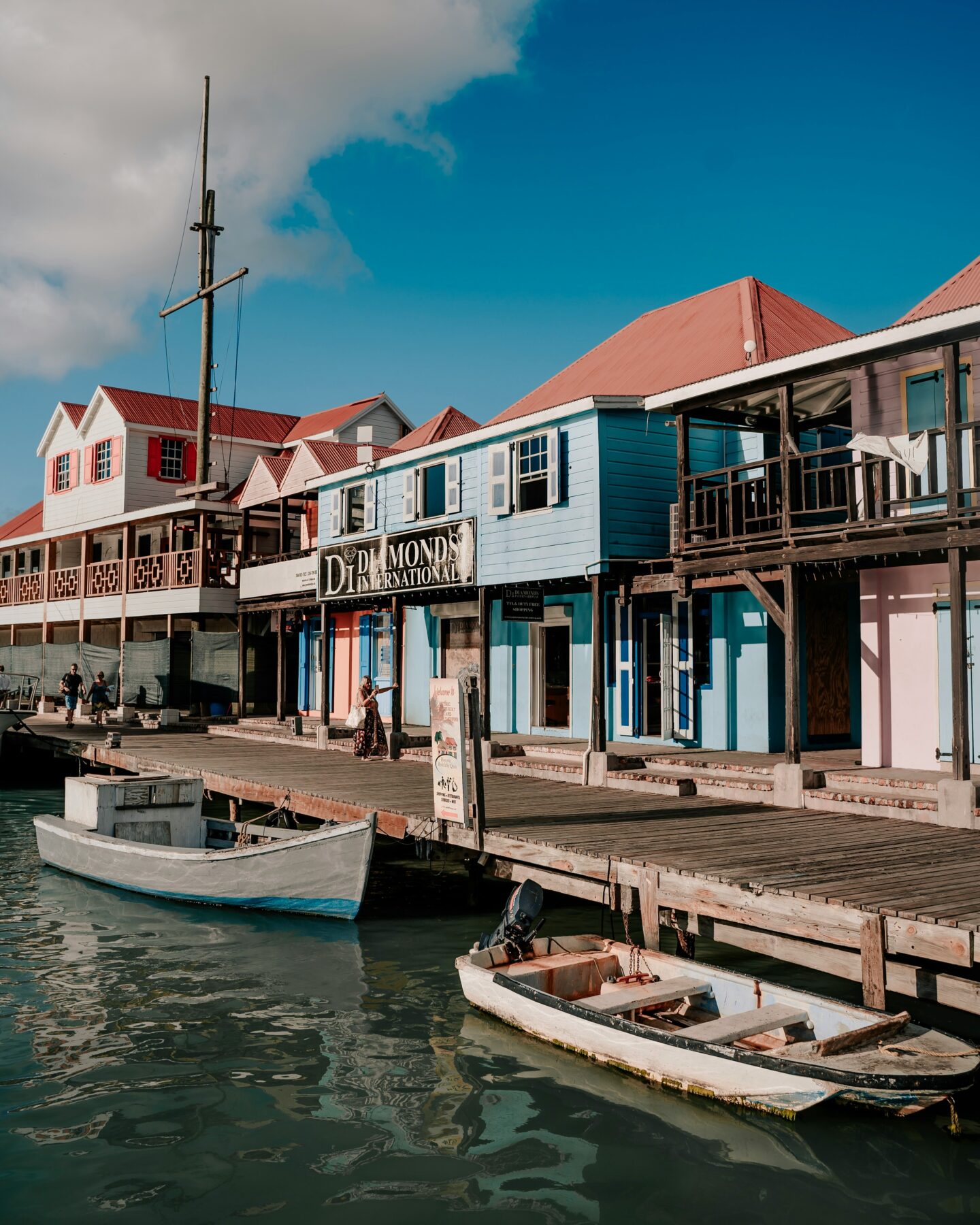



But hope also lives in a more grassroots, immediate future. The change may not come from the top down, but from the inside out. It begins when we, the people, create the demand that makes these routes undeniable. Imagine curated “CARICOM Trails” that encourage regional tourism, a musical pilgrimage from the home of reggae to the birthplace of calypso, a culinary journey from the spice isle to the land of many waters. Imagine universities fostering robust exchange programs, businesses holding regional conferences, and arts foundations funding inter-island residencies.
This is not just a cultural dream; it is a sound economic strategy. A consistent flow of travellers creates profitable routes. Profitable routes invite competition. And competition, coupled with enlightened policy, is what will ultimately bring down the financial walls that stand between us. The future of travel in our region does not rest solely in the hands of politicians and airline executives. It rests in our own curiosity, in our own choices, and in our collective decision to turn towards each other and explore the magnificent, diverse, and deeply connected home we all share.
Final Reflection: Moving Through Our Region With Intention
Travelling between CARICOM countries is not always easy, but it is always meaningful. It is a journey that requires more from us: more patience, more planning, more resilience. But what it offers in return is immeasurable: a deeper understanding of our own home, a stronger connection to our neighbours, and a more profound appreciation for the vibrant, complex, and beautiful family of nations to which we belong.
So, start where you are. Pick one sister island that has always called to you. Plan your trip with clear eyes and an open heart. Learn our region from the inside out, one journey at a time. It is, and always will be, a journey worth taking.
Are You Planning Your Next Trip? Here’s What I Use
These are the tools I rely on to make every trip smoother, safer, and more meaningful. If you use the links below, I may earn a small commission at no extra cost to you. Thank you for supporting this blog and my journey as a full-time traveller 💜
1. Learn the Local Language
I use Babbel to practice Spanish, French, and Portuguese while travelling. The app makes it so easy to learn useful phrases on the go.
2. Travel Insurance is a Must
I never leave home without SafetyWing. They’re affordable and ideal for frequent travellers or digital nomads.
3. Book Your Tours & Experiences
For unique local tours and must-see experiences, I use:
→ Viator
→ Get Your Guide
4. Always Stay Connected
No matter where I go, Keepgo helps me stay connected with international data SIMs and eSIMs that actually work. A lifesaver when Wi-Fi fails!
5. Organise Your Itinerary
I use Tripsy to plan and store my itineraries, documents, and bookings in one clean app. It’s perfect for keeping track of everything in one place.
Until next time, travel softly,
Destiny 💜
Check Out Other Guides
Essential Guide to Passports and Visas for Jamaicans: Where You Can Go and What You Need
Discovering Barbados: A Journey of Adventure and Relaxation
We Shall Rise Again: A Story of Jamaica After Hurricane Melissa
The Ultimate Guide to the CARICOM Community for Travelers
The 15 Member States of CARICOM: One Region, Many Stories
