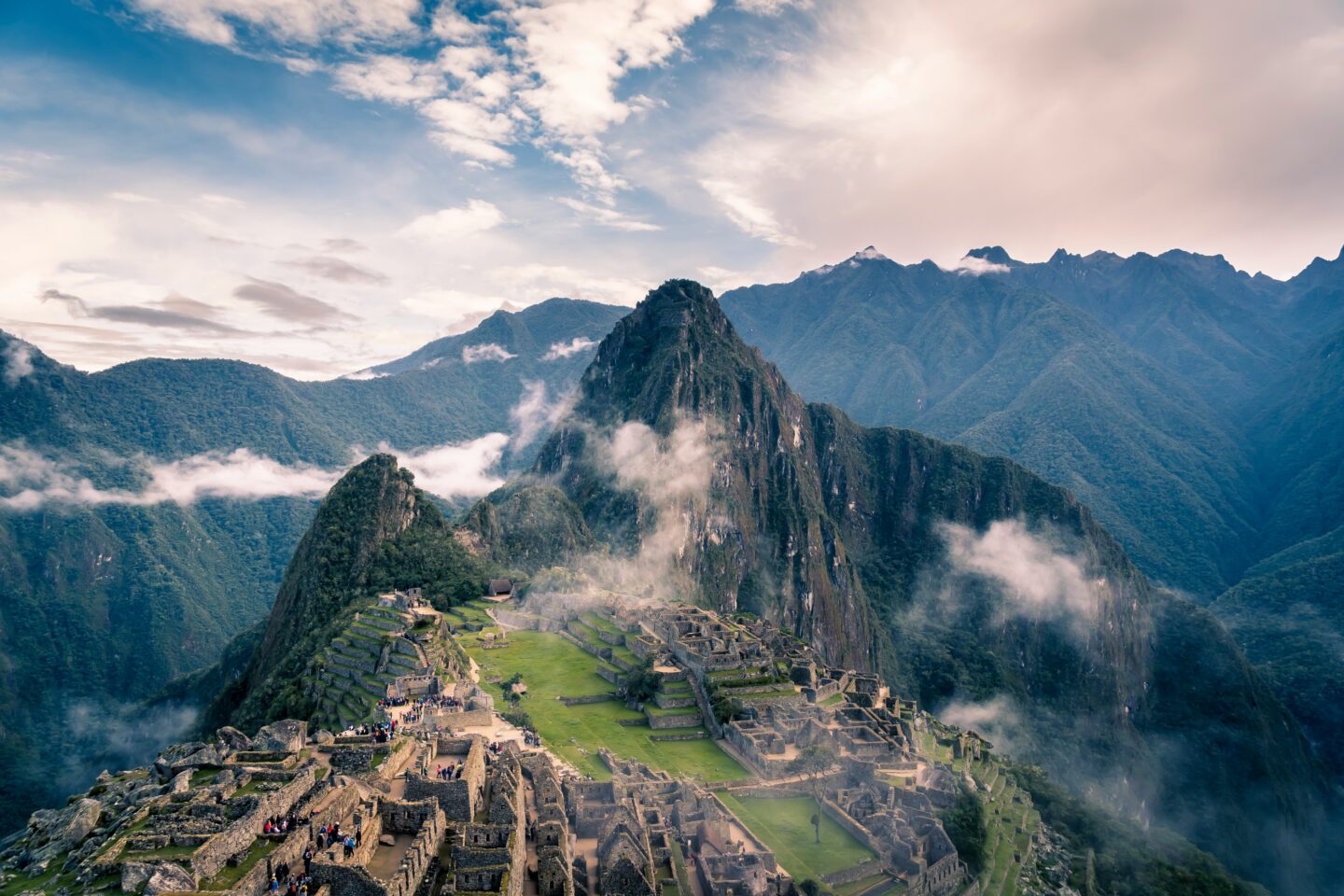
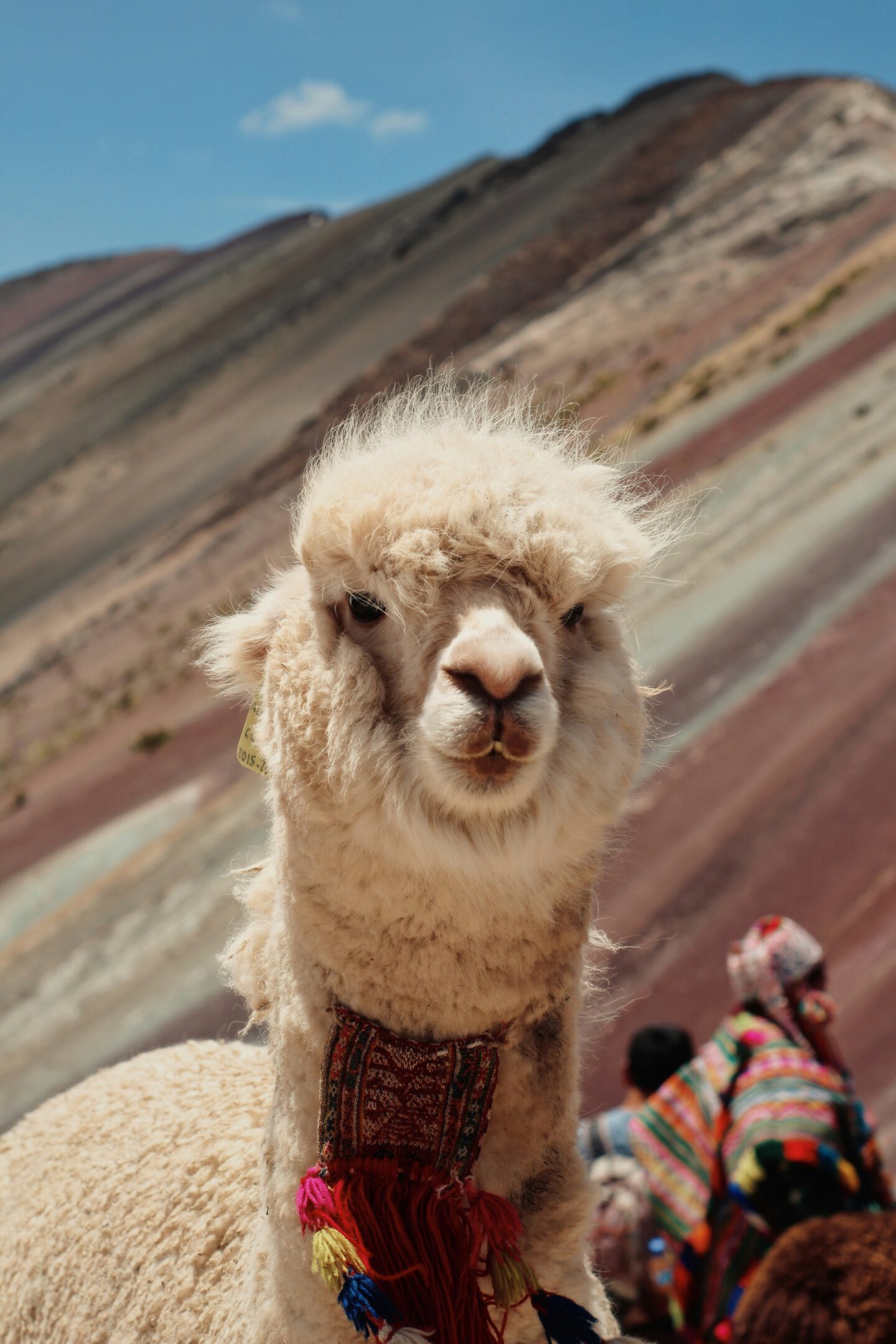
There is a version of Peru that lives on a million Instagram feeds. It is a single, breathtaking photograph: the mist-shrouded citadel of Machu Picchu, viewed from the Sun Gate at dawn. It is a llama, adorned with colourful tassels, posing patiently in a cobblestone alley in Cusco. It is a quick, beautiful, and profoundly incomplete story.
To mistake this snapshot for the entire country is like reading the last page of a great novel and thinking you understand the plot.
Peru is not one-dimensional. It is a land of impossible contrasts, a place where geography and history have conspired to create one of the most complex and captivating nations on Earth. It is the driest coastal desert, where ancient civilisations drew enigmatic lines in the sand. It is the soaring, lung-searing peaks of the Andes, where the descendants of the Inca still speak the language of the mountains. It is the humid, vibrant, and seemingly infinite expanse of the Amazon jungle, teeming with life both seen and unseen. It is the faded grandeur of colonial cities built upon the foundations of sacred temples.
This is not a guide designed to overwhelm you with logistics or frighten you with warnings. It is the opposite. This is an act of empowerment. My goal is to give you the strategic framework, the insider knowledge, and the cultural context to move beyond the surface. Because I believe a profound truth about travel: proper preparation does not limit spontaneity; it unleashes it. When you are not worried about the logistics, you are free to be present for the magic.
And Peru, for the traveller who is prepared, offers magic in abundance. It is a country that rewards the curious, the respectful, and the patient. This is your guide to becoming that traveller.
Contents
- 0.1 1. The Machu Picchu Reality: Tickets Vanish Months in Advance
- 0.2 2. The Invisible Wall: You Must Acclimatise to the Altitude
- 0.3 3. The Traveler’s Dilemma: Peru is Incredibly Diverse. Pack Accordingly
- 0.4 4. The Financial Flow: Currency and Money Realities
- 0.5 5. The Official Gates: Immigration and Entry Requirements (Updated for 2026)
- 0.6 7. The Culinary Journey: Peru’s Food is Incredible, but Be Smart
- 0.7 8. Your Sanctuary: Choose Where You Stay Thoughtfully
- 0.8 9. The Rhythm of the Andes: Peru Travel is Slower Than You Think
- 0.9 10. The Traveller’s Pact: Sustainable and Responsible Travel in Peru
- 0.10 Peru Rewards the Prepared Traveller
- 1 Are You Planning Your Next Trip? Here’s What I Use
1. The Machu Picchu Reality: Tickets Vanish Months in Advance
Let’s begin with the heart of the matter, the icon that draws millions to this corner of the world. The most critical piece of information to understand about Machu Picchu is this: you cannot simply show up. The days of buying a ticket at the gate are long gone, a relic of a bygone era of travel.
The Peruvian government, in a necessary effort to preserve this fragile wonder of the world, has implemented strict daily visitor limits. This means a finite number of tickets are available for each day, and for the most popular times of year, they sell out months in advance.
A quick search for “Machu Picchu tickets” will plunge you into a confusing world of third-party sellers, tour operators, and official-looking websites. It’s a landscape ripe for confusion and inflated pricing.
Your Strategic Action Plan:
- Book Early, and I Mean Early: For travel during the peak season (May to September), you should be booking your Machu Picchu entrance tickets 3 to 4 months in advance. If you plan to hike the classic four-day Inca Trail, the permits are even more scarce. For this, you need to book 6 to 8 months in advance, as only 500 permits are issued per day (and this includes the guides and porters).
- Go to the Source: The safest and most cost-effective way to purchase your entrance ticket is through the official government website or an authorised provider. Be wary of unofficial resellers who often bundle tickets with overpriced tours or add significant markups.
- Understand the “Circuit” System: A Machu Picchu ticket is not a free-for-all pass. The site is now divided into several one-way circuits designed to manage crowd flow and protect the ruins. When you book, you will have to choose a specific circuit and an entry time slot.
- Circuit 1 & 2: These are the most comprehensive circuits, offering the classic, panoramic postcard views from the upper terraces. If it’s your first time, one of these is what you want.
- Circuits 3 & 4: These focus on the lower sections of the citadel and do not provide access to the iconic upper viewpoints.
- Additional Hikes: If you want to climb Huayna Picchu or Machu Picchu Mountain for even more spectacular views, you must book a ticket that specifically includes that hike. These tickets sell out the fastest.
- Decide: Train or Trail?
- The Train: The most common way to reach Aguas Calientes (the town at the base of Machu Picchu) is by train from Cusco or, more strategically, from a station in the Sacred Valley like Ollantaytambo. Companies like PeruRail and Inca Rail offer services ranging from budget-friendly to luxurious. Book these train tickets at the same time you book your Machu Picchu entrance.
- The Hike: The Inca Trail is the legendary pilgrimage, a multi-day trek through stunning mountain scenery. This can only be done with a licensed tour operator who will secure your permit as part of the package. If the classic trail is sold out, consider incredible alternatives like the Salkantay Trek or the Lares Trek.
Your Machu Picchu visit should be the fixed anchor of your entire Peru itinerary. Book it first, and then plan everything else around it.
2. The Invisible Wall: You Must Acclimatise to the Altitude
This is the most important health and safety consideration for any trip to the Peruvian Andes. It is a factor that will dictate the entire rhythm of your itinerary. Cusco, the ancient capital of the Inca Empire and the gateway to Machu Picchu, sits at a breathtaking 3,400 meters (11,152 feet) above sea level.
At this altitude, the air contains significantly less oxygen, and your body will notice. Arriving in Cusco from sea level is like trying to run a sprint after holding your breath. It’s a shock to the system. Ignoring the need to acclimatise is the fastest way to ruin the first few days of your trip.
Searches for “altitude sickness” can lead to scary medical jargon or, conversely, dismissive advice to just “tough it out.” The truth is more nuanced and manageable.
Your Strategic Action Plan:
- Descend to Ascend: This is the single best piece of advice. Instead of spending your first night in high-altitude Cusco, arrange for a taxi or transfer to take you directly from the Cusco airport down into the Sacred Valley. Towns like Ollantaytambo (2,792m / 9,160ft) or Urubamba (2,871m / 9,420ft) are significantly lower than Cusco. Spending your first two or three nights here allows your body to adjust more gently before you ascend to Cusco.
- The First 48 Hours are Crucial: Your first two days at altitude should be dedicated to rest and gentle exploration.
- Walk Slowly: Poco a poco (little by little) should be your mantra. There is no prize for rushing.
- Hydrate, Hydrate, Hydrate: Drink copious amounts of water. Dehydration exacerbates altitude sickness.
- Embrace Coca: Do as the locals do. Drink mate de coca (coca leaf tea) or chew the leaves. Coca is a mild stimulant that has been used for centuries in the Andes to alleviate the symptoms of altitude sickness. It is safe, legal, and effective.
- Eat Light and Avoid Alcohol: On your first day, avoid heavy meals and alcohol. Your digestive system slows down at altitude, and alcohol will hit you much harder and dehydrate you faster.
- Know the Symptoms: Mild altitude sickness (Acute Mountain Sickness or AMS) feels like a bad hangover: headache, nausea, fatigue, shortness of breath, and difficulty sleeping. For most people, these symptoms will fade after a day or two as their body adjusts.
- When to Seek Help: If your symptoms are severe, such as a debilitating headache, vomiting, confusion, or a persistent cough, you must seek medical attention immediately. Severe AMS can be life-threatening. Hotels in Cusco are well-equipped to provide oxygen and call a doctor.
Schedule your most strenuous activities, like the Rainbow Mountain hike (over 5,000m), for the end of your time in the Andes, after you are fully acclimatised.

3. The Traveler’s Dilemma: Peru is Incredibly Diverse. Pack Accordingly
Packing for Peru is like packing for three different continents. The country’s dramatic geography creates distinct climate zones, and you will likely experience at least two of them on a typical itinerary.
“What to pack for Peru” lists often focus solely on hiking gear for the Andes, leaving travellers unprepared for the other climates.
Your Strategic Action Plan: The Art of Layering
Layers are the solution to Peru’s climatic puzzle. Your packing list should be a versatile toolkit, not a collection of single-purpose outfits.
- The Coastal Desert (Lima, Paracas, Nazca):
- Climate: Mild, humid, and often overcast (especially from April to October, when a coastal fog called the garúa rolls in). It rarely rains, but it can feel damp.
- What to Pack: Lightweight pants, t-shirts, a light jacket or sweater for the evenings. It’s rarely hot enough for shorts, but never truly cold.
- The Andes (Cusco, Sacred Valley, Arequipa, Lake Titicaca):
- Climate: The defining characteristic is the huge diurnal temperature range. The sun is incredibly strong during the day, and it can feel quite warm. The moment the sun sets, the temperature plummets.
- What to Pack: This is where layers are king.
- Base Layer: T-shirts (moisture-wicking is a plus).
- Mid Layer: A fleece or a warm sweater.
- Outer Layer: A waterproof and windproof jacket. This is essential, especially during the rainy season.
- Bottoms: Comfortable hiking pants. Jeans are generally too heavy and cold if they get wet.
- Essentials: A warm hat (beanie), gloves, and warm socks are non-negotiable for cold nights and early mornings. Sun hat, sunglasses, and high-SPF sunscreen are equally crucial for the intense daytime sun.
- Footwear: Broken-in, waterproof hiking shoes or boots with good ankle support are your most important piece of gear.
- The Amazon Jungle (Iquitos, Puerto Maldonado, Manu):
- Climate: Hot, humid, and rainy.
- What to Pack: Lightweight, long-sleeved shirts and pants (to protect against insects), high-quality insect repellent (with DEET), a rain poncho, and waterproof boots (often provided by jungle lodges).
Dry Season vs. Rainy Season:
- Dry Season (April to October): This is the most popular time to visit the Andes. Expect clear, sunny days and cold, crisp nights. This is the best time for hiking.
- Rainy Season (November to March): Expect afternoon downpours, especially in the Andes and the Amazon. The landscape is lush and green, and there are fewer crowds. The Inca Trail closes for maintenance every February.
4. The Financial Flow: Currency and Money Realities
Navigating money in a new country can be a source of stress. In Peru, it’s relatively straightforward with a few key strategies.
Advice on whether to use USD or local currency can be conflicting.
Your Strategic Action Plan:
- The Currency: The official currency is the Peruvian Sol (PEN), often referred to as Soles. While many tourist-focused hotels, tour operators, and restaurants in major cities will accept US Dollars, you will almost always get a better price and avoid unfavourable exchange rates by paying in the local currency.
- Cash is Still King: While credit cards are widely accepted in upscale hotels and restaurants in Lima and Cusco, Peru is still very much a cash-based society, especially in smaller towns, local markets, and for things like taxis and tips.
- ATMs and Exchanging Money:
- ATMs are the easiest way to get cash. They are widely available in all cities and towns. Inform your bank of your travel dates before you leave.
- If you bring cash to exchange, use an official casa de cambio (exchange house) rather than street changers for better rates and security. US Dollars are the easiest currency to exchange.
- Carry Small Bills: This is a golden rule of travel everywhere. Break large notes (like 100 Soles) at larger establishments like supermarkets or hotels. Trying to pay for a taxi or a small souvenir with a large bill will be met with frustration.
- Tipping Culture: Tipping is not obligatory in Peru, but it is greatly appreciated, especially in the service industry where wages are low.
- Restaurants: A tip of 10% is standard for good service in mid-range to high-end restaurants.
- Guides & Drivers: This is where tipping is most expected and important. For a private guide, a tip of 40-60 Soles per day is a good guideline. For porters on a multi-day trek, the tour company will provide specific recommendations, and this is a crucial part of their income.
5. The Official Gates: Immigration and Entry Requirements (Updated for 2026)
Navigating entry requirements should be a simple, stress-free process. Here’s how to ensure it is.
Immigration rules can change, and outdated blog posts can provide incorrect information. Always trust official government sources.
Your Strategic Action Plan:
- Passport Validity: Your passport must be valid for at least six months from your date of entry into Peru. This is a strict and non-negotiable rule.
- Tourist Visa: Citizens of the U.S., Canada, the U.K., Australia, and the European Union (among many others) do not need a visa for tourist stays of up to 90 days. Always double-check the specific requirements for your nationality with the nearest Peruvian consulate before you travel.
- The Digital TAM: Peru has phased out the old paper Andean Migration Card (TAM). Upon arrival by air, your entry will be registered digitally. You will receive a stamp in your passport. It’s a good idea to take a screenshot or save the email confirmation of your digital registration, as some hotels may ask for it.
- The Crucial Land Border Stamp: If you are entering Peru via a land border (e.g., from Bolivia or Ecuador), it is your responsibility to ensure your passport is physically stamped by the Peruvian immigration officials. Do not just get your exit stamp from the previous country and walk across. You must stop at the Peruvian office. Entering without an official entry stamp can cause major problems when you try to leave.
- Customs Declaration: You may be required to fill out a baggage declaration form. This can often be done online via the official SUNAT website before you travel to expedite the process.
6. The Bridge of Words: Spanish Will Unlock Peru for You
While you can certainly navigate the main tourist hubs of Lima, Cusco, and Aguas Calientes using only English, learning a few basic Spanish phrases will fundamentally change your experience. It is the difference between observing Peru from behind a glass wall and stepping through the door.
Generic phrase lists often miss the culturally specific nuances.
Your Strategic Action Plan: The Phrases That Matter Most
Making an effort, even a clumsy one, is a sign of respect that will be met with warmth and appreciation.
- The Essentials:
- Hola (Hello)
- Buenos días / Buenas tardes / Buenas noches (Good morning / afternoon / evening)
- Por favor (Please)
- Gracias (Thank you)
- Adiós (Goodbye)
- The Practical:
- ¿Cuánto cuesta? (How much does it cost?)
- ¿Dónde está el baño? (Where is the bathroom?)
- La cuenta, por favor. (The bill, please.)
- The Game-Changers (for food):
- Sin carne (Without meat) – Essential for vegetarians.
- Sin picante (Not spicy) – Peruvian food can be spicy; ají (chili) is a common ingredient.
- ¡Qué rico! (How delicious!) – The ultimate compliment.
Using these simple phrases will open doors, elicit smiles, and deepen every interaction you have, from buying a souvenir in a market to ordering a meal in a local restaurant.
7. The Culinary Journey: Peru’s Food is Incredible, but Be Smart
Prepare yourself for one of the greatest culinary adventures of your life. Peru is a global gastronomic powerhouse, a place where indigenous ingredients, diverse ecosystems, and centuries of cultural fusion have created a cuisine that is vibrant, innovative, and utterly delicious.
Fear-mongering articles about food safety can scare travellers away from authentic experiences.
Your Strategic Action Plan: Feast with Wisdom
- The Must-Try Dishes:
- Ceviche: Peru’s national dish. Fresh raw fish cured in lime juice with chilli, onion, and cilantro. It’s traditionally eaten for lunch and is a must-try in Lima.
- Lomo Saltado: A delicious fusion of Chinese and Peruvian cooking. Stir-fried beef, onions, tomatoes, and French fries are typically served with rice.
- Ají de Gallina: A creamy, comforting dish of shredded chicken in a yellow chilli and walnut sauce.
- Causa Rellena: A beautiful, layered potato terrine, typically filled with chicken, tuna, or avocado.
- Pisco Sour: The national cocktail, a frothy, potent mix of Pisco (grape brandy), lime juice, egg white, and bitters.
- Navigating Food Safety:
- Water: Do not drink the tap water. Ever. Drink only bottled or filtered water. Be cautious with ice in drinks at less reputable establishments.
- Street Food: Peru has a fantastic street food scene, but it’s wise to ease into it. Start with busy stalls where you can see the food being cooked fresh in front of you.
- Fruit and Salads: Be cautious with raw, unpeeled fruit and salads that may have been washed in tap water. The rule is: “boil it, cook it, peel it, or forget it.”
- Altitude and Digestion: Remember that your digestion slows at altitude. Heavy, rich meals that you might enjoy at sea level can feel like a lead weight in your stomach in Cusco. Eat lighter, especially for your first few days.
- Proactive Health:
- Consider taking probiotics for a week or two before your trip to build up healthy gut bacteria.
- Pack a small medical kit with medication for stomach issues, like Imodium and Pepto-Bismol, just in case.
8. Your Sanctuary: Choose Where You Stay Thoughtfully
Where you lay your head at night in Peru can be as much a part of the experience as the ruins and landscapes. The country offers a wonderful range of accommodations, from historic colonial mansions to serene eco-lodges.
Booking sites often push large, international chain hotels, causing travellers to miss out on unique, locally-owned gems.
Your Strategic Action Plan:
- Lima: Choose Your Neighbourhood:
- Miraflores: Safe, upscale, and packed with fantastic restaurants and shops. It’s a perfect, easy introduction to Lima.
- Barranco: The bohemian, artistic heart of the city. Full of colourful colonial architecture, art galleries, and trendy cafes. It offers more character than Miraflores.
- Cusco: Historic Center vs. San Blas:
- Staying in the Historic Center puts you right in the heart of the action, close to the Plaza de Armas.
- The San Blas neighbourhood, just up the hill, is a quieter, more artistic area with narrow cobblestone streets and artisan workshops. It offers more charm but requires a bit of an uphill walk.
- The Sacred Valley Imperative: I cannot recommend this enough: spend at least one or two nights in the Sacred Valley. Staying in a town like Ollantaytambo or Urubamba breaks up the journey to Machu Picchu, aids in acclimatisation, and allows you to experience the tranquil, rural beauty of the valley. The hotel options here range from rustic guesthouses to luxurious spa resorts.
- Think Local and Sustainable: Consider staying in locally-owned boutique hotels or eco-lodges. These properties often provide a more authentic experience and ensure your tourist dollars directly support the local community.
9. The Rhythm of the Andes: Peru Travel is Slower Than You Think
Peru is a vast country. The distances on a map are deceptive, and travel between destinations, especially in the Andes, takes time. The winding mountain roads, while scenic, make for slow journeys.
Ambitious online itineraries often cram too much in, creating a stressful, rushed trip that spends more time in transit than in discovery.
Your Strategic Action Plan:
- Embrace the Domestic Flight: To travel between major regions (e.g., from Lima to Cusco, or from Cusco to the Amazon), a domestic flight is your best friend. It turns a 24-hour bus ride into a 90-minute flight.
- Choose Your Bus Wisely: For shorter distances, like from Cusco to Puno (Lake Titicaca), tourist buses are a great option. Companies like Cruz del Sur are safe, comfortable, and reliable.
- Don’t Over-schedule: This is the most important rule. Do not try to do Lima, the Amazon, Cusco, the Sacred Valley, and Machu Picchu in seven days. It’s a recipe for exhaustion. A comfortable 10-day itinerary will typically focus on Lima and the Cusco/Sacred Valley region.
- Build in Buffer Days: Allow for unstructured time. A buffer day in Cusco after a long trek or before a flight home can be a godsend, allowing for unexpected delays or simply a day to relax, do laundry, and wander.
10. The Traveller’s Pact: Sustainable and Responsible Travel in Peru
As travellers, we have a responsibility to protect the places we visit. In a country with such rich cultural heritage and fragile ecosystems, this is particularly important.
Many tours offer “authentic” experiences that can be exploitative of local communities or damaging to historical sites.
Your Strategic Action Plan:
- Respect the Ruins: Do not touch, climb, or sit on ancient stonework. The oils from your hands can damage the delicate surfaces. Stay on the marked paths. This is especially true at Machu Picchu.
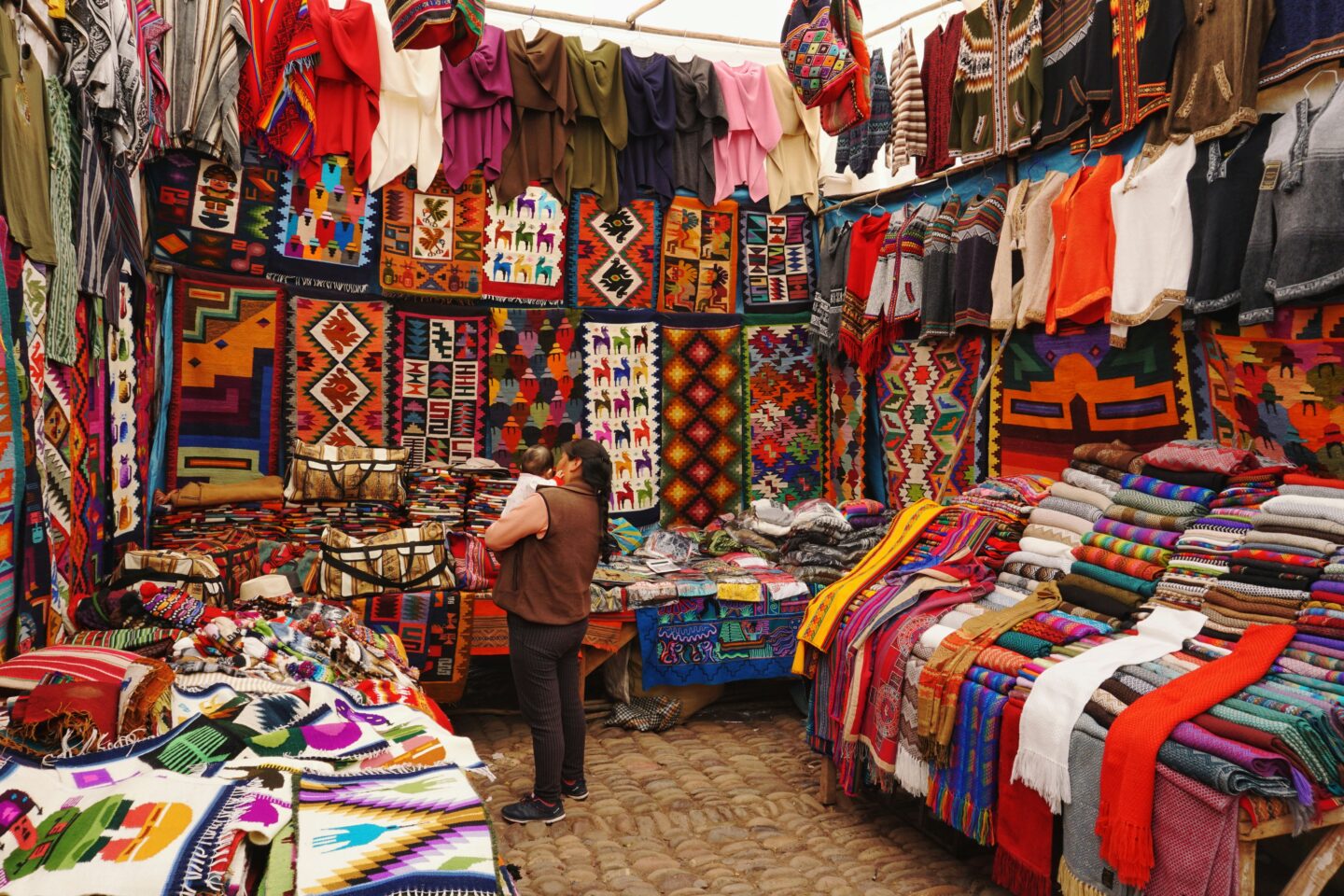
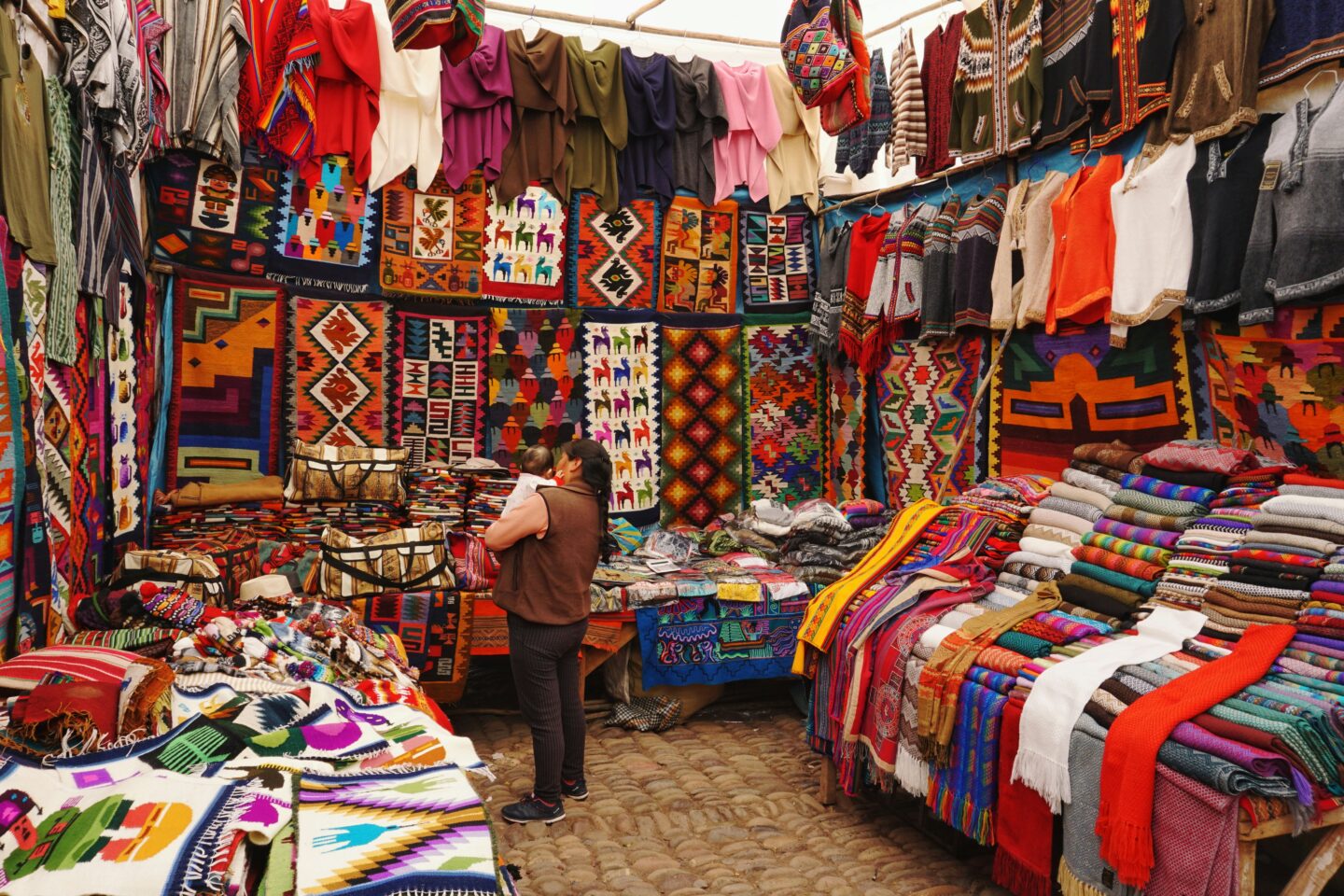
- Support Indigenous Artisans: When shopping for souvenirs, buy directly from the artisans in local markets whenever possible. Avoid mass-produced trinkets. Learn about the symbolism in the textiles of the Quechua communities.
- Hire Local Guides: A good local guide will not only enhance your understanding of the history and culture but also ensure your money supports the local economy.
- Be a Respectful Photographer: Always ask for permission before taking a close-up photograph of a person, especially of children. In some cases, local people in traditional dress may expect a small tip in exchange for a photo.
- Reduce Your Footprint: Minimise your use of single-use plastics. Carry a reusable water bottle and a water filter or purification tablets.
Peru Rewards the Prepared Traveller
Peru is a country that asks for more than just your presence. It asks for your patience, your respect, and your willingness to adapt. It is layered and powerful, a place where a single mountain pass can take you through five different microclimates, and a single conversation can span five centuries of history.
The preparation outlined in this guide is not meant to constrain your journey. It is meant to liberate it. By taking care of the logistics in advance, by understanding the rhythm of the altitude, and by approaching the culture with curiosity and respect, you free yourself to experience the true essence of Peru.
You free yourself to be fully present for the moment the mist clears at Machu Picchu, to taste the perfect ceviche by the sea, to hear the silence of the high Andes, and to feel the vibrant, enduring heartbeat of a civilisation that never truly disappeared. Peru is not a destination to be ticked off a list. It is a world to be entered. And now, you are ready to step inside.
Check Out These Links
Tarjeta Andina de Migración (TAM) Virtual
Llaqta Machupicchu
Inca Rail
Are You Planning Your Next Trip? Here’s What I Use
These are the tools I rely on to make every trip smoother, safer, and more meaningful. If you use the links below, I may earn a small commission at no extra cost to you. Thank you for supporting this blog and my journey as a full-time traveller 💜
1. Learn the Local Language
I use Babbel to practice Spanish, French, and Portuguese while travelling. The app makes it so easy to learn useful phrases on the go.
2. Travel Insurance is a Must
I never leave home without SafetyWing. They’re affordable and ideal for frequent travellers or digital nomads.
3. Book Your Tours & Experiences
For unique local tours and must-see experiences, I use:
→ Viator
→ Get Your Guide
4. Always Stay Connected
No matter where I go, Keepgo helps me stay connected with international data SIMs and eSIMs that actually work. A lifesaver when Wi-Fi fails!
5. Organise Your Itinerary
I use Tripsy to plan and store my itineraries, documents, and bookings in one clean app. It’s perfect for keeping track of everything in one place.
Until next time, travel softly,
Destiny 💜

