The first time I came to Cusco, I was twenty-something, broke, and on a mission.
I remember almost nothing about the city from back then.
What do I vaguely remember? The hostel bed. The panic of trying to figure out the train to Aguas Calientes, and I definitely remember Machu Picchu, the photographs and the breath and the exhaustion of a single rushed day. But Cusco itself? The Plaza? The walls? The colour of the stone in the late afternoon? I couldn’t have told you a thing.
What follows is this complete Cusco Peru travel guide I wish I’d had on that first trip, where to stay, how many days you actually need, how to handle the altitude, and what makes this city worth slowing down for.
I was there for a few days, and I was moving so quickly to get to the thing I had come for that I never really arrived.
This March, I came back. A decade older. A little softer. With time. With a friend whose birthday we were here to celebrate. With no client emails to answer, no flight to catch by Tuesday, no list of must-sees forced into 48 hours by a budget that wouldn’t stretch any further.
And I most definitely took my time
| What Cusco is: The former capital of the Inca Empire, sitting at 3,400 metres in the Peruvian Andes. It’s the launchpad for Machu Picchu, the Sacred Valley, and Rainbow Mountain, and it’s a city worth slowing down for in its own right. How many days you might want: 3 days minimum if you’re rushing. 5–6 days if you want to do the major day trips with breathing room. 7+ days if you want to feel the city. Best time to visit: May to September, the dry season for the most reliable weather. I went in March, which is the tail end of the wet season. It was beautiful but rainier. What it costs: Around $50 to $80 USD per day on a comfortable slow-travel budget, not including the Machu Picchu trip itself. Full breakdown later in this post. A note on altitude: Cusco sits high. I’d recommend giving your body two days to acclimatise before any major hike, especially if you’re flying in from sea level. |
Where Is Cusco, and How Do You Get There From Lima?
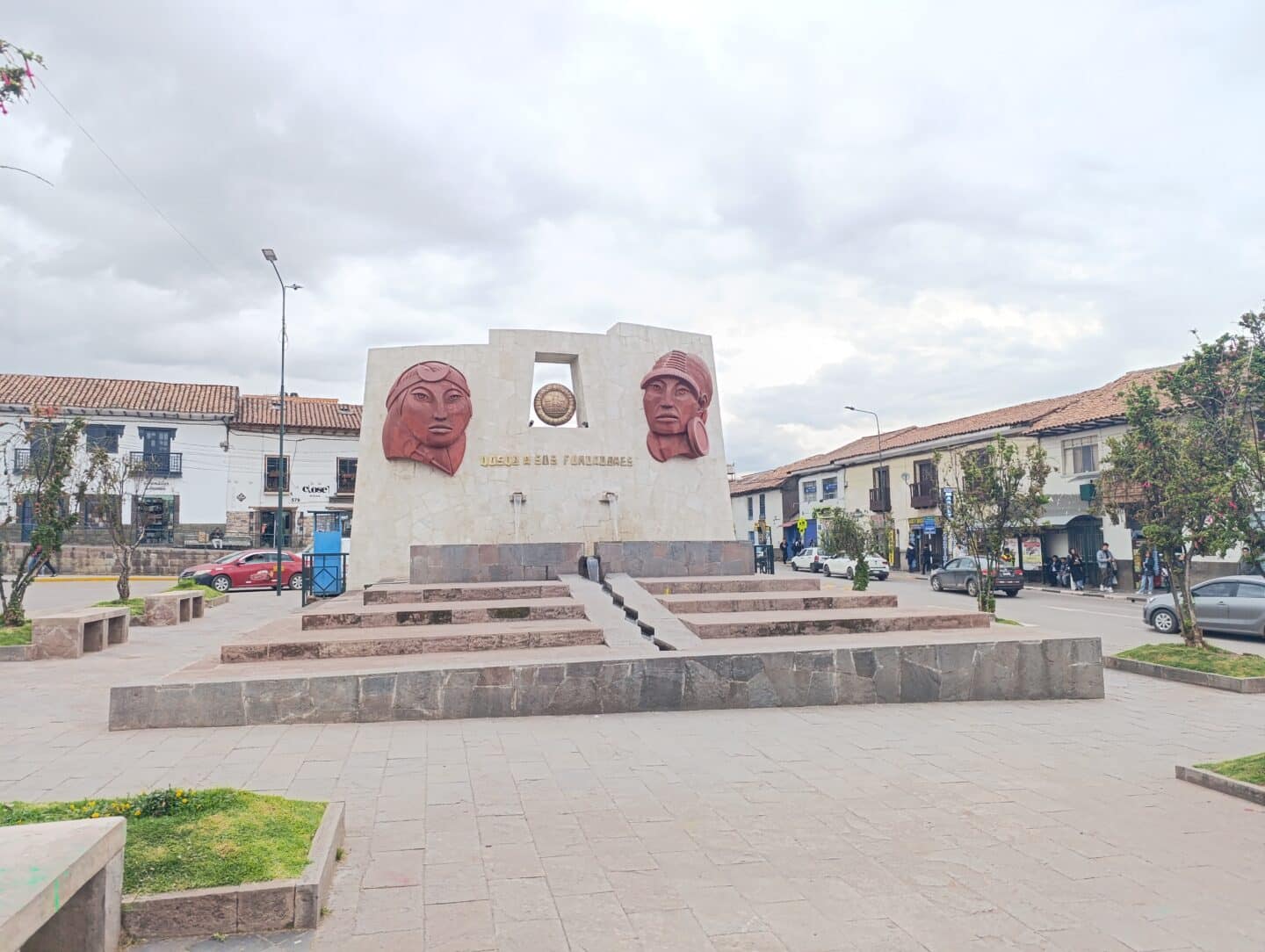
Cusco sits in the Peruvian Andes, about 1,100 kilometres south-east of Lima. It was the capital of the Inca Empire, Qosqo in Quechua, meaning the navel of the world, and you can still feel that in the streets. The Spanish built churches on top of Inca foundations, and you can see both, layered, in almost every block of the historical centre.
The city sits at 3,400 metres above sea level. It’s higher than Aspen, higher than Cusco’s more famous cousin Machu Picchu (which sits lower, at around 2,400 metres), and it’s high enough that altitude sickness is a genuine concern for many visitors.
For most travellers, Cusco is the gateway to three of Peru’s biggest experiences: Machu Picchu, four hours and a train ride away. Rainbow Mountain, three hours by road and a hike (or a horse) to the summit. And the Sacred Valley Maras, Moray, the salt mines, Pisac, Ollantaytambo, all reachable on day trips.
Cusco can be where you base yourself, acclimatise and
eat your first proper meal of pisco-marinated alpaca. It’s where you buy the poncho you didn’t know you needed. And it’s the city you come back to between every adventure, exhausted and full and a little bit changed.
It is not a stopover. Treat it like one, and you’ll miss most of what makes Peru worth the flight.
Flying from Lima to Cusco
There’s no direct international flight to Cusco from most of the world, so almost everyone connects through Lima. The Lima–Cusco flight is short, roughly an hour and a half and the views, on a clear day, are extraordinary. We flew in over snow-capped peaks, and I spent the whole descent with my face pressed to the window.
The main domestic carriers running this route are LATAM, Sky Airlines, and JetSmart. I flew Sky on this trip, and the flight was fine, but they damaged my luggage on the way in. I’d consider LATAM next time for that reason alone, though Sky tends to be the cheapest option.
A small thing that cost me $88 USD per round trip. Please check your baggage allowance before you book. I booked my Sky ticket through Orbitz and assumed checked bags were included. They were not. Sky charged $44 USD per person per direction at the airport, which I could have avoided by booking the right fare class up front. If you’re booking a budget Latin American carrier, read the fine print twice.
A note on luggage and slow travel
If you’re only going to be in Cusco for a few days, leave the bulk of your bag in Lima and travel up with a smaller carry-on. Most hotels and Airbnbs in Lima may store your luggage for free or a small fee, and there are also paid storage services in Miraflores and around the airport.
The train from Ollantaytambo to Aguas Calientes, the one that takes you to Machu Picchu, has strict luggage limits. You can only bring a small daypack on board. Most hotels in Cusco and Aguas Calientes will store your larger bag for you while you’re at Machu Picchu, but knowing this in advance saves you a panicked repack at the train station.
Getting from the airport to the city
Cusco’s airport sits about 10 minutes from the historical centre. Three options worked for us, in order of what I’d recommend:
The easiest is Uber.
The app works in Cusco, and pricing is consistent. I paid around 7 to 10 PEN (about $2 to $3 USD) for short rides while I was there.
The second is a local taxi at the rank outside arrivals.
They’ll quote you a flat fare. It’s worth knowing the rough rate before you negotiate; locals pay around 8 to 15 PEN for a ride into the centre. I had one driver later in the trip try to charge us 30 PEN for a ride that should have been 15. I pushed back, and he came down. Knowing the fare protects you.
The third is a pre-booked airport transfer, which makes sense if you’re nervous about arriving at altitude in the dark, or if you don’t speak any Spanish and want zero friction.
A friend of ours picked us up when we landed, which made everything easier. If you have anyone on the ground in Cusco, a local contact, a friend of a friend, let them help. The first hour at altitude is when your body is still figuring out what just happened to it, and a friendly face at arrivals is worth more than the saved fare.
How Many Days Should You Spend in Cusco?
This depends entirely on how you travel and what you want from the trip. Here are a few options based on what I’ve seen and done.
3 days minimum. This gets you a half-day of acclimatisation, a day trip to the Sacred Valley, and Machu Picchu. It’s tight. You’ll skip Rainbow Mountain, you won’t really see the city, and you’ll be back on a flight before Cusco gets a chance to mean anything to you. I wouldn’t recommend this unless your overall Peru trip is genuinely tight.
5–6 days (what I did, and what I’d suggest for most travellers). Two days to acclimatise and walk the city slowly, then a day for the Sacred Valley, a day for Rainbow Mountain, two days for the Machu Picchu trip, including the train down to Aguas Calientes, and a recovery day at the end. You’ll come home tired, but you’ll have done it properly.
7+ days (slow travel). Add space for the city itself. Walk to San Blas without a destination. Sit in the Plaza de Armas with a coca tea and watch the light change. Visit a coffee shop in the morning and a museum in the afternoon. Take a cooking class. Spend a full day in the Sacred Valley instead of a half. This is the version I’d plan if I went a third time.
Here’s a quick side-by-side to help you choose.
| 3 Days | 5–6 Days | 7+ Days | |
| What you’ll see | Acclimatisation half-day, Sacred Valley, Machu Picchu | Above + Rainbow Mountain + 2 days in the city | Above + slow days in San Blas, markets, cafés, museums |
| What you’ll skip | Rainbow Mountain, the city itself, recovery time | One late train can cascade and build buffer | Almost nothing |
| Best for | Travellers on a tight Peru schedule | First-timers who want to see the headlines properly | Slow travellers, photographers, returners |
| Watch out for | Altitude sickness from rushing, exhaustion | One late train can cascade and build a buffer | Boredom only if you don’t slow your pace |
If you take one suggestion from this section, take this. I’d recommend giving your body at least 48 hours at altitude before you ask it to do anything serious. Don’t fly in from sea level and try to climb Rainbow Mountain the next day. The city has plenty to fill those two days. The mountain will still be there.
Altitude Sickness in Cusco
In most things in life, your fitness matters. Train for the marathon, and you’ll run the marathon. Hike enough, and you’ll handle the next hike. Your body builds its way up to the thing you’re asking it to do, and somewhere along the way, your fitness becomes confidence the quiet certainty that whatever the day asks of you, you can probably handle it.
Altitude does not care about any of that.
I’ve lived in Quito for three years. I’ve walked Cuenca, I’ve climbed in the Andes, and I’ve spent enough time at elevation that I should have known better. But the truth is, Cusco didn’t beat me. Rainbow Mountain did.
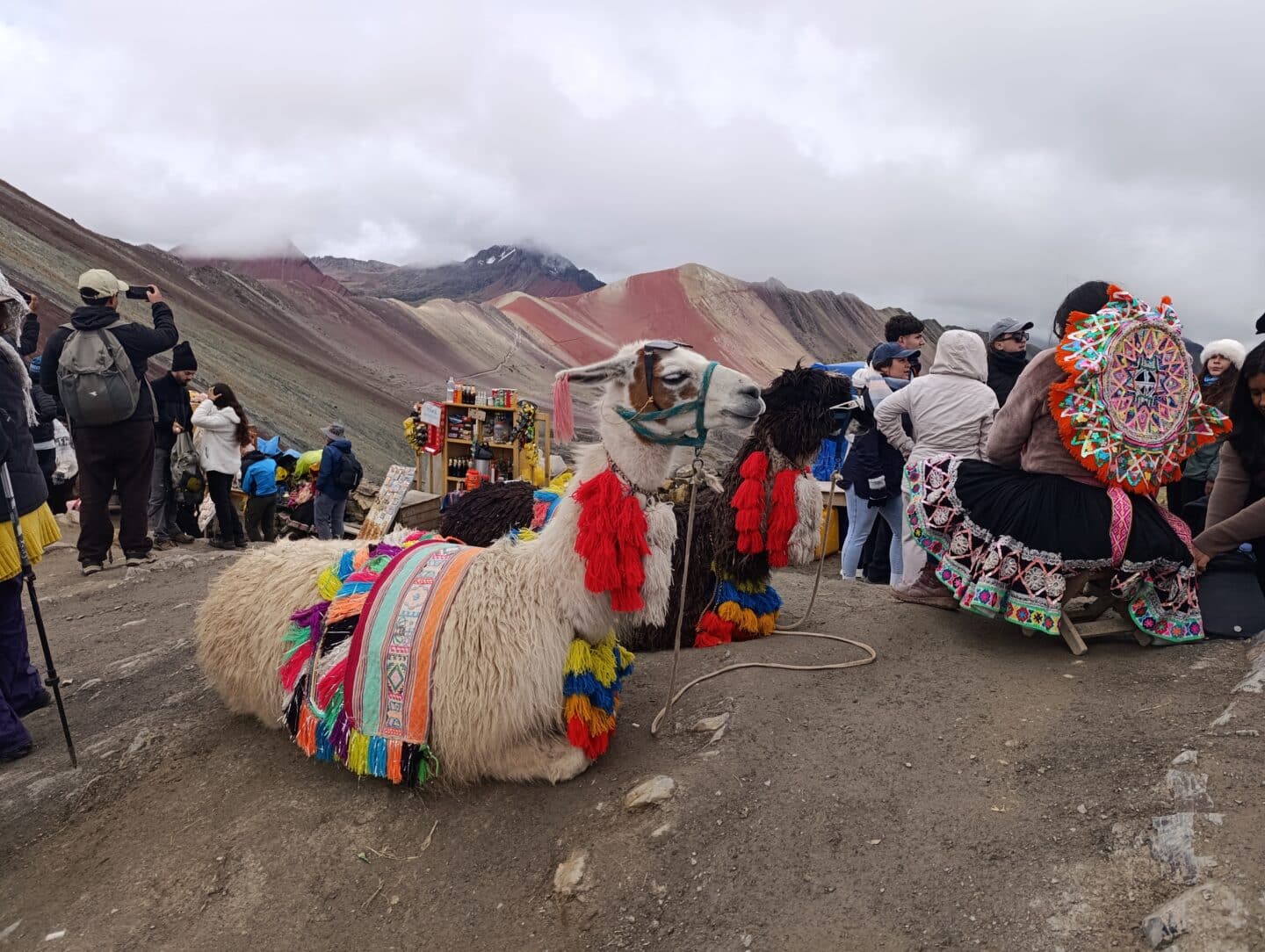
In Cusco itself, I was fine. I moved slowly. I drank what was offered to me. I gave my body two days before I asked anything of it. By the time I left for Rainbow Mountain on day four, I’d half-convinced myself I was the exception to the altitude rule. I was not. At 5,200 metres on the side of a mountain I’d been preparing for, my heart racing, my head splitting open, my ears ringing I learned what altitude can do to a body that thought it was ready.
So this section is less a guide and more a series of things that worked for me, and for the travellers I met along the way. Take what’s useful.
Coca leaves are everywhere in Cusco.
The first thing every restaurant brought me when I sat down was a small cup of coca tea. The first thing my Airbnb host left in our kitchen was a basket of coca leaves and a kettle. The first thing locals asked, when they noticed me looking a little pale or moving a little slowly, was “Have you had your tea?”
Coca tea mate de coca is woven into Cusco the way ginger tea is woven into a Jamaican kitchen. It’s everywhere. It’s free in most places. It’s grassy and slightly bitter, and it grew on me by the second cup. I drank it with breakfast. I drank it with dinner. I was offered it at the start of every tour and at the end of every museum visit. I never said no.
There are also coca-leaf sweets sold in small packs across the city for a couple of Peruvian Soles. I kept a few in my pocket on the longer walks. The sweets are what carried me through the harder stretches more than the tea did. Different people respond to different forms; find what works for your body.
One small thing worth knowing you can drink coca tea while you’re in Peru, but you cannot legally take coca leaves out of the country. Customs will confiscate it. Enjoy it while you’re there. Leave the leaves behind.
My saving grace on the mountain
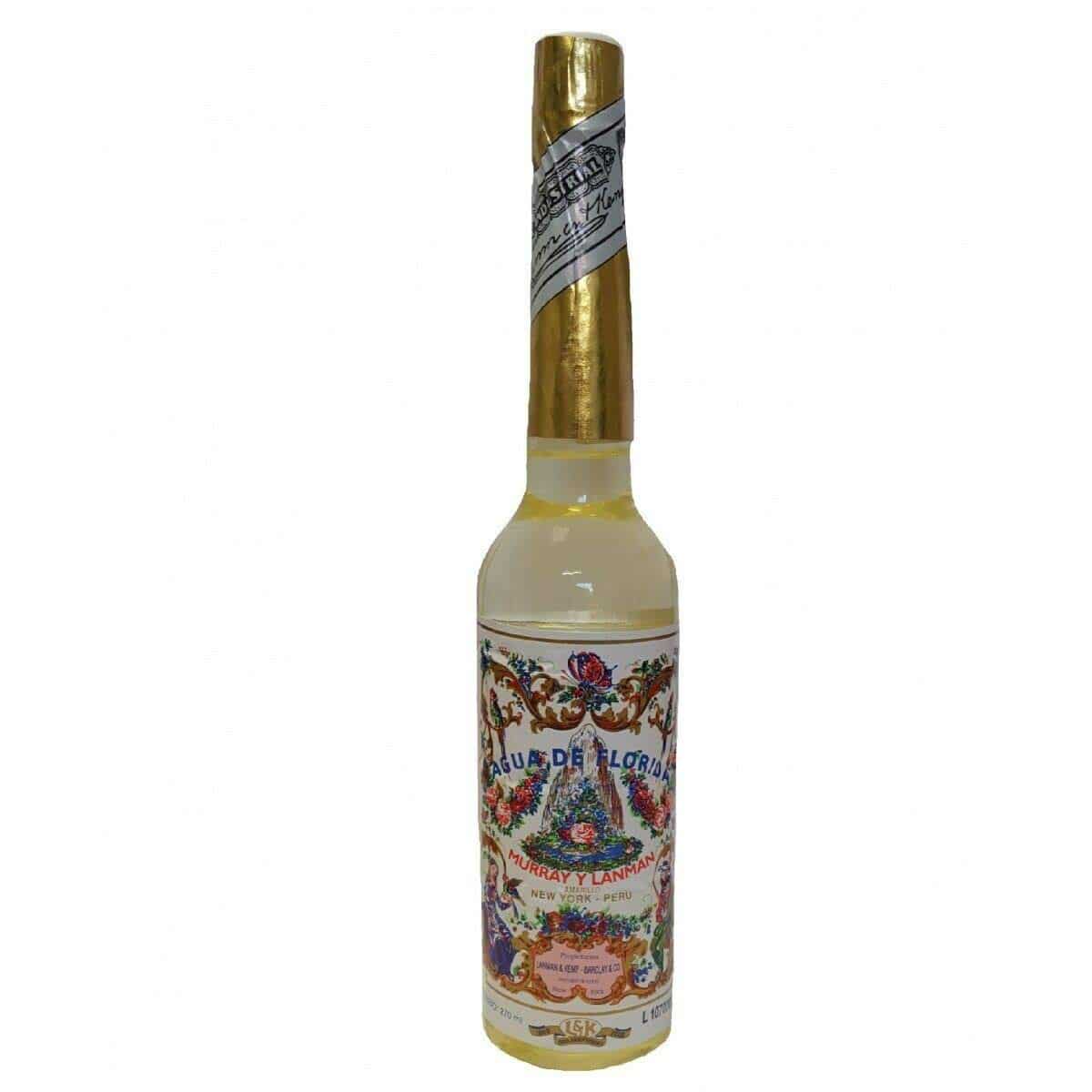
A friend who lives in Cusco gave me one of the best pieces of advice I got on the entire trip. Get a small bottle of Agua Florida, she said. Carry it with you everywhere.
Agua Florida is a Peruvian flower-essence water that locals use for spiritual cleansing. You can buy it for a few Peruvian Soles in any pharmacy or small shop in Cusco. On its own, it works. But on a previous trip, I’d carried a small bottle of rubbing alcohol for a similar purpose, and I decided to mix the two. I poured a little Agua Florida and a little alcohol over a small piece of cotton, sealed it in a ziploc bag, and kept it in my pocket.
The cotton stayed moist all day. Whenever I felt my heart racing or the ringing starting up behind my ears, I’d pull out the bag, hold the cotton close to my nose, and breathe deeply. Within a few seconds, something would shift. The clarity would come back. My breath would slow. I could keep walking.
I needed it most on Rainbow Mountain. There were moments on that climb where I genuinely believed I would have needed supplemental oxygen without it. Agua Florida is not a medicine I want to be clear about that, but it helped me, and almost every traveller I spoke to in Cusco who’d been around for a while had a small bottle of it somewhere in their bag.
Breathing the way the shaman taught me
On the descent from Rainbow Mountain, when I was struggling to walk fifty feet without stopping to catch my breath, one of our guides took the time to teach me something that stuck.
He was a practising shaman. He’d grown up in these mountains. And he told me, very gently, that I was breathing wrong.
Breathe in slowly through your nose, he said. Hold it. Hold it longer than feels natural. Then let it out slowly through your mouth.
The holding part was the part that mattered most, he explained. Because at altitude, your body is panicking, your heart racing because your brain isn’t getting enough oxygen, and the instinct is to gulp air fast and shallow. But fast and shallow doesn’t actually deliver more oxygen to where your body needs it. The pause between the breath in and the breath out is what gives the lungs time to actually transfer oxygen into the blood.
I tried it. Walked ten steps. Stopped. Did the breathing. Walked another ten. Stopped. Did it again.
It took me an hour and a half to walk down a slope that should have taken twenty minutes. But I walked it. And I credit a lot of that to a shaman on a Peruvian mountainside who took thirty seconds to teach a stranger how to breathe.
The 48-hour rule that saved my trip
What I found extremely helpful, based on my own experience and on conversations with every other traveller I met in Cusco, was giving my body 48 hours at altitude before I asked it to do anything serious.
The first time I came to Cusco, I was twenty-something and broke and on a mission. I flew in, did a tour the next day, and was at Machu Picchu within 72 hours of leaving sea level. I do not remember most of that trip. I think I was probably mildly sick the whole time without realising it.
This time, we landed on a Tuesday evening. We didn’t do anything that night beyond walking to dinner and getting back to the Airbnb. Wednesday and Thursday were slow days walking the city, drinking the tea, eating well, sleeping early. We didn’t do our first day trip until Friday, and Rainbow Mountain wasn’t until Saturday, five days after we’d landed.
That window of slow days made all the difference. Friends I met on the trip who flew in and tried to climb the day after arriving had genuinely difficult experiences. One woman threw up at the trailhead and had to turn back. Another spent the whole hike in tears. The ones who’d had a couple of days to acclimatise generally did better, even when they were less fit than the ones who hadn’t.
Your body adjusts. It just needs time.
A few other things I picked up along the way
There was a woman on my Rainbow Mountain bus who used a small mentholated rub under her nose to help her breathe. I didn’t try it myself, but she swore by it.
I took altitude sickness tablets the moment I landed in Cusco, not after I felt symptoms, but before. A friend on the ground had them ready for us when we got off the plane. By the time you start to feel altitude sickness coming on, you’re already behind it. Most travellers I spoke to had picked up tablets in Lima before flying up, or at a pharmacy in Cusco shortly after landing.
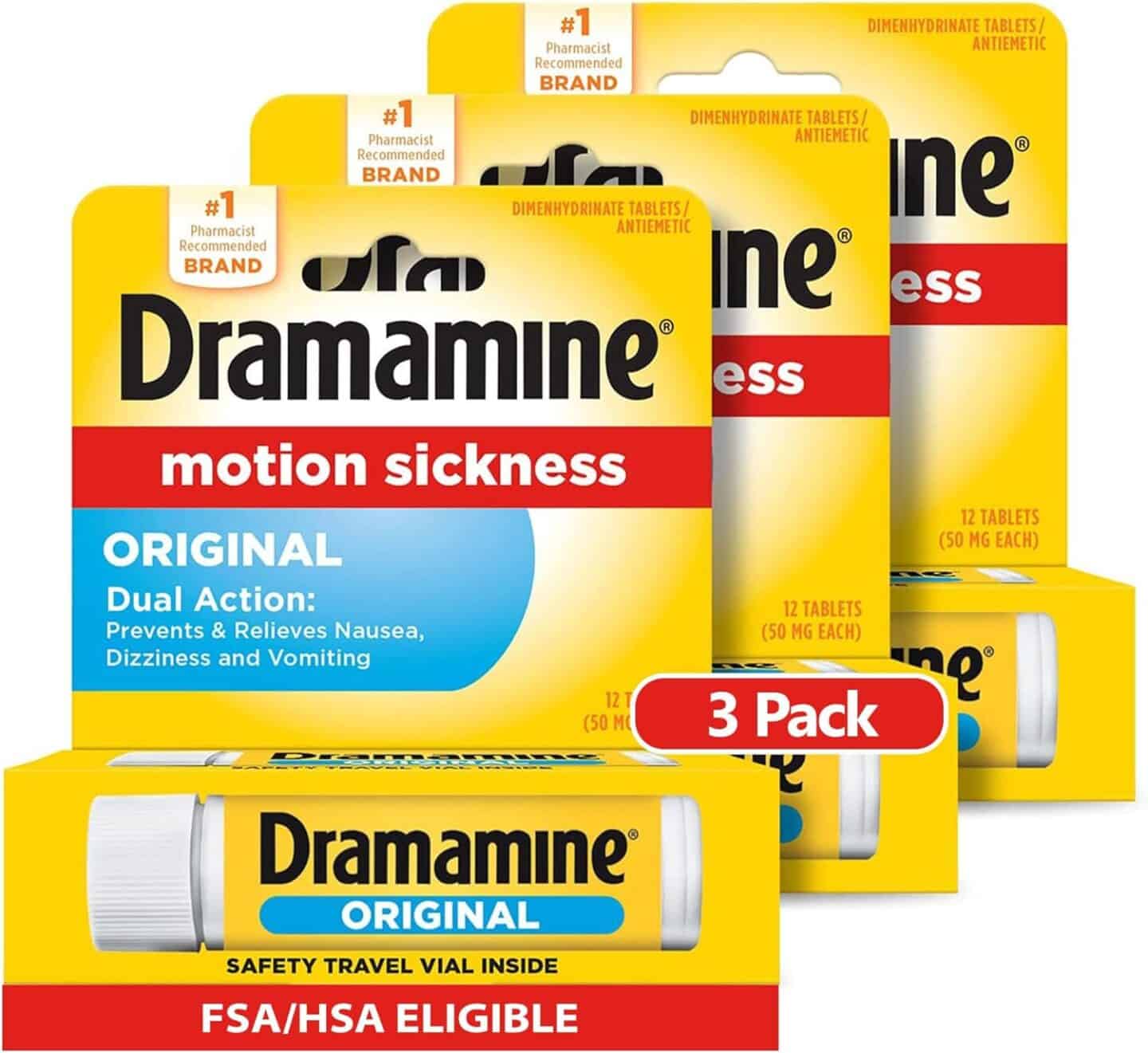
I drank a lot of water. I avoided alcohol on the first day. I ate lighter than I would have at home. I went to bed early. None of this is glamorous, and all of it helped.
I needed all of these things for Rainbow Mountain. I did not need any of them for Machu Picchu, which sits considerably lower than Cusco itself. Bodies adapt. Mine certainly did. The key was giving it the time and the support to do so.
Read More: High-Altitude Travel and Altitude Illness
Where to Stay in Cusco
Cusco is small, walkable, and genuinely full of beautiful places to stay. Picking the right neighbourhood matters more than picking the right hotel, so let me walk you through the options first, and then give you my picks at three price points.
The neighbourhoods
Centro Histórico (Plaza de Armas). This is the heart of Cusco. You’re walking distance from everything: the cathedral, the museums, the markets, the restaurants. The trade-off is the energy. The Plaza de Armas is touristy in the way every great square in the world is touristy.
People are trying to sell you tours, paintings, massages, walking tours, dinners, and just about everything else from sunrise to sunset. If you’re a person who enjoys energy and central convenience, you’ll love it. If you crave quiet, this isn’t your spot. This is also where I stayed in 2015, in a hostel, and it’s where I’d suggest first-timers stay if walking distance is the priority.
San Blas. Cusco’s bohemian, artsy neighbourhood is set on a hill above the Centro Histórico. Cobblestone streets, art galleries, cafés, and smaller boutique hotels. It’s a 10–15 minute walk down to the Plaza de Armas, and a longer walk back up that hill is not a joke at altitude. San Blas is what I’d suggest for slow travellers, photographers, and anyone who wants a softer atmosphere with character.
Avenida Ciprés (where I stayed). A residential, more local-feeling pocket about 15 minutes by car from the Plaza de Armas. I had a panadería on the corner, a small tienda nearby, an ATM within five minutes, and fruit stalls between my Airbnb and the centre. It’s quieter, cheaper, and gives me a feeling of actually living in Cusco rather than just visiting. If you’re staying for a week or more and you don’t mind a 15-minute walk into the centre, I’d genuinely recommend this neighbourhood.
My picks across three price tiers
Luxury / Boutique. For travellers who want oasis-like calm, design-forward rooms, and the kind of breakfast you remember. Best in San Blas or just off the Plaza.
Mid-range. Comfortable, well-located, with reliable hot water and reliable Wi-Fi. The version of “nice” that feels well-considered without feeling expensive. Best in Centro Histórico or San Blas.
Budget. For backpackers and slow travellers on tighter budgets. Cusco has some of the best-rated budget accommodation in South America, with clean rooms, friendly hosts, and breakfast included for under $30 a night.
A practical note. Cusco is a city of stairs. If you have mobility concerns or you’re travelling with someone who does, ask the property directly about how many flights of stairs are involved before you book. Not all properties are upfront about this on their listings, and at altitude, a third-floor walk-up that wouldn’t bother you in Kingston will absolutely bother you in Cusco.
Things to Do in Cusco
The day trips get most of the attention: Machu Picchu, Rainbow Mountain, the Sacred Valley, and they should. But Cusco itself is a city worth slowing down for. Here’s what I did and loved across two slow days, and the spots I’d send a friend to without hesitation.
Plaza de Armas + the Cathedral.
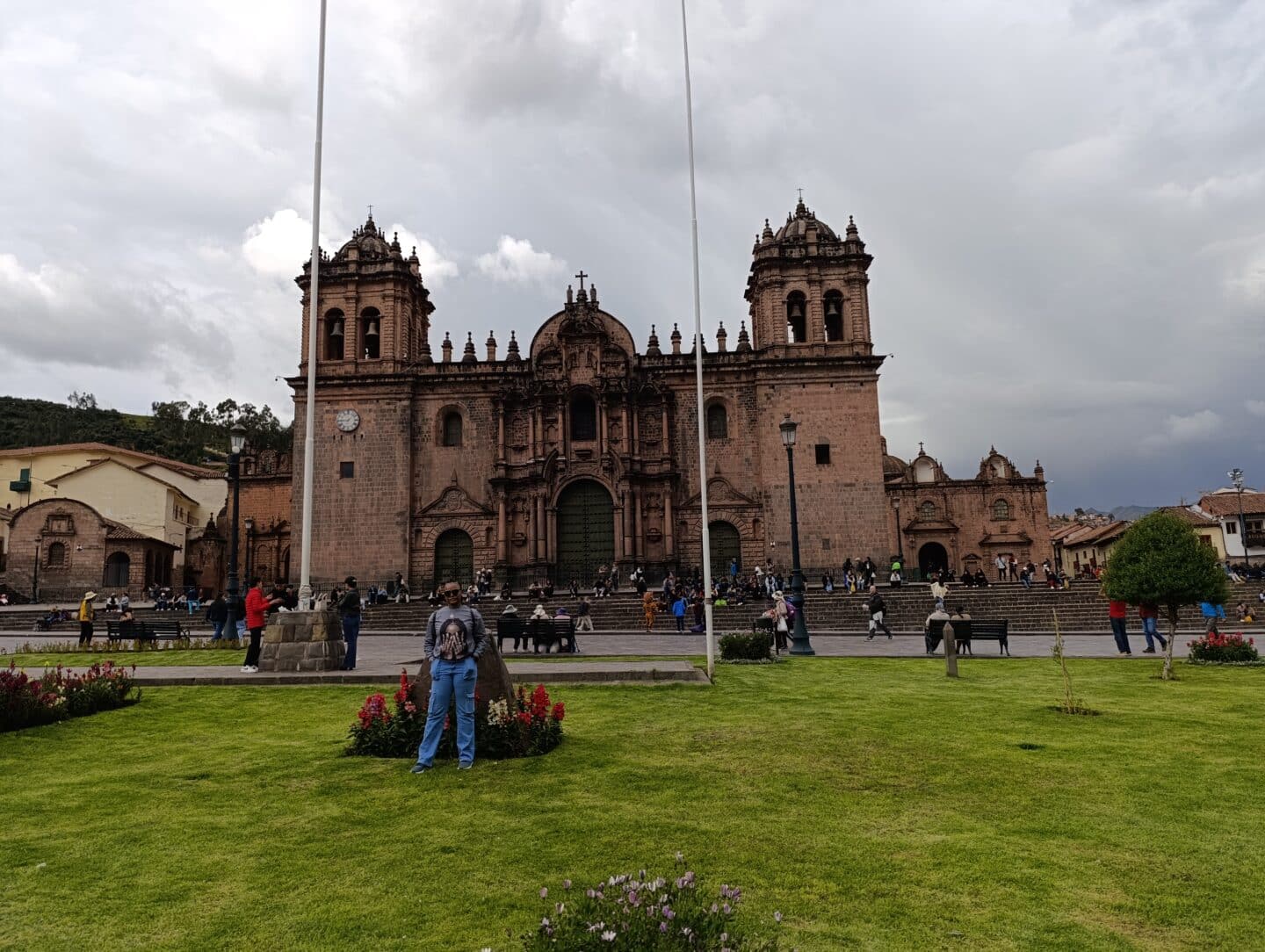
The heart of the city. The cathedral is enormous, an entire city block of Spanish colonial stone built directly over an Inca palace and the inside is genuinely breathtaking. The plaza itself is at its most beautiful in the late afternoon, when the light hits the cathedral, and everything goes gold. I’d recommend going early in the morning to walk it quietly, and again at sunset for the colour. Just know that the closer you get to the centre, the more people will offer you services, paintings, and tours. A polite no, gracias, and a smile gets you through.
Mirador de San Cristóbal.
A 10-minute walk uphill from the Plaza, on the way to San Blas, the mirador gives you one of the best free views of Cusco. The whole city spreads below terracotta rooftops, the green hills wrapping around it, the cathedral anchoring the centre. I’d suggest doing this walk slowly. Take coca candies. Stop. Breathe. The view is the reward, but the walk is part of the point.
Óvalo Monumento Inca Pachacútec.
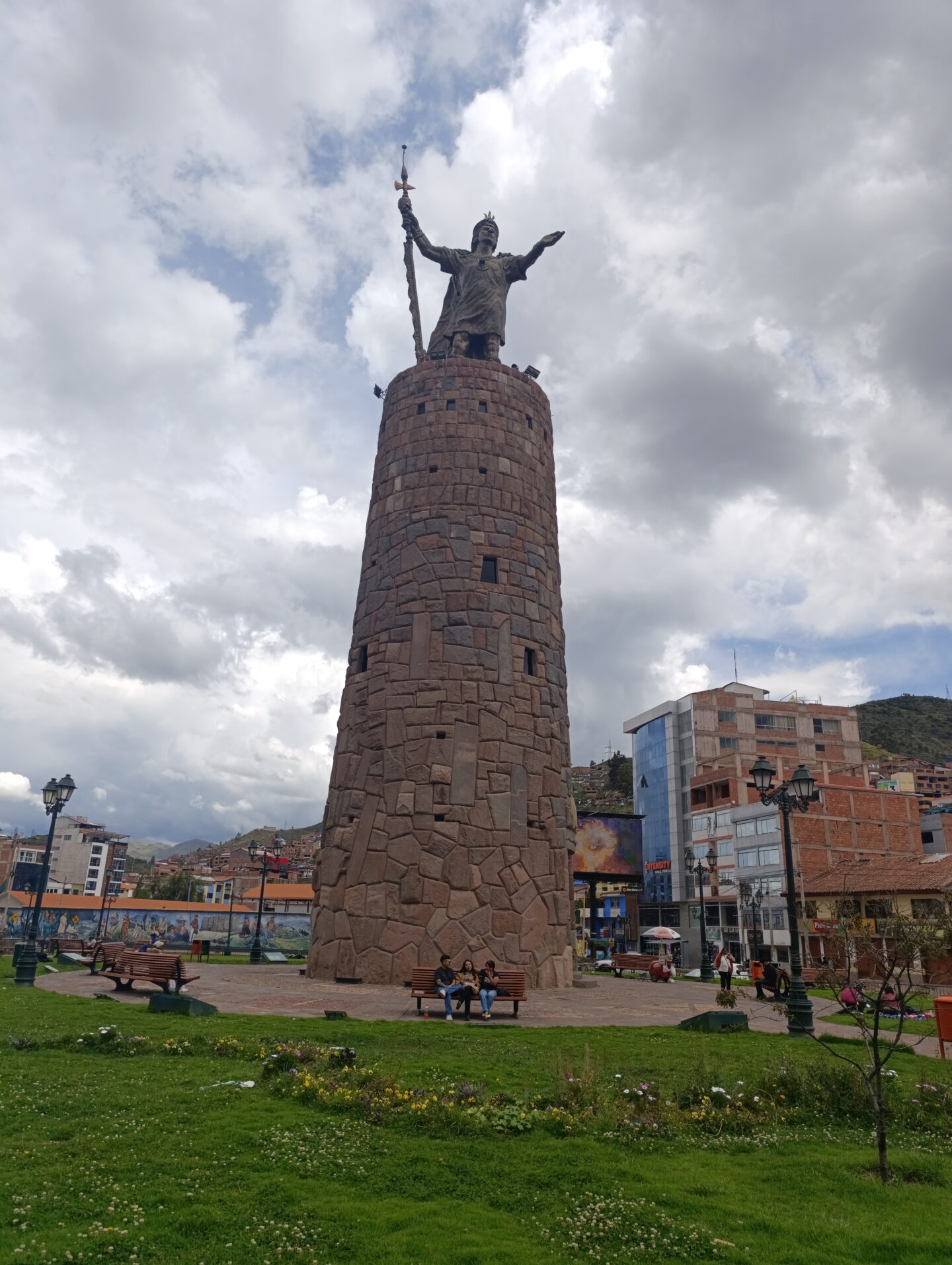
Five Peruvian Soles per person to climb to the top of this monument honouring the great Inca emperor Pachacútec, and worth every centimo. The view from the top is panoramic, the climb is short enough not to wreck you at altitude, and the small museum on the lower levels is a quiet, well-curated introduction to Inca history. I’d suggest it on Day 1; it sets the historical frame for everything else you’ll see.
Capilla de San Ignacio de Loyola.
A smaller, often overlooked Jesuit chapel just off the Plaza de Armas, with extraordinary baroque interiors. If you’ve already seen the cathedral and want something quieter and more intimate, this is where I’d send you.
Templo de San Blas.
The neighbourhood of San Blas takes its name from this small church, which sits at the top of the hill the neighbourhood climbs. The walk up is steep, earn it slowly, and the church itself has a famous wooden pulpit carved from a single piece of cedar, which is the kind of detail that lands harder when you’re standing in front of it than when you read it on a list.
Piedra de los 12 Ángulos y Calle Loreto.
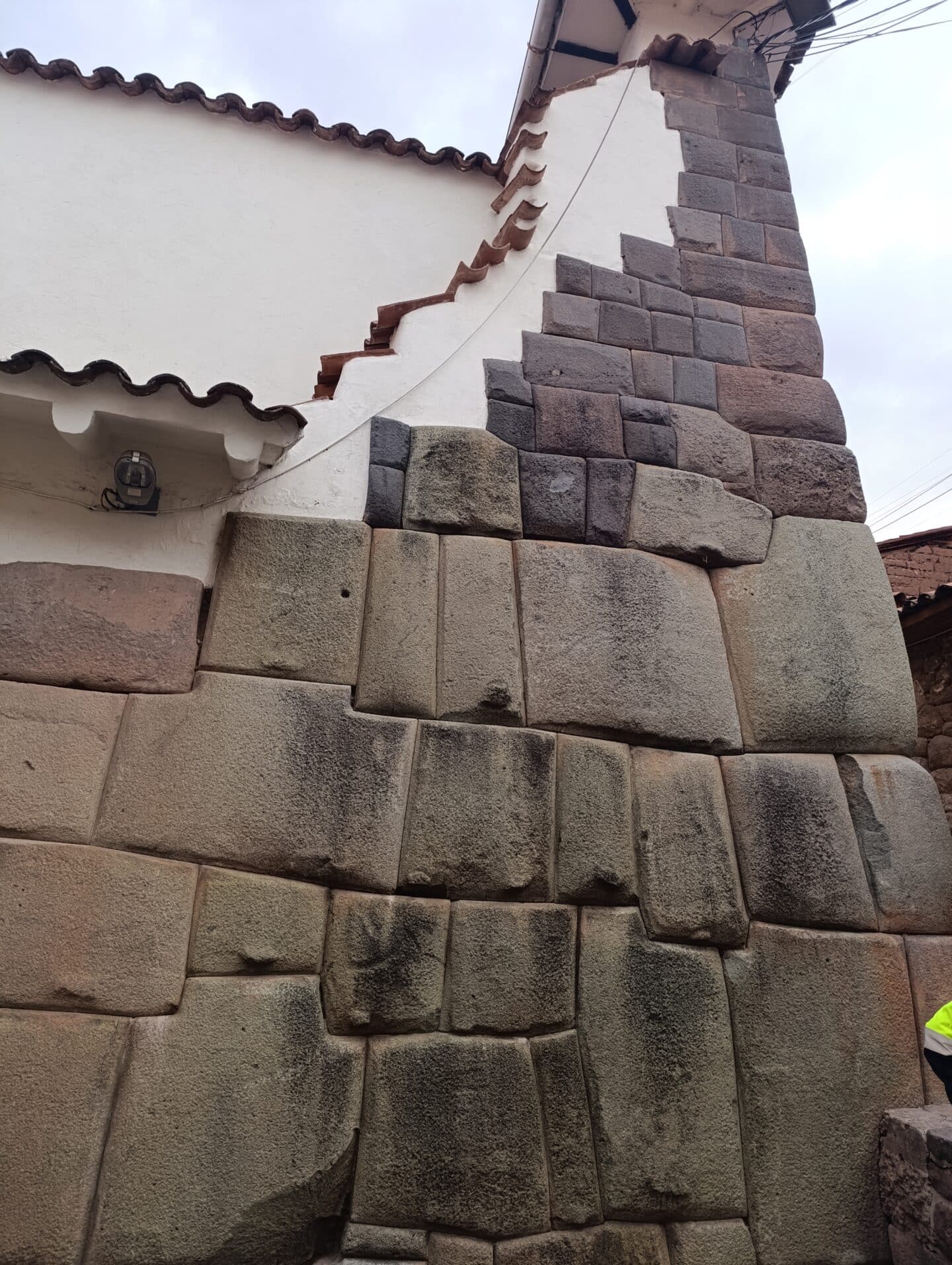
This is where Inca craftsmanship lives and breathes. The famous twelve-angled stone, la Piedra de los Doce Ángulos, is set into a wall on Calle Hatun Rumiyoc, fitted so precisely against the surrounding stones that you cannot slip a piece of paper between them. Down the corner, Calle Loreto runs alongside one of the longest unbroken Inca walls in the city. Walk slowly. Touch the stones if you want to. They were placed there 600 years ago, and they have not moved.
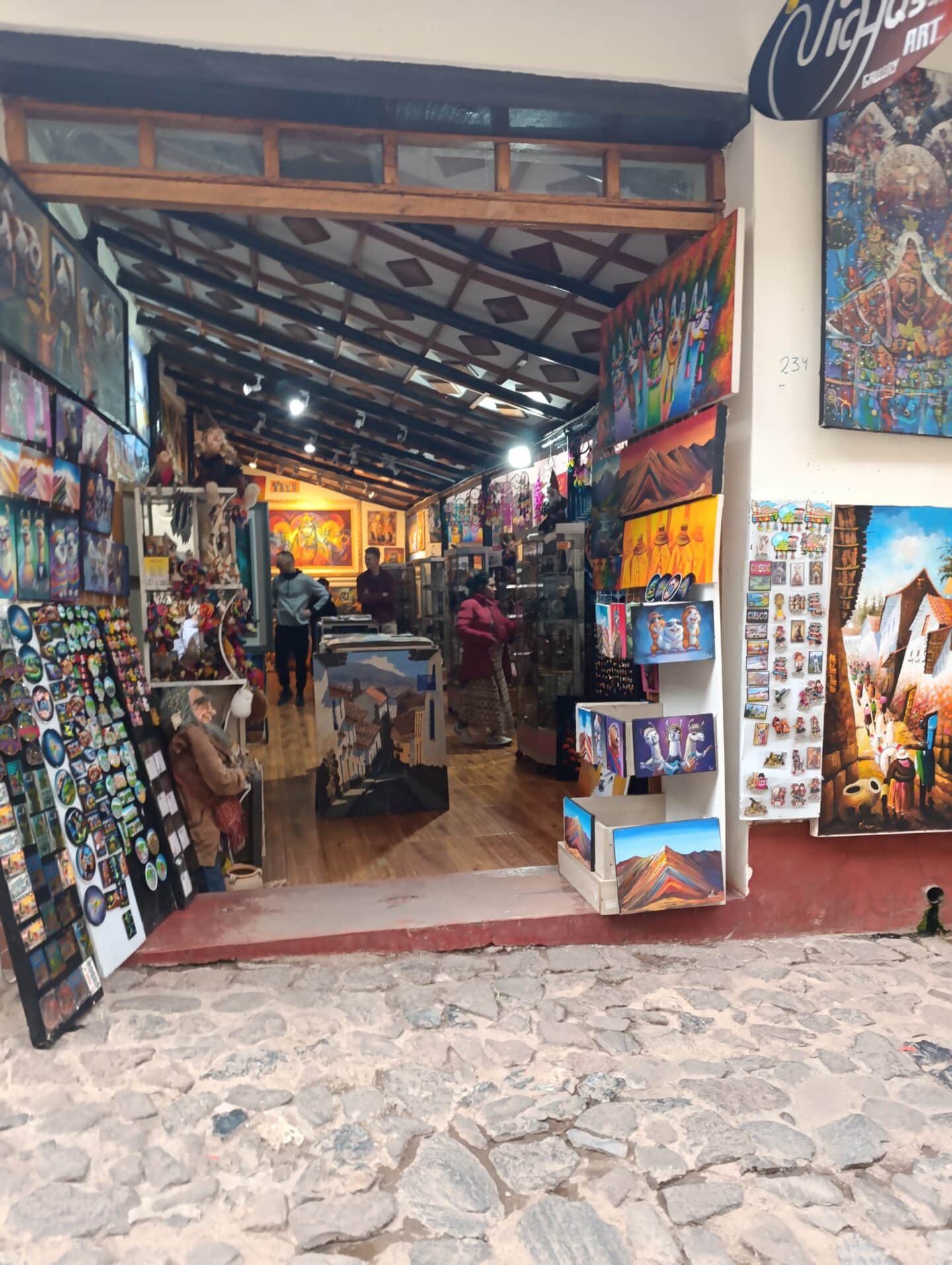
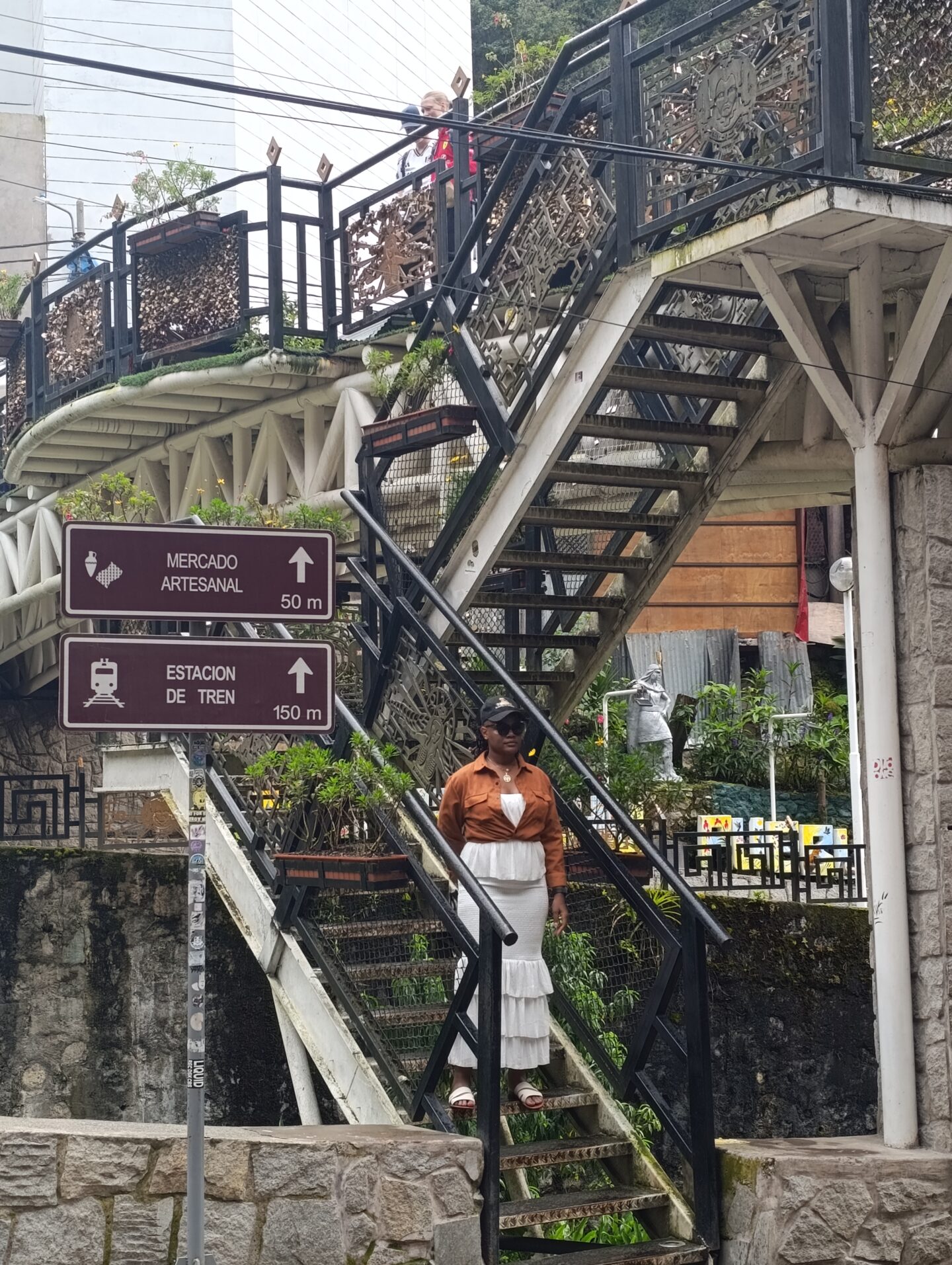
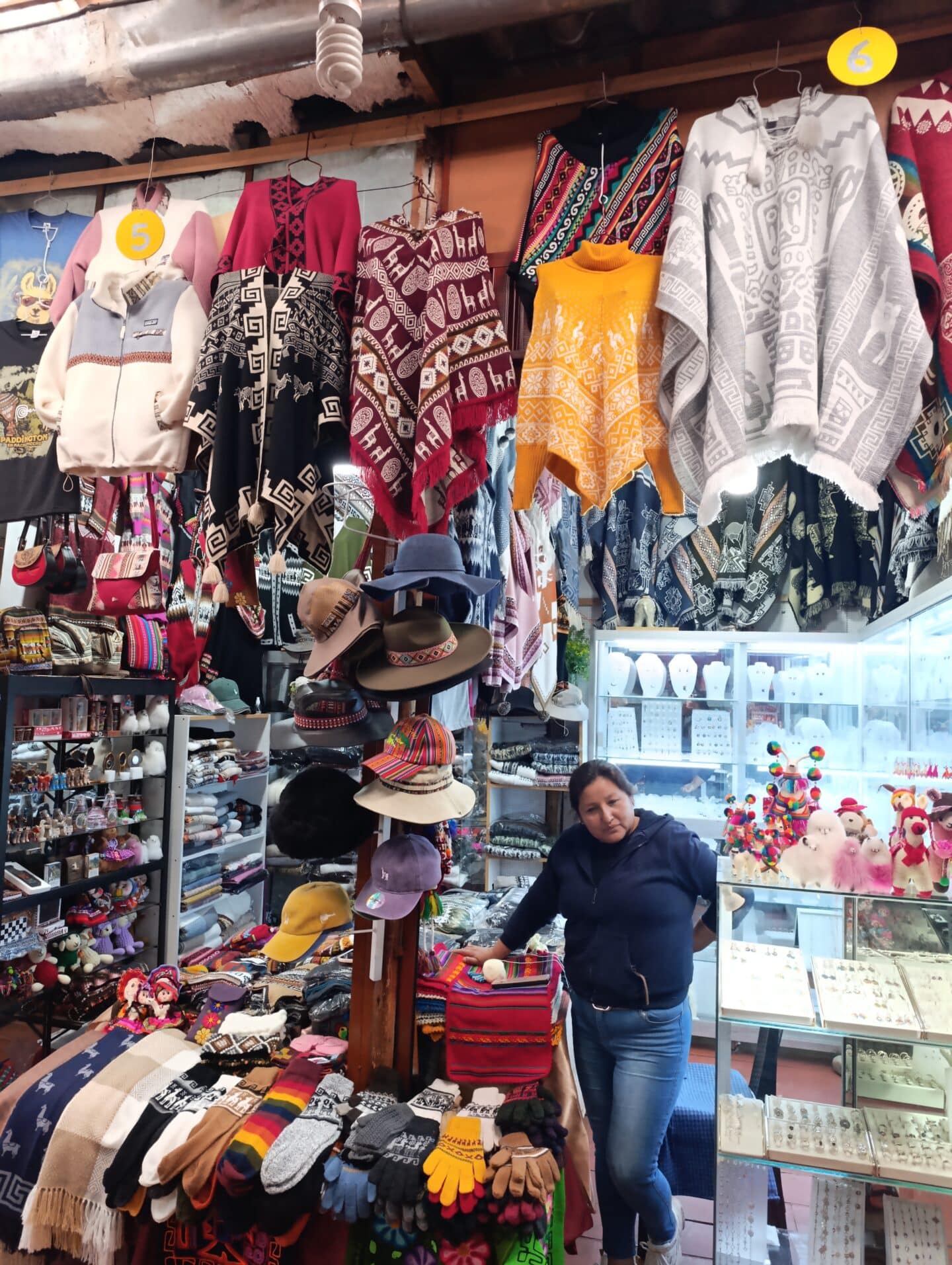
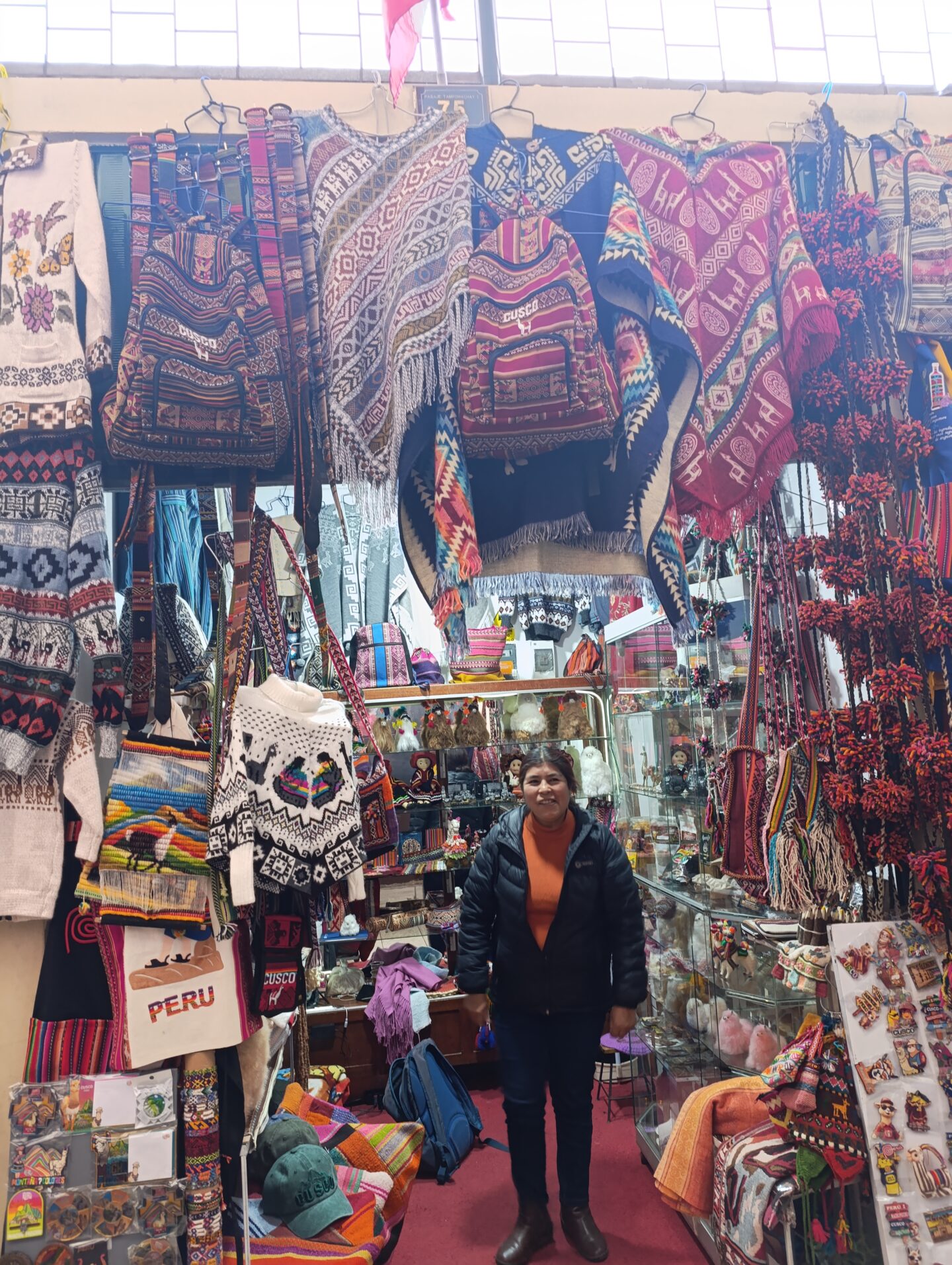
Mercado Artesanal. There are two of these on Avenida El Sol, the main street that climbs from the lower city up to the Plaza de Armas. The first is the Centro Artesanal Cusco, which sits just before a small park called La Pacha. This is the bigger one, with multiple floors of stalls. Continue further up Avenida El Sol, and you’ll hit the second, smaller version. I bought my poncho at the Centro Artesanal for 76 PEN, hand-woven, from a lovely woman who took a picture with me. She’ll be in your camera roll for years. You’ll wear the poncho for years. If you only buy one souvenir from Cusco, I’d suggest a poncho. They’re warm, they pack flat, and every time you put them on, you’ll be back in the market.
La Morada de los Dioses. A more contemporary stop at a beautifully curated space mixing Andean art, jewellery, and design. Worth wandering through if you’ve already done the artisan markets and want something more refined.
If you have only one full day in the city, I’d suggest: morning at El Ovo and the cathedral, lunch near the Plaza, afternoon walking up to San Blas via Mirador de San Cristóbal, and the artisan market on the way back down.
If you have two full days, add the smaller chapels, Calle Loreto and the twelve-angled stone, and a slow morning in a café in San Blas.
The Boleto Turístico de Cusco: What It Is and Whether You Need It
Most Cusco travel guides skip past this, and I think that’s a missed opportunity because the Boleto Turístico de Cusco is one of the most useful and most confusing pieces of the trip-planning puzzle.
Here’s what it is. The Boleto Turístico is a single ticket that gets you entry to multiple Cusco-area cultural and archaeological sites. There are two versions:
The Full Ticket (approximately 130 PEN per person, valid for 10 consecutive days) covers 16 sites, including everything in the Sacred Valley plus the four big sites just above the city: Sacsayhuamán, Qenqo, Puca Pucara, and Tambomachay.
The Partial Ticket (70 PEN per person, valid for 1 or 2 consecutive days depending on which circuit you buy) covers four sites: Pisac, Ollantaytambo, Moray, and Chinchero, all in the Sacred Valley.
I bought the Partial when I got to Moray on the Sacred Valley day trip, and I only used it for Moray itself. Here’s what I learned from that experience.
The four sites on the Partial are not close to each other. They’re spread across the Sacred Valley, and they all close in the late afternoon. Pisaq runs from 8 am to 4 pm, Ollantaytambo 7 am to 5 pm, Moray 8:30 am to 5 pm, and Chinchero 7 am to 6 pm. If you’re hoping to see all four in two days on the partial ticket, you’ll be running. Most travellers see one or two of them on a single Sacred Valley day trip and don’t get the full value of the ticket.
A few things to know about the ticket itself. It’s non-refundable. It’s not transferable, so don’t write someone else’s name on it. It expires on the date stamped, no extensions. If you lose it, they cannot replace it. You can only use it once at each site.
If you’re booking a Sacred Valley tour through an operator, ask whether the Boleto is included in the tour price or whether you’ll need to buy it separately at the site. If you’re seeing only one or two sites, the standalone entry fees will probably work out cheaper than the Partial. If you’re seeing three or four and you have the time to do them properly across consecutive days, the Partial pays for itself.
The Full Ticket is genuinely worth it for slow travellers who want to take their time across both the city’s nearby ruins and the Sacred Valley over a week or so. If you’re in Cusco for 5 days or fewer, I’d skip the Full and either buy the Partial or pay site by site.
I’ll be honest about my mistake here. I didn’t know the Boleto existed until our tour bus pulled up to Moray and the guide explained it. By then, my window was small, and I only got value out of one site. If I’d known going in, I’d have planned differently. That’s the post I wish someone had handed me before I booked.
Day Trips From Cusco
Cusco is where you base yourself, and the day trips are most of why people fly here in the first place. There are three big ones, and each deserves its own dedicated post, which is exactly what I’m writing for them. Here’s a brief introduction to each.
Sacred Valley + Maras Salt Mines
The Sacred Valley spreads east of Cusco, with green terraced hillsides, ancient agricultural ruins, and small villages where people have been weaving and farming the same way for centuries. We did this as a single-day trip, and the day was long, full, and beautiful.
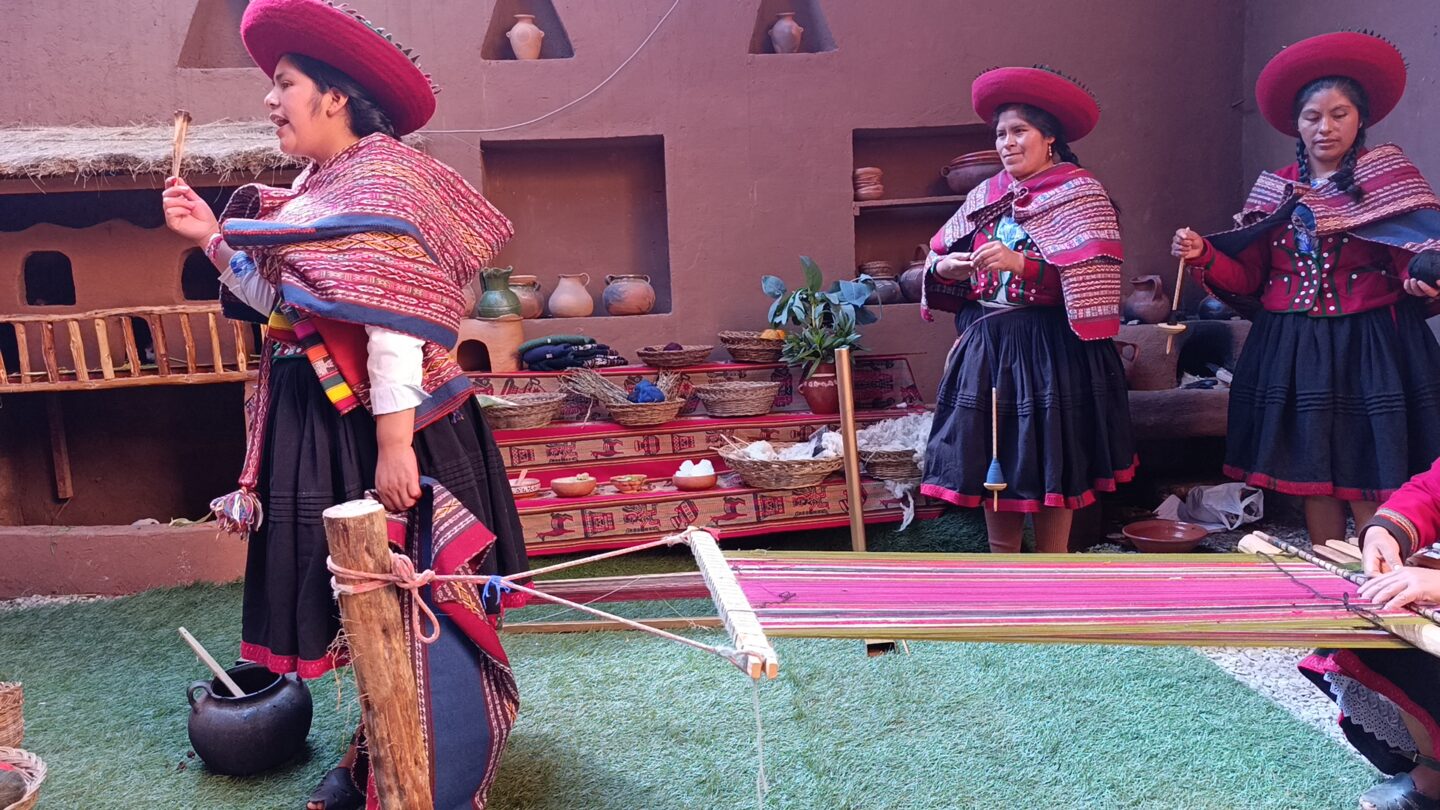
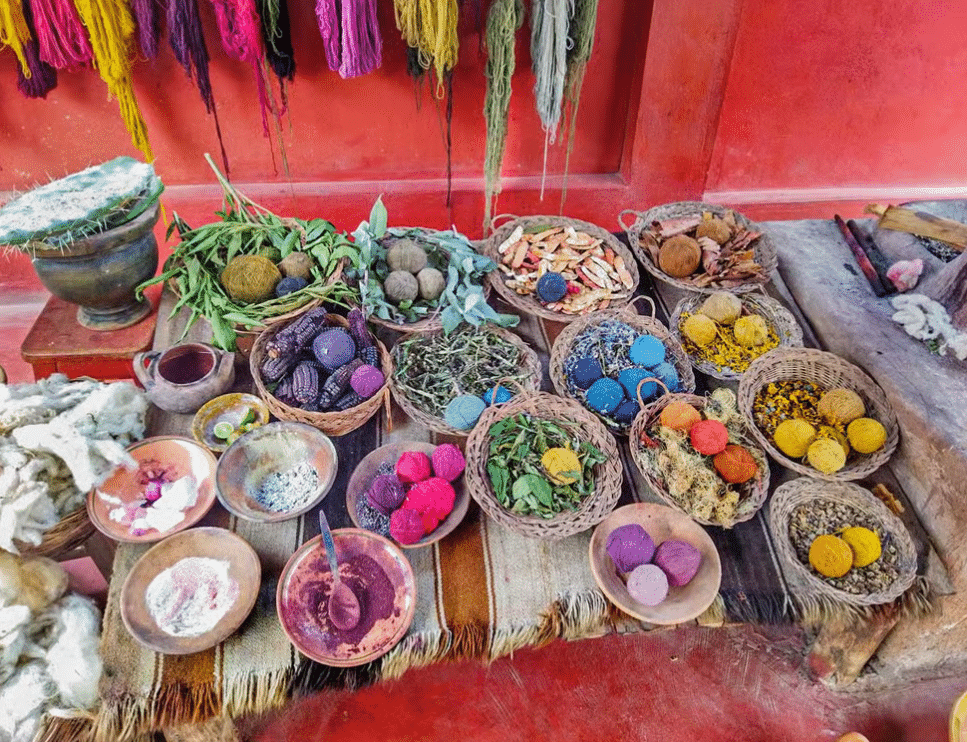
The highlights for me were Maras, those impossibly white salt evaporation ponds carved into the side of a mountain and Moray, the circular agricultural terraces the Incas used to test crops at different altitudes. We also stopped at a small family operation where two women showed us how they spin alpaca fibre into yarn, dye it with natural plants and minerals, and weave the sweaters and blankets they sell. I bought a sweater and a poncho there. I’d buy more if my luggage allowance had let me.
Sacred Valley tours run from Cusco daily, with most leaving around 7 am and returning by late afternoon. We paid 140 PEN for two people for the tour, plus a separate 40 PEN entrance fee for the salt mines.
Rainbow Mountain
Rainbow Mountain almost broke me. I went up on a horse, walked down on my own legs, and used every altitude trick I had to make it back to the bus.
It also gave me one of the most extraordinary landscapes I have ever seen, a sweep of striped mountainside in red and ochre and turquoise that genuinely doesn’t look real, with the snow-capped peak of Ausangate visible in the distance. It is also one of the hardest things I’ve done at altitude, and I went in the wet season, which is not the season I’d choose if I went again.
Most tours leave Cusco around 4 am and return by mid-afternoon. We paid roughly $30 USD per person for the tour booked through Viator, plus a 30 PEN per person entrance fee at the trailhead. Horses up are around 100 PEN extra and I would suggest budgeting for one if you’re not sure about the climb.
Aguas Calientes + Machu Picchu
Of all the things you could do from Cusco, this is the one most travellers come for. It’s also the one you cannot do as a single-day trip it’s a two-day, one-night experience involving a bus to Ollantaytambo, a train to Aguas Calientes, an overnight stay, a bus up to Machu Picchu, and the whole journey in reverse.
I’ve done Machu Picchu twice now. The first time, in 2015, I figured everything out on my own as a backpacker. The second time, this March, I went with Inca Rail and a guided tour. Both ways work. The slower way meant something different to me.
We paid roughly $269 USD per person for the full Inca Rail round trip bus from Cusco to Ollantaytambo, train from Ollantaytambo to Aguas Calientes, the bus up to the citadel, and everything in reverse the next day. The premium 360 carriage was worth it for the views and the small ceremony they did with a shaman on the way up.
Full post: How to Do Machu Picchu Peru
The Best Tours and Experiences in Cusco
If you’re trying to figure out which tours are worth the money before you book, here’s a quick comparison of the experiences I’d recommend, ranked by who they’re best for. Each one in this list is something I either did, almost did, or would book on my next trip.
| Experience | Best for | Price (USD) |
| Machu Picchu via Inca Rail | Comfort, families, slow travellers | $200–$300 |
| Sacred Valley + Maras + Moray | First-timers, history lovers | $20–$50 |
| Rainbow Mountain | Adventure, photographers | $30–$80 |
| Cusco walking tour | History nerds, Day 1 acclimatisation | $10–$25 |
| Pisco + Peruvian cooking class | Foodies, couples, slow days | $30–$60 |
| Sacsayhuamán + ruins above Cusco | Half-day acclimatisation | $15–$30 |
A small note on booking strategy. If you’re already buying the Boleto Turístico Full Ticket, the Sacsayhuamán visit is already covered you just need a guide or audio guide on site. The walking tour is one I’d genuinely suggest doing on Day 1 of your acclimatisation, not Day 4. It’s slow-paced, you’re at the city’s altitude rather than higher, and a guide will give you context that makes everything else you see across the trip land more deeply.
If you’re trying to keep costs down, prioritise Sacred Valley and Machu Picchu. If you have the budget and the time, the cooking class is the experience most travellers I met said they wished they’d done.
What to Eat in Cusco
Cusco eats well. Better than I’d expected, actually, I’d come into this trip thinking of Lima as the food city and Cusco as the altitude city, and I was wrong. There’s a depth to Cusco’s cooking that draws on Inca tradition, Spanish colonial history, and waves of Asian and European immigration over the centuries. Here’s what I’d want a friend to eat if they were spending five days here.
The smoked rotisserie-style chicken. This was the meal I came back to more than once. The Peruvian version of pollo asado is smoked over wood, served with a small mountain of crispy potatoes, salad, and an aji sauce that will ruin you for other hot sauces. I bought a whole bird with sides for 60 PEN, and it lasted me three meals across two days. If you see a place advertising pollo a la brasa with smoke coming from the back, sit down.
Alpaca. I’d never tried alpaca before this trip. It’s leaner than beef, slightly sweeter, with a tenderness that comes from how it’s traditionally cooked slowly, with herbs from the highlands. My friend ordered alpaca at our birthday dinner, and I tried a piece off her plate. I’ve been thinking about it since. Most decent restaurants in the historical centre have alpaca on the menu. It’s worth ordering at least once.
Cuy. I didn’t try guinea pig, and I’ll be honest about why I’ve seen the dish presented whole, with the head and feet still attached, and I wasn’t ready. But cuy is a genuine Peruvian delicacy, prepared in homes and restaurants for hundreds of years, and travellers I met who tried it had positive things to say. If you’re more adventurous than I am, several restaurants in San Blas serve it.
Coca tea, everywhere. As I mentioned earlier, this comes free at most restaurants and Airbnbs. Drink it. Enjoy it. Leave the leaves in Peru.
The birthday dinner. Our birthday dinner was at [INSERT RESTAURANT NAME], near the Plaza de Armas in the centro histórico. We sat outside, the staff brought out beautiful Peruvian blankets to wrap over our legs because it gets cold in Cusco at night, and the food was extraordinary. My friend had an alpaca, I had a salmon dish I still think about, and they brought out a cake with candles for my friend’s birthday. The ambience was as good as the food, which is rare. If you’re celebrating something in Cusco, this is where I’d send you.
Chinese-Peruvian. Lima gets all the credit for chifa, the Peruvian-Chinese fusion that’s its own genuine cuisine but Cusco has its own small chifa scene too. We had lunch at one not far from the Mercado Artesanal for 26 PEN total for two people, and a small dog wandered in off the street and sat under my chair until the owner came over and asked, very politely, “is this your dog?” It was not my dog. The dog stayed anyway.
A practical note worth knowing most restaurants in Cusco close by 10 pm. This caught us out on the birthday dinner. We’d planned to arrive late and linger over dessert, and the staff started gently signalling closing time before we’d finished the cake. Eat earlier than you would in Lima. The kitchens shut.
How Much Does a Trip to Cusco Cost?
Cusco is one of the more affordable bases in South America for what you actually get. Tours are reasonable, food is cheap, accommodation runs the full range from $15 hostels to $400 boutique hotels, and the soles-to-dollar exchange rate is friendly to travellers from most countries.
Here’s what I spent across six days, broken down per person on the cheaper-but-comfortable end of the scale.
| Cost Item | Approximate Price (USD) |
| Round-trip flight Lima → Cusco (Sky Airlines) | $80–$150 |
| Sky Airlines checked-bag fee (each direction) | $44 each way / $88 total |
| Airbnb in Avenida Ciprés (per night, twin share) | $25–$40 |
| Sacred Valley + Maras tour | $20 |
| Salt mines entrance fee | $3 |
| Rainbow Mountain tour (via Viator) | $30 |
| Rainbow Mountain entrance fee | $4 |
| Boleto Turístico Parcial | $19 |
| Inca Rail round trip + Machu Picchu bus + entry | $269 |
| Average meal (mid-range restaurant) | $5–$12 |
| Massage (1 hour, full body) | $10 |
| Souvenirs + handmade poncho + sweater | $40–$80 |
| Daily transport (Uber + walking) | $3–$5 |
| Total per person, 6 days, comfortable budget | $700–$900 USD |
A few things to note from this breakdown.
The Inca Rail / Machu Picchu portion is the single biggest line item by far. If you’re on a tight budget, this is where most of your money goes. There are cheaper trains and cheaper Machu Picchu options booking direct with PeruRail or doing the longer hike on the Inca Trail can change the maths considerably.
Food and local transport are remarkably cheap. A good lunch in Cusco runs around 25 PEN ($7 USD). Uber rides are 7–10 PEN. A full meal that lasts multiple days, like the smoked chicken I bought, was 60 PEN ($16 USD).
Tours are surprisingly affordable for what you get. The Sacred Valley tour for two people was 140 PEN total, about $20 USD per person for a full day with transport, guide, and stops at multiple sites. Rainbow Mountain was similar.
The thing nobody warns you about. Sky Airlines charged us $44 USD per person per direction for a checked bag we’d assumed was included. That’s $176 USD for two people, round trip, on a fee we could have avoided by booking the right fare class. Read the fine print on whichever airline you choose.
If you’re travelling on a tighter budget, you can absolutely do Cusco for $40–$50 USD per day, not including the Machu Picchu trip. If you want to slow down, eat well, and stay somewhere lovely, plan on $80–$120 per day. The Machu Picchu portion will add roughly $250–$300 on top of that, however you slice it.
When Is the Best Time to Visit Cusco?
Peru has two seasons, wet and dry, and the difference between them in Cusco is significant.
The dry season runs from May to September. Cool, sunny days. Cold nights. Reliable weather. This is peak tourist season for a reason. Rainbow Mountain is at its best, the Sacred Valley is at its driest, and you can plan your day trips with reasonable confidence that the weather won’t ruin them.
The wet season runs from November to March. Rain, sometimes heavy. Mornings can be clear, and afternoons can be soaking. Tour operators may cancel or reschedule. The crowds are thinner. The colours are greener. The prices are softer.
I went in March the tail end of the wet season, and I had a beautiful trip, but the rain came close to costing me Rainbow Mountain. Our guide told us that the day before we climbed, snow and rain had reduced visibility so badly that travellers couldn’t see the mountain at all. We got lucky with our day. Travellers a day earlier did not.
If I were planning my next trip, I’d go in June or July. Coldest nights, driest days, longest stretches of clear weather, and the best chance of hitting Rainbow Mountain on a perfect afternoon.
If you have to go in the wet season work schedule, school holidays, whatever, bring a rain poncho, an umbrella, and a flexible attitude.
What I Wish I’d Known Before I Went
A few small things that would have made my trip easier if I’d known them earlier.
- Buy your altitude sickness tablets in Lima before you fly to Cusco. Or have a friend on the ground with some ready. By the time you’re feeling altitude, you don’t want to be hunting a pharmacy.
- The Boleto Turístico de Cusco. And it’s cheaper than buying entries individually if you’re seeing three or more sites. I bought mine mid-trip at Moray and only got value from one site. Plan for it before you book.
- The train from Ollantaytambo to Aguas Calientes has strict luggage limits. Small daypacks only. Most hotels in Cusco will store your larger bag for the two days you’re at Machu Picchu, but knowing this beforehand prevents a panicked repack at the train station.
- Most restaurants close by 10 pm. Eat earlier than you’d plan to in Lima.
- Watch out for Cusco taxi drivers. Know the rough fare before you get in (8–15 PEN for most short rides in the centre), and don’t be afraid to push back gently if the price quoted is far above that.
- Carry small Peruvian Soles always. Bathrooms cost 1–2 PEN almost everywhere. Local taxis. Small market purchases. Tips. Cards work in most restaurants and hotels, but cash is king for the small things.
- Get a massage on your last day. We paid 70 PEN for two people for a full hour, and it was the best 70 PEN of the entire trip. After Rainbow Mountain and Machu Picchu and a week of 20,000-step days, my body was wrecked. The massage made the flight home livable.
- Don’t rush. Cusco rewards slow movements. The travellers I met also shared that moving more slowly definitely helps
Frequently Asked Questions
How many days do you need in Cusco?
3 days minimum if you’re rushing through Peru. 5–6 days is what most travellers will want for a comfortable trip with the major day trips. 7+ days if you want to slow-travel the city itself.
Is Cusco better than Lima?
They’re different. Lima is Peru’s coastal capital, with food, culture, and the international airport. Cusco is the Andean former Inca capital, with altitude, history, and the gateway to Machu Picchu. Most travellers spend time in both. If you only have a week, Cusco gives you more bang for the buck.
How do you get from Lima to Cusco?
Most travellers fly. The Lima–Cusco flight takes about 90 minutes, runs daily on LATAM, Sky, and JetSmart, and is the only practical option for short trips. Buses take 21+ hours and only make sense if you’re slow-travelling and want to see the country in between.
Is Cusco safe for solo travellers?
Yes. Cusco is one of the safer cities in South America for tourists, particularly in the historical centre, where the police presence is visible. Use the same precautions you would in any tourist destination: watch your bag, don’t flash valuables, and take registered taxis or Uber at night.
Is Cusco walkable?
Yes, but at altitude. The historical centre is small, and most of what you’d want to see is within a 15–20 minute walk. The challenge is the elevation, not the distance. Walk slowly. Take breaks. The hills feel steeper than they are when there’s less oxygen in the air.
Do you need cash in Cusco?
You’ll need some. Cards are accepted in most restaurants, hotels, and major shops. Cash is essential for small purchases, such as bathrooms, taxis, market stalls, tips, and smaller restaurants. ATMs are widely available in the centro histórico.
Can you drink the tap water in Cusco?
No. Stick to bottled or filtered water. Most Airbnbs and hotels provide a kettle and bottled water. Coca tea is fine because it’s been boiled.
What’s the difference between Cusco and Machu Picchu?
Cusco is the city, the former Inca capital, sitting at 3,400m, where you base yourself. Machu Picchu is the citadel, a famous archaeological site, sitting at 2,400m, four hours away by bus and train. Most travellers spend several days in Cusco and travel out to Machu Picchu for one or two days as part of the trip.
Is the altitude in Cusco bad?
It depends on the body. Some people are fine. Some people get sick. The 48-hour acclimatisation window helps almost everyone. Coca tea and altitude tablets help most people. If you’re prone to altitude sickness, talk to your doctor before you fly.
Do you need to speak Spanish in Cusco?
A few phrases will go a long way. Most tour guides and many hospitality staff in tourist-facing areas speak English. Outside the centre, small markets, taxi drivers, and family-run restaurants, Spanish becomes more useful. A translator app on your phone is enough for most situations.
Is Cusco worth visiting if you’re not going to Machu Picchu?
Absolutely. Cusco itself is a beautiful, layered, walkable city with extraordinary food, history, and atmosphere. The Sacred Valley, Rainbow Mountain, and the smaller archaeological sites around the city are worth the trip even without Machu Picchu in the picture.
A Final Thought
I bought a poncho at the Mercado Artesanal on my third day in Cusco.
It’s a soft thing, woven from baby alpaca, in shades of cream, rust and grey. I also bought scarves and souvenirs. The two women I bought from were so sweet and kind that I asked them to take a picture. That picture is in my camera roll. Check it out
Ten years ago, when I first came to Cusco, I would not have bought that poncho. I was twenty-something. I was on a budget. I was rushing toward Machu Picchu and away from anything that took time. If I’d bought a souvenir at all, it would have been the cheapest thing on a hostel desk on the way to the airport.
This March, I bought the poncho carefully. I asked her about how she made it. I learned the names of the dyes: the cochineal for the rust, the indigo for the deep blue, and the natural cream of the undyed wool. I paid what she asked because what she asked was fair. I wear it now in Kingston when the AC gets cold, and every time I put it on, I’m back at her stall, and she’s laughing, and Cusco is letting me see her.
The version of me who came here at twenty-something with a hostel bunk and a tight budget, she would not have believed I came back this way.
Travel does this. Not the photos. Not the stamps. Not the highlight reel. The slowing down. The choosing carefully. The conversations with women whose names you’ll forget but whose hands made the thing you wear when you’re cold.
Cusco taught me that this time. I think she’ll teach you, too, if you let her.
Live deeper, travel slower.
Check Out These Links
Tarjeta Andina de Migración (TAM) Virtual
Llaqta Machupicchu
Inca Rail
What to know before visiting Peru
The 10-Day Peru Itinerary (Lima, Cusco & Machu Picchu)
How to Do Machu Picchu Peru
The Complete Guide to Miraflores, Lima
Things to Do in Lima That Aren’t Just Touristy
Huacachina & Paracas: A Day Trip From Lima
Are You Planning Your Next Trip? Here’s What I Use
These are the tools I rely on to make every trip smoother, safer, and more meaningful. If you use the links below, I may earn a small commission at no extra cost to you. Thank you for supporting this blog and my journey as a full-time traveller 💜
1. Learn the Local Language
I use Babbel to practice Spanish, French, and Portuguese while travelling. The app makes it so easy to learn useful phrases on the go.
2. Travel Insurance is a Must
I never leave home without SafetyWing. They’re affordable and ideal for frequent travellers or digital nomads.
3. Book Your Tours & Experiences
For unique local tours and must-see experiences, I use:
→ Viator
→ Get Your Guide
4. Always Stay Connected
No matter where I go, Keepgo helps me stay connected with international data SIMs and eSIMs that actually work. A lifesaver when Wi-Fi fails!
5. Organise Your Itinerary
I use Tripsy to plan and store my itineraries, documents, and bookings in one clean app. It’s perfect for keeping track of everything in one place.
Until next time, travel softly,
Destiny 💜

Exploring the globe, one cultural story at a time. Dive into immersive travel experiences, historical discoveries, and authentic connections with local communities. Join the journey where every place has a story.
